BitcoinWorld Altcoin Season Index Plummets to 17: Is the Bitcoin Dominance Era Back? Attention crypto investors: a key market signal just flashed a major shift. The Altcoin Season Index has dropped to a mere 17, down from 18 just yesterday. This crucial metric is a wake-up call, suggesting that Bitcoin is once again seizing control of the market narrative. If you’re holding a portfolio of alternative cryptocurrencies, understanding […] This post Altcoin Season Index Plummets to 17: Is the Bitcoin Dominance Era Back? first appeared on BitcoinWorld.BitcoinWorld Altcoin Season Index Plummets to 17: Is the Bitcoin Dominance Era Back? Attention crypto investors: a key market signal just flashed a major shift. The Altcoin Season Index has dropped to a mere 17, down from 18 just yesterday. This crucial metric is a wake-up call, suggesting that Bitcoin is once again seizing control of the market narrative. If you’re holding a portfolio of alternative cryptocurrencies, understanding […] This post Altcoin Season Index Plummets to 17: Is the Bitcoin Dominance Era Back? first appeared on BitcoinWorld.

Altcoin Season Index Plummets to 17: Is the Bitcoin Dominance Era Back?
2025/12/11 08:55
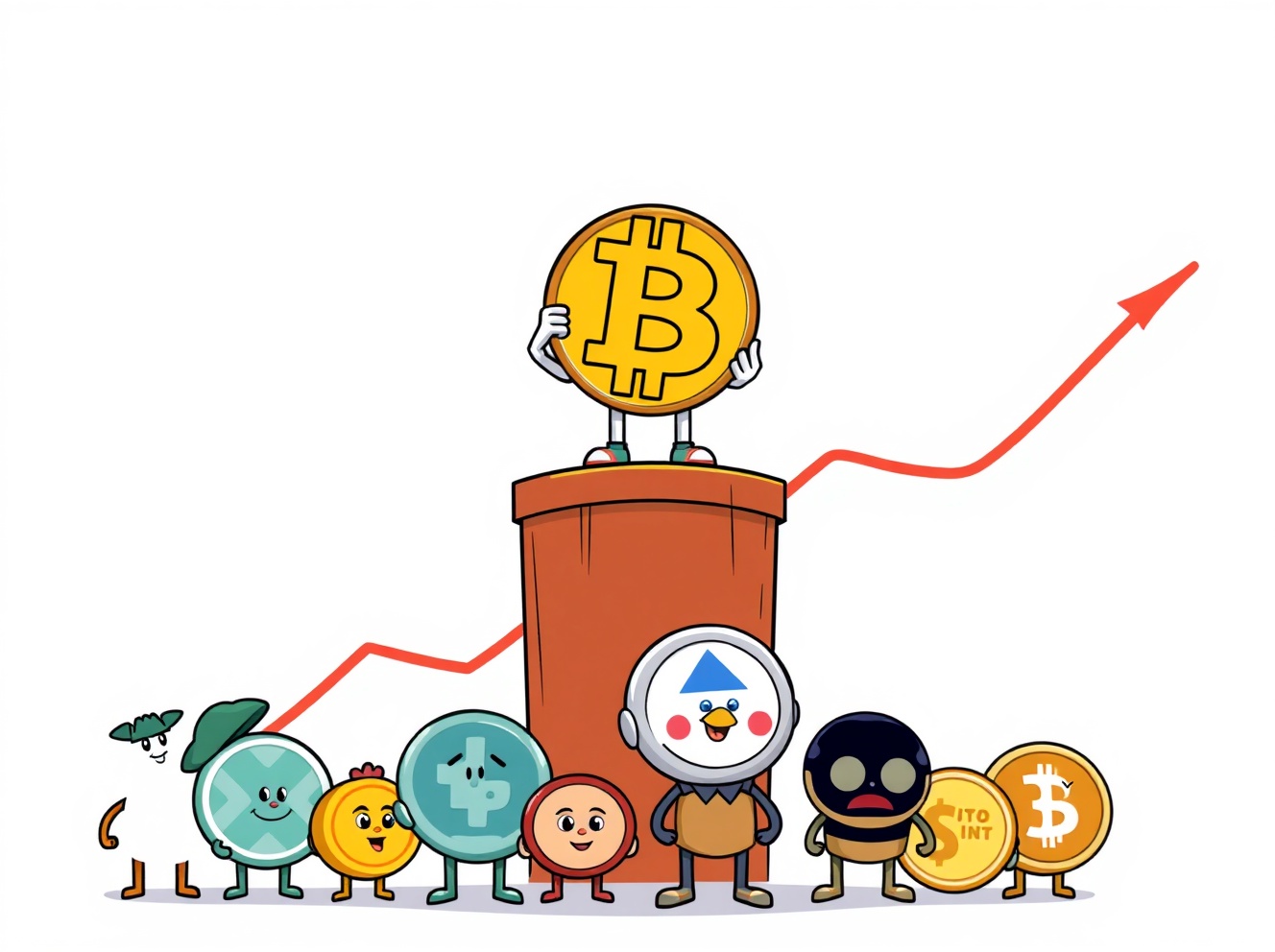
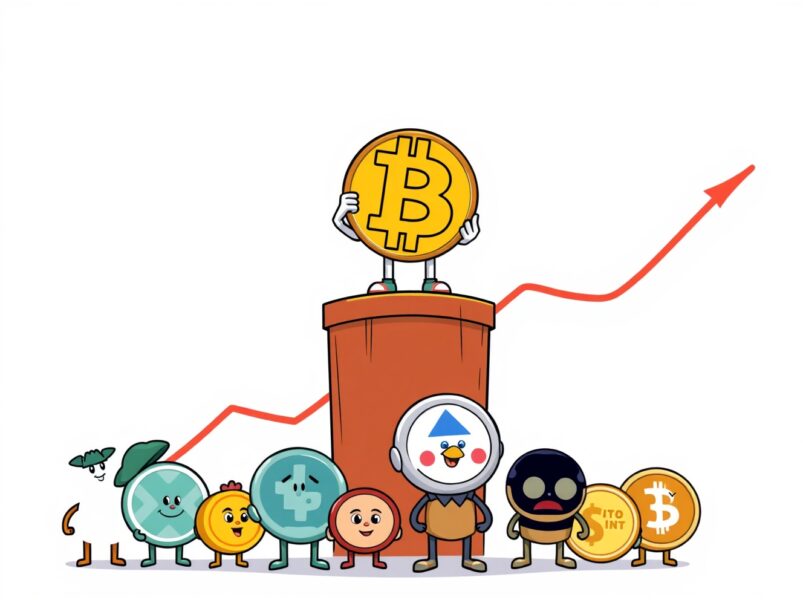
A cartoon illustrating Bitcoin's dominance as the Altcoin Season Index falls, with altcoins looking up.

BitcoinWorld

Altcoin Season Index Plummets to 17: Is the Bitcoin Dominance Era Back?

Attention crypto investors: a key market signal just flashed a major shift. The Altcoin Season Index has dropped to a mere 17, down from 18 just yesterday. This crucial metric is a wake-up call, suggesting that Bitcoin is once again seizing control of the market narrative. If you’re holding a portfolio of alternative cryptocurrencies, understanding this index is critical for your next move.

What Exactly is the Altcoin Season Index?

Let’s break down this essential tool. The Altcoin Season Index, provided by CoinMarketCap, acts as a market thermometer. It measures a simple but powerful question: are altcoins collectively outperforming Bitcoin? The index scans the performance of the top 100 cryptocurrencies, excluding stablecoins and wrapped tokens, over a 90-day period.

Here’s how the scoring works:

  • A score of 75 or above signals an official “Altcoin Season.” This means at least 75% of major altcoins have beaten Bitcoin’s returns.
  • A score closer to 100 indicates a very strong altcoin season.
  • A low score, like the current 17, points decisively toward a “Bitcoin Season,” where the pioneer cryptocurrency is leading the pack.

Why Has the Altcoin Season Index Fallen So Low?

The drop to 17 isn’t random. It reflects a broader market trend where capital is flowing back into Bitcoin, often seen as a safe haven during periods of uncertainty. Several factors contribute to this shift:

  • Macroeconomic Pressures: Interest rate fears and inflation concerns drive investors toward established assets.
  • Bitcoin ETF Momentum: The success of spot Bitcoin ETFs continues to funnel institutional money primarily into BTC.
  • Market Cycle Phase: Crypto markets often move in cycles, with Bitcoin leading rallies before capital rotates into altcoins.

Therefore, a low Altcoin Season Index suggests the market is in a risk-off or consolidation phase, with confidence concentrated in Bitcoin.

What Does a Score of 17 Mean for Your Portfolio?

This is the crucial question for every investor. A score of 17 on the Altcoin Season Index is a clear data point, not a command. It provides context for your strategy.

For HODLers, this may be a period of patience. Altcoin growth often explodes after sustained Bitcoin strength, as profits get rotated. For traders, it highlights the importance of monitoring Bitcoin dominance charts. However, remember that some altcoins can still defy the trend based on their own fundamentals and news.

The key takeaway? Don’t panic-sell based on one metric. Use the Altcoin Season Index as one tool in a larger toolkit to understand market structure and sentiment.

Actionable Insights: Navigating a Low Altcoin Season Index

How should you respond to this signal? Here are practical steps:

  • Review Your Allocation: Ensure your portfolio balance between Bitcoin and altcoins aligns with your risk tolerance.
  • Focus on Fundamentals: Use this time to research altcoin projects with strong use cases, ready for the next cycle.
  • Dollar-Cost Average (DCA): A low Altcoin Season Index can present buying opportunities in quality projects at lower prices.
  • Set Alerts: Watch for the index to climb back above 50 as an early signal of changing momentum.

Conclusion: Patience and Perspective Are Key

The Altcoin Season Index at 17 tells a story of current Bitcoin dominance. While it may dampen short-term enthusiasm for altcoins, it does not erase their long-term potential. Historically, deep “Bitcoin Seasons” have often set the stage for the most explosive Altcoin Season rallies. Savvy investors watch this index not for daily signals, but for confirming the broader market cycle. Stay informed, stick to your strategy, and remember that in crypto, seasons always change.

Frequently Asked Questions (FAQs)

Q1: Where can I check the current Altcoin Season Index?
A1: You can find the live Altcoin Season Index on the CoinMarketCap website under their market analysis tools or research sections.

Q2: Does a low index mean all altcoins are losing money?
A2: Not necessarily. It means a majority are underperforming Bitcoin. Some individual altcoins can still post significant gains based on their own news and developments.

Q3: How often does the Altcoin Season Index update?
A3: The index is typically updated daily, reflecting the rolling 90-day performance of the market.

Q4: What is considered a good score for altcoin investors?
A4: A score above 75 is the official threshold for an “Altcoin Season.” Scores between 50 and 75 can indicate a mixed or transitioning market.

Q5: Has the Altcoin Season Index been accurate in the past?
A5: It has been a reliable indicator of market structure phases. However, like all metrics, it should not be used in isolation for investment decisions.

Q6: Can the index predict the start of the next altcoin season?
A6: It can signal the beginning as the score climbs steadily above 50 and toward 75. A sustained move above 75 is the key confirmation.

Found this analysis of the falling Altcoin Season Index helpful? Understanding these market signals is key to navigating crypto volatility. Share this article with your network on X (Twitter), Telegram, or Reddit to help other investors decode what a score of 17 really means for the market!

To learn more about the latest crypto market trends, explore our article on key developments shaping Bitcoin and altcoin price action.

This post Altcoin Season Index Plummets to 17: Is the Bitcoin Dominance Era Back? first appeared on BitcoinWorld.

Disclaimer: The articles reposted on this site are sourced from public platforms and are provided for informational purposes only. They do not necessarily reflect the views of MEXC. All rights remain with the original authors. If you believe any content infringes on third-party rights, please contact [email protected] for removal. MEXC makes no guarantees regarding the accuracy, completeness, or timeliness of the content and is not responsible for any actions taken based on the information provided. The content does not constitute financial, legal, or other professional advice, nor should it be considered a recommendation or endorsement by MEXC.

You May Also Like

Crucial Fed Rate Cut: October Probability Surges to 94%

Crucial Fed Rate Cut: October Probability Surges to 94%

BitcoinWorld Crucial Fed Rate Cut: October Probability Surges to 94% The financial world is buzzing with a significant development: the probability of a Fed rate cut in October has just seen a dramatic increase. This isn’t just a minor shift; it’s a monumental change that could ripple through global markets, including the dynamic cryptocurrency space. For anyone tracking economic indicators and their impact on investments, this update from the U.S. interest rate futures market is absolutely crucial. What Just Happened? Unpacking the FOMC Statement’s Impact Following the latest Federal Open Market Committee (FOMC) statement, market sentiment has decisively shifted. Before the announcement, the U.S. interest rate futures market had priced in a 71.6% chance of an October rate cut. However, after the statement, this figure surged to an astounding 94%. This jump indicates that traders and analysts are now overwhelmingly confident that the Federal Reserve will lower interest rates next month. Such a high probability suggests a strong consensus emerging from the Fed’s latest communications and economic outlook. A Fed rate cut typically means cheaper borrowing costs for businesses and consumers, which can stimulate economic activity. But what does this really signify for investors, especially those in the digital asset realm? Why is a Fed Rate Cut So Significant for Markets? When the Federal Reserve adjusts interest rates, it sends powerful signals across the entire financial ecosystem. A rate cut generally implies a more accommodative monetary policy, often enacted to boost economic growth or combat deflationary pressures. Impact on Traditional Markets: Stocks: Lower interest rates can make borrowing cheaper for companies, potentially boosting earnings and making stocks more attractive compared to bonds. Bonds: Existing bonds with higher yields might become more valuable, but new bonds will likely offer lower returns. Dollar Strength: A rate cut can weaken the U.S. dollar, making exports cheaper and potentially benefiting multinational corporations. Potential for Cryptocurrency Markets: The cryptocurrency market, while often seen as uncorrelated, can still react significantly to macro-economic shifts. A Fed rate cut could be interpreted as: Increased Risk Appetite: With traditional investments offering lower returns, investors might seek higher-yielding or more volatile assets like cryptocurrencies. Inflation Hedge Narrative: If rate cuts are perceived as a precursor to inflation, assets like Bitcoin, often dubbed “digital gold,” could gain traction as an inflation hedge. Liquidity Influx: A more accommodative monetary environment generally means more liquidity in the financial system, some of which could flow into digital assets. Looking Ahead: What Could This Mean for Your Portfolio? While the 94% probability for a Fed rate cut in October is compelling, it’s essential to consider the nuances. Market probabilities can shift, and the Fed’s ultimate decision will depend on incoming economic data. Actionable Insights: Stay Informed: Continue to monitor economic reports, inflation data, and future Fed statements. Diversify: A diversified portfolio can help mitigate risks associated with sudden market shifts. Assess Risk Tolerance: Understand how a potential rate cut might affect your specific investments and adjust your strategy accordingly. This increased likelihood of a Fed rate cut presents both opportunities and challenges. It underscores the interconnectedness of traditional finance and the emerging digital asset space. Investors should remain vigilant and prepared for potential volatility. The financial landscape is always evolving, and the significant surge in the probability of an October Fed rate cut is a clear signal of impending change. From stimulating economic growth to potentially fueling interest in digital assets, the implications are vast. Staying informed and strategically positioned will be key as we approach this crucial decision point. The market is now almost certain of a rate cut, and understanding its potential ripple effects is paramount for every investor. Frequently Asked Questions (FAQs) Q1: What is the Federal Open Market Committee (FOMC)? A1: The FOMC is the monetary policymaking body of the Federal Reserve System. It sets the federal funds rate, which influences other interest rates and economic conditions. Q2: How does a Fed rate cut impact the U.S. dollar? A2: A rate cut typically makes the U.S. dollar less attractive to foreign investors seeking higher returns, potentially leading to a weakening of the dollar against other currencies. Q3: Why might a Fed rate cut be good for cryptocurrency? A3: Lower interest rates can reduce the appeal of traditional investments, encouraging investors to seek higher returns in alternative assets like cryptocurrencies. It can also be seen as a sign of increased liquidity or potential inflation, benefiting assets like Bitcoin. Q4: Is a 94% probability a guarantee of a rate cut? A4: While a 94% probability is very high, it is not a guarantee. Market probabilities reflect current sentiment and data, but the Federal Reserve’s final decision will depend on all available economic information leading up to their meeting. Q5: What should investors do in response to this news? A5: Investors should stay informed about economic developments, review their portfolio diversification, and assess their risk tolerance. Consider how potential changes in interest rates might affect different asset classes and adjust strategies as needed. Did you find this analysis helpful? Share this article with your network to keep others informed about the potential impact of the upcoming Fed rate cut and its implications for the financial markets! To learn more about the latest crypto market trends, explore our article on key developments shaping Bitcoin price action. This post Crucial Fed Rate Cut: October Probability Surges to 94% first appeared on BitcoinWorld.
Share
Coinstats2025/09/18 02:25