43% of transactions at Nigerian fuel stations are made via digital payments – Report
Digital payment is transforming every sector by facilitating trade and transactions, and the Nigerian oil and gas industry is a beneficiary of this transformation.
A December 2025 report by Moniepoint revealed that 43% of payments at Nigerian fuel stations are made via digital channels, including cards, mobile money, and transfers. This shows that while roughly 2 in 5 transactions are made with digital payments, fewer people are bringing cash to the pump.
However, the findings reveal how fuel stations are adapting to the ongoing digital shift.
The report, titled Fueling the Nation: How Moniepoint powers Nigeria’s oil and gas industry, shows that digital payment has become an integral part of Nigeria’s fuel stations’ daily payment activities. The shift from cash also stems from the Federal Government’s 2023 directive, which instructed all petrol stations to accept POS and bank transfers.
While 43% of payments at Nigerian fuel stations move through the digital line, 57% are made using cash and other unspecified means of payment. Further breakdown of transaction methods is:
- Cash: 33.6%
- Card: 27.3%
- Transfers: 13.6%
- Mobile Money: 3.6%
- Others: 21.8%
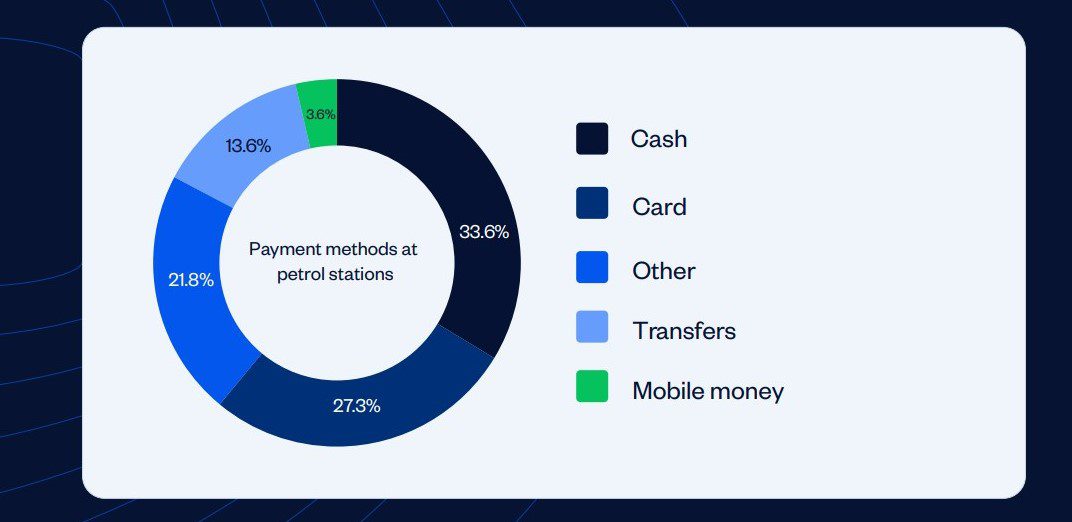 Image Credit: Moniepoint
For fuel stations, the trend has enabled their business operation to adjust to shifts in the medium of payment. Digital payments are faster, reduce the risks associated with handling large amounts of cash, and enable operators to track sales more easily and accurately.
While the 43% is encouraging, it also shows that Nigerian fuel operators are still catching up. Meanwhile, the expected increase in digital payment adoption rate and surge in fintech operators are creating solutions.
“Fintech-led innovations in payments, instant settlement, and credit are helping to close the gap. At the same time, the way Nigerians pay for petrol is changing fast,” part of the report reads.
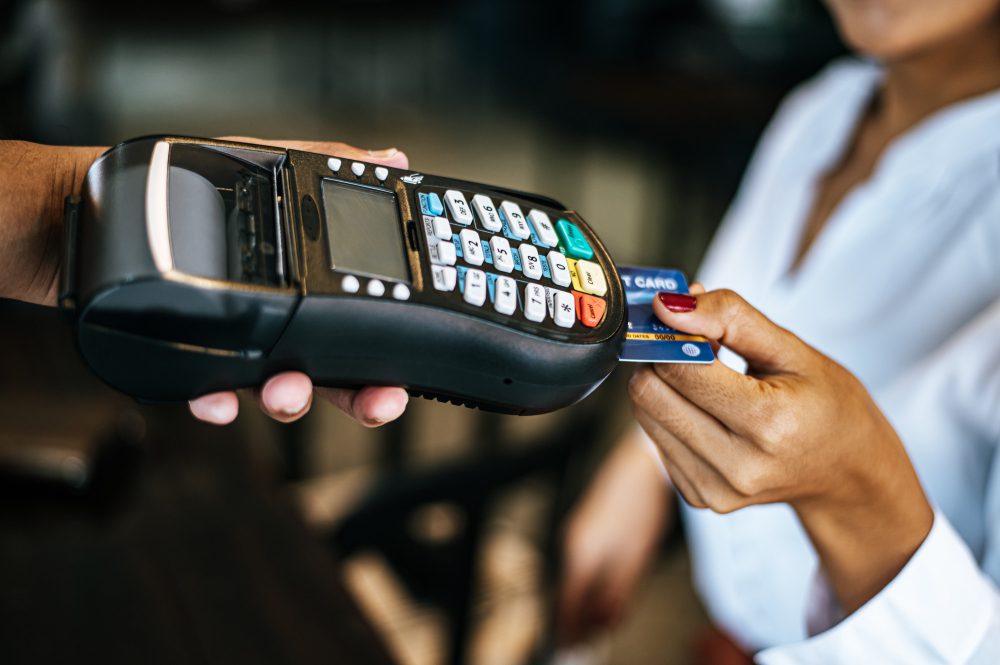
The report reveals that 91% of fuel stations use Point of Sale (POS) terminals, showing how operators are starting to see POS as a standard part of their daily transactions.
For many station owners, POS has become an essential tool for handling the high volume of daily transactions and managing congested situations. With 9% on the other hand, only a small fraction of operators continue to rely partly on cash.
As Nigeria possesses tens of thousands of fuel stations, the report shows how the oil and gas sector is adjusting to make mobility easier for over 200 million Nigerians. While it’s an essential service, the use of digital payment and credit for working capital is fast shaping the growth of the sector.
Also Read: NIPOST partners Paystack and Sendbox to launch new digital payment option.
Amid digital payments, challenges persist
For Nigerian fuel stations, adapting to digital payment still leaves some gaps uncovered, such as payment bottlenecks. For instance, some merchants on traditional bank rails receive T+1 settlement (next-day). For stations that need cash the same day, the delay in settlement hindered operation, especially for the next day.
Although regulations by the Central Bank of Nigeria have tightened dispute windows by ensuring reversals are faster, the report posits that typical settlement experience still varies from instant to 24–72 hours on legacy rails. In a situation where 9 in 10 fuel stations rely on same-day settlement to manage their daily operations, delay is dangerous.
“When settlement is delayed, or terminals go down, managers must choose between (a) delaying supplier payments and risking stockouts, or (b) paying suppliers with stored cash and reducing working capital for other needs. Both options hurt margins and operational reliability,” the report said.
Access to working capital is another bottleneck. While many operators rely on short-term and inventory-style credit finance, the strict rule and repayment period seems challenging. Under this model, operators are required to pay back after five days of loading.
In addition, access to credit can be slow and may require extensive documentation. Where formal finance is inaccessible, station owners rely on personal savings, family, and informal money lenders, further explaining why many fuel stations are fragile financially.
You May Also Like

American Bitcoin’s $5B Nasdaq Debut Puts Trump-Backed Miner in Crypto Spotlight


Zakt de Bitcoin koers naar $80.000 na de $3 miljard BTC ETF uitstroom sinds november?