BitcoinWorld LBTC Token Expansion: Lombard Finance Unleashes New Possibilities on Solana Exciting news is brewing in the world of decentralized finance (DeFi)! Lombard Finance (BARD), a prominent Bitcoin DeFi firm, recently made a significant announcement: its innovative LBTC token expansion is coming to the Solana blockchain. This strategic move is set to create waves, offering new avenues for liquidity and utility for Bitcoin holders within the rapidly growing Solana ecosystem. According to The Block, this development marks a pivotal moment for cross-chain interoperability. Understanding LBTC: The Core of This Token Expansion Lombard Finance developed LBTC as a liquid staking Bitcoin token. But what exactly does that mean for you, the user? Essentially, LBTC allows Bitcoin holders to participate in DeFi activities while still retaining access to their BTC’s value. It’s like having your cake and eating it too – your Bitcoin remains liquid and usable, generating potential yield in the DeFi space. The upcoming LBTC token expansion to Solana is a game-changer because it extends this powerful utility to a new, high-performance blockchain. Solana is renowned for its speed, low transaction costs, and scalability, making it an attractive destination for DeFi projects looking to reach a wider audience and offer a smoother user experience. Liquidity: Keep your Bitcoin accessible while it’s earning potential rewards. Yield Generation: Participate in DeFi protocols to potentially earn rewards. Interoperability: Bridge Bitcoin’s established value to other blockchain ecosystems. Why Solana is Key for LBTC Token Expansion Lombard Finance’s decision to choose Solana for its LBTC token expansion is a highly strategic one. Solana boasts a robust infrastructure that supports high transaction throughput and near-instant finality. These features are crucial for the fast-paced world of DeFi, where efficiency directly impacts user experience and protocol performance. This move positions LBTC to tap into Solana’s vibrant developer community and its rapidly expanding user base. Consider the immense impact: bringing Bitcoin’s deep liquidity to Solana’s efficient network can unlock new financial primitives and opportunities. It’s a powerful synergy, combining the established trust and value of Bitcoin with the innovative, high-speed capabilities of Solana. This integration promises a more seamless and cost-effective DeFi experience for everyone involved. High Throughput: Solana handles thousands of transactions per second, ideal for DeFi. Low Fees: Significantly reduces the cost of DeFi interactions, benefiting users. Scalability: Built to support massive growth and adoption without congestion. Vibrant Ecosystem: Home to a diverse range of innovative DeFi applications and protocols. Where Will LBTC Token Expansion Integrate on Solana? The LBTC token expansion isn’t just about arriving on Solana; it’s about integrating into its core DeFi infrastructure. Lombard Finance plans to supply LBTC to several leading Solana-based platforms. This ensures immediate utility and broad accessibility. According to the announcement, these key integrations include: Jupiter: A prominent decentralized exchange (DEX) aggregator, enhancing liquidity for LBTC. Drift: A leading perpetuals DEX, offering new trading and leverage possibilities for LBTC holders. Kamino: A concentrated liquidity manager, optimizing yield strategies and capital efficiency for LBTC. Meteora: A dynamic liquidity protocol, further deepening market access and utility for LBTC. These integrations are vital. They ensure that LBTC will be immediately usable and accessible across a spectrum of DeFi services, from trading and lending to yield farming. This widespread availability will significantly boost LBTC’s utility and adoption within the Solana ecosystem, fostering a more robust and interconnected DeFi landscape. Benefits for Users: What the LBTC Token Expansion Means for You For users, the LBTC token expansion translates into more options and greater flexibility. If you’re a Bitcoin holder, you now have a new pathway to leverage your assets within a high-performance DeFi environment. This could mean: Accessing new yield opportunities that were previously unavailable on other chains. Participating in faster, cheaper transactions, making DeFi more accessible. Diversifying your DeFi portfolio across different blockchains, enhancing risk management. Engaging with innovative Solana protocols using your Bitcoin’s value. While exciting, users should always conduct their own research (DYOR) before engaging with any DeFi protocol. Understanding the risks associated with smart contracts, impermanent loss, and protocol security is crucial for navigating this innovative space safely and effectively. The Broader Impact of LBTC Token Expansion on DeFi The LBTC token expansion represents a significant step towards a more interconnected and liquid DeFi landscape. It highlights a growing trend where projects aim to bridge the vast liquidity of Bitcoin with the innovative capabilities of other high-throughput blockchains. This cross-chain collaboration is essential for the long-term growth and maturation of the entire crypto ecosystem. It pushes the boundaries of what’s possible, fostering greater efficiency and accessibility. Ultimately, Lombard Finance’s move is a testament to the ongoing evolution of DeFi, pushing boundaries and creating more efficient, accessible financial tools for everyone. It’s a compelling vision of a future where digital assets flow seamlessly across chains, unlocking unprecedented value and fostering a truly global decentralized financial system. Summary: Bridging Bitcoin to Solana’s Future Lombard Finance’s announcement to bring its LBTC liquid staking Bitcoin token to the Solana blockchain marks a pivotal moment for both ecosystems. This strategic LBTC token expansion promises to unlock new liquidity, enhance user experience through Solana’s speed and low costs, and integrate seamlessly with leading DeFi protocols like Jupiter, Drift, Kamino, and Meteora. As the DeFi space continues to mature, such cross-chain initiatives are vital for fostering innovation and providing users with more robust and versatile financial tools. The future of Bitcoin DeFi on Solana looks incredibly bright, offering a glimpse into a more interconnected and efficient decentralized world. Frequently Asked Questions (FAQs) What is LBTC? LBTC is a liquid staking Bitcoin token developed by Lombard Finance. It allows Bitcoin holders to utilize their BTC in DeFi protocols while maintaining liquidity and potential for yield generation. Why is Lombard Finance expanding LBTC to Solana? Lombard Finance is expanding LBTC to Solana to leverage Solana’s high speed, low transaction costs, and scalability. This move aims to enhance liquidity, improve user experience, and tap into Solana’s vibrant DeFi ecosystem. Which Solana protocols will integrate LBTC? Lombard Finance plans to supply LBTC to several leading Solana-based platforms, including Jupiter (DEX aggregator), Drift (perpetuals DEX), Kamino (liquidity manager), and Meteora (dynamic liquidity protocol). What are the main benefits of this LBTC token expansion for users? Users will benefit from new yield opportunities, faster and cheaper transactions, increased flexibility in managing their Bitcoin assets, and the ability to engage with a wider range of DeFi protocols on Solana. Is it safe to use LBTC on Solana DeFi protocols? While the LBTC token expansion opens exciting opportunities, users should always conduct thorough research (DYOR) on any DeFi protocol. Understand the inherent risks associated with smart contracts, impermanent loss, and platform security before committing funds. Did you find this article insightful? Share it with your network and help spread the word about the exciting developments in cross-chain DeFi! To learn more about the latest crypto market trends, explore our article on key developments shaping Bitcoin institutional adoption. This post LBTC Token Expansion: Lombard Finance Unleashes New Possibilities on Solana first appeared on BitcoinWorld and is written by Editorial TeamBitcoinWorld LBTC Token Expansion: Lombard Finance Unleashes New Possibilities on Solana Exciting news is brewing in the world of decentralized finance (DeFi)! Lombard Finance (BARD), a prominent Bitcoin DeFi firm, recently made a significant announcement: its innovative LBTC token expansion is coming to the Solana blockchain. This strategic move is set to create waves, offering new avenues for liquidity and utility for Bitcoin holders within the rapidly growing Solana ecosystem. According to The Block, this development marks a pivotal moment for cross-chain interoperability. Understanding LBTC: The Core of This Token Expansion Lombard Finance developed LBTC as a liquid staking Bitcoin token. But what exactly does that mean for you, the user? Essentially, LBTC allows Bitcoin holders to participate in DeFi activities while still retaining access to their BTC’s value. It’s like having your cake and eating it too – your Bitcoin remains liquid and usable, generating potential yield in the DeFi space. The upcoming LBTC token expansion to Solana is a game-changer because it extends this powerful utility to a new, high-performance blockchain. Solana is renowned for its speed, low transaction costs, and scalability, making it an attractive destination for DeFi projects looking to reach a wider audience and offer a smoother user experience. Liquidity: Keep your Bitcoin accessible while it’s earning potential rewards. Yield Generation: Participate in DeFi protocols to potentially earn rewards. Interoperability: Bridge Bitcoin’s established value to other blockchain ecosystems. Why Solana is Key for LBTC Token Expansion Lombard Finance’s decision to choose Solana for its LBTC token expansion is a highly strategic one. Solana boasts a robust infrastructure that supports high transaction throughput and near-instant finality. These features are crucial for the fast-paced world of DeFi, where efficiency directly impacts user experience and protocol performance. This move positions LBTC to tap into Solana’s vibrant developer community and its rapidly expanding user base. Consider the immense impact: bringing Bitcoin’s deep liquidity to Solana’s efficient network can unlock new financial primitives and opportunities. It’s a powerful synergy, combining the established trust and value of Bitcoin with the innovative, high-speed capabilities of Solana. This integration promises a more seamless and cost-effective DeFi experience for everyone involved. High Throughput: Solana handles thousands of transactions per second, ideal for DeFi. Low Fees: Significantly reduces the cost of DeFi interactions, benefiting users. Scalability: Built to support massive growth and adoption without congestion. Vibrant Ecosystem: Home to a diverse range of innovative DeFi applications and protocols. Where Will LBTC Token Expansion Integrate on Solana? The LBTC token expansion isn’t just about arriving on Solana; it’s about integrating into its core DeFi infrastructure. Lombard Finance plans to supply LBTC to several leading Solana-based platforms. This ensures immediate utility and broad accessibility. According to the announcement, these key integrations include: Jupiter: A prominent decentralized exchange (DEX) aggregator, enhancing liquidity for LBTC. Drift: A leading perpetuals DEX, offering new trading and leverage possibilities for LBTC holders. Kamino: A concentrated liquidity manager, optimizing yield strategies and capital efficiency for LBTC. Meteora: A dynamic liquidity protocol, further deepening market access and utility for LBTC. These integrations are vital. They ensure that LBTC will be immediately usable and accessible across a spectrum of DeFi services, from trading and lending to yield farming. This widespread availability will significantly boost LBTC’s utility and adoption within the Solana ecosystem, fostering a more robust and interconnected DeFi landscape. Benefits for Users: What the LBTC Token Expansion Means for You For users, the LBTC token expansion translates into more options and greater flexibility. If you’re a Bitcoin holder, you now have a new pathway to leverage your assets within a high-performance DeFi environment. This could mean: Accessing new yield opportunities that were previously unavailable on other chains. Participating in faster, cheaper transactions, making DeFi more accessible. Diversifying your DeFi portfolio across different blockchains, enhancing risk management. Engaging with innovative Solana protocols using your Bitcoin’s value. While exciting, users should always conduct their own research (DYOR) before engaging with any DeFi protocol. Understanding the risks associated with smart contracts, impermanent loss, and protocol security is crucial for navigating this innovative space safely and effectively. The Broader Impact of LBTC Token Expansion on DeFi The LBTC token expansion represents a significant step towards a more interconnected and liquid DeFi landscape. It highlights a growing trend where projects aim to bridge the vast liquidity of Bitcoin with the innovative capabilities of other high-throughput blockchains. This cross-chain collaboration is essential for the long-term growth and maturation of the entire crypto ecosystem. It pushes the boundaries of what’s possible, fostering greater efficiency and accessibility. Ultimately, Lombard Finance’s move is a testament to the ongoing evolution of DeFi, pushing boundaries and creating more efficient, accessible financial tools for everyone. It’s a compelling vision of a future where digital assets flow seamlessly across chains, unlocking unprecedented value and fostering a truly global decentralized financial system. Summary: Bridging Bitcoin to Solana’s Future Lombard Finance’s announcement to bring its LBTC liquid staking Bitcoin token to the Solana blockchain marks a pivotal moment for both ecosystems. This strategic LBTC token expansion promises to unlock new liquidity, enhance user experience through Solana’s speed and low costs, and integrate seamlessly with leading DeFi protocols like Jupiter, Drift, Kamino, and Meteora. As the DeFi space continues to mature, such cross-chain initiatives are vital for fostering innovation and providing users with more robust and versatile financial tools. The future of Bitcoin DeFi on Solana looks incredibly bright, offering a glimpse into a more interconnected and efficient decentralized world. Frequently Asked Questions (FAQs) What is LBTC? LBTC is a liquid staking Bitcoin token developed by Lombard Finance. It allows Bitcoin holders to utilize their BTC in DeFi protocols while maintaining liquidity and potential for yield generation. Why is Lombard Finance expanding LBTC to Solana? Lombard Finance is expanding LBTC to Solana to leverage Solana’s high speed, low transaction costs, and scalability. This move aims to enhance liquidity, improve user experience, and tap into Solana’s vibrant DeFi ecosystem. Which Solana protocols will integrate LBTC? Lombard Finance plans to supply LBTC to several leading Solana-based platforms, including Jupiter (DEX aggregator), Drift (perpetuals DEX), Kamino (liquidity manager), and Meteora (dynamic liquidity protocol). What are the main benefits of this LBTC token expansion for users? Users will benefit from new yield opportunities, faster and cheaper transactions, increased flexibility in managing their Bitcoin assets, and the ability to engage with a wider range of DeFi protocols on Solana. Is it safe to use LBTC on Solana DeFi protocols? While the LBTC token expansion opens exciting opportunities, users should always conduct thorough research (DYOR) on any DeFi protocol. Understand the inherent risks associated with smart contracts, impermanent loss, and platform security before committing funds. Did you find this article insightful? Share it with your network and help spread the word about the exciting developments in cross-chain DeFi! To learn more about the latest crypto market trends, explore our article on key developments shaping Bitcoin institutional adoption. This post LBTC Token Expansion: Lombard Finance Unleashes New Possibilities on Solana first appeared on BitcoinWorld and is written by Editorial Team


LBTC Token Expansion: Lombard Finance Unleashes New Possibilities on Solana

2025/08/28 22:25

BitcoinWorld

LBTC Token Expansion: Lombard Finance Unleashes New Possibilities on Solana

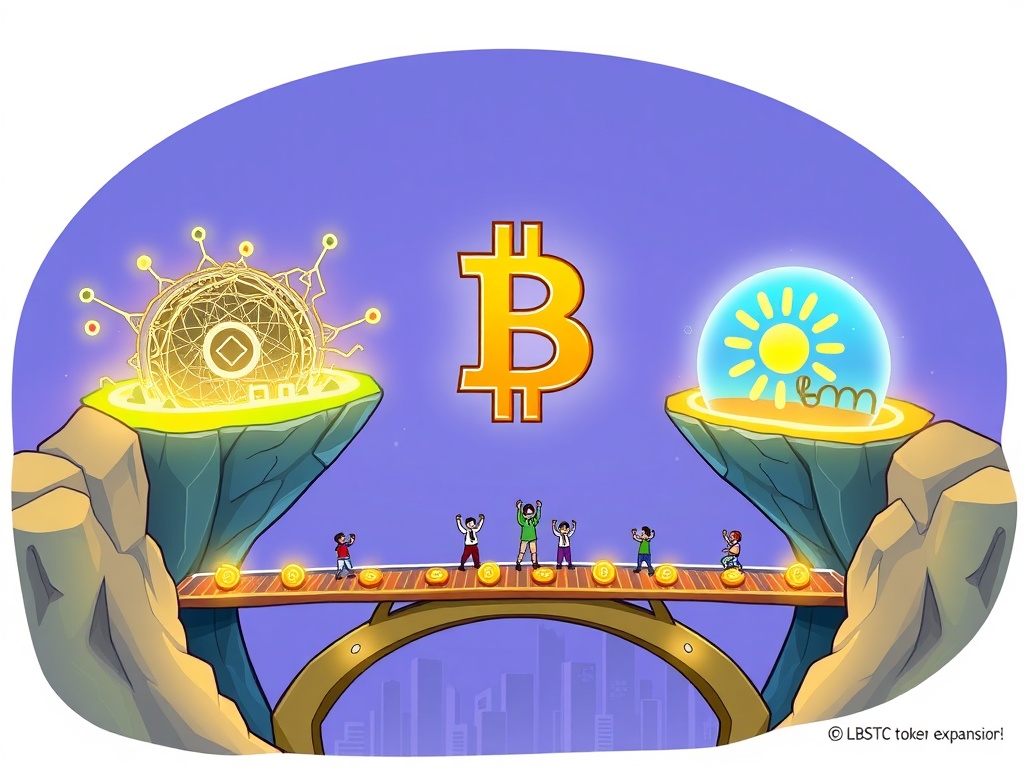
Exciting news is brewing in the world of decentralized finance (DeFi)! Lombard Finance (BARD), a prominent Bitcoin DeFi firm, recently made a significant announcement: its innovative LBTC token expansion is coming to the Solana blockchain. This strategic move is set to create waves, offering new avenues for liquidity and utility for Bitcoin holders within the rapidly growing Solana ecosystem. According to The Block, this development marks a pivotal moment for cross-chain interoperability.

Understanding LBTC: The Core of This Token Expansion

Lombard Finance developed LBTC as a liquid staking Bitcoin token. But what exactly does that mean for you, the user? Essentially, LBTC allows Bitcoin holders to participate in DeFi activities while still retaining access to their BTC’s value. It’s like having your cake and eating it too – your Bitcoin remains liquid and usable, generating potential yield in the DeFi space.

The upcoming LBTC token expansion to Solana is a game-changer because it extends this powerful utility to a new, high-performance blockchain. Solana is renowned for its speed, low transaction costs, and scalability, making it an attractive destination for DeFi projects looking to reach a wider audience and offer a smoother user experience.

  • Liquidity: Keep your Bitcoin accessible while it’s earning potential rewards.
  • Yield Generation: Participate in DeFi protocols to potentially earn rewards.
  • Interoperability: Bridge Bitcoin’s established value to other blockchain ecosystems.

Why Solana is Key for LBTC Token Expansion

Lombard Finance’s decision to choose Solana for its LBTC token expansion is a highly strategic one. Solana boasts a robust infrastructure that supports high transaction throughput and near-instant finality. These features are crucial for the fast-paced world of DeFi, where efficiency directly impacts user experience and protocol performance. This move positions LBTC to tap into Solana’s vibrant developer community and its rapidly expanding user base.

Consider the immense impact: bringing Bitcoin’s deep liquidity to Solana’s efficient network can unlock new financial primitives and opportunities. It’s a powerful synergy, combining the established trust and value of Bitcoin with the innovative, high-speed capabilities of Solana. This integration promises a more seamless and cost-effective DeFi experience for everyone involved.

  • High Throughput: Solana handles thousands of transactions per second, ideal for DeFi.
  • Low Fees: Significantly reduces the cost of DeFi interactions, benefiting users.
  • Scalability: Built to support massive growth and adoption without congestion.
  • Vibrant Ecosystem: Home to a diverse range of innovative DeFi applications and protocols.

Where Will LBTC Token Expansion Integrate on Solana?

The LBTC token expansion isn’t just about arriving on Solana; it’s about integrating into its core DeFi infrastructure. Lombard Finance plans to supply LBTC to several leading Solana-based platforms. This ensures immediate utility and broad accessibility. According to the announcement, these key integrations include:

  • Jupiter: A prominent decentralized exchange (DEX) aggregator, enhancing liquidity for LBTC.
  • Drift: A leading perpetuals DEX, offering new trading and leverage possibilities for LBTC holders.
  • Kamino: A concentrated liquidity manager, optimizing yield strategies and capital efficiency for LBTC.
  • Meteora: A dynamic liquidity protocol, further deepening market access and utility for LBTC.

These integrations are vital. They ensure that LBTC will be immediately usable and accessible across a spectrum of DeFi services, from trading and lending to yield farming. This widespread availability will significantly boost LBTC’s utility and adoption within the Solana ecosystem, fostering a more robust and interconnected DeFi landscape.

Benefits for Users: What the LBTC Token Expansion Means for You

For users, the LBTC token expansion translates into more options and greater flexibility. If you’re a Bitcoin holder, you now have a new pathway to leverage your assets within a high-performance DeFi environment. This could mean:

  • Accessing new yield opportunities that were previously unavailable on other chains.
  • Participating in faster, cheaper transactions, making DeFi more accessible.
  • Diversifying your DeFi portfolio across different blockchains, enhancing risk management.
  • Engaging with innovative Solana protocols using your Bitcoin’s value.

While exciting, users should always conduct their own research (DYOR) before engaging with any DeFi protocol. Understanding the risks associated with smart contracts, impermanent loss, and protocol security is crucial for navigating this innovative space safely and effectively.

The Broader Impact of LBTC Token Expansion on DeFi

The LBTC token expansion represents a significant step towards a more interconnected and liquid DeFi landscape. It highlights a growing trend where projects aim to bridge the vast liquidity of Bitcoin with the innovative capabilities of other high-throughput blockchains. This cross-chain collaboration is essential for the long-term growth and maturation of the entire crypto ecosystem. It pushes the boundaries of what’s possible, fostering greater efficiency and accessibility.

Ultimately, Lombard Finance’s move is a testament to the ongoing evolution of DeFi, pushing boundaries and creating more efficient, accessible financial tools for everyone. It’s a compelling vision of a future where digital assets flow seamlessly across chains, unlocking unprecedented value and fostering a truly global decentralized financial system.

Summary: Bridging Bitcoin to Solana’s Future

Lombard Finance’s announcement to bring its LBTC liquid staking Bitcoin token to the Solana blockchain marks a pivotal moment for both ecosystems. This strategic LBTC token expansion promises to unlock new liquidity, enhance user experience through Solana’s speed and low costs, and integrate seamlessly with leading DeFi protocols like Jupiter, Drift, Kamino, and Meteora. As the DeFi space continues to mature, such cross-chain initiatives are vital for fostering innovation and providing users with more robust and versatile financial tools. The future of Bitcoin DeFi on Solana looks incredibly bright, offering a glimpse into a more interconnected and efficient decentralized world.

Frequently Asked Questions (FAQs)

What is LBTC?

LBTC is a liquid staking Bitcoin token developed by Lombard Finance. It allows Bitcoin holders to utilize their BTC in DeFi protocols while maintaining liquidity and potential for yield generation.

Why is Lombard Finance expanding LBTC to Solana?

Lombard Finance is expanding LBTC to Solana to leverage Solana’s high speed, low transaction costs, and scalability. This move aims to enhance liquidity, improve user experience, and tap into Solana’s vibrant DeFi ecosystem.

Which Solana protocols will integrate LBTC?

Lombard Finance plans to supply LBTC to several leading Solana-based platforms, including Jupiter (DEX aggregator), Drift (perpetuals DEX), Kamino (liquidity manager), and Meteora (dynamic liquidity protocol).

What are the main benefits of this LBTC token expansion for users?

Users will benefit from new yield opportunities, faster and cheaper transactions, increased flexibility in managing their Bitcoin assets, and the ability to engage with a wider range of DeFi protocols on Solana.

Is it safe to use LBTC on Solana DeFi protocols?

While the LBTC token expansion opens exciting opportunities, users should always conduct thorough research (DYOR) on any DeFi protocol. Understand the inherent risks associated with smart contracts, impermanent loss, and platform security before committing funds.

Did you find this article insightful? Share it with your network and help spread the word about the exciting developments in cross-chain DeFi!

To learn more about the latest crypto market trends, explore our article on key developments shaping Bitcoin institutional adoption.

This post LBTC Token Expansion: Lombard Finance Unleashes New Possibilities on Solana first appeared on BitcoinWorld and is written by Editorial Team

Disclaimer: The articles reposted on this site are sourced from public platforms and are provided for informational purposes only. They do not necessarily reflect the views of MEXC. All rights remain with the original authors. If you believe any content infringes on third-party rights, please contact [email protected] for removal. MEXC makes no guarantees regarding the accuracy, completeness, or timeliness of the content and is not responsible for any actions taken based on the information provided. The content does not constitute financial, legal, or other professional advice, nor should it be considered a recommendation or endorsement by MEXC.

You May Also Like

Tether invests $81.6M in Italian Humanoid-Robotics firm as AI push accelerates

Tether invests $81.6M in Italian Humanoid-Robotics firm as AI push accelerates

The post Tether invests $81.6M in Italian Humanoid-Robotics firm as AI push accelerates appeared on BitcoinEthereumNews.com. Tether, known as the issuer of the stablecoin USDT, has made a major foray into robotics and physical AI by backing Europe’s up‑and‑coming humanoid robotics firm Generative Bionics with a contribution to a €70 million (approx. $81.6 million) funding round. Notably, this startup develops industrial robots utilizing research from the Italian Institute of Technology. This funding round was led by CDP Venture Capital, a company supported by the Italian government and operating through its Artificial Intelligence Fund. This information was made public following the release of Generative Bionics’s statement, shared by a reliable source. Some of the firms that participated in this round, apart from Tether, included AMD Ventures, the investment arm of the American chipmaker Advanced Micro Devices, and other industry investors. Tether aims to solidify its position as a leader with major investments in AI  Tether’s investment marks another significant milestone in the company’s ongoing series of deals. Concerning its role in issuing the USDT stablecoin, sources acknowledged that stablecoins, cryptocurrencies that are typically connected to traditional currencies such as the dollar, have recently gained popularity, preferred by many as a suitable alternative method of payment. These sources also elaborated that this type of cryptocurrency usually relies on cash reserves and US government bonds issued on a short-term basis to maintain its value.  Following this finding, Tether shared its forecast that the reserves supporting USDT will help it in attaining its target of generating approximately $15 billion in profit this year. The company made this prediction after noting high interest rates in the sector. Based in El Salvador, Tether has been utilizing these profits to expand its presence in various fields, including commodities, artificial intelligence, and sports. The firm also disclosed its growing interest in fields of AI and data. According to the Chief Executive Officer (CEO) of Tether, Paolo…
Share
BitcoinEthereumNews2025/12/09 13:51
Why Washington now eyes BTC miners

Why Washington now eyes BTC miners

The post Why Washington now eyes BTC miners appeared on BitcoinEthereumNews.com. Homepage > News > Business > The shadow over Bitmain: Why Washington now eyes BTC miners For years, most BTC holders didn’t think twice about where their mining equipment came from. Bitmain—this massive Beijing-based manufacturer—just kept shipping Antminers to warehouses in Texas, Kazakhstan, Paraguay, wherever. As long as the rigs worked and the hash rate kept climbing, nobody really cared. That casual attitude died this month when the U.S. government launched a national-security investigation into Bitmain and its stranglehold on global mining hardware. They’re calling it Operation Red Sunset, which should tell you how seriously they’re taking this. Here’s what has Washington spooked: Bitmain controls approximately 80% of the world’s Bitcoin mining equipment. And basically every modern Antminer can be accessed remotely through firmware updates. Theoretically, one command pushed from their headquarters in China could throttle, redirect, or completely brick a huge chunk of the BTC network’s processing power. Intelligence officials worry that Beijing could exploit that access directly, or force Bitmain to do it during some future crisis—Taiwan keeps coming up in these conversations. Making things messier, one of Bitmain’s biggest recent customers is American Bitcoin, a mining operation backed by Donald Trump Jr. and Eric Trump. So yeah, that’s added some urgency to the whole thing. American Bitcoin ordered 16,000 high-end rigs earlier this year for a new facility somewhere in the Midwest. The irony isn’t subtle: a company connected to the incoming first family is now at the center of an investigation designed to reduce foreign control over critical U.S. infrastructure. From what I’m hearing, investigators are especially interested in whether those machines have hidden backdoors or telemetry channels that Beijing could flip on without anyone knowing. Bitmain claims that its remote-management tools are solely for customer support and monitoring efficiency. They insist that no government has…
Share
BitcoinEthereumNews2025/12/09 14:02