暗号資産を購入
市場
現物
先物取引BTC
MEXC Earn
イベントセンター
報酬ハブ
もっと見る
手数料0祭
Dogecoin (DOGE)has evolved from a meme-era experiment into one of the most widely recognized digital assets. As attention grew, exchanges expanded the ways users can access DOGE markets. Today, mostDogecoin (DOGE)has evolved from a meme-era experiment into one of the most widely recognized digital assets. As attention grew, exchanges expanded the ways users can access DOGE markets. Today, most
学ぶ/ブロックチェーン百科事典/人気コンセプト/Dogecoin (DOGE) Spot vs. Futures Trading: Which Suits Your Risk Profile?

Dogecoin (DOGE) Spot vs. Futures Trading: Which Suits Your Risk Profile?

初級
Sep 21, 2026MEXC
8 分
共有
Dogecoin (DOGE)has evolved from a meme-era experiment into one of the most widely recognized digital assets. As attention grew, exchanges expanded the ways users can access DOGE markets. Today, most DOGE trading activity occurs through two product types:spot tradingandperpetual futures.

This article doesnotrecommend a "better" option. Instead, it defines "risk profile" concretely:how much product complexity you can accurately understand and tolerate. Spot and futures may display similar charts and prices, but their underlying rules—and therefore their failure modes—differ significantly.


Key Takeaways

  • Risk profileis not merely "aggressive vs. conservative." In crypto, it often depends on whether you understand the rules that can alter outcomes, especially during volatility.
  • Spot tradinginvolves direct asset exchange. After a spot purchase, you typically hold DOGE in your exchange wallet balance.
  • Perpetual futuresare derivatives: you hold a contract that tracks DOGE price exposure, and the product includesmargin and liquidation mechanics.
  • Futures interfaces display additional contract fields (e.g.,funding-related informationand multiple price references), which is why they can behave differently from spot in fast-moving markets.
  • A useful self-test: if you cannot clearly explain a feature (e.g., "liquidation" or "funding"), you face a higher risk of misunderstanding the product—not just the market.

1. What "Risk Profile" Means Here (Not a Personality Test)


People often discuss risk as if it were purely emotional: "I'm conservative" or "I'm aggressive." In practice, product risk in crypto also depends on how the product is structured.

A practical definition for this article:
Your risk profile = (volatility tolerance) + (ability to manage product rules under stress).

The second component matters because DOGE can move rapidly. When markets move fast, outcomes are shaped not only by price direction but also by liquidity, execution conditions, and product-specific mechanics. Instead of asking "Which one is better?" consider a more grounded question:

"Which set of rules do I understand well enough to avoid obvious mistakes?"

2. Spot Trading Checklist 


Spot trading is typically the simplest way to gain DOGE price exposure because it closely resembles direct exchange: you trade one asset for another, and after execution, you generally hold DOGE.

However, "simple" does not mean "risk-free." Spot trading has its own sources of risk, primarily related to price movements and execution conditions. Below is aspot checklist. If you can't explain these points successfully, please feel free to pause to learn the mechanics before taking action.

2.1 Can you explain what you actually "own" after a spot trade?


In standard spot trading (without margin borrowing), once a buy order is filled, you typically hold DOGE in your exchange wallet balance. Ownership here refers to holding the asset balance rather than a derivatives contract.

2.2 Do you understand the difference between a market order and a limit order?


This is a core execution concept. Market and limit orders can behave differently when markets move quickly and order book depth changes.


2.3 Can you describe "execution risk" in one sentence?


Execution risk is not about "being right" on direction. It concerns whether your order fills at the expected price, especially during volatility. Even in spot markets, rapid moves and thin depth can create discrepancies between your intention and the actual outcome.
If you evaluate a spot trade solely as "buy vs. sell," you may be overlooking the mechanics layer.

2.4 Do you recognize that spot exposure is directional by default?


Spot holdings are directly affected by price movements: if DOGE price rises, the value of your holdings rises; if price falls, the value falls. Spot products do not inherently provide inverse exposure unless a separate structure is used. This is not a judgment about spot—simply a reminder that "I own DOGE" represents a specific exposure type.

2.5 Can you separate market volatility from operational decisions?


Many avoidable mistakes stem from reacting to volatility with rushed decisions. Spot users remain exposed to attention-driven bursts (common in meme assets), and the product's simplicity can sometimes foster overconfidence.


3. Perpetual Futures Checklist 


Perpetual futures represent a different product class. You are not buying DOGE directly; you are gaining exposure through a contract that tracks DOGE price movement. As a derivative, the product introduces contract-specific rules that do not exist in standard spot trading. Below is afutures checklist. If several items are unfamiliar, that signals meaningful risk: your exposure includes not only market risk but also product misunderstanding risk.

3.1 Can you explain what you hold in futures (a contract, not DOGE)?


In futures, you generally hold a derivatives position (contract exposure), not the underlying asset. This changes how the product behaves and which additional mechanics apply.

3.2 Do you understand what leverage means at the conceptual level?


Leverage is commonly described as exposure amplification relative to committed collateral/margin. It can accelerate the speed and magnitude of outcomes in both directions.


3.3 Can you define margin and explain why it matters?


Margin is the collateral required to maintain a derivatives position. Futures products typically use margin-based rules to determine whether a position can remain open. This is why futures outcomes can include forced closures that spot holdings do not experience.

3.4 Do you understand liquidation as a product mechanism (not a market opinion)?


Liquidation is not a prediction. It is a rule-based mechanism: if margin becomes insufficient under the product's requirements, a position may be forcibly closed.
This is one of the most critical differences between spot and futures, as it means a position can end due to product rules—not solely because you "changed your mind."


Many perpetual futures contracts display funding-related fields (rate and timing). The purpose is commonly described as aligning contract pricing with broader market pricing. The key point: funding is acontract mechanic, not a "chart indicator."

For platform-specific terminology references:

3.6 Do you understand that futures screens may show multiple reference prices?


Perpetual futures interfaces commonly display multiple prices or price references (e.g., last price vs. index/reference price vs. fair/mark price, depending on platform). These references exist because derivatives employ additional pricing and risk controls that spot trading typically does not require. If you treat "price" as a single number in futures without understanding the references, you may misinterpret what the interface is displaying.

3.7 Can you separate "directional exposure" from "outcome certainty"?


Futures contracts can be structured to provide exposure in different directions (often described as long vs. short). This tells the direction of exposure, not a guaranteed outcome.

3.8 Do you recognize how volatility and liquidity interact with margin rules?


DOGE can experience sharp moves and liquidity shifts. In futures markets, volatility and liquidity conditions can interact with margin mechanics, producing outcomes that appear "sudden" to users who expect futures to behave like accelerated spot trading.
This is not a claim about what will happen—it is a statement about how the product is structured.

4. The Most Common "Product Confusions": Why People Misjudge Risk


If spot and futures both involve "DOGE," why do users often experience them so differently? Usually, because they conflate product layers.

Confusion #1: "It's the same DOGE chart, so it's essentially the same risk."

Charts may look similar, but the product rules differ. Futures introduce margin-based mechanisms and contract fields that can alter outcomes under stress.

Confusion #2: "In futures, price is just price."

In futures interfaces, multiple price references may exist (index/reference/fair concepts). These references are part of derivatives risk logic, not "extra trading indicators."

Confusion #3: "If I understand DOGE, I automatically understand the product."

Knowing DOGE's origin, meme culture, or network basics does not automatically mean you understand derivatives mechanics. Product comprehension is a separate skill.

Confusion #4: "Risk is only about direction."

A significant portion of real-world losses (in any market) stems from mechanics misunderstanding: execution differences, liquidity gaps, and derivative rules. This is why the checklists above matter more than personality labels.

5. A Simple Decision Filter (Non-Prescriptive)


For a practical takeaway without turning this into a tutorial, use this filter:

  • If you are evaluatingspot, your core mechanics are:ownership, order types, and execution conditions.
  • If you are evaluatingperpetual futures, your core mechanics also include:margin, liquidation, funding-related information, and multiple price references.

This article does not prescribe what to choose. It clarifies what you need to understand to avoid confusing "market risk" with "product misunderstanding risk."


Conclusion


"Spot vs. futures" is not a debate about which is superior—it is a decision about which rules you are willing and able to operate under.

Spot trading is structurally closer to direct asset exchange and typically results in DOGE holdings after execution. Perpetual futures are derivatives that add a layer of contract mechanics, including margin and liquidation behavior, plus additional interface fields such as funding-related information and multiple price references.

For meme-driven assets like DOGE, volatility and attention shifts can be intense. The most reliable way to reduce mistakes is to separatemarket uncertaintyfromproduct mechanicsand ensure you understand the product rules before engaging with either market.

Regional notice:Market access and features are subject to regional availability and are not available in certain jurisdictions, including the United States.

FAQ


Is spot trading the same as owning DOGE directly?In standard spot trading, after an order fills, you typically hold DOGE in your exchange wallet balance. This differs from futures, where you hold contract exposure.

Why do futures feel more complex than spot?Perpetual futures typically incorporate margin and liquidation mechanics, plus contract fields such as funding-related information and multiple price references.

Do perpetual futures always include funding-related fields?Many perpetual futures products include funding-related mechanisms to help align contract pricing with broader market pricing. The exact display and terminology may vary by platform.

Can spot and futures react differently during fast moves?Yes. Even if both reference DOGE price movement, execution conditions and derivatives mechanics (such as margin and liquidation) can lead to different outcomes during volatile periods.


Disclaimer:This article is for educational purposes only and does not constitute financial advice. Cryptocurrency markets are volatile. Availability of products and services may vary by region.
市場の機会
 ロゴ
価格()
--
----
USD
() ライブ価格チャート

人気記事

もっと見る
Ouraの競合:Samsung、Apple、そしてスマートリング市場

Ouraの競合:Samsung、Apple、そしてスマートリング市場

Ouraの競合他社は、IPO目論見書によると、Apple、Google、Samsungなどのスマートウォッチメーカー、Garmin、Coros、Whoopなどのフィットネスウェアラブル、そしてソフトウェアのみのヘルスアプリという3つのグループに分かれます。スマートリングにおいては、Ouraが大きくリードしており、2025年上半期の世界出荷台数の約74%を占めています。調査会社Omdiaの推計による
Ouraは利益を出しているのか?収益、ビジネスモデル、評価額

Ouraは利益を出しているのか?収益、ビジネスモデル、評価額

はい、Ouraは純利益ベースで黒字です。IPO目論見書によると、2026年6月30日までの9か月間で、売上高12.1億ドルに対し純利益は6,080万ドルとなっています。一部の見出しで報じられた9億2,430万ドルの損失は別の項目で、初期投資家の優先株買い戻しに関連する9億8,500万ドルの会計上の費用を計上した後の普通株主向けの損益です。 重要なポイント 収益性はあるが、最近になってから:2026

Bitgetの評判2026:5点満点中3.8点、最も層の厚いコピートレード、そして知っておくべき日本撤退の3つの日付

Bitgetの評判2026:5点満点中3.8点、最も層の厚いコピートレード、そして知っておくべき日本撤退の3つの日付

2026年9月25日時点で、Bitgetは当社の6項目評価で5点満点中3.8点です。デリバティブ部門で首位に立つ一方、2026年9月24日に公表した約3億5,160万ドル規模のホットウォレットのインシデントを受けて、セキュリティは暫定3.5点となっています。エントリー層の現物取引手数料と、今回の評価サイクルで測定できなかった法定通貨の入出金ルートでは後れを取っています。出金が再開されれば、米国・英
Oura IPO 2026:日付、価格、評価額、そしてOURAの取引方法

Oura IPO 2026:日付、価格、評価額、そしてOURAの取引方法

Oura Ringの開発元であるOura社は、2026年9月28日の週に米国新規株式公開(IPO)の価格設定を行い、Nasdaq Global Select MarketにティッカーシンボルOURAで上場する見込みです。2026年9月24日時点で、価格範囲は1株あたり40ドルから44ドルで、発行株数は5,000万株となっており、完全希薄化ベースでOura社の評価額は最大約156億ドルに達する可能性

人気暗号資産情報

もっと見る
BitwiseがDogecoin ETFを閉鎖:なぜDOGEが下落しているのか?

BitwiseがDogecoin ETFを閉鎖:なぜDOGEが下落しているのか?

主なポイント Bitwise Investment Advisersは、2026年9月10日に正式に清算申請を提出し、10月14日をNYSEに上場しているDogecoin ETFの最終取引セッションとし、10月22日に完全な現金分配を行いました。 そのファンドは、10か月の寿命にわたって慢性的な資本停滞に苦しんでおり、管理資産は固定の法的、保管、上場のオーバーヘッドに対して70万ドル以下に崩壊しま

DOGEが11%急騰 ― しかし、賢明な投資家は6日前にすでに動いていた

DOGEが11%急騰 ― しかし、賢明な投資家は6日前にすでに動いていた

概要について Dogecoin(DOGE)は、2026年4月29日に急激な日中ラリーを演じ、11%以上急騰し、心理的な0.10ドルのレベルを回復して、0.107ドルから0.109ドルの範囲で取引されました。ほとんどの市場観察者にとって、この動きは突然のように見えました。オンチェーンデリバティブデータを見ている人にとって、この設定はほぼ1週間にわたって構築されていました。 オンチェーンアナリスト@a

今日のDOGE価格-本当のブレイクアウトはまだ先にありますか?

今日のDOGE価格-本当のブレイクアウトはまだ先にありますか?

概要について Dogecoin(DOGE)は沈黙の中で勢いを増しています。過去7日間、DOGEの価格は約4.63%上昇し、30日間で7.78%の上昇を記録しました。この着実な上昇傾向は、慎重な広範な市場センチメントにもかかわらず、アナリストの注目を集めています。 現在、0.0 9ドルから0.10ドルの間で推移しており、コインは0.1028ドルの重要な抵抗線を下回っています。そのレベルを上回る日次ク

DOGE Bulls Eyeは重要なブレイクアウトです-次のストップは0.126ドルですか?

DOGE Bulls Eyeは重要なブレイクアウトです-次のストップは0.126ドルですか?

ドージコイン(DOGE)は、ボリンジャーバンドが2年間のスクイーズであり、クジラの財布が500 M+トークンを吸収しているため、重要な$0.1028の抵抗を下回っています。内部の完全な技術的およびオンチェーンの分析。 主なポイント クリティカルレジスタンス:$0.1028を超える持続的なデイリークローズは、$0.126をターゲットとしたダブルボトムブレイクアウトを確認します クジラ蓄積: 3月31

トレンドニュース

もっと見る
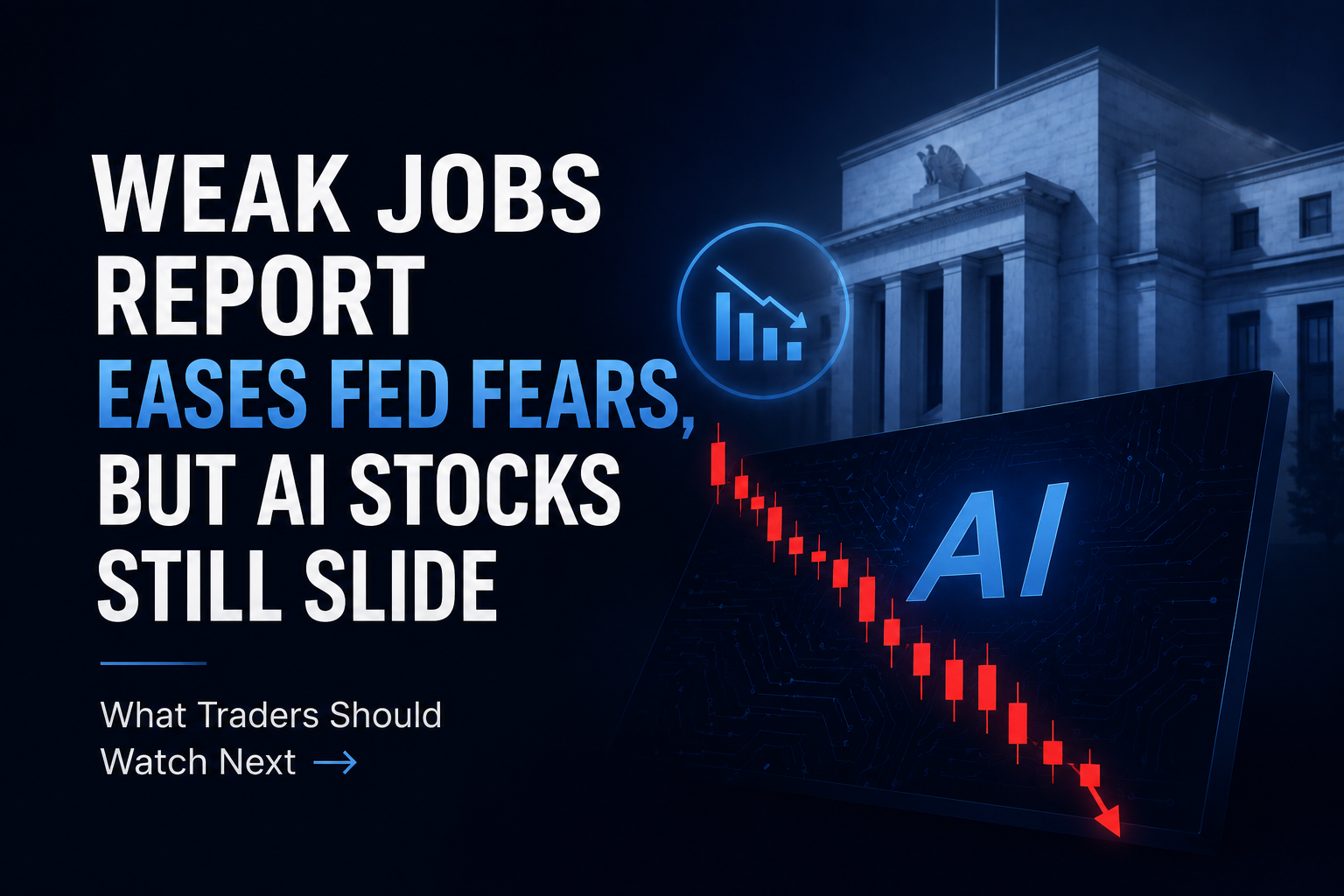
弱い雇用統計がFRBの懸念を和らげるも、AI関連銘柄は依然として下落:トレーダーが次に注目すべきこと

弱い雇用統計がFRBの懸念を和らげるも、AI関連銘柄は依然として下落:トレーダーが次に注目すべきこと

米国の6月の雇用統計は明確な経済の減速シグナルを示し、予想を下回り、米連邦準備制度理事会(FRB)の利上げ懸念を後退させました。 米国債利回りが低下したにもかかわらず、AIやテクノロジー銘柄は下落し、マクロ的な金利の緩和がもはや高バリュエーションのハイテク株にとって絶対的な上昇要因ではないことが証明されました。 ビットコインと金は米ドル安の恩恵を受ける位置にありますが、上昇を維持するには追加の確認

Bitget、日本市場撤退へ 12月末に未決済ポジション強制決済

Bitget、日本市場撤退へ 12月末に未決済ポジション強制決済

Bitgetが2026年8月3日に日本居住者向けサービス終了を発表。12月31日までに未決済ポジションを決済しないと強制決済されるため、資産保有者は期限までの対応が必要です。

Mastercardが最大18億ドルでBVNKを買収完了—ステーブルコインがグローバル決済の中核に参入

Mastercardが最大18億ドルでBVNKを買収完了—ステーブルコインがグローバル決済の中核に参入

2026/8/3、Mastercardは3月に取引を発表した後、ステーブルコインインフラプロバイダーのBVNKの買収を完了しました。

中央化取引所の活動が弱まる中、DEX対CEXの現物取引量比率が24%に到達

中央化取引所の活動が弱まる中、DEX対CEXの現物取引量比率が24%に到達

The Blockの現在のデータシリーズによると、2026年7月、分散型取引所(DEX)のスポット取引量と中央集権型取引所(CEX)のスポット取引量の比率は24.14%に達した。この数値は、DEXが統合スポット市場の24.14%を支配していたことを意味するものではなく、データセットに含まれるCEXの取引量に対してDEXの取引量が24.14%に相当していたことを意味する。一方、DEXのスポット取引量

関連記事

もっと見る
XRPはコインをバーンするのか?答えはイエス、ただし理由は思っているものと違います

XRPはコインをバーンするのか?答えはイエス、ただし理由は思っているものと違います

XRPを保有している方、あるいは購入を検討している方なら、「XRPのバーン」をめぐる議論を目にして、いったい何が問題になっているのか気になったことがあるはずです。短く答えるなら、XRPは確かにコインをバーンします。取引のたびにごくわずかな量が失われますが、その理由は多くの人が想像しているものとは異なります。 本記事では、XRPのバーン(焼却)メカニズムが実際にどのように機能するのか、いつ、どれだけ

XRPは上がるのか?誰も教えてくれない正直な答え

XRPは上がるのか?誰も教えてくれない正直な答え

遅かれ早かれ、ほとんどのXRP保有者が検索窓に同じ質問を打ち込みます。XRPは上がるのか、と。 この質問の正直な問題点はこうです——自信たっぷりの「イエス」と保証された目標価格で答える人は、存在しない確実性をあなたに売っているのです。 実際に存在するのは、XRPの方向性を決める短いリストであり、それらは月ごとに変わるものではありません。 本ガイドでは、それらの力、ご自身で読み解く方法、そして大幅下

XRPは1,000ドルに到達できるのか?数字が示す答えは「ノー」、その理由

XRPは1,000ドルに到達できるのか?数字が示す答えは「ノー」、その理由

暗号資産市場が上昇するたびに、同じ問いが繰り返し浮上します。XRPは1,000ドルに到達できるのでしょうか。 これは暗号資産全体でも特に検索数の多い価格目標のひとつですが、結論から言えば答えはノーです。少なくとも現在のXRPの供給量では、到底届きません。 本ガイドでは実際の計算を順を追って確認し、その理由を明確にしていきます。 1,000ドルのXRPが時価総額にどのような意味を持つのか、なぜ銀行に

XRPはSWIFTを置き換えるのか?銀行大手に挑むRippleの「14%」の賭けを読み解く

XRPはSWIFTを置き換えるのか?銀行大手に挑むRippleの「14%」の賭けを読み解く

XRPが話題になるたびに、同じ議論が繰り返されます。暗号資産は本当に、グローバル金融の基盤に挑戦できるのでしょうか。 SWIFTは数十年にわたり数兆ドル規模の資金を国境を越えて動かしてきましたが、処理は遅く、コストも高く、XRPのようなブロックチェーンベースの代替手段からの圧力を強く受けています。 本記事では誇大な期待を取り除き、実際のところを整理します。現在クロスボーダー送金でXRPを本当に使っ

MEXCに新規登録
新規登録 & 最大 10,000 USDT 先物ボーナス を獲得

MEXCコミュニティに参加する

公式Telegramチャネルから、最新の上場情報・イベント・アップデートをリアルタイムで受け取れます。

2.5万人以上のメンバー

先物

BTC/USDT
ETH/USDT
GOLD(XAU)/USDT