The UK Treasury has unveiled a comprehensive crackdown on crypto tax evasion, introducing £300 fines for individuals who refuse to share personal details with crypto service providers starting January 2026. According to a Daily Mail report, the new Crypto Asset Reporting Framework (CARF) will require holders of Bitcoin, Ethereum, Dogecoin, and other digital currencies to share their tax reference numbers with crypto platforms or face penalties. Treasury officials project the initiative will close loopholes in crypto taxation and generate up to £315 million in additional revenue by April 2030. Source: PA Archive (The Standard) Exchequer Secretary James Murray emphasized that the initiative is part of a broader strategy to eliminate tax avoidance, stating that the rules will ensure “ tax dodgers have nowhere to hide ” and the government will be able to fund essential public services through improved compliance. Both crypto users and service providers will face financial penalties for non-compliance, creating a dual-layer enforcement mechanism that holds both parties accountable for every transaction. New Compliance Framework Puts Pressure on Platforms and Users Crypto service providers operating in the UK will bear significant responsibility under the new framework, as they are required to collect and verify customer tax information before facilitating any transactions. Platforms that fail to obtain accurate tax reference numbers or provide complete transaction records to HM Revenue and Customs will face their own financial penalties, which are currently not disclosed. The reporting requirements extend beyond simple trading activities to encompass staking rewards, DeFi yield farming, NFT transactions, and any other crypto-related income generation. Non-compliant individuals face penalties of £300 per instance, while service providers risk separate fines for failing to maintain accurate records or provide the required information to tax authorities. Source: Daily Mail ( From left to right; Treasury Parliamentary Secretary Emma Reynolds, Exchequer Secretary to the Treasury James Murray, Chief Secretary to the Treasury Darren Jones, Chancellor of the Exchequer Rachel Reeves, Economic Secretary to the Treasury Tulip Siddiq, and Financial Secretary to the Treasury Spencer Livermore ) Murray also described the framework as part of a broader effort to ensure “everyone pays their fair share,” positioning the crackdown as essential for maintaining public funding for nurses, police, and other vital services. Service providers will need to adapt their onboarding processes and customer management systems to accommodate the new data collection requirements, potentially increasing operational costs that could be passed to users. Global Momentum Builds Around Crypto Tax Enforcement Britain’s move is part of a worldwide trend toward stricter cryptocurrency tax compliance, with multiple jurisdictions implementing similar reporting frameworks designed to capture previously hidden digital asset profits. The European Union’s DAC8 directive , which takes effect in 2026, will require crypto platforms across all member states to share customer transaction data with tax authorities, creating a continent-wide information exchange network. 🇪🇺 European Parliament Supports DAC8 Crypto Tax Rule by an Overwhelming Margin Lawmakers in the European Parliament have expressed support for the eighth iteration of the Directive on Administrative Cooperation (DAC8). #CryptoNews #EU https://t.co/pn02rJg4qM — Cryptonews.com (@cryptonews) September 14, 2023 Recent data from Denmark reveals the scale of the challenge facing tax authorities, with over 90% of crypto traders failing to report gains despite mandatory exchange reporting requirements implemented in 2019. Nordic countries appear particularly aggressive in their approach, with Norway estimating that roughly 88% of crypto traders omitted gains in 2023, while Denmark is now considering a 42% tax on unrealized cryptocurrency gains . Thailand has taken the opposite approach, offering a five-year personal income tax exemption on crypto capital gains for transactions conducted through licensed platforms, seeking to attract international investment and establish itself as a digital asset hub. As it stands now, some jurisdictions are tightening enforcement, while others compete for crypto capital through favorable tax treatment. These approaches, however, create both opportunities and challenges for crypto investors, who may increasingly start to consider tax implications when choosing where to trade or establish residency.The UK Treasury has unveiled a comprehensive crackdown on crypto tax evasion, introducing £300 fines for individuals who refuse to share personal details with crypto service providers starting January 2026. According to a Daily Mail report, the new Crypto Asset Reporting Framework (CARF) will require holders of Bitcoin, Ethereum, Dogecoin, and other digital currencies to share their tax reference numbers with crypto platforms or face penalties. Treasury officials project the initiative will close loopholes in crypto taxation and generate up to £315 million in additional revenue by April 2030. Source: PA Archive (The Standard) Exchequer Secretary James Murray emphasized that the initiative is part of a broader strategy to eliminate tax avoidance, stating that the rules will ensure “ tax dodgers have nowhere to hide ” and the government will be able to fund essential public services through improved compliance. Both crypto users and service providers will face financial penalties for non-compliance, creating a dual-layer enforcement mechanism that holds both parties accountable for every transaction. New Compliance Framework Puts Pressure on Platforms and Users Crypto service providers operating in the UK will bear significant responsibility under the new framework, as they are required to collect and verify customer tax information before facilitating any transactions. Platforms that fail to obtain accurate tax reference numbers or provide complete transaction records to HM Revenue and Customs will face their own financial penalties, which are currently not disclosed. The reporting requirements extend beyond simple trading activities to encompass staking rewards, DeFi yield farming, NFT transactions, and any other crypto-related income generation. Non-compliant individuals face penalties of £300 per instance, while service providers risk separate fines for failing to maintain accurate records or provide the required information to tax authorities. Source: Daily Mail ( From left to right; Treasury Parliamentary Secretary Emma Reynolds, Exchequer Secretary to the Treasury James Murray, Chief Secretary to the Treasury Darren Jones, Chancellor of the Exchequer Rachel Reeves, Economic Secretary to the Treasury Tulip Siddiq, and Financial Secretary to the Treasury Spencer Livermore ) Murray also described the framework as part of a broader effort to ensure “everyone pays their fair share,” positioning the crackdown as essential for maintaining public funding for nurses, police, and other vital services. Service providers will need to adapt their onboarding processes and customer management systems to accommodate the new data collection requirements, potentially increasing operational costs that could be passed to users. Global Momentum Builds Around Crypto Tax Enforcement Britain’s move is part of a worldwide trend toward stricter cryptocurrency tax compliance, with multiple jurisdictions implementing similar reporting frameworks designed to capture previously hidden digital asset profits. The European Union’s DAC8 directive , which takes effect in 2026, will require crypto platforms across all member states to share customer transaction data with tax authorities, creating a continent-wide information exchange network. 🇪🇺 European Parliament Supports DAC8 Crypto Tax Rule by an Overwhelming Margin Lawmakers in the European Parliament have expressed support for the eighth iteration of the Directive on Administrative Cooperation (DAC8). #CryptoNews #EU https://t.co/pn02rJg4qM — Cryptonews.com (@cryptonews) September 14, 2023 Recent data from Denmark reveals the scale of the challenge facing tax authorities, with over 90% of crypto traders failing to report gains despite mandatory exchange reporting requirements implemented in 2019. Nordic countries appear particularly aggressive in their approach, with Norway estimating that roughly 88% of crypto traders omitted gains in 2023, while Denmark is now considering a 42% tax on unrealized cryptocurrency gains . Thailand has taken the opposite approach, offering a five-year personal income tax exemption on crypto capital gains for transactions conducted through licensed platforms, seeking to attract international investment and establish itself as a digital asset hub. As it stands now, some jurisdictions are tightening enforcement, while others compete for crypto capital through favorable tax treatment. These approaches, however, create both opportunities and challenges for crypto investors, who may increasingly start to consider tax implications when choosing where to trade or establish residency.

UK Treasury Targets Crypto Tax Evaders with £300 Fines Starting January 2026

2025/07/07 20:48
4분 읽기
이 콘텐츠에 대한 의견이나 우려 사항이 있으시면 [email protected]으로 연락주시기 바랍니다

The UK Treasury has unveiled a comprehensive crackdown on crypto tax evasion, introducing £300 fines for individuals who refuse to share personal details with crypto service providers starting January 2026.

According to a Daily Mail report, the new Crypto Asset Reporting Framework (CARF) will require holders of Bitcoin, Ethereum, Dogecoin, and other digital currencies to share their tax reference numbers with crypto platforms or face penalties.

Treasury officials project the initiative will close loopholes in crypto taxation and generate up to £315 million in additional revenue by April 2030.
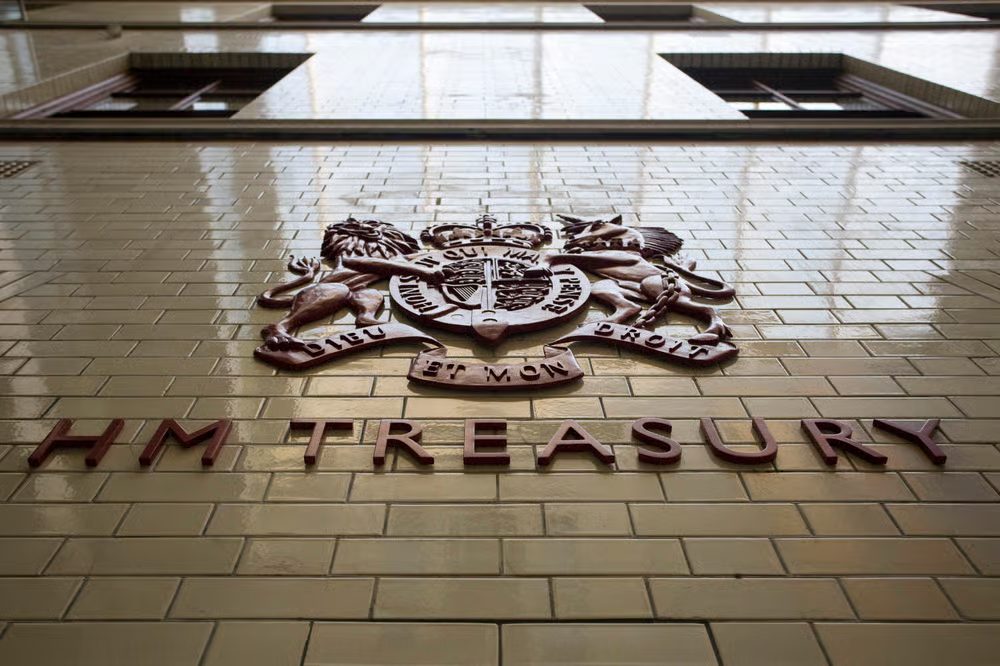
Source: PA Archive (The Standard)

Exchequer Secretary James Murray emphasized that the initiative is part of a broader strategy to eliminate tax avoidance, stating that the rules will ensure “tax dodgers have nowhere to hide” and the government will be able to fund essential public services through improved compliance.

Both crypto users and service providers will face financial penalties for non-compliance, creating a dual-layer enforcement mechanism that holds both parties accountable for every transaction.

New Compliance Framework Puts Pressure on Platforms and Users

Crypto service providers operating in the UK will bear significant responsibility under the new framework, as they are required to collect and verify customer tax information before facilitating any transactions.

Platforms that fail to obtain accurate tax reference numbers or provide complete transaction records to HM Revenue and Customs will face their own financial penalties, which are currently not disclosed.

The reporting requirements extend beyond simple trading activities to encompass staking rewards, DeFi yield farming, NFT transactions, and any other crypto-related income generation.

Non-compliant individuals face penalties of £300 per instance, while service providers risk separate fines for failing to maintain accurate records or provide the required information to tax authorities.

Source: Daily Mail (From left to right; Treasury Parliamentary Secretary Emma Reynolds, Exchequer Secretary to the Treasury James Murray, Chief Secretary to the Treasury Darren Jones, Chancellor of the Exchequer Rachel Reeves, Economic Secretary to the Treasury Tulip Siddiq, and Financial Secretary to the Treasury Spencer Livermore)

Murray also described the framework as part of a broader effort to ensure “everyone pays their fair share,” positioning the crackdown as essential for maintaining public funding for nurses, police, and other vital services.

Service providers will need to adapt their onboarding processes and customer management systems to accommodate the new data collection requirements, potentially increasing operational costs that could be passed to users.

Global Momentum Builds Around Crypto Tax Enforcement

Britain’s move is part of a worldwide trend toward stricter cryptocurrency tax compliance, with multiple jurisdictions implementing similar reporting frameworks designed to capture previously hidden digital asset profits.

The European Union’s DAC8 directive, which takes effect in 2026, will require crypto platforms across all member states to share customer transaction data with tax authorities, creating a continent-wide information exchange network.

Recent data from Denmark reveals the scale of the challenge facing tax authorities, with over 90% of crypto traders failing to report gains despite mandatory exchange reporting requirements implemented in 2019.

Nordic countries appear particularly aggressive in their approach, with Norway estimating that roughly 88% of crypto traders omitted gains in 2023, while Denmark is now considering a 42% tax on unrealized cryptocurrency gains.

Thailand has taken the opposite approach, offering a five-year personal income tax exemption on crypto capital gains for transactions conducted through licensed platforms, seeking to attract international investment and establish itself as a digital asset hub.

As it stands now, some jurisdictions are tightening enforcement, while others compete for crypto capital through favorable tax treatment.

These approaches, however, create both opportunities and challenges for crypto investors, who may increasingly start to consider tax implications when choosing where to trade or establish residency.


시장 기회
스레숄드 로고
스레숄드 가격(T)
$0.005504
$0.005504$0.005504
-2.35%
USD
스레숄드 (T) 실시간 가격 차트
면책 조항: 본 사이트에 재게시된 글들은 공개 플랫폼에서 가져온 것으로 정보 제공 목적으로만 제공됩니다. 이는 반드시 MEXC의 견해를 반영하는 것은 아닙니다. 모든 권리는 원저자에게 있습니다. 제3자의 권리를 침해하는 콘텐츠가 있다고 판단될 경우, [email protected]으로 연락하여 삭제 요청을 해주시기 바랍니다. MEXC는 콘텐츠의 정확성, 완전성 또는 시의적절성에 대해 어떠한 보증도 하지 않으며, 제공된 정보에 기반하여 취해진 어떠한 조치에 대해서도 책임을 지지 않습니다. 본 콘텐츠는 금융, 법률 또는 기타 전문적인 조언을 구성하지 않으며, MEXC의 추천이나 보증으로 간주되어서는 안 됩니다.

추천 콘텐츠

PMI-ACP Exam Preparation: How to Use a Simulator and Practice Questions Effectively

PMI-ACP Exam Preparation: How to Use a Simulator and Practice Questions Effectively

Understanding the PMI-ACP Exam Structure The PMI-ACP exam is designed to evaluate how well candidates apply agile principles in real-world project environments
공유하기
Techbullion2026/04/02 18:32
Kelp DAO to Halt rsETH Bridging on 20 Networks After June 15

Kelp DAO to Halt rsETH Bridging on 20 Networks After June 15

BitcoinWorld Kelp DAO to Halt rsETH Bridging on 20 Networks After June 15 Kelp DAO, the liquid restaking protocol previously impacted by a $292 million security

공유하기
Bitcoin World2026/05/18 10:05
Franklin Templeton CEO Dismisses 50bps Rate Cut Ahead FOMC

Franklin Templeton CEO Dismisses 50bps Rate Cut Ahead FOMC

The post Franklin Templeton CEO Dismisses 50bps Rate Cut Ahead FOMC appeared on BitcoinEthereumNews.com. Franklin Templeton CEO Jenny Johnson has weighed in on whether the Federal Reserve should make a 25 basis points (bps) Fed rate cut or 50 bps cut. This comes ahead of the Fed decision today at today’s FOMC meeting, with the market pricing in a 25 bps cut. Bitcoin and the broader crypto market are currently trading flat ahead of the rate cut decision. Franklin Templeton CEO Weighs In On Potential FOMC Decision In a CNBC interview, Jenny Johnson said that she expects the Fed to make a 25 bps cut today instead of a 50 bps cut. She acknowledged the jobs data, which suggested that the labor market is weakening. However, she noted that this data is backward-looking, indicating that it doesn’t show the current state of the economy. She alluded to the wage growth, which she remarked is an indication of a robust labor market. She added that retail sales are up and that consumers are still spending, despite inflation being sticky at 3%, which makes a case for why the FOMC should opt against a 50-basis-point Fed rate cut. In line with this, the Franklin Templeton CEO said that she would go with a 25 bps rate cut if she were Jerome Powell. She remarked that the Fed still has the October and December FOMC meetings to make further cuts if the incoming data warrants it. Johnson also asserted that the data show a robust economy. However, she noted that there can’t be an argument for no Fed rate cut since Powell already signaled at Jackson Hole that they were likely to lower interest rates at this meeting due to concerns over a weakening labor market. Notably, her comment comes as experts argue for both sides on why the Fed should make a 25 bps cut or…
공유하기
BitcoinEthereumNews2025/09/18 00:36

No Chart Skills? Still Profit

No Chart Skills? Still ProfitNo Chart Skills? Still Profit

Copy top traders in 3s with auto trading!

