Is Quantum Computing About to Break Bitcoin? CoinShares Says Not So Fast
CoinShares has addressed growing concerns around quantum computing and Bitcoin security. According to its latest analysis, the risk is manageable, not an immediate crisis. The report acknowledges theoretical vulnerabilities. It references Shor’s algorithm, which could break ECDSA and Schnorr signatures under ideal conditions. However, CoinShares emphasizes practicality. Current quantum hardware remains far from capable. As a result, real-world attacks are still decades away, not years.
Only a Small Portion of Bitcoin Is Technically Exposed
The report highlights a key distinction. Not all Bitcoin is equally vulnerable. Approximately 1.6 million BTC, or about 8% of total supply, resides in legacy P2PK addresses. These older address types expose public keys on-chain. That exposure creates theoretical risk. However, the majority of Bitcoin uses modern address formats. These remain secure under current cryptographic standards. This significantly limits the scope of any future quantum threat.
Market Impact Would Be Highly Limited Even in a Worst Case
CoinShares further narrowed the risk. Of the vulnerable BTC, only 10,200 BTC sits in large UTXOs. These are the only holdings that could realistically impact markets if compromised. The remaining BTC is spread across 32,607 smaller addresses. Even with advanced quantum machines, cracking them individually would take thousands of years. This fragmentation acts as a natural defense. It dramatically reduces systemic risk.
Broader Industry Consensus Supports Low-Imminence View
CoinShares is not alone. Benchmark and Galaxy Digital released similar analyses in 2026. Both concluded that quantum threats remain theoretical for now. Hardware requirements remain extreme. Stable qubit counts are insufficient. Error correction challenges persist. Together, these constraints push real-world risk far into the future. This growing consensus helps calm fears driven by sensational headlines.
Experts Still Warn Against Complacency
Despite the reassuring outlook, caution remains. Analysts like Jamie Coutts emphasize coordination risks. Bitcoin is decentralized. Upgrades require global consensus. Delayed action could create future bottlenecks. As a result, experts recommend proactive adoption of post-quantum cryptography. Preparing early reduces long-term risk. It also avoids rushed decisions under pressure.
What This Means for Bitcoin’s Long-Term Security
For now, Bitcoin remains secure. Quantum computing does not pose an immediate existential threat. Markets face far greater short-term risks elsewhere. Still, the discussion matters. It reflects Bitcoin’s maturity. Long-term planning is becoming essential. By addressing quantum risk early, the network can evolve smoothly. In that sense, the real takeaway is clear. Bitcoin has time—but not an excuse to ignore the future.
The post Is Quantum Computing About to Break Bitcoin? CoinShares Says Not So Fast appeared first on Coinfomania.


You May Also Like

What a $900 Investment in New Crypto Protocols Could Become by Late 2027
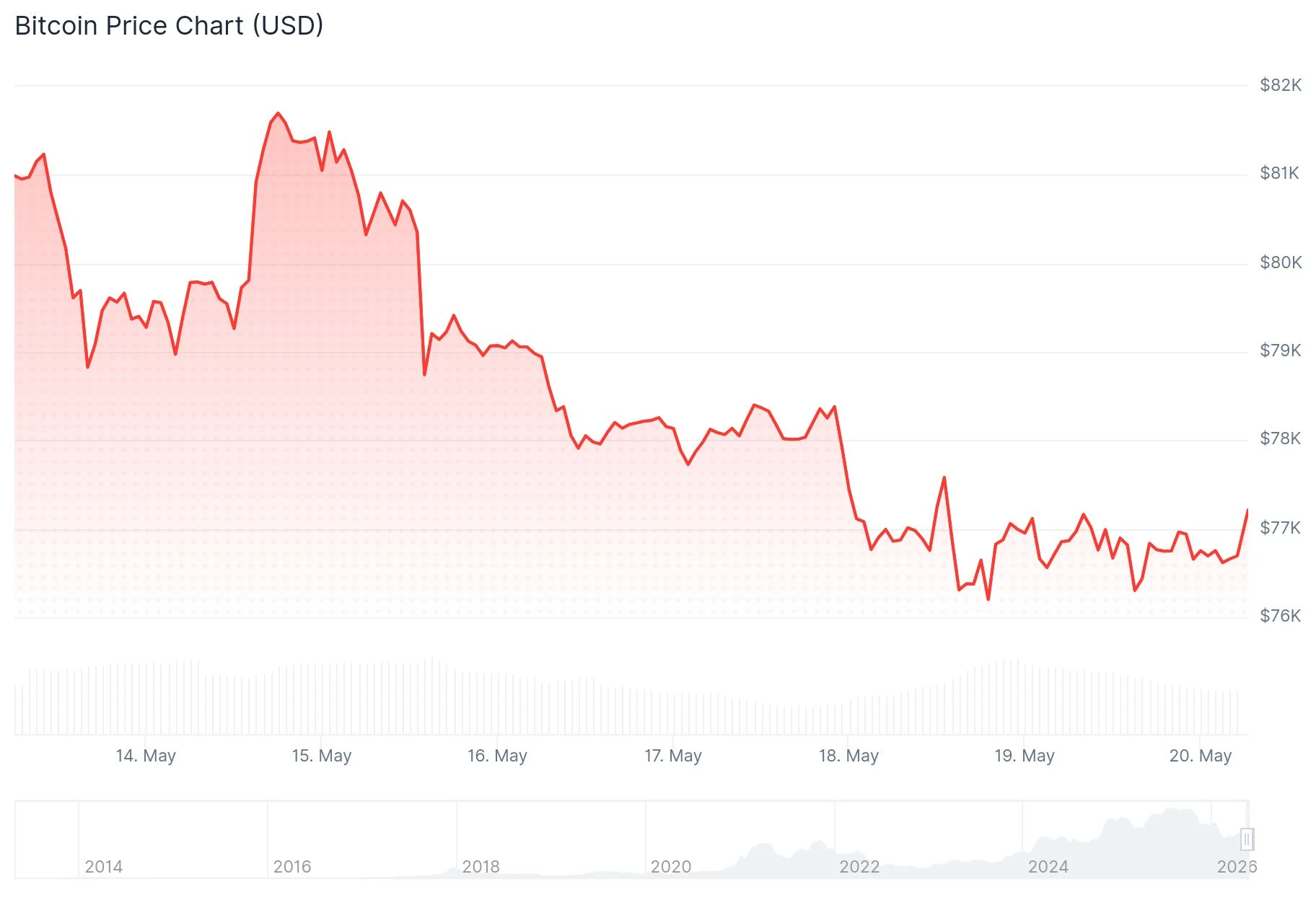
Bitcoin (BTC) Hovers Above $77K Amid Iran Diplomacy and Rising Treasury Yields