BitcoinWorld Circle Gateway Unlocks Seamless Cross-Chain Liquidity The world of decentralized finance (DeFi) constantly seeks more efficiency and interconnectedness. A significant step forward recently emerged with Circle’s announcement regarding its Circle Gateway service. This innovation promises to revolutionize how users manage digital assets across various blockchain networks, offering a truly seamless experience. Circle Gateway’s Expanding Horizon Circle, a prominent player in the crypto space, shared exciting news on X: its Circle Gateway service is now live on multiple major mainnets. This expansion marks a pivotal moment for cross-chain operations, aiming to simplify the often complex process of moving liquidity between different blockchains. Initially designed to streamline liquidity management, the service now supports a growing list of popular networks. This includes: Ethereum Arbitrum Avalanche Base Optimism Polygon Unichain This broad support significantly enhances the utility of Circle Gateway for a wide range of users and developers. Why is Unified Liquidity with Circle Gateway a Game Changer? Historically, managing assets across different blockchains presented significant hurdles. Users often faced fragmented liquidity, requiring multiple wallets, complex bridging solutions, and increased transaction fees. The expansion of Circle Gateway directly addresses these challenges. The core benefit lies in its ability to manage cross-chain liquidity through a single, unified balance. Imagine having your digital assets accessible and transferable across various networks without the usual friction. This means: Enhanced Efficiency: Quicker asset transfers and reduced operational complexity. Lower Costs: Potentially fewer transaction fees associated with bridging. Simplified User Experience: A more intuitive way to interact with diverse DeFi protocols. Increased Capital Efficiency: Capital can be deployed more effectively across ecosystems. This streamlined approach makes interacting with the multi-chain world much more accessible for everyone, from individual traders to large institutions leveraging Circle Gateway. Understanding the Mechanism: How Does Circle Gateway Work? At its heart, Circle Gateway functions by allowing users to manage a single pool of liquidity that can be seamlessly deployed across the supported mainnets. Instead of needing separate balances on each chain, users interact with a unified interface. This infrastructure abstracts away the underlying complexities of cross-chain transfers. It essentially acts as a central hub, enabling developers and businesses to build applications that can access liquidity from various chains without needing to manage individual chain-specific balances. This technical innovation underpins the “single balance” promise of Circle Gateway. Impact on the Decentralized Ecosystem The broader implications of this expansion are substantial. For decentralized applications (dApps), Circle Gateway can unlock new possibilities. Developers can design applications that are truly multi-chain, drawing liquidity and users from across different ecosystems without being confined to a single network. For the average crypto user, it means a less intimidating and more fluid experience. They can participate in different DeFi opportunities on Ethereum, then easily move assets to a faster, cheaper Layer 2 like Arbitrum or Optimism, all powered by the convenience of Circle Gateway. This fosters greater interoperability and could accelerate the adoption of blockchain technology. The Future of Cross-Chain Interoperability with Circle Gateway Circle’s move with Circle Gateway is a clear indicator of the industry’s direction: towards a more interconnected and user-friendly blockchain landscape. As more mainnets and Layer 2 solutions emerge, the need for robust cross-chain infrastructure becomes paramount. This expansion sets a precedent for how liquidity can be managed efficiently in a multi-chain future. We can anticipate further integrations and enhancements to Circle Gateway, solidifying its role as a critical piece of the Web3 puzzle. This development truly empowers users and developers alike. In conclusion, Circle’s significant expansion of its Circle Gateway service to include multiple mainnets like Ethereum, Arbitrum, and Polygon is a transformative step for the crypto ecosystem. By enabling the management of cross-chain liquidity through a single balance, Circle is paving the way for a more integrated, efficient, and user-friendly decentralized future. This innovation simplifies complex operations, reduces friction, and ultimately enhances the accessibility and utility of digital assets across the blockchain landscape. It’s an exciting time for anyone involved in the world of crypto. Frequently Asked Questions (FAQs) What is Circle Gateway? Circle Gateway is an infrastructure service developed by Circle that allows for the management of cross-chain liquidity through a single balance, simplifying asset transfers across different blockchain networks. Which mainnets does Circle Gateway now support? As of the recent announcement, Circle Gateway supports Arbitrum, Avalanche, Base, Ethereum, Optimism, Polygon, and Unichain. How does Circle Gateway benefit users? It benefits users by offering enhanced efficiency, potentially lower costs, a simplified user experience, and increased capital efficiency when managing assets across multiple blockchain networks. Is Circle Gateway suitable for developers? Yes, Circle Gateway is highly beneficial for developers as it enables them to build truly multi-chain decentralized applications (dApps) that can access liquidity and users from various ecosystems without managing individual chain-specific balances. What is “cross-chain liquidity”? Cross-chain liquidity refers to the ability to easily move and utilize digital assets across different independent blockchain networks, overcoming the traditional barriers of isolated ecosystems. Did you find this article insightful? Share it with your friends and fellow crypto enthusiasts on social media! Let’s spread the word about how Circle Gateway is simplifying the multi-chain world and fostering greater interoperability. To learn more about the latest crypto market trends, explore our article on key developments shaping cross-chain solutions and DeFi adoption. This post Circle Gateway Unlocks Seamless Cross-Chain Liquidity first appeared on BitcoinWorld and is written by Editorial TeamBitcoinWorld Circle Gateway Unlocks Seamless Cross-Chain Liquidity The world of decentralized finance (DeFi) constantly seeks more efficiency and interconnectedness. A significant step forward recently emerged with Circle’s announcement regarding its Circle Gateway service. This innovation promises to revolutionize how users manage digital assets across various blockchain networks, offering a truly seamless experience. Circle Gateway’s Expanding Horizon Circle, a prominent player in the crypto space, shared exciting news on X: its Circle Gateway service is now live on multiple major mainnets. This expansion marks a pivotal moment for cross-chain operations, aiming to simplify the often complex process of moving liquidity between different blockchains. Initially designed to streamline liquidity management, the service now supports a growing list of popular networks. This includes: Ethereum Arbitrum Avalanche Base Optimism Polygon Unichain This broad support significantly enhances the utility of Circle Gateway for a wide range of users and developers. Why is Unified Liquidity with Circle Gateway a Game Changer? Historically, managing assets across different blockchains presented significant hurdles. Users often faced fragmented liquidity, requiring multiple wallets, complex bridging solutions, and increased transaction fees. The expansion of Circle Gateway directly addresses these challenges. The core benefit lies in its ability to manage cross-chain liquidity through a single, unified balance. Imagine having your digital assets accessible and transferable across various networks without the usual friction. This means: Enhanced Efficiency: Quicker asset transfers and reduced operational complexity. Lower Costs: Potentially fewer transaction fees associated with bridging. Simplified User Experience: A more intuitive way to interact with diverse DeFi protocols. Increased Capital Efficiency: Capital can be deployed more effectively across ecosystems. This streamlined approach makes interacting with the multi-chain world much more accessible for everyone, from individual traders to large institutions leveraging Circle Gateway. Understanding the Mechanism: How Does Circle Gateway Work? At its heart, Circle Gateway functions by allowing users to manage a single pool of liquidity that can be seamlessly deployed across the supported mainnets. Instead of needing separate balances on each chain, users interact with a unified interface. This infrastructure abstracts away the underlying complexities of cross-chain transfers. It essentially acts as a central hub, enabling developers and businesses to build applications that can access liquidity from various chains without needing to manage individual chain-specific balances. This technical innovation underpins the “single balance” promise of Circle Gateway. Impact on the Decentralized Ecosystem The broader implications of this expansion are substantial. For decentralized applications (dApps), Circle Gateway can unlock new possibilities. Developers can design applications that are truly multi-chain, drawing liquidity and users from across different ecosystems without being confined to a single network. For the average crypto user, it means a less intimidating and more fluid experience. They can participate in different DeFi opportunities on Ethereum, then easily move assets to a faster, cheaper Layer 2 like Arbitrum or Optimism, all powered by the convenience of Circle Gateway. This fosters greater interoperability and could accelerate the adoption of blockchain technology. The Future of Cross-Chain Interoperability with Circle Gateway Circle’s move with Circle Gateway is a clear indicator of the industry’s direction: towards a more interconnected and user-friendly blockchain landscape. As more mainnets and Layer 2 solutions emerge, the need for robust cross-chain infrastructure becomes paramount. This expansion sets a precedent for how liquidity can be managed efficiently in a multi-chain future. We can anticipate further integrations and enhancements to Circle Gateway, solidifying its role as a critical piece of the Web3 puzzle. This development truly empowers users and developers alike. In conclusion, Circle’s significant expansion of its Circle Gateway service to include multiple mainnets like Ethereum, Arbitrum, and Polygon is a transformative step for the crypto ecosystem. By enabling the management of cross-chain liquidity through a single balance, Circle is paving the way for a more integrated, efficient, and user-friendly decentralized future. This innovation simplifies complex operations, reduces friction, and ultimately enhances the accessibility and utility of digital assets across the blockchain landscape. It’s an exciting time for anyone involved in the world of crypto. Frequently Asked Questions (FAQs) What is Circle Gateway? Circle Gateway is an infrastructure service developed by Circle that allows for the management of cross-chain liquidity through a single balance, simplifying asset transfers across different blockchain networks. Which mainnets does Circle Gateway now support? As of the recent announcement, Circle Gateway supports Arbitrum, Avalanche, Base, Ethereum, Optimism, Polygon, and Unichain. How does Circle Gateway benefit users? It benefits users by offering enhanced efficiency, potentially lower costs, a simplified user experience, and increased capital efficiency when managing assets across multiple blockchain networks. Is Circle Gateway suitable for developers? Yes, Circle Gateway is highly beneficial for developers as it enables them to build truly multi-chain decentralized applications (dApps) that can access liquidity and users from various ecosystems without managing individual chain-specific balances. What is “cross-chain liquidity”? Cross-chain liquidity refers to the ability to easily move and utilize digital assets across different independent blockchain networks, overcoming the traditional barriers of isolated ecosystems. Did you find this article insightful? Share it with your friends and fellow crypto enthusiasts on social media! Let’s spread the word about how Circle Gateway is simplifying the multi-chain world and fostering greater interoperability. To learn more about the latest crypto market trends, explore our article on key developments shaping cross-chain solutions and DeFi adoption. This post Circle Gateway Unlocks Seamless Cross-Chain Liquidity first appeared on BitcoinWorld and is written by Editorial Team


Circle Gateway Unlocks Seamless Cross-Chain Liquidity

2025/08/19 22:10
5 min read
For feedback or concerns regarding this content, please contact us at [email protected]

BitcoinWorld

Circle Gateway Unlocks Seamless Cross-Chain Liquidity

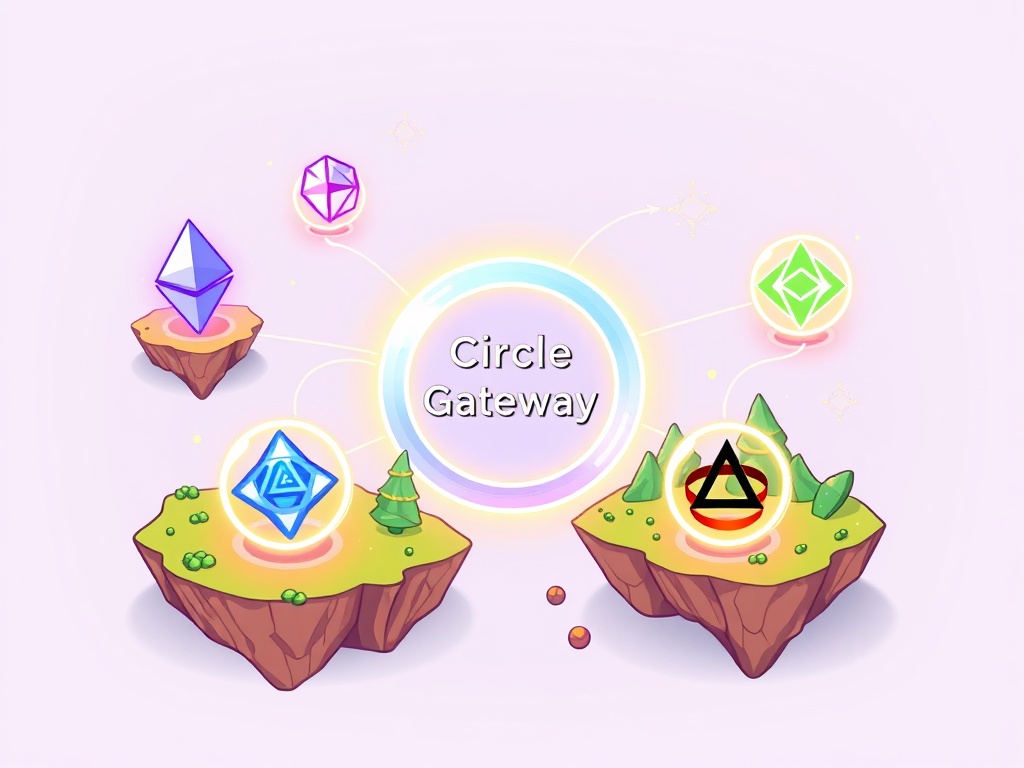
The world of decentralized finance (DeFi) constantly seeks more efficiency and interconnectedness. A significant step forward recently emerged with Circle’s announcement regarding its Circle Gateway service. This innovation promises to revolutionize how users manage digital assets across various blockchain networks, offering a truly seamless experience.

Circle Gateway’s Expanding Horizon

Circle, a prominent player in the crypto space, shared exciting news on X: its Circle Gateway service is now live on multiple major mainnets. This expansion marks a pivotal moment for cross-chain operations, aiming to simplify the often complex process of moving liquidity between different blockchains.

Initially designed to streamline liquidity management, the service now supports a growing list of popular networks. This includes:

  • Ethereum
  • Arbitrum
  • Avalanche
  • Base
  • Optimism
  • Polygon
  • Unichain

This broad support significantly enhances the utility of Circle Gateway for a wide range of users and developers.

Why is Unified Liquidity with Circle Gateway a Game Changer?

Historically, managing assets across different blockchains presented significant hurdles. Users often faced fragmented liquidity, requiring multiple wallets, complex bridging solutions, and increased transaction fees. The expansion of Circle Gateway directly addresses these challenges.

The core benefit lies in its ability to manage cross-chain liquidity through a single, unified balance. Imagine having your digital assets accessible and transferable across various networks without the usual friction. This means:

  • Enhanced Efficiency: Quicker asset transfers and reduced operational complexity.
  • Lower Costs: Potentially fewer transaction fees associated with bridging.
  • Simplified User Experience: A more intuitive way to interact with diverse DeFi protocols.
  • Increased Capital Efficiency: Capital can be deployed more effectively across ecosystems.

This streamlined approach makes interacting with the multi-chain world much more accessible for everyone, from individual traders to large institutions leveraging Circle Gateway.

Understanding the Mechanism: How Does Circle Gateway Work?

At its heart, Circle Gateway functions by allowing users to manage a single pool of liquidity that can be seamlessly deployed across the supported mainnets. Instead of needing separate balances on each chain, users interact with a unified interface.

This infrastructure abstracts away the underlying complexities of cross-chain transfers. It essentially acts as a central hub, enabling developers and businesses to build applications that can access liquidity from various chains without needing to manage individual chain-specific balances. This technical innovation underpins the “single balance” promise of Circle Gateway.

Impact on the Decentralized Ecosystem

The broader implications of this expansion are substantial. For decentralized applications (dApps), Circle Gateway can unlock new possibilities. Developers can design applications that are truly multi-chain, drawing liquidity and users from across different ecosystems without being confined to a single network.

For the average crypto user, it means a less intimidating and more fluid experience. They can participate in different DeFi opportunities on Ethereum, then easily move assets to a faster, cheaper Layer 2 like Arbitrum or Optimism, all powered by the convenience of Circle Gateway. This fosters greater interoperability and could accelerate the adoption of blockchain technology.

The Future of Cross-Chain Interoperability with Circle Gateway

Circle’s move with Circle Gateway is a clear indicator of the industry’s direction: towards a more interconnected and user-friendly blockchain landscape. As more mainnets and Layer 2 solutions emerge, the need for robust cross-chain infrastructure becomes paramount.

This expansion sets a precedent for how liquidity can be managed efficiently in a multi-chain future. We can anticipate further integrations and enhancements to Circle Gateway, solidifying its role as a critical piece of the Web3 puzzle. This development truly empowers users and developers alike.

In conclusion, Circle’s significant expansion of its Circle Gateway service to include multiple mainnets like Ethereum, Arbitrum, and Polygon is a transformative step for the crypto ecosystem. By enabling the management of cross-chain liquidity through a single balance, Circle is paving the way for a more integrated, efficient, and user-friendly decentralized future. This innovation simplifies complex operations, reduces friction, and ultimately enhances the accessibility and utility of digital assets across the blockchain landscape. It’s an exciting time for anyone involved in the world of crypto.

Frequently Asked Questions (FAQs)

What is Circle Gateway?

Circle Gateway is an infrastructure service developed by Circle that allows for the management of cross-chain liquidity through a single balance, simplifying asset transfers across different blockchain networks.

Which mainnets does Circle Gateway now support?

As of the recent announcement, Circle Gateway supports Arbitrum, Avalanche, Base, Ethereum, Optimism, Polygon, and Unichain.

How does Circle Gateway benefit users?

It benefits users by offering enhanced efficiency, potentially lower costs, a simplified user experience, and increased capital efficiency when managing assets across multiple blockchain networks.

Is Circle Gateway suitable for developers?

Yes, Circle Gateway is highly beneficial for developers as it enables them to build truly multi-chain decentralized applications (dApps) that can access liquidity and users from various ecosystems without managing individual chain-specific balances.

What is “cross-chain liquidity”?

Cross-chain liquidity refers to the ability to easily move and utilize digital assets across different independent blockchain networks, overcoming the traditional barriers of isolated ecosystems.

Did you find this article insightful? Share it with your friends and fellow crypto enthusiasts on social media! Let’s spread the word about how Circle Gateway is simplifying the multi-chain world and fostering greater interoperability.

To learn more about the latest crypto market trends, explore our article on key developments shaping cross-chain solutions and DeFi adoption.

This post Circle Gateway Unlocks Seamless Cross-Chain Liquidity first appeared on BitcoinWorld and is written by Editorial Team

Market Opportunity
Instadapp Logo
Instadapp Price(FLUID)
$1.5051
$1.5051$1.5051
-0.17%
USD
Instadapp (FLUID) Live Price Chart
Disclaimer: The articles reposted on this site are sourced from public platforms and are provided for informational purposes only. They do not necessarily reflect the views of MEXC. All rights remain with the original authors. If you believe any content infringes on third-party rights, please contact [email protected] for removal. MEXC makes no guarantees regarding the accuracy, completeness, or timeliness of the content and is not responsible for any actions taken based on the information provided. The content does not constitute financial, legal, or other professional advice, nor should it be considered a recommendation or endorsement by MEXC.

You May Also Like

BDACS, Woori Bank Launch South Korea’s First Won-Backed Stablecoin on Avalanche

BDACS, Woori Bank Launch South Korea’s First Won-Backed Stablecoin on Avalanche

The post BDACS, Woori Bank Launch South Korea’s First Won-Backed Stablecoin on Avalanche appeared on BitcoinEthereumNews.com. In brief Digital asset custodian BDACS has launched KRW1, South Korea’s first fully regulated won-backed stablecoin, through a partnership with Woori Bank. Each token maintains full collateralization with Korean won held in Woori Bank escrow, according to BDACS. The launch comes amid competing parliamentary bills that debate interest payments and capital requirements for stablecoin issuers. Digital asset custodian BDACS has launched KRW1, South Korea’s first fully regulated won-backed stablecoin, in partnership with Woori Bank. The announcement follows completion of a proof of concept validating technical infrastructure spanning fiat deposits, token issuance, and blockchain verification, as per a Thursday press release. Each KRW1 token maintains full collateralization through South Korean won held in escrow at Woori Bank, with real-time banking API integration providing transparent proof of reserves, according to BDACS’ statement. The company trademarked the KRW1 brand in December 2023, building infrastructure before the advent of formal regulations. KRW1 launched on the Avalanche blockchain, chosen for its “high-performance capabilities” and recognition by Korea’s Internet & Security Agency for “reliability in public-sector applications.” “The successful test pilot of KRW1 demonstrates the need for a highly-performant and reliable blockchain tailored for a regulatory-compliant stablecoin,” Justin Kim, Head of Asia at Ava Labs, said in the statement. BDACS envisions KRW1 serving remittances, payments, investments, and deposits, with public-sector deployment planned for low-cost payment and settlement systems in emergency relief disbursements. The company plans to expand KRW1 to additional blockchains and explore collaborations with global stablecoin networks, including potential partnerships with USD-backed issuers Circle and Tether, according to the press release. Stablecoins in Asia South Korean internet giant Kakao is also developing a won-pegged token through its Kaia blockchain, having registered trademarks including “KRWGlobal” and “KRWKaia” in August, Decrypt reported earlier. The launch comes as Korea’s neighbors advance their own stablecoin initiatives, with Japan’s JPYC…
Share
BitcoinEthereumNews2025/09/18 19:28
Ripple CEO Reacts to BBB Rating for Ripple Prime, Lists Three Points It Validates

Ripple CEO Reacts to BBB Rating for Ripple Prime, Lists Three Points It Validates

The post Ripple CEO Reacts to BBB Rating for Ripple Prime, Lists Three Points It Validates appeared on BitcoinEthereumNews.com. Brad Garlinghouse, CEO of Ripple
Share
BitcoinEthereumNews2026/04/03 11:28
US Dollar Index (DXY) Forecast: Critical Double Top Pattern Looms at 100.60 Resistance

US Dollar Index (DXY) Forecast: Critical Double Top Pattern Looms at 100.60 Resistance

BitcoinWorld US Dollar Index (DXY) Forecast: Critical Double Top Pattern Looms at 100.60 Resistance Financial analysts are closely monitoring the US Dollar Index
Share
bitcoinworld2026/04/03 10:35

Trade GOLD, Share 1,000,000 USDT

Trade GOLD, Share 1,000,000 USDTTrade GOLD, Share 1,000,000 USDT

0 fees, up to 1,000x leverage, deep liquidity