February Jobs Data Shock: How a 92K Employment Drop Shifts Fed Policy Outlook
TLDR
- February nonfarm payrolls dropped by 92,000, significantly worse than the anticipated 58,000-job increase
- The unemployment rate increased to 4.4%, exceeding the 4.3% projection
- Market expectations for Federal Reserve rate cuts increased following the release, with traders pricing in several potential 2026 reductions
- Escalating Middle East tensions are driving oil prices higher, compounding inflation worries
- Federal Reserve policymakers acknowledge the challenging data while urging restraint in drawing conclusions from a single report
February’s employment report delivered a significant blow to expectations, with the Bureau of Labor Statistics revealing that 92,000 positions were eliminated across the U.S. economy. This figure stands in stark contrast to analyst predictions, which had called for approximately 58,000 new jobs to be added.
The jobless rate climbed to 4.4%, surpassing both the prior month’s 4.3% reading and Wall Street forecasts. This marks just the second time monthly employment has contracted since the pandemic-driven collapse of 2020.
Harsh winter conditions significantly impacted construction sector hiring throughout February. Additionally, a labor action involving Kaiser healthcare employees resulted in approximately 28,000 healthcare positions being subtracted from the monthly tally.
Previous employment data also underwent downward adjustments. December 2025’s initially reported 48,000-job gain was revised to show a 17,000-job loss instead. January’s numbers dropped from 130,000 to 126,000 new positions, erasing roughly 69,000 jobs from earlier estimates.
Financial markets responded swiftly to the disappointing figures. CME FedWatch data indicates March rate cut probability jumped from 2% to 4.7% following the announcement.
Prediction platforms also registered notable movement. Kalshi data reveals traders currently assign a 26% probability to exactly one rate reduction in 2026, 22% odds for two cuts, and 17% likelihood of maintaining current rates throughout the year.
Fed Officials Weigh In
Mary Daly, President of the San Francisco Federal Reserve, indicated the employment figures introduce additional challenges for upcoming policy determinations. While recognizing labor market softness, she cautioned against overinterpreting data from any single reporting period.
Daly emphasized that inflation continues running above the Fed’s 2% objective, necessitating careful policy considerations. She referenced the three rate reductions implemented in late 2025, totaling 75 basis points, as measures intended to support employment.
Neel Kashkari, Minneapolis Fed President, suggested one or two rate reductions could be warranted this year should inflation moderate. He characterized employment conditions as “steady to soft” while noting Middle East developments might warrant holding rates steady.
Retail spending figures reinforced concerns about economic momentum. Commerce Department data showed January retail sales declined 0.2%, with seven of thirteen tracked categories posting decreases.
Oil Prices Add to Inflation Pressure
Tensions between the United States and Iran have disrupted commercial shipping through the Strait of Hormuz. Extended transit routes and elevated insurance premiums are driving freight costs upward.
Brent crude oil prices pushed beyond $80 per barrel. West Texas Intermediate experienced similar increases. Qatar halted LNG shipments for the first time in three decades, potentially creating opportunities for American energy producers.
BitMEX co-founder Arthur Hayes contended that sustained Middle East instability could compel the Fed toward accommodative monetary policy, pointing to past examples.
The Federal Reserve now confronts the challenge of addressing employment weakness while inflation persists above target levels, complicated by energy price pressures stemming from geopolitical instability.
The post February Jobs Data Shock: How a 92K Employment Drop Shifts Fed Policy Outlook appeared first on Blockonomi.


You May Also Like

What a $900 Investment in New Crypto Protocols Could Become by Late 2027
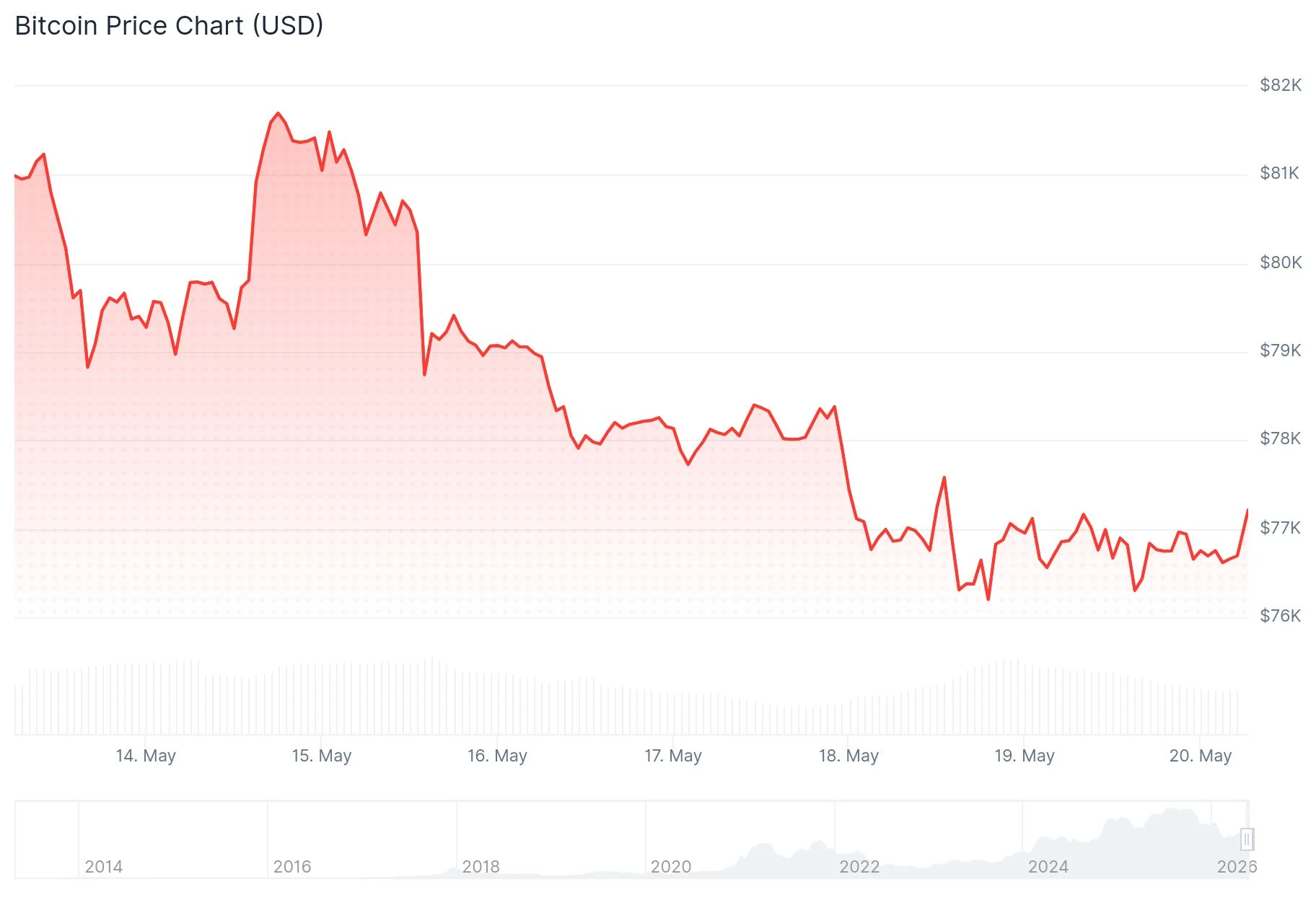
Bitcoin (BTC) Hovers Above $77K Amid Iran Diplomacy and Rising Treasury Yields