Dapp
Dapps are digital applications that run on a P2P network of computers rather than a single server, typically utilizing smart contracts to ensure transparency and uptime. In 2026, Dapps have achieved mass-market appeal through Account Abstraction, allowing for a "Web2-like" user experience with the security of Web3. This tag covers the entire ecosystem of decentralized software—from social media and productivity tools to governance platforms and identity management.




DoS Protection: Safeguarding Your Contract’s Availability
Denial of Service (DoS) attacks pose a critical threat to decentralized applications (dApps). These attacks are not designed to steal funds, but rather to cripple a program’s functionality, making it unusable or inaccessible for legitimate users. This disruption can prevent crucial operations from executing, block user interactions, and severely erode trust in the application. Such incidents effectively “shut down” access, even if underlying assets remain secure. This section will detail common DoS attack methods found in smart contracts and, more importantly, provide robust strategies to defend against them, ensuring your dApps remain resilient and consistently available.
Get Total Count: First, call getTotalRegisteredUsersCount() to know how many users there are in total.
Calculate Pages: Based on the total count, decide how many items to display per page (e.g., 10 or 20).
Fetch Pages: Make repeated calls to getPaginatedRegisteredUsers(startIndex, count) as the user navigates through pages. For instance, to get the first 10 users, it would call getPaginatedRegisteredUsers(0, 10); for the next 10, it would call getPaginatedRegisteredUsers(10, 10), and so on.
This way, no single transaction tries to fetch all data at once, keeping gas costs manageable and preventing DoS attacks due to excessive computation.
2. Guard Against Unexpected Reverts (External Call DoS)
If your contract’s logic depends on the successful execution of an external call (e.g., sending Ether to an address), and that external call can be made to revert by a malicious actor, it can cause a DoS.
Vulnerable Example (Auction Refund): Imagine an auction contract that automatically refunds the previous highest bidder when a new higher bid comes in. If the previous highest bidder is a malicious contract that always reverts when it receives Ether, the bid function would always fail, preventing anyone else from bidding.
// VULNERABLE: DoS via external call revert address public highestBidder; uint256 public highestBid; function bid() public payable { require(msg.value > highestBid, "Bid must be higher"); if (highestBidder != address(0)) { // If highestBidder is a malicious contract that always reverts on Ether receipt, // this transfer will fail, causing the entire bid function to revert. payable(highestBidder).transfer(highestBid); // Or .send() or .call() } highestBidder = msg.sender; highestBid = msg.value; }
Solution: Pull Payment Pattern (as shown above): By using a pull payment system, the contract doesn’t force a transfer to potentially malicious addresses. Users must explicitly call a withdraw function, isolating the failure to their own transaction if they are a malicious contract.
Scenario: An attacker sees your transaction to buy a rare NFT in the public mempool. They then submit a similar transaction with a higher gas price, ensuring their transaction is mined first, effectively “stealing” the NFT.
Mitigation:
Commit-Reveal Schemes: For sensitive operations like auctions or votes, users first commit a hashed version of their action, and only later reveal the actual action. This prevents others from knowing their intent beforehand.
Time Delays: Implement delays so that sensitive actions can only be executed after a certain number of blocks, giving time for others to react if they see a front-running attempt.
Using a Decentralized Sequencer/Relayer: In some Layer 2 solutions, transactions are ordered by a centralized or decentralized sequencer, which can help mitigate front-running risks.
Solution: Checks-Effects-Interactions Pattern: Always update the contract’s state before making any external calls.
// Protected with Checks-Effects-Interactions function withdrawSafely() public { uint256 amount = balances[msg.sender]; // Check require(amount > 0, "No funds to withdraw"); balances[msg.sender] = 0; // Effect (update state BEFORE external call) // Interaction (external call) (bool success, ) = payable(msg.sender).call{value: amount}(""); require(success, "Transfer failed"); }
Solution: Reentrancy Guard: Use a mutex-like mechanism (e.g., OpenZeppelin’s ReentrancyGuard modifier) to prevent a function from being called again while it's still executing.
// SPDX-License-Identifier: MITpragma solidity ^0.8.0;import "@openzeppelin/contracts/security/ReentrancyGuard.sol";contract MyContract is ReentrancyGuard { // Example withdraw function protected against reentrancy attacks function withdraw() public nonReentrant { // withdrawal logic }}
Conclusion: Engineering for Uninterrupted Decentralization
Protecting your smart contracts from Denial of Service attacks is paramount to building truly reliable and user-friendly decentralized applications. While often overlooked in favor of direct financial security, a successful DoS attack can be just as crippling, effectively locking out users and halting critical operations. By diligently applying strategies such as avoiding unbounded loops, implementing pull payment patterns, considering transaction ordering, and utilizing reentrancy guards, you empower your smart contracts to withstand malicious attempts at disruption. Remember, a resilient smart contract not only secures assets but also guarantees continuous access and functionality, fostering user trust and contributing to a truly robust decentralized future.
DoS Protection: Safeguarding Your Contract’s Availability was originally published in Coinmonks on Medium, where people are continuing the conversation by highlighting and responding to this story
2025/08/29

Email Marketing In Crypto, Web3 n Blockchain
2025/08/29




Recommended by active authors

Latest Articles
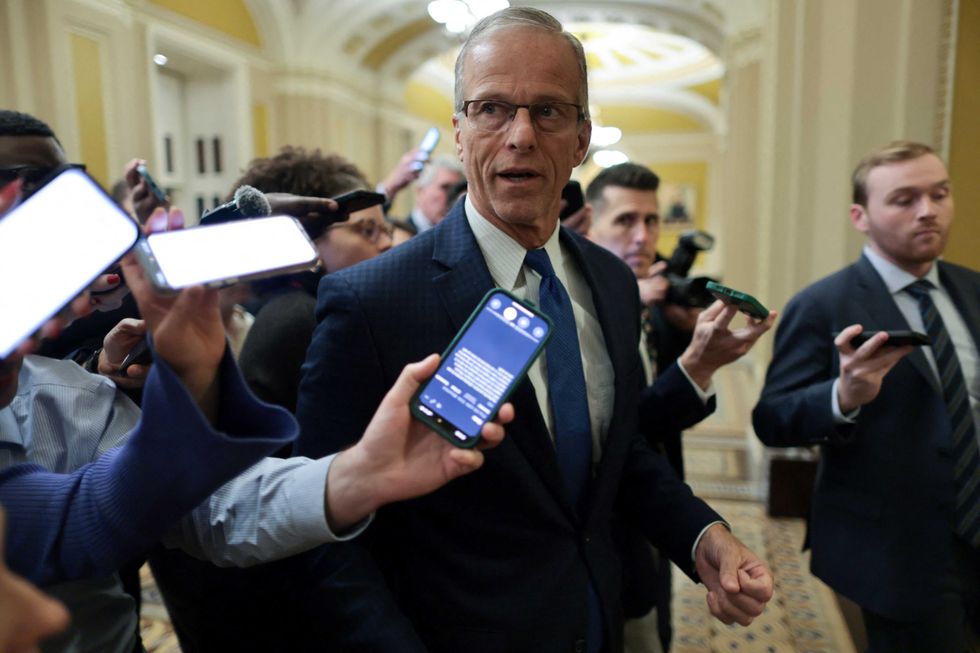
Republicans are 'very concerned about Texas' turning blue: GOP senator

Senate Democrats Achieve Positive Outcome In Crucial Crypto Bill Talks

Telegram’s Durov Warns About Spain’s Online Age-Verification Law

Republican gathering goes off the rails as 'witch' casts spell: 'Cancel that curse!'