DeFi

DeFi eliminates intermediaries by using smart contracts on blockchains to provide financial services like lending, borrowing, and trading. In 2026, the "DeFi 3.0" era is defined by Institutional DeFi and the integration of Real-World Assets (RWA). From liquidity provisioning on Uniswap to advanced lending on Aave, this tag tracks the evolution of autonomous financial systems, yield optimization, and the rise of AI-driven portfolio management in the decentralized economy.

69128 Articles
Created: 2026/02/02 18:52
Updated: 2026/02/02 18:52
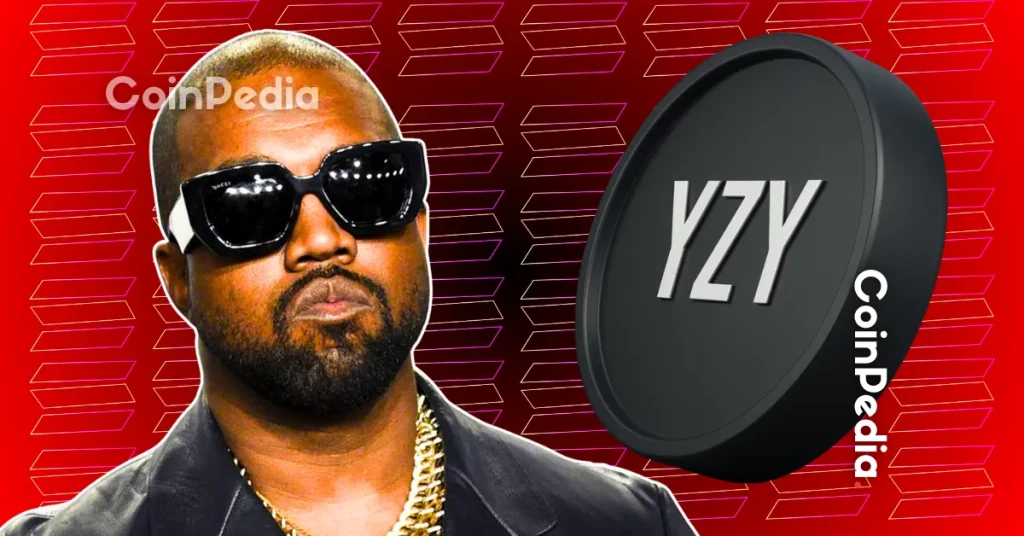
Kanye West Memecoin YZY Coin Turns Into a Pump-and-Dump Nightmare

Kanye West Memecoin YZY Coin Turns Into a Pump-and-Dump Nightmare

The post Kanye West Memecoin YZY Coin Turns Into a Pump-and-Dump Nightmare appeared first on Coinpedia Fintech News Kanye West, now known as Ye, officially entered crypto with the launch of his YZY token on Solana. The debut was explosive: prices shot up 1,400% within the first hour, hitting $3 before crashing back to $0.77 in less than a day. While retail traders rushed in hoping for quick profits, insiders and snipers dominated …

Author: CoinPedia
Perplexity, ChatGPT 5 & Deepseek All Point to the Same ‘Next Dogecoin (DOGE)’ Candidate

Perplexity, ChatGPT 5 & Deepseek All Point to the Same ‘Next Dogecoin (DOGE)’ Candidate

Perplexity, ChatGPT 5, and Deepseek all highlight Layer Brett as the ‘next Dogecoin.’ With $0.0047 entry, 4,000% APY staking, and Layer 2 speed, analysts eye 100x gains.

Author: Blockchainreporter
Faster Than Solana, Cheaper Than Cardano – The Ethereum L2 Sparking Major Hype

Faster Than Solana, Cheaper Than Cardano – The Ethereum L2 Sparking Major Hype

Promoted as faster than Solana and cheaper than Cardano, this Ethereum Layer 2 project combines the viral energy of the […] The post Faster Than Solana, Cheaper Than Cardano – The Ethereum L2 Sparking Major Hype appeared first on Coindoo.

Author: Coindoo
U.S. DOJ Says Writing Code Isn’t a Crime — But What About Tornado Cash?

U.S. DOJ Says Writing Code Isn’t a Crime — But What About Tornado Cash?

Quick HighlightsDOJ states writing code without malicious intent isn't a crime. Policy change offers relief to crypto developers. Shift aligns with Trump administration's regulatory approach.DOJ Clarifies: Writing Code Without Malicious Intent Is Not a CrimeThe U.S. Department of Justice has made a decisive statement that simply writing software code without malicious intent does not constitute a crime. Acting Assistant Attorney General Matthew J. Galeotti announced this during an American Innovation Project event, emphasizing that developers creating decentralized solutions are legally protected if they do not intend to commit fraud or facilitate illegal activity.Understanding the Legal Boundaries: What Developers Can and Cannot DoGaleotti explained that the DOJ will continue to prosecute only intentional wrongdoing, such as fraud, money laundering, or sanctions evasion. However, under 18 U.S.C. § 1960, developers of decentralized applications who lack intent to commit crime will not face charges.If software merely automates peer-to-peer transactions and developers do not control user assets, the DOJ will not pursue prosecution. Galeotti stated plainly:”We believe that simply writing code without malicious intent is not a crime.”This marks a major policy shift from prior aggressive prosecutions of blockchain projects, signaling a more developer-friendly approach to crypto regulation.The announcement comes weeks after Tornado Cash co-founder Roman Storm was convicted for operating an unlicensed money transmitter. Legal experts like Jake Chervinsky, General Counsel at Variant Fund, suggested that the DOJ's clarification could influence appeals or future cases:This new stance reflects the current administration’s broader regulatory philosophy: criminal law will not be used as a regulatory tool in the digital asset industry. Specialized agencies are expected to handle oversight, while prosecutors focus on real crimes.Why This Matters: Legal Clarity Could Fuel InnovationBy drawing a clear line between intentional wrongdoing and innocuous coding, the DOJ is providing certainty for crypto developers, DeFi platforms, and blockchain startups. This policy reduces the fear of prosecution for software creation and aligns with global trends toward more structured crypto regulation.Observers note that such clarity could also influence international regulatory frameworks, as other countries look to balance innovation with oversight. The decision ensures that legitimate blockchain projects can operate without undue legal risk, fostering growth and experimentation in the digital asset ecosystem.

Author: Coinstats
Aave Breaks From Ethereum Roots, Deploys V3 Lending Market on Aptos With Chainlink Feeds

Aave Breaks From Ethereum Roots, Deploys V3 Lending Market on Aptos With Chainlink Feeds

TLDR: Aave V3 has officially launched on Aptos, marking its first deployment outside Ethereum and EVM-based blockchains. The rollout integrates Chainlink price feeds to secure lending markets and maintain reliable asset data on Aptos. The Aptos Foundation is backing the launch with incentives as the chain seeks broader lending and borrowing growth. Security audits, a [...] The post Aave Breaks From Ethereum Roots, Deploys V3 Lending Market on Aptos With Chainlink Feeds appeared first on Blockonomi.

Author: Blockonomi
The AI “Revolution” Is Still Stuck in a Chatbox

The AI “Revolution” Is Still Stuck in a Chatbox

It’s 2025. Trillions have been spent on models. And what’s the big breakthrough in interfaces? Still the same old chatbox.

Author: Hackernoon
Networking : Why You Should Understand the IPv4 Header Beyond Chasing Tools

Networking : Why You Should Understand the IPv4 Header Beyond Chasing Tools

Network engineers and architects are essential for maintaining the internet and ensuring a connected future. The lack of fundamentals in networking is a barrier to advancing in many tech fields today. Learning networking is the best tech choice for a lifetime.

Author: Hackernoon
A Formal Analysis of Agentic AI Protocols: A2A, ACP, and AGUI

A Formal Analysis of Agentic AI Protocols: A2A, ACP, and AGUI

The absence of universal standards for agent-to-agent and agent- to-human communication presents a significant architectural challenge. This article provides a formal, comparative analysis of three prominent and distinct protocols designed to address this issue. These protocols represent foundational layers of the agentic AI stack, each solving a unique interoperability problem.

Author: Hackernoon
Sovereign AI: The Why and How Behind National LLMs

Sovereign AI: The Why and How Behind National LLMs

Governments worldwide are racing to build national LLMs as pillars of digital sovereignty, reshaping education, healthcare, public services, and defense. From the EU’s billion-euro AI push to India’s BharatGen, investments highlight a shift: AI is no longer just corporate innovation but state infrastructure. Ukraine, leveraging battlefield data and domestic reforms, positions its sovereign LLM as both a strategic necessity and a potential global blueprint.

Author: Hackernoon
Every CISO Should Memorize This 2,500-Year-Old Cybersecurity Quote

Every CISO Should Memorize This 2,500-Year-Old Cybersecurity Quote

Sun Tzu's "Strategy without tactics is the slowest route to victory" applies directly to cybersecurity. Most security breaches happen because organizations focus on tactical tools without strategic threat assessment. Effective cyber defense requires both strategic planning and tactical execution.

Author: Hackernoon