ETF

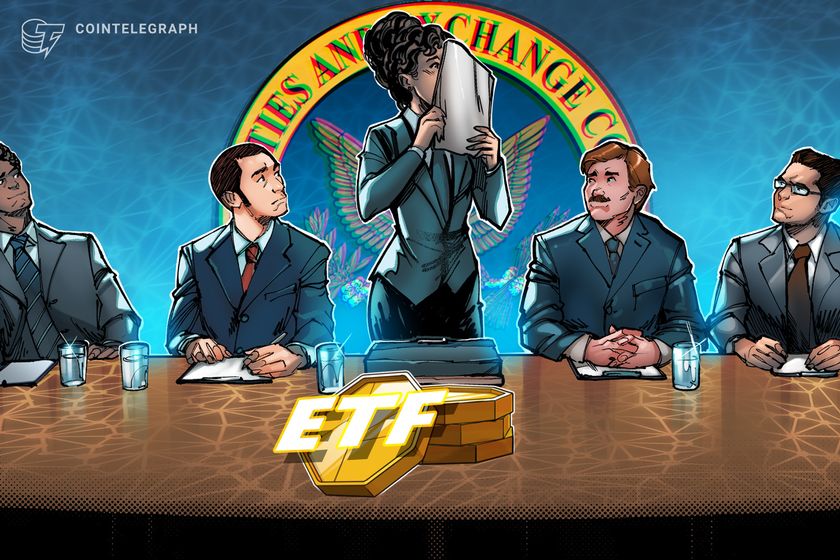
A crypto ETF is a regulated investment fund that tracks the price of one or more digital assets and trades on traditional stock exchanges like the NYSE or Nasdaq.Following the success of Bitcoin and Ethereum ETFs, the 2026 market now includes Solana ETFs and diversified Altcoin Baskets. ETFs serve as the primary vehicle for institutional capital and retirement funds (401k/IRA) to enter the Web3 space. This tag tracks regulatory approvals, AUM (Assets Under Management) inflows, and the impact of Wall Street on crypto liquidity.

40159 Articles
Created: 2026/02/02 18:52
Updated: 2026/02/02 18:52
How Love Island Turns Viewers Into Marketers

How Love Island Turns Viewers Into Marketers

The post How Love Island Turns Viewers Into Marketers appeared on BitcoinEthereumNews.com. It’s no secret that the world of reality TV is flooded with content. It seems like every other week, a new show trends, capturing viewers’ attention just long enough to stay relevant until the next big thing appears. However, this pattern doesn’t seem to apply to Love Island. With the reunion episode of season 7 wrapping up on August 25th, 2025, fans had just over a month to wait between the reunion and the final episode, which aired on July 13th, 2025. With most series, that short gap could have killed the momentum for the reunion, as most reality shows air their reunion specials the week after their season finales. Still, Love Island managed to maintain momentum and stay relevant due to an ability it, along with other successful reality shows, excel at: what can only be described as cultural osmosis. Through this process, conversations about the show become so ingrained in society that the show can attract a new audience of non-viewers who are drawn into its widespread influence. Daily Episodes Keep Fans Hooked THE TONIGHT SHOW STARRING JIMMY FALLON — Episode 2175 — Pictured: (l-r) “Love Island USA” finalists Bryan Arenales, Amaya Espinal, Olandria Carthen, & Nic Vansteenberghe pose together backstage on Thursday, August 14, 2025 — (Photo by: Todd Owyoung/NBC via Getty Images) Todd Owyoung/NBC via Getty Images Because Love Island and its companion show, Love Island USA: Aftersun, air every day except Wednesday, the show’s content remains top of mind for fans since they can engage with it nearly daily. On social media, even without hashtags, fans often discuss cast members like Olandria, Nic, Chelley, Ace, and Huda. This sparks questions or curiosity among non-watchers, who want to learn more about who the dedicated fans are talking about. Viral moments, such as castmates choosing unexpected partners,…

Author: BitcoinEthereumNews
Exclusive: Trump’s Bitcoin Reserve, Wall Street ETFs, and GENIUS Act Stablecoin Push Explained by Expert

Exclusive: Trump’s Bitcoin Reserve, Wall Street ETFs, and GENIUS Act Stablecoin Push Explained by Expert

The post Exclusive: Trump’s Bitcoin Reserve, Wall Street ETFs, and GENIUS Act Stablecoin Push Explained by Expert appeared first on Coinpedia Fintech News The U.S. crypto landscape has entered a new era after President Donald Trump signed the country’s first cryptocurrency law. Once a vocal skeptic, Trump now calls himself the “most pro-crypto commander-in-chief in history.” His push to reshape America into the global leader of digital finance has already stirred strong debate. Amid this backdrop, Syed Musheer …

Author: CoinPedia
VanEck CEO Calls Ethereum ‘The Wall Street Token’ As Institutional Adoption Rises

VanEck CEO Calls Ethereum ‘The Wall Street Token’ As Institutional Adoption Rises

Investment management firm VanEck’s CEO, Jan van Eck, said on Fox Business yesterday that Ethereum (ETH) is very much “the Wall Street token.” His comments come as ETH hovers near a potential new all-time high (ATH), drawing renewed attention from both retail and institutional investors. Ethereum Essential For Stablecoin Transfers In a recent interview with […]

Author: Bitcoinist
The American Revolution In HashJ

The American Revolution In HashJ

The post The American Revolution In HashJ  appeared on BitcoinEthereumNews.com. Money, finances, and technology have all changed as a result of cryptocurrencies. Because of their popularity, value, and history, three coins—Bitcoin (BTC), Ripple (XRP), and Dogecoin (DOGE)—stand out among the thousands of digital assets that are accessible today. Given the special history of each of these currencies, miners face the same challenge of mining.  Whether for Bitcoin, XRP, or DOGE, traditional mining often requires costly equipment, high electricity costs, and technical expertise that can be excessive for beginners to manage. fortunately an invention called HashJ is enabling mining for everyone.  What is HashJ?  Users of the skilled cloud mining platform HashJ may mine cryptocurrencies like DOGE, XRP, and BTC without need to buy or maintain gear. Users rent computing power (hashrate) from HashJ’s data centers and not buying tools.  This method removes the challenges that typically keep people from working in the cryptocurrency mining sector. Mining gets easy and risk-free with HashJ: sign up, choose a contract, and start getting daily bonuses.  Advantages of HashJ There are several reasons why HashJ has gained popularity among miners worldwide: No hassles with hardwareConventional mining calls for powerful machinery that runs on electricity daily including the night. This requirement has been replaced by HashJ, which offers cloud-based mining capabilities.  Daily EarningsHashJ offers users with continuous income by paying daily returns, compared to many investments that require months to turn a profit.  Minimal Entry PriceTo start, you don’t need thousands of dollars. You can begin small, test the system, and then scale up with HashJ.  Mining a Variety of CoinsEach of BTC, XRP, and DOGE has an individual role inside the cryptocurrency ecosystem. You can mine them flexibly using distinct contracts with HashJ.  An accessible platformBoth beginners and expert miners will find the interface easy to learn to use. To get started, nothing technical…

Author: BitcoinEthereumNews
US Spot ETH ETFs Witness Remarkable $39.6M Inflow Surge Over Six Days

US Spot ETH ETFs Witness Remarkable $39.6M Inflow Surge Over Six Days

BitcoinWorld US Spot ETH ETFs Witness Remarkable $39.6M Inflow Surge Over Six Days The world of digital assets is buzzing, and a significant trend is emerging with US spot ETH ETFs. These investment vehicles are capturing considerable attention, especially after a remarkable streak of positive performance. What does this consistent inflow mean for the future of Ethereum and the broader crypto market? What’s Driving the Momentum in US Spot ETH ETFs? Recent data highlights a compelling story for US spot ETH ETFs. On August 28, these funds collectively saw a net inflow of an impressive $39.63 million. This wasn’t a one-off event; it marked the sixth consecutive trading day of positive flows, signaling sustained investor confidence. This consistent demand underscores a growing institutional appetite for exposure to Ethereum without directly holding the cryptocurrency. Understanding these inflows is crucial. They represent real money entering the market, suggesting that investors are increasingly comfortable with the regulatory framework and the long-term potential of Ethereum. This trend could indicate a maturing market for digital asset investments. Which Funds Are Leading the Charge in US Spot ETH ETFs? While the overall picture for US spot ETH ETFs is positive, the flows aren’t evenly distributed. BlackRock’s ETHA product emerged as a clear leader, attracting a substantial $68.09 million in inflows. This significant figure demonstrates BlackRock’s strong market presence and investor trust. Grayscale’s Mini ETH also contributed positively, recording $6.27 million in inflows. These two funds together accounted for the bulk of the positive movement. However, it’s not all green across the board: BlackRock’s ETHA: $68.09 million in inflows, leading the pack. Grayscale’s Mini ETH: $6.27 million in inflows, adding to the positive momentum. Conversely, some funds experienced outflows, indicating a rebalancing or shifting of investor capital within the sector. Fidelity’s FETH saw net outflows of $33.45 million, and Bitwise’s ETHW recorded $1.28 million in outflows. This dynamic shows that while the sector as a whole is gaining, individual fund performance can vary significantly based on investor preferences and strategies. Why Are Consistent Inflows into US Spot ETH ETFs Significant? The consistent net inflows into US spot ETH ETFs are more than just numbers; they represent several key implications for the cryptocurrency ecosystem: Increased Institutional Adoption: The steady flow of capital, especially from major players like BlackRock, signals a growing acceptance of Ethereum as a legitimate investment asset by institutional investors. This legitimization can attract even more traditional finance participants. Market Maturation: ETFs provide an accessible and regulated pathway for investors to gain exposure to crypto. Their success suggests the market is becoming more sophisticated and integrated with traditional financial structures. Potential Price Impact: While not a direct one-to-one correlation, sustained buying pressure from ETFs can contribute to price stability and potentially upward movement for Ethereum, as more ETH is effectively taken off the open market by these funds. Enhanced Liquidity: Higher trading volumes and capital in ETFs generally lead to better liquidity for the underlying asset, making it easier for large investors to enter and exit positions without significant price impact. These factors collectively paint a promising picture for Ethereum’s role in the evolving financial landscape. The continued positive sentiment around US spot ETH ETFs could set a precedent for other digital assets. What Challenges Do US Spot ETH ETFs Still Face? Despite the exciting growth, the journey for US spot ETH ETFs isn’t without its hurdles. Regulatory scrutiny remains a primary concern. Governments worldwide are still grappling with how to best regulate the volatile and rapidly evolving crypto space. Changes in policy could impact the operational framework and investor appeal of these ETFs. Furthermore, market volatility is inherent to cryptocurrencies. While ETFs aim to provide a more stable investment vehicle, they are still exposed to the price swings of Ethereum. Economic downturns or unexpected crypto-specific events could trigger outflows, challenging the sustained growth observed recently. Investors must consider these risks when evaluating US spot ETH ETFs. In conclusion, the consistent six-day streak of net inflows totaling $39.6 million into US spot ETH ETFs is a powerful indicator of shifting tides in the investment world. It reflects a growing confidence among investors and a significant step towards the mainstream adoption of digital assets. As major players continue to attract capital, the narrative around Ethereum’s role in diversified portfolios strengthens, promising an exciting future for this innovative asset class. Frequently Asked Questions About US Spot ETH ETFs Q1: What are US spot ETH ETFs? A: US spot ETH ETFs are exchange-traded funds that directly hold Ethereum (ETH) as their underlying asset. They allow investors to gain exposure to ETH’s price movements without needing to buy and store the cryptocurrency themselves. Q2: Why are the recent inflows into US spot ETH ETFs significant? A: The recent, consistent inflows are significant because they indicate growing institutional and retail investor confidence in Ethereum as an asset, signaling increased market maturity and potential for broader adoption within traditional finance. Q3: Which funds are currently leading in net inflows for ETH ETFs? A: According to recent data, BlackRock’s ETHA has led the inflows, followed by Grayscale’s Mini ETH, demonstrating strong investor interest in these particular offerings. Q4: What are the potential risks associated with investing in US spot ETH ETFs? A: Key risks include market volatility inherent to cryptocurrencies, regulatory changes that could impact the funds, and the potential for economic downturns to trigger outflows. Investors should be aware of these factors. Q5: How do US spot ETH ETFs differ from directly owning Ethereum? A: ETFs offer a regulated and accessible way to invest in Ethereum without the complexities of managing private keys, wallets, or dealing with cryptocurrency exchanges directly. However, direct ownership gives you full control and potential for staking rewards, which ETFs may not pass on. If you found this analysis of US spot ETH ETFs insightful, don’t keep it to yourself! Share this article with your network on social media and spark a conversation about the evolving landscape of digital asset investments. To learn more about the latest Ethereum trends, explore our article on key developments shaping Ethereum institutional adoption. This post US Spot ETH ETFs Witness Remarkable $39.6M Inflow Surge Over Six Days first appeared on BitcoinWorld and is written by Editorial Team

Author: Coinstats
21Shares Files for SEI ETF with U.S. SEC

21Shares Files for SEI ETF with U.S. SEC

The post 21Shares Files for SEI ETF with U.S. SEC appeared on BitcoinEthereumNews.com. Key Points: 21Shares has filed with the SEC to launch a SEI ETF. The ETF will track SEI token prices and integrate staking. This filing signals a move to expand regulated crypto ETF offerings. 21Shares submitted a Form S-1 to the SEC on August 29, seeking approval for a Sei ETF to track SEI token prices. If approved, the ETF may enhance institutional investment in the Sei Network, impacting liquidity and investor sentiment. 21Shares’ SEI ETF Filing: Key Players and Market Effects If the ETF integrates staking, significant changes could occur regarding on-chain liquidity and investment flows into the Sei Network. This potential approval might boost SEI’s market dynamics and liquidity. Reactions from the community are muted, with no direct statements from major figures like 21Shares CEO Hany Rashwan or Coinbase executives. However, industry observers are noting the potential impact on SEI’s adoption. As stated in a recent analysis, “The SEI ETF, if approved, could significantly enhance liquidity and investor interest in the Sei Network.“ Reactions from the community are muted, with no direct statements from major figures like 21Shares CEO Hany Rashwan or Coinbase executives. However, industry observers are noting the potential impact on SEI’s adoption. As stated in a recent analysis, “The SEI ETF, if approved, could significantly enhance liquidity and investor interest in the Sei Network.“ SEI ETF’s Potential Impact on Market Dynamics Did you know? Earlier ETF approvals for cryptocurrencies such as Bitcoin and Ethereum often led to notable fund inflows and increased trading activity. This precedent highlights the importance of the SEI ETF filing. According to CoinMarketCap, as of August 29, 2025, SEI is priced at $0.31 with a market cap of approximately 1.84 billion. It reports a 59.57% increase over the past 90 days alongside a 24-hour trading volume of around 214.41 million, marking…

Author: BitcoinEthereumNews
Record 92 Cryptocurrency ETF Filings in U.S., Industry Awaits SEC Decision

Record 92 Cryptocurrency ETF Filings in U.S., Industry Awaits SEC Decision

Detail: https://coincu.com/news/record-92-crypto-etf-filings-us/

Author: Coinstats
XRP ETF Buzz Accelerates — MAGACOIN FINANCE Presale Catches Trader Momentum

XRP ETF Buzz Accelerates — MAGACOIN FINANCE Presale Catches Trader Momentum

Detail: https://coincu.com/pr/xrp-etf-buzz-builds-magacoin-finance-presale-gains-trader-momentum/

Author: Coinstats
Crypto ETF Approval: Awaiting the SEC’s Monumental Decision for 92 Digital Assets

Crypto ETF Approval: Awaiting the SEC’s Monumental Decision for 92 Digital Assets

BitcoinWorld Crypto ETF Approval: Awaiting the SEC’s Monumental Decision for 92 Digital Assets The cryptocurrency world is buzzing with anticipation! A staggering 92 cryptocurrency Exchange Traded Fund (ETF) applications are currently sitting before the U.S. Securities and Exchange Commission (SEC), awaiting their crucial review. This massive wave of filings highlights a growing interest in bringing digital assets to traditional investment vehicles. The prospect of Crypto ETF Approval could unlock significant mainstream adoption and reshape the investment landscape. The Race for Crypto ETF Approval: Which Assets Lead the Pack? Bloomberg analyst James Seyffart recently shed light on this exciting development. His data reveals a diverse range of digital assets vying for a spot on the traditional market. It’s a clear indication that institutions and issuers see immense potential in these innovative financial products. Solana (SOL): Leading the charge with an impressive 16 filings, Solana shows strong institutional interest. Its high transaction speed and low fees make it an attractive candidate for various financial products. XRP: Following closely, XRP has 15 applications. This reflects ongoing efforts to integrate XRP into the broader financial system, despite past regulatory uncertainties. Mixed-Asset Funds: Nine applications focus on diversified crypto portfolios, offering investors exposure to multiple digital assets through a single product. Ethereum (ETH): With six filings, Ethereum continues to be a top contender, building on its strong ecosystem and recent upgrades. Bitcoin (BTC), Dogecoin (DOGE), and Litecoin (LTC): Each of these well-known cryptocurrencies has four pending applications. Their established market presence makes them perennial favorites for such investment vehicles. Why Does Crypto ETF Approval Matter So Much? The potential for Crypto ETF Approval is a game-changer for several reasons. ETFs offer a regulated and accessible way for traditional investors to gain exposure to cryptocurrencies without directly holding the underlying assets. This ease of access can significantly broaden the investor base. Moreover, these products could attract substantial institutional capital. Large investment firms and pension funds, which often face restrictions on direct crypto investments, find ETFs a compliant and appealing alternative. Therefore, a green light from the SEC could signal a new era of legitimacy and growth for the entire digital asset market. Navigating the SEC’s Stance on Crypto ETF Approval The SEC has historically maintained a cautious stance on cryptocurrency products, primarily citing concerns about investor protection and market manipulation. However, the landscape is evolving. The recent approval of spot Bitcoin ETFs set a significant precedent, demonstrating a shift in regulatory comfort. Each new application for Crypto ETF Approval undergoes rigorous scrutiny. The SEC evaluates factors such as market surveillance capabilities, the underlying asset’s liquidity, and the potential for fraud. Issuers must demonstrate robust safeguards to meet these stringent requirements. This careful approach aims to protect investors while fostering innovation in the financial sector. What’s Next for Digital Asset ETFs and the SEC? The sheer volume of 92 pending applications underscores the industry’s persistence and belief in the future of crypto ETFs. While there is no guaranteed timeline, the increasing number of filings, particularly for assets like Solana and XRP, suggests a growing momentum. Observers are keenly watching for any signals or decisions from the SEC. The potential approval of these diverse Crypto ETF Approval applications could lead to greater market stability and wider acceptance of digital assets. Investors and enthusiasts alike should stay informed about these developments, as they will undoubtedly shape the future of cryptocurrency investing. In conclusion, the ongoing review of 92 cryptocurrency ETF applications by the SEC marks a pivotal moment for the digital asset space. With Solana and XRP leading the pack, the industry is eagerly anticipating decisions that could usher in a new era of mainstream adoption and institutional engagement. The path to Crypto ETF Approval is complex, but the potential rewards are monumental for investors and the crypto ecosystem as a whole. Frequently Asked Questions (FAQs) 1. What is a Crypto ETF? An Exchange Traded Fund (ETF) is an investment fund that tracks the price of one or more cryptocurrencies. It trades on traditional stock exchanges, allowing investors to gain exposure to digital assets without directly buying and holding them. 2. Why are so many Crypto ETF applications pending with the SEC? There’s significant demand from investors and financial institutions for regulated ways to invest in cryptocurrencies. Issuers are responding by filing numerous applications, hoping for Crypto ETF Approval to meet this market need. 3. Which cryptocurrency has the most pending ETF applications? According to Bloomberg analyst James Seyffart, Solana (SOL) currently has the most pending ETF applications, with 16 filings. 4. What factors does the SEC consider for Crypto ETF Approval? The SEC considers factors like investor protection, market manipulation risks, the liquidity of the underlying asset, and the robustness of market surveillance. They aim to ensure fair and orderly markets. 5. How might Crypto ETF Approval impact the broader crypto market? Approvals could lead to increased institutional investment, greater mainstream adoption, enhanced liquidity, and potentially more stable pricing for the underlying cryptocurrencies. It legitimizes digital assets in traditional finance. 6. Is there a timeline for these approvals? The SEC does not provide a fixed timeline for its reviews. The process can be lengthy, involving multiple rounds of feedback and amendments before a decision is reached. If you found this article insightful, please consider sharing it with your network! To learn more about the latest crypto market trends, explore our article on key developments shaping digital assets institutional adoption. This post Crypto ETF Approval: Awaiting the SEC’s Monumental Decision for 92 Digital Assets first appeared on BitcoinWorld and is written by Editorial Team

Author: Coinstats
21Shares files to launch SEI ETF, joining race with Canary Capital

21Shares files to launch SEI ETF, joining race with Canary Capital

                                                                               SEI is the native token of the Sei network, a layer-1 blockchain specializing in trading infrastructure for decentralized exchanges and marketplaces.                     Crypto asset manager 21Shares has filed with the US Securities and Exchange Commission (SEC) to launch an exchange-traded fund tracking the price of SEI, following Canary Capital’s application in April. The S-1 registration statement filed with the SEC on Thursday proposes to use crypto price index provider CF Benchmarks to track the price of SEI, using data from multiple crypto exchanges.SEI is the native token of the Sei network, both were launched in August 2023. The network itself is a layer 1 blockchain that specializes in trading infrastructure for decentralized exchanges and marketplaces. Its native token can be used to pay for network gas fees and participate in governance. Read more

Author: Coinstats