Index

A crypto Index provides a way for investors to gain diversified exposure to a specific basket of digital assets through a single tokenized product. These indices often track specific sectors, such as DeFi, DePIN, or RWA, and are automatically rebalanced via smart contracts. In 2026, AI-managed thematic indices have become the gold standard for passive investing, allowing users to track the "blue chips" of the Web3 economy without manual portfolio management. This tag covers index methodology, rebalancing frequency, and the benefits of diversified crypto baskets.

25888 Articles
Created: 2026/02/02 18:52
Updated: 2026/02/02 18:52
Has Bitcoin Reached Its Peak? Analyst Responds, Tells What He’ll Do

Has Bitcoin Reached Its Peak? Analyst Responds, Tells What He’ll Do

The post Has Bitcoin Reached Its Peak? Analyst Responds, Tells What He’ll Do appeared on BitcoinEthereumNews.com. Cryptocurrency analyst Joao Wedson has published a remarkable report on Bitcoin (BTC). Pointing to the Max Intersect SMA Model, which has claimed to have accurately predicted the peak of every cycle in the past, Wedson said that the current cycle has not yet reached its peak. According to Wedson, the model’s data currently stands at $58,170. A move to $69,000 would be a strong signal for the current cycle’s peak. The analyst argued that this level is only likely to be reached “within weeks,” and that volatility could increase significantly, especially starting in September. “When the model signals this cycle’s ATH (all-time high), I’ll be selling everything I have. Many people have price targets for Bitcoin, but few know the day,” Wedson said. At the time of writing, BTC is trading at $115,489. The world’s largest cryptocurrency has gained 3.83% in the past week. *This is not investment advice. Follow our Telegram and Twitter account now for exclusive news, analytics and on-chain data! Source: https://en.bitcoinsistemi.com/has-bitcoin-reached-its-peak-analyst-responds-tells-what-hell-do/

Author: BitcoinEthereumNews
Shiba Inu & Dogecoin Holders Made Over 100x Returns; Where Can The Same Gains Be Made Today

Shiba Inu & Dogecoin Holders Made Over 100x Returns; Where Can The Same Gains Be Made Today

Shiba Inu and Dogecoin created crypto legends—delivering 100x returns and changing lives in the process. But those stories are written. The question now is: where can the same kind of gains be made today? With the market hunting for the next breakout, attention is turning to newer, faster-moving tokens. And for a growing number of […] The post Shiba Inu & Dogecoin Holders Made Over 100x Returns; Where Can The Same Gains Be Made Today appeared first on Live Bitcoin News.

Author: LiveBitcoinNews
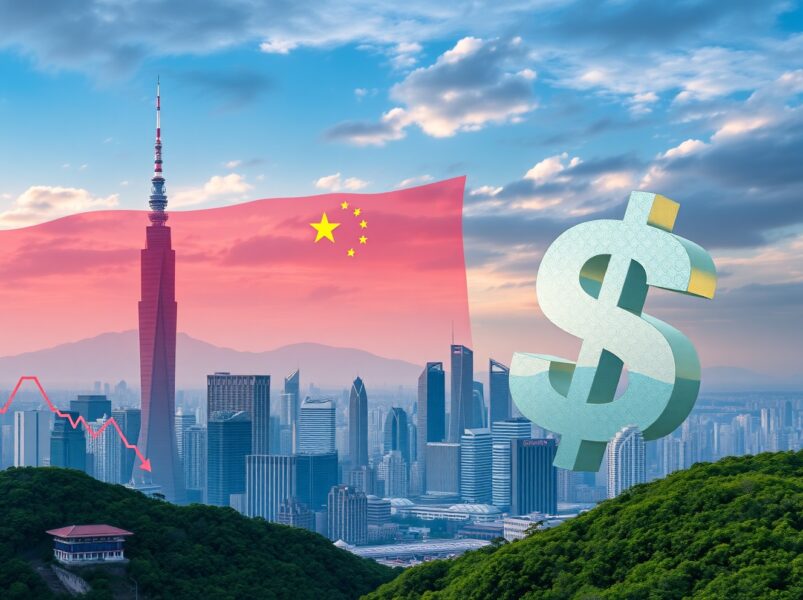
China’s economy lost momentum in August

China’s economy lost momentum in August

China’s economy lost momentum for another month in a row, with fresh data showing a deeper-than-expected slowdown and a sharp pullback in investment. The figures raise the odds that Beijing will add support to keep growth on course for its target, increasing the chance authorities will deploy extra steps to steady activity. The National Bureau […]

Author: Cryptopolitan
Amount of Solana (SOL) Held by Major Institutional Whales Has Been Revealed, Are They Accumulating? Here Are the Latest Data

Amount of Solana (SOL) Held by Major Institutional Whales Has Been Revealed, Are They Accumulating? Here Are the Latest Data

The post Amount of Solana (SOL) Held by Major Institutional Whales Has Been Revealed, Are They Accumulating? Here Are the Latest Data appeared on BitcoinEthereumNews.com. Institutional investors’ holdings of Solana (SOL) have reached remarkable levels. According to data from the Strategic SOL Reserve, 17 institutions hold a total of 11.73 million SOL in their treasuries. This amount represents 2.04% of the total current supply and is worth approximately $2.9 billion. Approximately 585,000 SOL of these assets have been staked, representing a position worth $104.1 million. The average staked return is 6.86%, representing 0.102% of the total supply. Sharps Technology (STSS) ranks first among companies with the largest SOL reserves. The company holds 2.14 million SOL, equivalent to approximately $528.5 million. It is followed by DeFi Development Corp (DFDV) with 2.02 million SOL and Upexi (UPXI) with 2 million SOL. Forward Industries (FORD) comes in fourth with 1.45 million SOL. On the other hand, SOL price has risen by 2.3% in the last 24 hours to $245.19. *This is not investment advice. Follow our Telegram and Twitter account now for exclusive news, analytics and on-chain data! Source: https://en.bitcoinsistemi.com/amount-of-solana-sol-held-by-major-institutional-whales-has-been-revealed-are-they-accumulating-here-are-the-latest-data/

Author: BitcoinEthereumNews
Fed Expected to Cut Rates Amid Growing Divisions and Trump Pressure

Fed Expected to Cut Rates Amid Growing Divisions and Trump Pressure

TLDR The Federal Reserve is poised to cut rates for the first time in nine months. Trump has pressured the Fed to reduce borrowing costs to boost housing. Unemployment claims are rising, signaling a softening labor market. The Fed faces divisions over the scale of the rate cut, with some favoring smaller cuts. The Federal [...] The post Fed Expected to Cut Rates Amid Growing Divisions and Trump Pressure appeared first on CoinCentral.

Author: Coincentral
Asia FX: Urgent Shifts as Chinese Economy Falters and Fed Meeting Nears

Asia FX: Urgent Shifts as Chinese Economy Falters and Fed Meeting Nears

BitcoinWorld Asia FX: Urgent Shifts as Chinese Economy Falters and Fed Meeting Nears For those keenly watching the pulse of global finance, especially in the volatile world of cryptocurrencies, understanding traditional market movements is paramount. Currently, the spotlight is firmly on Asia FX, where currencies are exhibiting a muted response, heavily influenced by a confluence of factors that signal potential shifts across the entire financial landscape. From the bustling trading floors of Tokyo to the economic powerhouses of Beijing, a quiet tension is building, driven by underwhelming data from the Chinese economy and the looming shadow of a critical Federal Reserve meeting. This complex interplay of regional challenges and global policy anticipation is creating a fascinating, albeit cautious, environment for investors worldwide. Asia FX: Decoding the Muted Response – What’s Happening? The Asian foreign exchange markets are currently characterized by a distinct lack of significant movement, a phenomenon often described as ‘muted.’ This isn’t necessarily a sign of stability, but rather a reflection of underlying caution and uncertainty that permeates investor sentiment. Participants are treading carefully, digesting a mix of regional economic signals and bracing for global policy shifts that could dramatically alter market dynamics. The performance of Asia FX is intrinsically linked to the economic health of its largest player, China. When the engine of the Chinese economy sputters, the reverberations are felt across the continent, impacting trade flows, investment, and ultimately, currency valuations. Several key factors contribute to this subdued activity: Interdependence with China: Many Asian economies are heavily reliant on trade with China. Weak demand from China directly translates to lower export revenues and slower economic growth for its neighbors, putting downward pressure on their currencies. Risk Aversion: Global uncertainties, including geopolitical tensions and inflation concerns, often lead investors to seek safer assets, drawing capital away from emerging Asian markets and their currencies. Central Bank Policies: While some Asian central banks have tightened monetary policy, their actions are often constrained by the need to support economic growth, especially when facing external headwinds. This can limit their ability to strengthen their respective currencies significantly. Dollar Dominance: The sustained strength of the US Dollar, driven by higher interest rates and its safe-haven appeal, makes it challenging for Asian currencies to gain significant ground. Currencies like the Japanese Yen, South Korean Won, and the Malaysian Ringgit have all experienced periods of weakness or limited upside, struggling against the backdrop of a stronger dollar and regional economic concerns. The muted response in Asia FX thus hides significant underlying pressures and a delicate balance of forces at play. What’s Driving the Weakness in the Chinese Economy? Recent economic indicators from China have painted a less-than-rosy picture, sending ripples of concern through global markets and significantly influencing Asia FX. Data points across several key sectors reveal a slowdown that is more pronounced than many analysts had anticipated. This weakness in the Chinese economy is not a singular event but a complex interplay of internal structural issues and external pressures. Key areas of concern include: Property Market Crisis: The prolonged downturn in China’s vast property sector remains a major drag. Defaults by major developers, unfinished projects, and falling housing prices have eroded consumer confidence and posed systemic risks to the financial system. Weak Consumer Spending: Despite initial hopes for a post-pandemic rebound, consumer spending has remained subdued. Factors such as high youth unemployment, property market uncertainties, and a cautious outlook on future income have led households to save rather than spend. Retail sales growth has often fallen short of expectations. Deflationary Pressures: China has been battling persistent deflation, with the Consumer Price Index (CPI) sometimes dipping into negative territory. While this might sound good for consumers, sustained deflation can signal weak demand, discourage investment, and make debt burdens heavier. Industrial Output and Exports: Industrial production has shown signs of softening, reflecting weaker domestic and international demand. Export figures, once a cornerstone of China’s growth, have also faced headwinds due to slowing global trade and geopolitical tensions. Local Government Debt: Many local governments are burdened with substantial debt, limiting their capacity for infrastructure spending and economic stimulus, which historically played a crucial role in driving growth. The challenges facing the Chinese economy are multifaceted, requiring careful navigation by policymakers. The spillover effects of this slowdown are profound, impacting commodity prices, global supply chains, and investment flows into Asia, directly contributing to the cautious sentiment in Asia FX markets. Is US Dollar Strength Sustainable? A Look at its Safe Haven Appeal While Asian currencies grapple with local and regional headwinds, the US Dollar Strength continues to be a dominant narrative in the global currency arena. The dollar has remained remarkably steady, often gaining ground against major peers, as investors flock to its perceived safety. This steadfast performance isn’t accidental; it’s a testament to several underlying factors that position the U.S. economy and its currency as a preferred destination during times of global uncertainty. Reasons underpinning the dollar’s resilience: Interest Rate Differential: The Federal Reserve’s aggressive monetary tightening cycle in response to inflation has resulted in significantly higher interest rates compared to many other developed economies. This yield advantage makes dollar-denominated assets more attractive to international investors. Relative Economic Resilience: Despite global slowdown concerns, the U.S. economy has shown a degree of resilience, particularly in its labor market. This relative strength compared to other major economies enhances the dollar’s appeal. Safe-Haven Status: In periods of geopolitical instability, economic uncertainty, or financial market stress, the U.S. dollar traditionally serves as the ultimate safe-haven currency. Its deep and liquid financial markets, coupled with the perceived stability of the U.S. government, make it a preferred store of value. Global Reserve Currency Role: The dollar’s status as the world’s primary reserve currency means it is widely used in international trade, finance, and central bank reserves, creating constant demand. The sustained US Dollar Strength has significant implications. For emerging markets, it can make dollar-denominated debt more expensive to service and can draw capital away from their economies. For global trade, a strong dollar makes U.S. exports more expensive but reduces the cost of imports for U.S. consumers and businesses. Understanding this dynamic is crucial for anyone monitoring Global Macro Trends. How Will the Fed Meeting Impact Global Markets and Your Portfolio? All eyes are now fixed on the upcoming Federal Reserve meeting. The decisions made by the U.S. central bank have a profound and immediate Fed Meeting Impact that extends far beyond American borders, influencing everything from bond yields to global equity markets and, crucially, currency valuations. The market is keenly awaiting signals regarding future interest rate policy, specifically whether the Fed will maintain its hawkish stance, signal a pivot towards easing, or adopt a wait-and-see approach. Potential scenarios and their broad implications: Scenario Potential Fed Action Market Impact Hawkish Stance (Rate Hike/Strong Signal) Another rate hike or strong rhetoric indicating future hikes. Further US Dollar Strength, potentially higher bond yields, pressure on equities, capital outflow from emerging markets and Asia FX. Dovish Pivot (Rate Cut/Easing Signal) A rate cut or clear signal of impending cuts. Potential dollar weakening, bond yields may fall, boost for equities and risk assets (including cryptocurrencies), potential capital inflow to emerging markets and Asia FX. Hold and Wait (Status Quo) Rates remain unchanged, but future guidance is ambiguous or data-dependent. Market volatility, continued focus on economic data, investors seeking clarity, moderate impact on US Dollar Strength, and continued cautiousness in Asia FX. The precise Fed Meeting Impact hinges on the nuances of the statement and the subsequent press conference. Investors will scrutinize every word for clues about the trajectory of monetary policy, which will, in turn, influence global liquidity and risk appetite, directly affecting the performance of currencies and other asset classes, including digital ones. Navigating Global Macro Trends: Actionable Insights for the Savvy Investor The current environment is a complex tapestry of interconnected Global Macro Trends. From geopolitical shifts to evolving monetary policies and the economic performance of major powers, understanding these dynamics is essential for informed decision-making. Investors, particularly those in the crypto space, must recognize how these traditional market forces can directly or indirectly influence digital asset valuations and liquidity. Here are some actionable insights for navigating these turbulent waters: Diversification is Key: Do not put all your eggs in one basket. Diversify across different asset classes, geographies, and even within the crypto market itself to mitigate risks associated with specific regional downturns or currency fluctuations. Monitor Economic Indicators Closely: Keep a keen eye on key economic data points, especially from major economies like China and the U.S. (e.g., inflation rates, GDP growth, employment figures, retail sales). These provide early signals of shifts in Global Macro Trends. Understand Central Bank Communication: Pay close attention to statements and speeches from central bank officials, particularly the Federal Reserve, the European Central Bank, and the People’s Bank of China. Their forward guidance is a powerful tool in shaping market expectations. Consider Hedging Strategies: For those with significant exposure to specific currencies or regions, exploring hedging strategies (e.g., currency forwards, options) can help protect against adverse movements. Long-Term Perspective: While short-term volatility can be unsettling, maintaining a long-term investment perspective often helps weather temporary storms. Focus on fundamental value rather than reacting impulsively to daily market noise. Assess Risk Appetite: Regularly reassess your personal risk tolerance. In an environment of heightened uncertainty, it may be prudent to adjust portfolio allocations to align with a more conservative stance if necessary. The interconnectedness of the global financial system means that weakness in the Chinese economy, the unwavering US Dollar Strength, and the impending Fed Meeting Impact will collectively shape the investment landscape. Being well-informed about these Global Macro Trends empowers investors to make more resilient choices. Summary: What Does This Mean for You? In conclusion, the current landscape for Asia FX is one of cautious anticipation, heavily shaped by the ongoing challenges within the Chinese economy and the unwavering US Dollar Strength. The imminent Fed Meeting Impact will undoubtedly send further ripples through financial markets, dictating capital flows and investor sentiment globally. Navigating these intricate Global Macro Trends requires vigilance and a nuanced understanding of interconnected economic forces. As we move forward, market participants must remain agile, adapting strategies to a world where traditional economic indicators and central bank actions continue to exert immense influence on both established and nascent asset classes. Staying informed and proactive is the best defense against the unpredictable currents of global finance. To learn more about the latest Forex market trends, explore our articles on key developments shaping global currencies and their liquidity. This post Asia FX: Urgent Shifts as Chinese Economy Falters and Fed Meeting Nears first appeared on BitcoinWorld.

Author: Coinstats
From Small Beginnings to Big Returns: 8 High ROI Tokens in 2025 Ready for Explosive Growth

From Small Beginnings to Big Returns: 8 High ROI Tokens in 2025 Ready for Explosive Growth

Could choosing the right meme coin today set the stage for life-changing wealth tomorrow? Every crypto cycle sees a select few meme-driven tokens rise above the noise, rewarding early investors with extraordinary returns. As the search for high-ROI tokens intensifies in 2025, one truth stands clear: procrastination often means missing the next big cultural and […] The post From Small Beginnings to Big Returns: 8 High ROI Tokens in 2025 Ready for Explosive Growth  appeared first on Live Bitcoin News.

Author: LiveBitcoinNews
3 Things That Could Impact Crypto Markets as Fed Decision Looms

3 Things That Could Impact Crypto Markets as Fed Decision Looms

A busy week lies ahead on the United States economic calendar, with all eyes on the central bank on Wednesday.

Author: CryptoPotato
“Bitcoin Is Topping Out” Before Fed Rate Cut Warns Peter Schiff

“Bitcoin Is Topping Out” Before Fed Rate Cut Warns Peter Schiff

The post “Bitcoin Is Topping Out” Before Fed Rate Cut Warns Peter Schiff appeared on BitcoinEthereumNews.com. Bitcoin critic Peter Schiff said that the largest crypto is showing signs of topping out ahead of the much-awaited Fed rate cut this week during the September 17 FOMC meeting. BTC and the broader crypto market are showing signs of nervousness while facing selling pressure over the weekend. Despite gaining 4% on the weekly chart, BTC price is facing strong resistance at $116,000. Peter Schiff Slams Bitcoin Performance Before Fed Rate Cut Fed chair Jerome Powell is likely to make a major monetary policy pivot at the September 17 FOMC meeting,  as analysts expect a minimum of 25 bps interest rate cut. However, Bitcoin critic Peter Schiff believes that this could be a major policy misstep. Schiff believes that proceeding with rate cuts during rising inflation will only worsen economic risks. The economist further stressed that while traditional safe-haven assets like Gold and Silver are showing strength, in this economic uncertainty, Bitcoin is showing signs of topping out. He also argued that even equity markets, like the NASDAQ and S&P 500, have touched their all-time highs. On the other hand, BTC price has faced selling pressure and struggled to break past its all-time highs. ” Given that Bitcoin is still 15% below its 2021 peak, priced in gold should be a concern,” noted Schiff. Peter Schiff added that Bitcoin has failed to capitalize on the optimism surrounding the Fed rate cut. He also mentioned that while investors are buying into both risk assets and safe havens, they are selling Bitcoin. Following last week’s crypto market rally, investors are now waiting on the sidelines for the next directional move. Expert Calls It Typical Crypto Market Behaviour Crypto market expert Ted Pillows believes that U.S. interest rate cuts are typically bearish for risk assets in the short term, as they often signal…

Author: BitcoinEthereumNews
Chainlink Prepares for Potential Rally as Technicals Mirror Previous Big Breakout

Chainlink Prepares for Potential Rally as Technicals Mirror Previous Big Breakout

Analysts see Chainlink nearing a key breakout level, with patterns suggesting a potential rally toward higher price targets. Chainlink is trading near a critical resistance zone, and analysts suggest that Chainlink may be preparing for a larger upward move. LINK recently climbed above $25, and market analysts are pointing to patterns that resemble past rallies. […] The post Chainlink Prepares for Potential Rally as Technicals Mirror Previous Big Breakout appeared first on Live Bitcoin News.

Author: LiveBitcoinNews