Lending

Lending protocols form the backbone of the decentralized money market, allowing users to lend or borrow digital assets without intermediaries. Using smart contracts, platforms like Aave and Morpho automate interest rates based on supply and demand while requiring over-collateralization for security. The 2026 lending landscape features advanced permissionless vaults and institutional-grade credit lines. This tag covers the evolution of capital efficiency, liquidations, and the integration of diverse collateral types, including LSTs and tokenized RWAs.

14537 Articles
Created: 2026/02/02 18:52
Updated: 2026/02/02 18:52
mXRP Boosts XRP DeFi as WisdomTree Warns of Supply Shock

mXRP Boosts XRP DeFi as WisdomTree Warns of Supply Shock

The post mXRP Boosts XRP DeFi as WisdomTree Warns of Supply Shock appeared on BitcoinEthereumNews.com. XRP’s DeFi Leap: How Liquid-Staking Token mXRP Expands Utility Recent developments in the XRP ecosystem mark a turning point: the launch of mXRP, a liquid-staking token, may substantially deepen XRP’s role in decentralized finance. Market analyst Doshsai argues that this innovation could unlock latent value in XRP’s large idle supply and bring it firmly into DeFi’s reward economy. What is mXRP and Why It Matters Unveiled at XRPL Seoul 2025 by Midas and Interop Labs, mXRP is the first-ever liquid staking product built for the XRP ecosystem. It allows XRP holders to stake their tokens without surrendering liquidity: instead of locking up dormant XRP, users mint mXRP, a derivative representation that can be deployed into DeFi strategies. Through audited smart contracts on the XRPL EVM sidechain, it bridges in native XRP via Axelar, wraps it, and issues mXRP under a tokenized certificate framework. Yield & Use-Cases mXRP isn’t just theoretical utility, it promises yield. The target return is 6-8% APY, depending on the underlying strategy, suhc as market-making, liquidity provisioning, and lending. This is significant in that many XRP tokens have been dormant, held in wallets without generating any return. With mXRP, capital efficiency could improve across the board for holders. Expansion into DeFi & Cross-Chain According to Doshsai, what’s especially transformative is that mXRP serves as a bridge between XRP’s longstanding strength in payments, settlement, and cross-border and what DeFi has been doing on chains, such as Ethereum and Solana. The integration to XRPL’s EVM sidechain and Axelar’s bridging capabilities makes mXRP usable in DeFi protocols. That means holders can move beyond storing XRP into using it for yield, collateral, swaps, liquidity pools, and other financial undertakings. XRP Faces Imminent Supply Shock Ahead of Bitcoin, Says WisdomTree According to crypto observer SMQKE, investment firm WisdomTree has highlighted that a…

Author: BitcoinEthereumNews
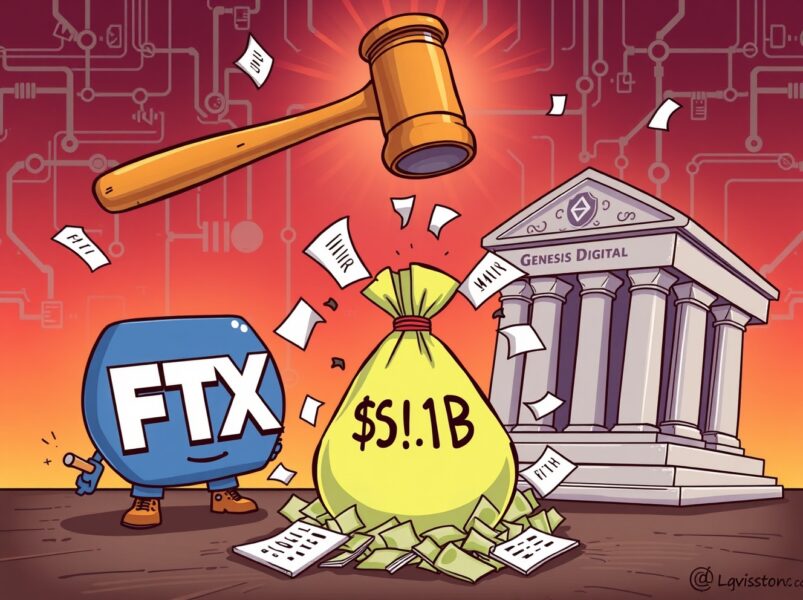
FTX Trust sues Genesis Digital over $1.15B transfers

FTX Trust sues Genesis Digital over $1.15B transfers

The post FTX Trust sues Genesis Digital over $1.15B transfers appeared on BitcoinEthereumNews.com. The FTX Recovery Trust has filed a lawsuit against Bitcoin mining company Genesis Digital Assets Ltd. and its co-founders, seeking to claw back $1.15 billion that it alleges was misappropriated from customer deposits. The complaint, lodged on Sept 22 in the US Bankruptcy Court for the District of Delaware, was assigned as Adversary Case No. 25-52358 under Judge Karen B. Owens, according to the official case docket. According to the filing, Alameda transferred more than $1.15 billion, with over half routed directly to co-founders Rashit Makhat and Marco Krohn. The trust argues that the money originated from FTX.com customer deposits and was moved through Alameda’s credit lines and bank accounts, including the now-notorious North Dimension subsidiary. Internal communications cited in the lawsuit describe the valuations paid as “insane and off-market,” while contemporaneous risks such as energy shortages in Kazakhstan and unbuilt US data centers raised questions about the miner’s true prospects. The trust is pursuing claims under both federal bankruptcy law and Delaware’s Uniform Fraudulent Transfer Act, alleging actual and constructive fraud.  The lawsuit adds to the complex web of litigation following FTX’s downfall, including a $175 million settlement earlier this year with Genesis Global, the lending arm of Digital Currency Group. This is a developing story. This article was generated with the assistance of AI and reviewed by editor Jeffrey Albus before publication. Get the news in your inbox. Explore Blockworks newsletters: Source: https://blockworks.co/news/ftx-trust-sues-genesis-digital

Author: BitcoinEthereumNews
SEC Pushes Innovation Exemption to Boost Crypto Growth

SEC Pushes Innovation Exemption to Boost Crypto Growth

TLDR SEC unveils crypto “innovation exemption” to ease rules and speed launches. New SEC exemption clears hurdles for crypto firms, boosting U.S. leadership. Project Crypto shifts SEC stance—compliance first, lawsuits out. Crypto startups gain safe zones as SEC ditches old enforcement model. SEC plan gives green light for staking, lending, and token launches. The U.S. [...] The post SEC Pushes Innovation Exemption to Boost Crypto Growth appeared first on CoinCentral.

Author: Coincentral
Best Crypto to Invest in and Turn 1 ETH into 15 ETH in 2025

Best Crypto to Invest in and Turn 1 ETH into 15 ETH in 2025

Ethereum (ETH) remains one of the top cryptocurrencies in 2025, valued for its robust ecosystem and role as the backbone of decentralized finance. Yet while ETH itself is solid, its potential for 2025 upside may be more limited than with newer cryptos. That is where Mutuum Finance (MUTM) comes into the equation.  Now priced at […]

Author: Cryptopolitan
Alcohol Still Leads Restaurant Beverage Orders, According To Harris Poll

Alcohol Still Leads Restaurant Beverage Orders, According To Harris Poll

The post Alcohol Still Leads Restaurant Beverage Orders, According To Harris Poll appeared on BitcoinEthereumNews.com. A new Harris Poll reveals millennials and Gen X still drive alcohol sales in restaurants, while Gen Z mixes drinks, formats, and expectations. Alcohol may still be the default for many American diners, but the latest Harris Poll suggests drinking habits are shifting. While older generations continue to reach for beer, wine, and cocktails, Gen Z is redefining what it means to drink out, focusing more on flexibility, aesthetics, and mood than tradition. Millennials are still loyal alcohol buyers when dining out, but Gen Z’s beverage habits are harder to pin down, according to new Harris Poll data. getty What the new Harris Poll reveals about U.S. beverage behavior In a nationally representative survey conducted by Harris in partnership with eMarketer, 36 percent of Americans reported that alcohol is their preferred restaurant beverage, slightly ahead of soda at 29 percent and water at 21 percent. But in practice, the most commonly ordered items are still non-alcoholic: 89 percent said they ordered water in the past 30 days, and 78 percent ordered soda. Alcohol remains a strong presence, with 69 percent of diners saying they ordered at least one alcoholic drink recently. Cocktails topped the alcohol category, followed by beer, spirits, and wine. While the overall preference is clear, the details begin to diverge once you look at generational breakdowns. Millennials still drive alcohol sales, especially with repeat orders Millennials continue to be the most reliable customers for restaurants selling alcohol. Fifty percent say alcohol is their default drink when dining out, compared to just 25 percent of Gen Z. They also reported significantly more repeat orders over the past month—especially for beer, spirits, and wine. This makes millennials a priority for alcohol brands and on-premise sales strategies. Libby Rodney, the Chief Strategy Officer at The Harris Poll, explained it this…

Author: BitcoinEthereumNews
FTX Genesis Lawsuit: A Massive $1.15 Billion Legal Battle Unfolds

FTX Genesis Lawsuit: A Massive $1.15 Billion Legal Battle Unfolds

BitcoinWorld FTX Genesis Lawsuit: A Massive $1.15 Billion Legal Battle Unfolds The crypto world is once again abuzz with significant legal developments. The FTX Trust has officially filed a substantial FTX Genesis lawsuit, seeking to recover a staggering $1.15 billion from Genesis Digital. This move marks another crucial chapter in the ongoing saga of FTX’s collapse and its creditors’ efforts to reclaim lost funds. This lawsuit isn’t just about a large sum of money; it represents a deeper dive into the complex web of financial transactions that occurred before FTX’s dramatic downfall. It highlights the intricate relationships and potential vulnerabilities within the broader digital asset ecosystem. What’s Behind the FTX Genesis Lawsuit? The core of this legal action, as reported by Bloomberg, centers on claims of preferential transfers. Essentially, the FTX Trust alleges that Genesis Digital received substantial payments from FTX shortly before the crypto exchange filed for bankruptcy. These payments are now being scrutinized as potentially unfair to other creditors. In bankruptcy proceedings, a “preferential transfer” refers to payments made by a debtor to certain creditors within a specific period (usually 90 days) before filing for bankruptcy. If these transfers gave those creditors more than they would have received in the bankruptcy process, they can be clawed back to ensure fair distribution among all creditors. Unpacking the Claims: How Did Genesis Get Involved? Genesis Digital, a prominent player in the crypto lending space and a subsidiary of Digital Currency Group (DCG), had significant dealings with FTX. The FTX Genesis lawsuit specifically targets these transactions, asserting that they unfairly benefited Genesis at the expense of other FTX creditors. The lawsuit details how Genesis allegedly received these transfers, which include both cash and digital assets. The FTX Trust’s goal is to reverse these transactions, thereby increasing the pool of assets available to repay FTX’s numerous customers and investors who suffered losses. Alleged Preferential Transfers: Payments made to Genesis Digital just prior to FTX’s bankruptcy filing. Significant Sum: The lawsuit seeks to recover $1.15 billion, a substantial amount for any bankruptcy estate. Creditor Recovery: The primary aim is to maximize funds available for FTX’s creditors. What Are the Broader Implications of the FTX Genesis Lawsuit? This FTX Genesis lawsuit carries significant weight for both companies and the wider crypto industry. For FTX, a successful recovery would be a major win, providing more resources for its ongoing bankruptcy proceedings and potentially increasing the payout to victims. Conversely, for Genesis Digital and its parent company, DCG, this lawsuit adds another layer of complexity to their already challenging financial situation. Genesis itself faced severe liquidity issues following the collapse of Three Arrows Capital and FTX, leading to its own bankruptcy filing. Moreover, this case underscores the increasing scrutiny on inter-company transactions within the crypto sector. Regulators and bankruptcy courts are paying close attention to how funds moved between interconnected entities before major collapses, setting precedents for future cases. What Does This Mean for the Crypto Community? The outcome of the FTX Genesis lawsuit could shape how bankruptcy estates pursue claims against related parties in the future. It emphasizes the importance of transparency and robust financial practices in the volatile crypto market. For investors, it’s a stark reminder of the risks involved and the potential for long, drawn-out legal battles to recover assets. This legal action also serves as a crucial example of the ongoing efforts to bring accountability to the crypto industry. As the sector matures, such lawsuits become more common, reflecting a push towards greater legal clarity and investor protection. Concluding Thoughts on the FTX Genesis Lawsuit The filing of the $1.15 billion FTX Genesis lawsuit is a critical development in the arduous process of untangling FTX’s financial mess. It highlights the aggressive stance taken by the FTX Trust to reclaim assets and underscores the interconnectedness of major crypto players. As this legal battle unfolds, its resolution will undoubtedly have lasting implications for the involved parties and contribute to the evolving legal framework governing digital assets. The crypto community will be watching closely to see how this significant claim progresses. Frequently Asked Questions (FAQs) What is the FTX Trust? The FTX Trust, or the Debtors, refers to the entities managing the bankruptcy proceedings of FTX and its affiliated companies. Their primary role is to recover assets and distribute them fairly among creditors. Who is Genesis Digital? Genesis Digital is a subsidiary of Digital Currency Group (DCG) and was a major player in the crypto lending market. It filed for bankruptcy in early 2023 following significant losses and liquidity issues. What are “preferential transfers” in a bankruptcy context? Preferential transfers are payments made by a company to certain creditors shortly before filing for bankruptcy. These payments can be clawed back by the bankruptcy estate if they unfairly favored those creditors over others. What is the goal of the FTX Genesis lawsuit? The main goal of the lawsuit is to recover $1.15 billion that the FTX Trust alleges was preferentially transferred to Genesis Digital. This recovered money would then be used to repay FTX’s creditors. How might this lawsuit affect the crypto market? While direct market impact might be limited, the lawsuit contributes to the ongoing narrative of regulatory scrutiny and accountability in crypto. It could set precedents for future bankruptcy cases involving digital assets and influence investor confidence in the long term. If you found this article insightful, consider sharing it with your network! Stay informed about the latest developments in the crypto space by sharing this crucial update. To learn more about the latest crypto market trends, explore our article on key developments shaping digital asset price action. This post FTX Genesis Lawsuit: A Massive $1.15 Billion Legal Battle Unfolds first appeared on BitcoinWorld.

Author: Coinstats
Top Altcoins to Watch This Week as September Nears an End

Top Altcoins to Watch This Week as September Nears an End

With September nearing its conclusion, Ethereum (ETH) remains in the spotlight, backed by its enormous decentralized app ecosystem and continued leadership within the smart contract space. With Ethereum (ETH) providing the security of a leading altcoin, investors who want stronger growth opportunities are increasingly looking to Mutuum Finance (MUTM).  Still at stage 6 of its […]

Author: Cryptopolitan
Morgan Stanley’s E*Trade to Launch Crypto Trading via Zerohash Deal

Morgan Stanley’s E*Trade to Launch Crypto Trading via Zerohash Deal

Morgan Stanley will introduce cryptocurrency trading to its ETrade platform in early 2026, partnering with Zerohash to offer Bitcoin, Ethereum, and Solana trading to millions of retail investors. The post Morgan Stanley’s ETrade to Launch Crypto Trading via Zerohash Deal appeared first on Coinspeaker.

Author: Coinspeaker
Dogecoin’s 18% Weekend Crash Sends a Clear Signal: The Next Meme Revolution Starts in Presale

Dogecoin’s 18% Weekend Crash Sends a Clear Signal: The Next Meme Revolution Starts in Presale

Dogecoin’s 18% crash proves why meme giants struggle to deliver fresh gains. Discover why early presales like MAGAX are drawing attention as the launchpad for the next meme revolution.

Author: Cryptodaily
Austin Winch’s Xauras Sets New Standard for DeFi Lending, Crossing $90M TVL Within Weeks

Austin Winch’s Xauras Sets New Standard for DeFi Lending, Crossing $90M TVL Within Weeks

Xauras is a governance-first DeFi lending protocol dedicated to transparency, scalability, and security. It enables decentralized borrowing and lending across multiple chains. Polygon, Optimism, and Solana are set to join by Q4 2025.

Author: Hackernoon