RWA

RWA (Real World Assets) refers to the tokenization of tangible assets—such as real estate, private credit, and government bonds—on the blockchain. By bringing traditional financial instruments on-chain, RWA protocols like Ondo and Centrifuge provide DeFi users with stable, real-yield opportunities. In 2026, the RWA sector is a multi-trillion-dollar bridge between TradFi and DeFi, enabling fractional ownership and global liquidity for previously illiquid assets. Follow this tag for insights into on-chain credit markets, regulatory compliance, and asset-backed security innovations.

43494 Articles
Created: 2026/02/02 18:52
Updated: 2026/02/02 18:52
Why Bitcoin ETFs Could Change the Game for Investors Everywhere

Why Bitcoin ETFs Could Change the Game for Investors Everywhere

The post Why Bitcoin ETFs Could Change the Game for Investors Everywhere appeared on BitcoinEthereumNews.com. Disclaimer: This content is a sponsored article. Bitcoinsistemi.com is not responsible for any damages or negativities that may arise from the above information or any product or service mentioned in the article. Bitcoinsistemi.com advises readers to do individual research about the company mentioned in the article and reminds them that all responsibility belongs to the individual. Bitcoin ETFs have created a straightforward way for investors to gain exposure without navigating private wallets or exchanges. By offering a regulated product, ETFs bridge the gap between traditional finance and digital assets, making Bitcoin more accessible than ever. With ETFs driving demand, Bitcoin has become more deeply embedded in institutional portfolios. Analysts suggest this could reduce extreme volatility while strengthening long-term growth potential. Early inflows into these funds highlight how much appetite there is for crypto exposure when regulation makes access simple. The Bigger Picture for Crypto Markets The success of Bitcoin ETFs also sets the stage for a ripple effect across the industry. Just as ETF approval legitimized Bitcoin in the eyes of traditional investors, future ETF approvals for other digital assets could bring the same credibility and capital inflows to Ethereum, Solana, or even newer altcoins. This expansion will likely make crypto markets more liquid, more stable, and increasingly mainstream. For long-term investors, this is a signal that the asset class is entering a new, more mature phase. Whales Look Beyond Bitcoin Large investors, often referred to as whales, are not just holding Bitcoin anymore. Many are branching out into alternative assets they believe could outperform during the bull cycle. This diversification signals confidence that the broader crypto market is maturing and offering opportunities beyond BTC alone. Bitcoin Whales are looking into MAGACOIN FINANCE after top market analysts predict 50x returns if current momentum doesn’t break, spotlighting it as a rare…

Author: BitcoinEthereumNews
Buy a Luxury Home in the UAE With Bitcoin

Buy a Luxury Home in the UAE With Bitcoin

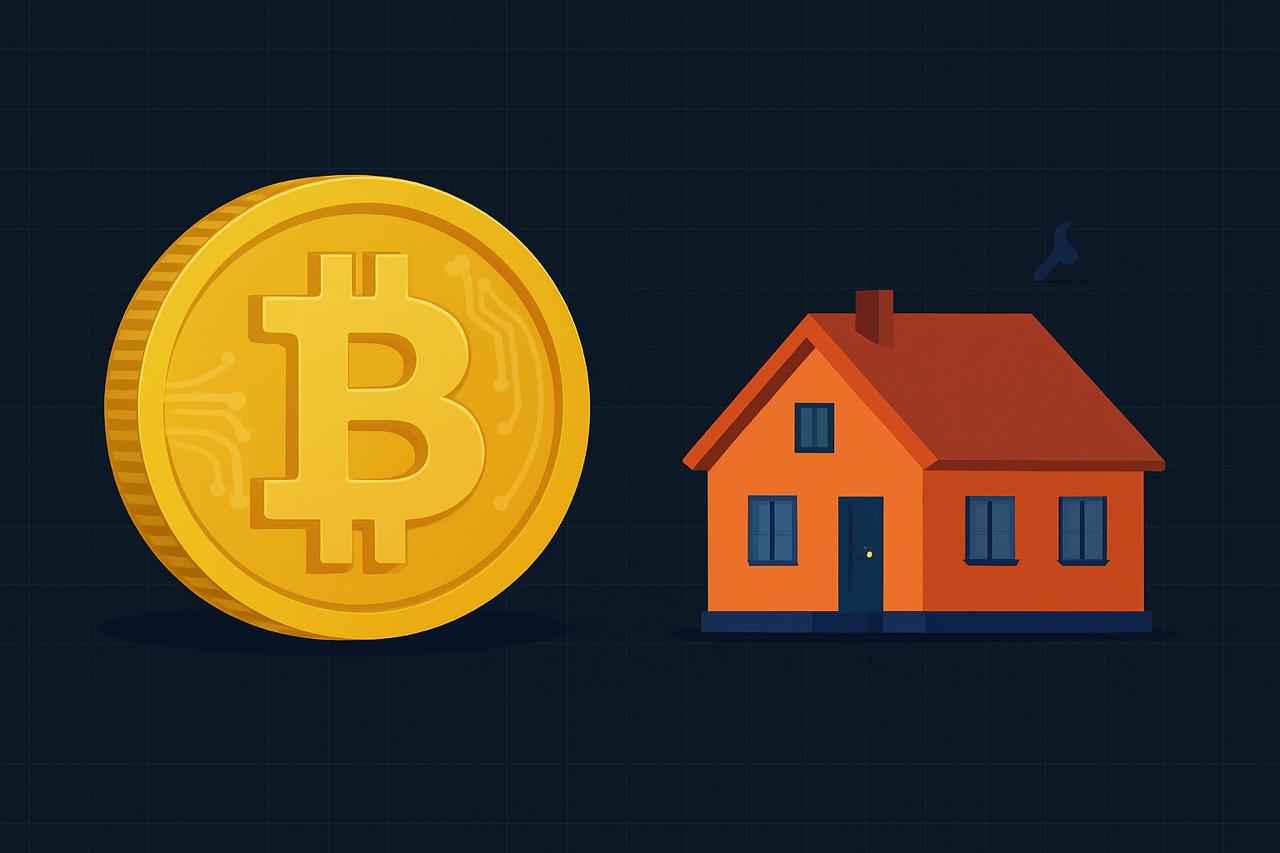
The post Buy a Luxury Home in the UAE With Bitcoin appeared on BitcoinEthereumNews.com. Bitcoin UAE city of Ras Al Khaimah’s leading developer is stepping into the digital asset era. RAK Properties, a publicly traded company with a market value of around $1.3 billion, announced it will now accept cryptocurrency for international property sales. Buyers will be able to settle transactions in Bitcoin, Ethereum, Tether’s USDT, and several other major tokens. Payments will be processed through regional fintech firm Hubpay, which will handle conversions into UAE dirhams before funds are deposited into RAK’s accounts. CFO Rahul Jogani said the decision reflects the firm’s aim to meet the expectations of a new wave of digitally savvy investors. “We’re opening the door to a modern ecosystem of customers who see value in transacting with digital assets,” he explained. Expanding Portfolio in 2025 Listed on the Abu Dhabi Securities Exchange since 2005, RAK Properties is one of the UAE’s largest real estate developers. The company posted a net profit of 281 million dirhams in 2024, marking a 39% increase from the previous year, and is planning 12 new projects in 2025 as part of its ongoing growth strategy. UAE’s Rising Crypto Adoption The move highlights the UAE’s rapid rise as a global hub for digital assets. Industry leaders expect crypto to become one of the country’s largest economic sectors within the next five years, fueled by regulatory clarity and strong institutional interest. Recent data from Chainalysis shows that crypto activity in the UAE has surged across transaction sizes, with retail activity climbing more than 75% year-over-year as of mid-2024. With both Dubai and Abu Dhabi already pushing forward progressive frameworks, Ras Al Khaimah’s entrance into crypto-driven real estate adds another layer to the country’s fast-evolving digital economy. The information provided in this article is for informational purposes only and does not constitute financial, investment, or trading advice.…

Author: BitcoinEthereumNews
Buy a Luxury Home in the UAE With Bitcoin – Real Estate Now Open to Crypto Buyers

Buy a Luxury Home in the UAE With Bitcoin – Real Estate Now Open to Crypto Buyers

Buyers will be able to settle transactions in Bitcoin, Ethereum, Tether’s USDT, and several other major tokens. Payments will be […] The post Buy a Luxury Home in the UAE With Bitcoin – Real Estate Now Open to Crypto Buyers appeared first on Coindoo.

Author: Coindoo
Metaplanet Bitcoin: Japanese Giant Unveils Ambitious 210,000 BTC Acquisition Plan

Metaplanet Bitcoin: Japanese Giant Unveils Ambitious 210,000 BTC Acquisition Plan

BitcoinWorld Metaplanet Bitcoin: Japanese Giant Unveils Ambitious 210,000 BTC Acquisition Plan The world of corporate finance is witnessing a remarkable shift, and at its forefront is Metaplanet, a publicly listed Japanese company. Their recent announcement to dramatically increase their Metaplanet Bitcoin holdings has captured global attention, signaling a bold new chapter in digital asset integration. This isn’t just another purchase; it’s a strategic move that could redefine corporate treasury management for years to come. Metaplanet Bitcoin: A Strategic Leap Towards Digital Assets In a significant development, shareholders of Metaplanet have given their approval for an ambitious plan. The company aims to acquire a staggering 210,000 BTC by 2027. This decision, as reported by Cryptoslate, underscores a growing trend among forward-thinking corporations to embrace Bitcoin as a core treasury asset. It’s a clear indicator of confidence in Bitcoin’s long-term value. The acquisition strategy is robust, with Metaplanet planning to raise up to 555 billion yen, equivalent to approximately $3.58 billion, through an issuance of preferred shares. This funding mechanism provides a clear path for the company to achieve its ambitious target. The pivotal shareholders’ meeting on September 1 saw notable attendance, including Eric Trump, the second son of former U.S. President Donald Trump. His presence at such a crucial corporate decision highlights the increasing mainstream interest and potential influence of high-profile figures in the crypto space. Metaplanet is no stranger to the Bitcoin arena. They had previously announced the purchase of an additional 1,009 BTC, bringing their total holdings at that time to 20,000 BTC. This latest approval significantly scales up their commitment, positioning them as a major institutional player in the Bitcoin ecosystem. Why Are Companies Like Metaplanet Embracing Bitcoin? The decision by Metaplanet to significantly invest in Metaplanet Bitcoin is part of a broader trend. Companies are increasingly looking for alternative assets to protect their capital from inflationary pressures and economic uncertainties. Bitcoin, often dubbed ‘digital gold,’ offers a decentralized and finite supply, making it an attractive store of value. For many corporate treasuries, traditional assets like cash or short-term bonds offer diminishing returns in today’s economic climate. Bitcoin presents an opportunity for potential appreciation and diversification away from conventional financial instruments. This strategic pivot can provide long-term growth potential for shareholders. Moreover, adopting Bitcoin can signal a company’s forward-thinking approach and innovation. It aligns with the growing digital economy and can attract investors who are keen on exposure to the cryptocurrency market. This proactive stance can enhance a company’s market perception and appeal. The Road Ahead: Funding and the Future of Metaplanet Bitcoin Holdings Securing 210,000 BTC by 2027 is a substantial undertaking. Metaplanet’s plan to fund this through preferred shares is a strategic choice. Preferred shares typically offer fixed dividends and priority in receiving payments over common stock, making them an appealing option for investors seeking stability while supporting the company’s growth initiatives. This structured funding approach minimizes immediate impact on the company’s common stock valuation while providing the necessary capital for the acquisition. It reflects a carefully considered financial strategy designed to integrate Bitcoin into their balance sheet responsibly. As Metaplanet systematically acquires its target 210,000 Metaplanet Bitcoin, the crypto community will be closely watching. This long-term acquisition strategy suggests a belief in sustained Bitcoin value growth and its increasing role in global finance. It also sets a precedent for other publicly traded companies considering similar moves. What Does This Bold Move Mean for the Crypto Market? Metaplanet’s ambitious acquisition plan carries significant implications for the broader cryptocurrency market. Such substantial institutional interest from a Japanese company could inspire other corporations, particularly in Asia, to explore Bitcoin as a treasury asset. This ripple effect could further accelerate global institutional adoption. The consistent demand created by entities like Metaplanet adds a layer of stability to Bitcoin’s market. While volatility remains a characteristic of cryptocurrencies, large-scale, long-term holdings by public companies can contribute to a more mature and resilient market structure. This signals growing confidence from traditional finance. However, challenges remain. Regulatory landscapes for cryptocurrencies are constantly evolving, and market volatility can still impact asset values. Despite these factors, Metaplanet’s commitment highlights a calculated risk-reward assessment, betting on Bitcoin’s enduring value proposition. Metaplanet’s audacious plan to acquire 210,000 Metaplanet Bitcoin by 2027 is a landmark decision. It underscores a growing conviction in Bitcoin’s role as a vital asset for corporate treasuries. This move not only solidifies Metaplanet’s position as a leader in digital asset adoption but also sends a powerful message to the global financial community: Bitcoin is here to stay, and its integration into mainstream corporate strategy is rapidly accelerating. The journey of Metaplanet will undoubtedly serve as a case study for future corporate Bitcoin endeavors. Frequently Asked Questions (FAQs) What is Metaplanet?Metaplanet is a publicly listed Japanese company that has strategically integrated Bitcoin into its corporate treasury. How much Bitcoin does Metaplanet plan to acquire?Metaplanet shareholders have approved a plan to purchase an impressive 210,000 BTC by 2027. How will Metaplanet fund this large Bitcoin acquisition?The company plans to raise up to 555 billion yen (approximately $3.58 billion) through an issuance of preferred shares to fund the acquisition. Why are more companies like Metaplanet adding Bitcoin to their treasury?Companies are increasingly adopting Bitcoin as a hedge against inflation, a store of value, and a diversification strategy from traditional assets, seeking long-term growth potential. What is the significance of Eric Trump’s attendance at the shareholders’ meeting?Eric Trump’s presence highlights the growing mainstream and high-profile interest in corporate Bitcoin adoption and the broader cryptocurrency market. What was Metaplanet’s Bitcoin holding before this announcement?Prior to this approval, Metaplanet had acquired an additional 1,009 BTC, bringing its total holdings to 20,000 BTC. Did Metaplanet’s ambitious Bitcoin strategy capture your interest? Share this article with your network to spark conversations about the future of corporate treasuries and the evolving role of digital assets! To learn more about the latest Bitcoin market trends, explore our article on key developments shaping Bitcoin institutional adoption. This post Metaplanet Bitcoin: Japanese Giant Unveils Ambitious 210,000 BTC Acquisition Plan first appeared on BitcoinWorld and is written by Editorial Team

Author: Coinstats
BullZilla, SPX6900 And Fartcoin Leading Investor Picks In 2025

BullZilla, SPX6900 And Fartcoin Leading Investor Picks In 2025

The post BullZilla, SPX6900 And Fartcoin Leading Investor Picks In 2025 appeared on BitcoinEthereumNews.com. The cryptocurrency market has a way of surprising even its most seasoned observers. While established players like Bitcoin and Ethereum dominate headlines, meme coins often capture investor imagination with raw, viral momentum. From the rise of Dogecoin to the explosive growth of Shiba Inu, history shows how niche projects can spark billion-dollar valuations overnight. According to Messari’s 2025 sector analysis, meme coin trading volume has grown over 220% year-on-year, reflecting their persistent cultural grip despite market volatility . Amid this surge, three tokens are rising as investor favorites: BullZilla ($BZIL), SPX6900, and Fartcoin. Each has a distinct appeal, yet all share one trait, an ability to harness community-driven energy into financial ecosystems that defy traditional valuation models. Investors looking for the top new meme coins to invest in now are closely tracking these names like SPX6900 (down 1.04% in 24 hours to $1.11) and Fartcoin (down 6.45% in 24 hours to $0.003755). BullZilla: The Presale Titan Forging Momentum BullZilla ($BZIL) has emerged as a presale powerhouse with mechanics designed to reward early conviction. Currently in the phase 2 of stage 1, the BullZilla presale has already sold more than 13.77 billion tokens, raising over $85,662. At this stage, investors can acquire tokens at $0.00001242, compared to the initial price of $0.00000575. Zilla DNA: Tokenomics That Build Scarcity The strength of Bull Zilla lies in its Zilla DNA, a tokenomic structure designed to create long-term sustainability: Presale Engine (50% – 80 billion tokens): Allocated to drive community growth, with a progressive pricing model that ensures tokens become scarcer over time. Staking System (20% – 32 billion tokens): The HODL Furnace rewards holders with up to 70% APY, incentivizing long-term conviction while lowering short-term sell pressure. Treasury & Ecosystem (20% – 32 billion tokens): Dedicated to development, marketing, and post-launch expansion. Burn…

Author: BitcoinEthereumNews
3 Altcoins to Buy as Ethereum Holds $4,386 — Analysts Highlight ETC, LINK, and MAGACOIN

3 Altcoins to Buy as Ethereum Holds $4,386 — Analysts Highlight ETC, LINK, and MAGACOIN

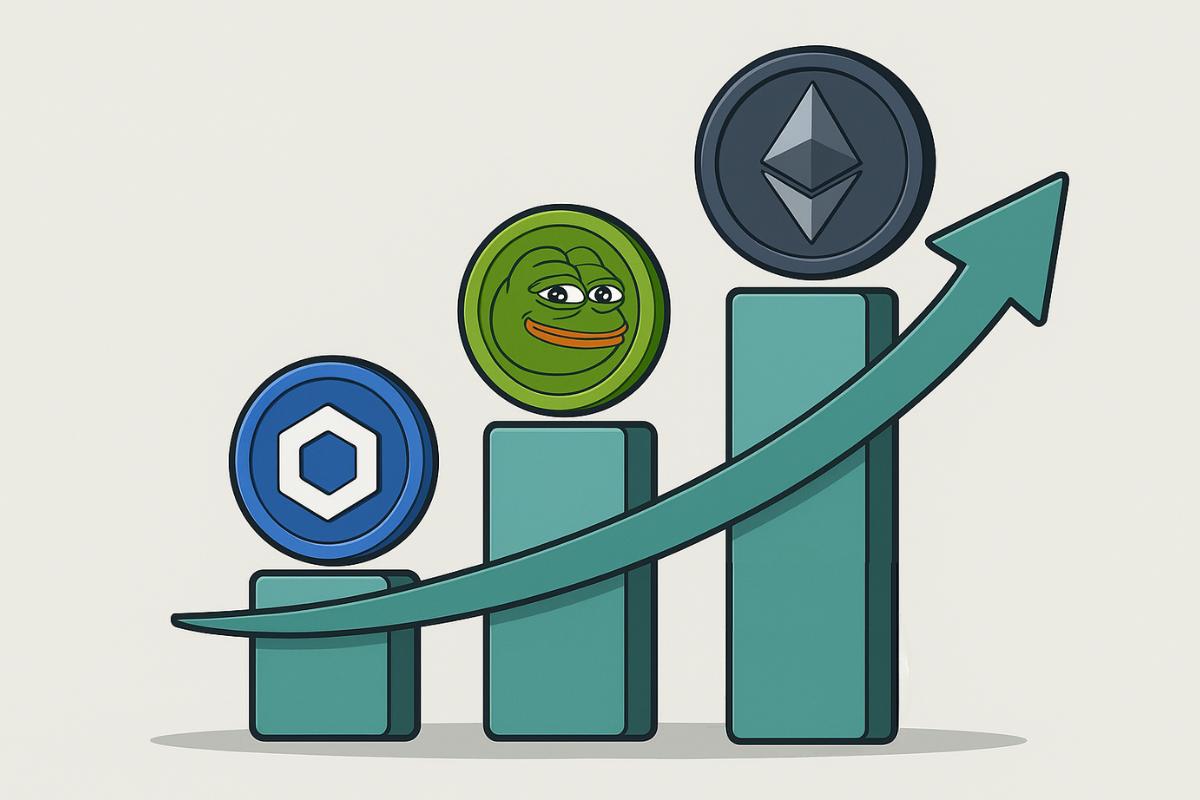
The post 3 Altcoins to Buy as Ethereum Holds $4,386 — Analysts Highlight ETC, LINK, and MAGACOIN appeared on BitcoinEthereumNews.com. Crypto News Ethereum steadies near $4,386 as altcoins line up for the next move. Analysts point to Ethereum Classic, Chainlink, and a hidden gem presale as top buys for 2025. Ethereum’s surge toward the $4,500 resistance level has triggered renewed speculation across the altcoin market, with traders scanning for the next breakout candidates. Analysts argue that if ETH manages to consolidate above this zone, it could ignite a wave of capital rotation into mid-cap and emerging tokens. Altcoins like Ethereum Classic, Chainlink, and Polygon are already seeing momentum build, while MAGACOIN FINANCE is quietly gaining recognition as a rising star that could benefit from this cycle’s appetite for early-stage opportunities. Ethereum Classic (ETC): Currently $21 With a Target Toward $30 Ethereum Classic’s current value is approximately $21.03. By December 2025, this value is expected to reach as high as $29 to $30. Many are emphasising the importance of Ethereum Classic’s features for the currency. According to experts, the economy is expected to continue expanding steadily without a severe global economic recession. Chainlink (LINK): Strengthening at $23 With RWA Momentum The current price of Chainlink is $23.27 after significant growth surpassing higher and lower moving averages. Several things suggest the liquidity and potential of LINK. The market capitalization has been estimated to be nearly $14 billion and trades in higher volume. Cross-Chain Interoperability Protocol, or CCIP, enables the transfer of tokens across multiple networks. Chainlink’s infrastructure provides institutional entities with a better understanding of the crypto market, leading to the potential of a larger investment cycle raising prices above thirty dollars. Early-Stage Opportunities in the Cycle Beyond Ethereum’s impact on larger-cap altcoins, traders are also flagging MAGACOIN FINANCE as a new gem gaining momentum. The project is currently in its early access phase, and investor demand continues to grow ahead of…

Author: BitcoinEthereumNews
3 Altcoins Set to Explode After Ethereum Hits $4,500 Resistance

3 Altcoins Set to Explode After Ethereum Hits $4,500 Resistance

Ethereum’s surge toward the $4,500 resistance level has triggered renewed speculation across the altcoin market, with traders scanning for the […] The post 3 Altcoins Set to Explode After Ethereum Hits $4,500 Resistance appeared first on Coindoo.

Author: Coindoo
WLFI Token Buybacks: Strategic Move Unlocking Value for Holders

WLFI Token Buybacks: Strategic Move Unlocking Value for Holders

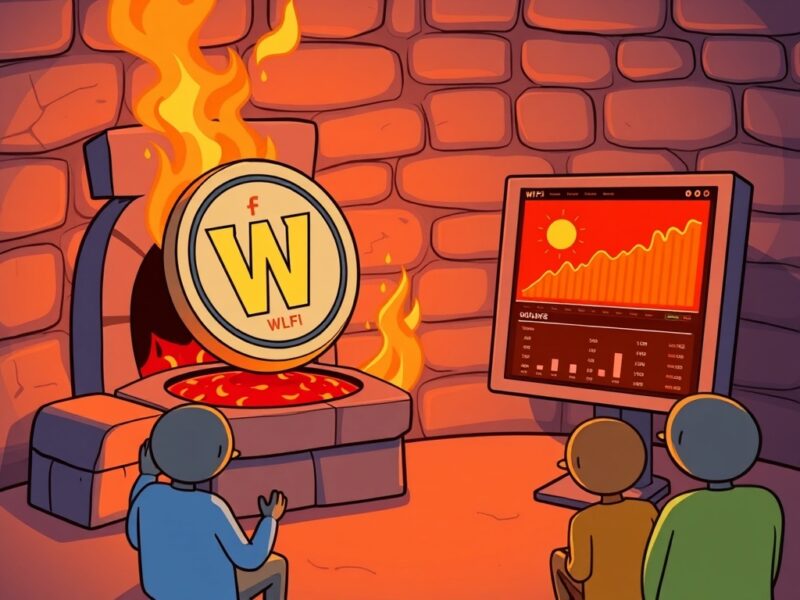
BitcoinWorld WLFI Token Buybacks: Strategic Move Unlocking Value for Holders The world of decentralized finance (DeFi) is constantly evolving, with projects seeking innovative ways to create value for their communities. A significant development is unfolding with WorldLibertyFinancial (WLFI), a DeFi project that has recently put forward a compelling proposal. This initiative centers around a robust strategy involving WLFI token buybacks and burns, aiming to enhance the token’s long-term viability and benefit its holders. If you’re invested in the crypto space, understanding this move is crucial for grasping how projects are building sustainable ecosystems. What Are WLFI Token Buybacks and Burns? Before diving into the specifics of WLFI’s proposal, let’s clarify what WLFI token buybacks and burns entail. In essence, a token buyback occurs when a project uses its generated revenue or funds to repurchase its own tokens from the open market. This action reduces the circulating supply, which can, in turn, increase the token’s scarcity and potentially its price. Token Buyback: The project buys its own tokens from exchanges. Token Burn: The purchased tokens are then permanently removed from circulation, usually by sending them to an unspendable “burn” address. This combined mechanism is a popular strategy employed by many crypto projects to manage supply, reward holders, and demonstrate a commitment to token value. For WLFI, the proposal suggests dedicating all liquidity fees to this process, making it a central pillar of their tokenomics. Unlocking Value Through WLFI Token Buybacks The team behind WorldLibertyFinancial has proposed a game-changing approach: utilizing all fees generated from managing the protocol’s liquidity specifically for WLFI token buybacks and subsequent burns. This is not just a minor adjustment; it’s a fundamental shift in how the project intends to create and distribute value. By committing 100% of these fees, WLFI aims to directly channel protocol success back into the token’s ecosystem. This proposal could significantly impact the token’s economics: Increased Scarcity: Regular burns reduce the total supply, making each remaining WLFI token potentially more valuable. Price Support: Constant buying pressure from the protocol can help stabilize or even increase the token’s market price. Holder Confidence: Such a transparent and direct value-creation mechanism can instill greater trust and confidence among WLFI holders. This strategy demonstrates a clear intent to align the protocol’s operational success with the interests of its token holders, fostering a stronger community and a more robust digital asset. Understanding the WLFI Proposal: A Deep Dive The proposal from the WLFI team, which has garnered attention due to its reported links, outlines a clear path for resource allocation. The core idea is simple yet powerful: any fees collected from the management of the protocol’s liquidity pools will no longer be used for operational costs or other discretionary spending. Instead, every single dollar (or crypto equivalent) will be funneled directly into buying back WLFI tokens from the market and then burning them. Consider the implications: Sustainable Growth: This creates a direct feedback loop where protocol usage directly fuels token value. Transparency: The commitment of “all” fees leaves little room for ambiguity, promoting clear financial practices. Community Focus: It signals a strong commitment to the community, as the benefits of protocol activity are shared with token holders. This move is particularly interesting in the DeFi space, where various fee structures exist. By dedicating 100% of liquidity fees to WLFI token buybacks, the project is setting a high bar for community-centric tokenomics. Potential Benefits and Challenges of WLFI Token Buybacks While the prospect of consistent WLFI token buybacks and burns is exciting, it’s essential to consider both the potential benefits and any challenges that might arise. On the benefit side, as mentioned, increased scarcity and potential price appreciation are key. For example, if the protocol sees significant activity, the continuous demand for WLFI tokens could create a strong floor for its value. However, like any financial strategy, there are nuances: Market Volatility: While buybacks can provide support, they don’t fully insulate a token from broader market downturns. Protocol Performance: The effectiveness of the buyback mechanism is directly tied to the protocol’s ability to generate liquidity fees. If usage declines, so too will the buyback volume. Long-Term Sustainability: The model assumes consistent protocol activity. Therefore, the team’s ongoing development and marketing efforts remain crucial. Ultimately, this proposal positions WLFI as a project that is actively seeking to enhance its token’s economic model, offering a compelling case for potential and existing holders. It’s a bold statement about their long-term vision and commitment to the WLFI ecosystem. A Promising Future for WLFI Holders? The proposal for dedicated WLFI token buybacks and burns represents a significant strategic pivot for WorldLibertyFinancial. By committing all liquidity fees to this mechanism, the project aims to create a self-sustaining cycle of value creation that directly benefits its community. This approach could set a new standard for transparency and holder-centric tokenomics within the DeFi landscape. As the crypto market continues to mature, such innovative strategies will likely play a crucial role in determining project success and investor confidence. It will be interesting to observe how this proposal unfolds and impacts the WLFI token’s journey in the coming months. Frequently Asked Questions (FAQs) Q1: What is the primary goal of WLFI token buybacks and burns? A1: The primary goal is to reduce the circulating supply of WLFI tokens, increase their scarcity, and potentially enhance their market value for the benefit of holders. Q2: Where do the funds for the WLFI token buybacks come from? A2: The proposal states that all fees generated from managing the protocol’s liquidity will be used exclusively for WLFI token buybacks and subsequent burns. Q3: How does this proposal benefit WLFI token holders? A3: Holders can benefit from increased token scarcity, potential price appreciation due to reduced supply and consistent buying pressure, and enhanced confidence in the project’s long-term value strategy. Q4: Is this strategy common in the DeFi space? A4: While token buybacks and burns are common, dedicating 100% of liquidity fees to this mechanism is a particularly strong commitment, showcasing a direct link between protocol success and token value. Q5: What are the potential risks associated with this strategy? A5: Risks include broader market volatility, the strategy’s effectiveness being dependent on consistent protocol activity and fee generation, and the need for ongoing development to maintain user engagement. Q6: When will this WLFI token buybacks proposal be implemented? A6: The article describes it as a proposal, implying it is either under consideration or pending implementation. Further official announcements from the WLFI team would provide specific timelines. If you found this analysis insightful, consider sharing it with your network! Stay informed about the latest developments in the crypto world by spreading valuable knowledge. To learn more about the latest crypto market trends, explore our article on key developments shaping the cryptocurrency space’s future price action. This post WLFI Token Buybacks: Strategic Move Unlocking Value for Holders first appeared on BitcoinWorld and is written by Editorial Team

Author: Coinstats
After 3 months of grinding, I only received $10: Should we cancel the airdrop?

After 3 months of grinding, I only received $10: Should we cancel the airdrop?

Author: OxTochi Compiled by Chopper, Foresight News I still remember my first cryptocurrency airdrop like it was yesterday. It was 2020, and I was still busy completing bounties on Bitcointalk. One morning, I was woken by the ping of a WhatsApp message from a friend. "Have you used Uniswap?" he asked. I replied "Yes," and he said, "Then you should have 400 UNI tokens to claim, which is now worth over $1,000." I immediately went to Uniswap's Twitter page to find the claim link and sold them immediately after claiming them. It's that simple, free money falling from the sky. No forms to fill out, no levels to grind in Discord, no "you need to contribute to get it" rules or anything like that. Looking back now, that moment defined what airdrops should be: a surprise “subsidy” for users of your favorite product who are using it, instead of the worthless garbage activities that they are today. The Golden Age of Airdrops Later, I received a 1-inch airdrop. At that time, any wallet eligible for UNI could receive 1 inch. But it was the dYdX airdrop that truly changed my understanding of airdrops. To participate, I had to cross-chain my ETH to the dYdX protocol. At the time, most Layer 2 projects were still in the whitepaper stage, and cross-chain fees were incredibly high. I made a few trades to generate some volume, but it wasn't a lot, and then I withdrew my assets. With just one day of trading, I ended up receiving a five-figure airdrop, which is still incredible when I think about it now. The total value of the airdrops I received was over $20,000 at its peak. To be honest, I sold half of them midway through. After all, it was "free money," so it was best to lock in the profits. The dYdX airdrop gave me my first decent capital, and I dove right into DeFi. During the "DeFi summer," I did liquidity mining on Juldswap, making around $250 a day. Honestly, I miss those days terribly. The decline of airdrops Of course, such good times can’t last forever. After dYdX, I participated in airdrops for Scroll, Arbitrum, Optimism, and zkSync. The zkSync airdrop was the beginning of my “bad airdrop experience.” However, I’ll never forget the Scroll airdrop. Anticipation for it was sky-high, and even co-founder Sandy’s famous “lower expectations” tweet couldn’t dampen enthusiasm. Expectations were constantly raised, only to be met with disappointment. The Scroll airdrop was ridiculously low, a joke. The mood in the crypto community plummeted from anticipation to despair. Honestly, this airdrop left a lasting impression on me, and I vowed immediately to never participate in Layer 2 airdrop mining again. If it was just Scroll this time, maybe I could accept it. But what really makes me uncomfortable is that I realize that such "low-quality airdrops" will become the norm in the future. Today's airdrop chaos Fast forward to today, and the airdrop scene is abysmal. What were once "surprise airdrops" have long since become "industrialized Sybil attack-style airdrop farming." You have to spend months, even years, interacting with various protocols: cross-chain, adding liquidity, burning gas fees, and building so-called "user loyalty." Ultimately, whether you get an airdrop depends entirely on luck, and even if you do, the amount is pitifully small. Even more outrageous, there's even a practice of "airdrop claiming channels are only open for 48 hours." I think Sunrise was the first to do this. Even if you finally get your money, you'll find the amount isn't worth the time and effort you put in, and often comes with an absurdly demanding unlocking schedule. For example, the 0G Labs airdrop unlocks quarterly over 48 months—that's four years! There’s so much shit like this happening now that when I see those “Alpha Airdrop” tweets, my first reaction is, “Oh, another cheap airdrop.” Game between project owners and users The truth is: in recent years, users' mindsets have become utilitarian, and there's no need to sugarcoat it. People now use products solely for the rewards; no one is willing to spend hours clicking and contributing to the community just for the sake of a so-called ecosystem. What about the project owners? They certainly want loyal users, but they're even more interested in "stellar data" to show VCs, like high user numbers and a large community. These figures are enough to inflate valuations when preparing their fundraising pitches. Thus, the battle between users and project owners becomes a game of "data manipulation" versus "data prevention." The result is: neither side is happy. Users feel they’ve been tricked, and the project owners face the challenge of user retention. What should an airdrop look like? If I were to redesign the airdrop, I'd probably go back to the Uniswap model: no pie-in-the-sky promises, no leaderboards, and just give loyal users a surprise bonus one day. This alone would reduce the phenomenon of "industrialized airdrop manipulation" and lower users' unrealistic expectations. Alternatively, one can learn from Sui’s “pre-sale airdrop” model and set a reasonable fully diluted valuation (FDV) to give early contributors and users the opportunity to buy tokens at preferential terms. Currently, the closest to this model are probably Cysic and Boundless. They use a "level system" to reward users with pre-sale discounts based on their contribution to various activities in the ecosystem. Or, just cancel the airdrop altogether and focus on building a truly usable product: something with real product-market fit and a solid revenue model, rather than copying and pasting the same thing 200 times. Honestly, this would be in the long-term interest of the crypto community. Conclusion The current state of airdrops is abysmal. It’s a disservice to the users who invest their time in airdrops, and it doesn’t help projects build real communities. The end result is a situation where everyone feels they’ve been taken advantage of. Perhaps canceling the airdrop and instead building a product that allows everyone to make money would be a better option?

Author: PANews
NFT Market Overview: Courtyard Surges to $1.67M Daily Volume as CryptoPunks Dominate High-Value Sales

NFT Market Overview: Courtyard Surges to $1.67M Daily Volume as CryptoPunks Dominate High-Value Sales

The NFT market has been experiencing dynamic changes to date, with both more time-tested blue-chip collections and new initiatives causing a lot of action.

Author: Blockchainreporter