RWA

RWA (Real World Assets) refers to the tokenization of tangible assets—such as real estate, private credit, and government bonds—on the blockchain. By bringing traditional financial instruments on-chain, RWA protocols like Ondo and Centrifuge provide DeFi users with stable, real-yield opportunities. In 2026, the RWA sector is a multi-trillion-dollar bridge between TradFi and DeFi, enabling fractional ownership and global liquidity for previously illiquid assets. Follow this tag for insights into on-chain credit markets, regulatory compliance, and asset-backed security innovations.

42869 Articles
Created: 2026/02/02 18:52
Updated: 2026/02/02 18:52

Best Crypto Presale Pepeto vs Little Pepe Who Will Lead the Next Cycle

Best Crypto Presale Pepeto vs Little Pepe Who Will Lead the Next Cycle

The presale is already approaching Stage 10, with more than $6.3 million raised, and each round is selling out faster […] The post Best Crypto Presale Pepeto vs Little Pepe Who Will Lead the Next Cycle appeared first on Coindoo.

Author: Coindoo
New Zealand Retail Sales ex Autos (QoQ) increased to 0.7% in 2Q from previous 0.4%

New Zealand Retail Sales ex Autos (QoQ) increased to 0.7% in 2Q from previous 0.4%

The post New Zealand Retail Sales ex Autos (QoQ) increased to 0.7% in 2Q from previous 0.4% appeared on BitcoinEthereumNews.com. Information on these pages contains forward-looking statements that involve risks and uncertainties. Markets and instruments profiled on this page are for informational purposes only and should not in any way come across as a recommendation to buy or sell in these assets. You should do your own thorough research before making any investment decisions. FXStreet does not in any way guarantee that this information is free from mistakes, errors, or material misstatements. It also does not guarantee that this information is of a timely nature. Investing in Open Markets involves a great deal of risk, including the loss of all or a portion of your investment, as well as emotional distress. All risks, losses and costs associated with investing, including total loss of principal, are your responsibility. The views and opinions expressed in this article are those of the authors and do not necessarily reflect the official policy or position of FXStreet nor its advertisers. The author will not be held responsible for information that is found at the end of links posted on this page. If not otherwise explicitly mentioned in the body of the article, at the time of writing, the author has no position in any stock mentioned in this article and no business relationship with any company mentioned. The author has not received compensation for writing this article, other than from FXStreet. FXStreet and the author do not provide personalized recommendations. The author makes no representations as to the accuracy, completeness, or suitability of this information. FXStreet and the author will not be liable for any errors, omissions or any losses, injuries or damages arising from this information and its display or use. Errors and omissions excepted. The author and FXStreet are not registered investment advisors and nothing in this article is intended…

Author: BitcoinEthereumNews
Dogecoin, XRP, SUI ETFs Incoming? October Could Spark Next Crypto ETF Boom

Dogecoin, XRP, SUI ETFs Incoming? October Could Spark Next Crypto ETF Boom

The U.S. exchange-traded fund (ETF) market may soon see an expansion well beyond Bitcoin and Ethereum. In recent filings, 21Shares submitted proposals for an active crypto ETF, as well as 2x leveraged products for Dogecoin and Sui. An active ETF would give managers greater flexibility in adjusting holdings, a structure that could appeal to institutions seeking dynamic exposure to digital assets rather than passively tracking a single token. Meanwhile, the proposed leveraged DOGE and SUI funds reflect the increasing appetite for speculative, high-beta instruments within regulated frameworks. These products, if approved, would allow traders to gain returns from short-term movements in the underlying tokens, though they also carry greater risks. XRP ETF Filings Gain Momentum The most recent development came from multiple asset managers, including Grayscale, Bitwise, Canary, CoinShares, Franklin Templeton, 21Shares, and WisdomTree, all of which filed amendments to their proposed spot XRP ETFs. The updates, submitted Friday, are designed to address feedback from the Securities and Exchange Commission (SEC) and demonstrate issuers’ willingness to comply with regulatory expectations. XRP has long been at the center of legal and regulatory debates, making these ETF applications a pivotal moment for the token’s future adoption on Wall Street. Approval would provide institutional investors with a direct, regulated avenue to gain exposure to XRP, potentially reshaping liquidity and market dynamics for one of the world’s largest cryptocurrencies. Grayscale Targets Avalanche With Nasdaq Listing Separately, Grayscale Investments filed a Form S-1 registration statement with the SEC to launch the Grayscale Avalanche Trust (AVAX). The trust seeks to track the price of Avalanche, with Coinbase Custody acting as custodian and Coinbase, Inc. serving as prime broker. This marks a continuation of Grayscale’s push to broaden its crypto product suite beyond Bitcoin and Ethereum. If approved, the AVAX trust would become one of the first U.S.-listed investment vehicles offering exposure to a layer-1 blockchain token outside the two dominant digital assets, showing a deeper integration of altcoins into mainstream finance. October Deadlines Could Be Crucial Regulators are expected to issue decisions on several pending applications in October, including products tied to Trump Media and Solana (SOL). With multiple issuers pressing forward and amendments rolling in, next month could prove to be a turning point for the crypto ETF landscape. The combination of active strategies, leveraged products, and potential approvals for altcoin ETFs suggests the industry is preparing for a new wave of investor demand. If the SEC moves forward, October may mark the start of the next crypto ETF boom

Author: CryptoNews
$100 LINK by 2025? The Bold Chainlink Prediction No One Saw Coming

$100 LINK by 2025? The Bold Chainlink Prediction No One Saw Coming

Continue reading on Coinmonks »

Author: Medium
Interview | Sui Group’s blueprint for an active SUI treasury

Interview | Sui Group’s blueprint for an active SUI treasury

Sui Group's Marius Barnett discusses in an interview its ties with the Sui Foundation

Author: Crypto.news
Bitcoin Boom Could Send Strategy Stock Soaring, XRP Lawyer Claims

Bitcoin Boom Could Send Strategy Stock Soaring, XRP Lawyer Claims

John Deaton, the well-known attorney from the XRP community, believes the company’s shares could break out in spectacular fashion if […] The post Bitcoin Boom Could Send Strategy Stock Soaring, XRP Lawyer Claims appeared first on Coindoo.

Author: Coindoo
MLB-Worst Colorado Rockies Trying To Find Some Light In Dark Season

MLB-Worst Colorado Rockies Trying To Find Some Light In Dark Season

The post MLB-Worst Colorado Rockies Trying To Find Some Light In Dark Season appeared on BitcoinEthereumNews.com. Colorado Rockies interim manager Warren Schaeffer, left, and catcher Austin Nola, right, look to the bullpen after relief pitcher Seth Halvorsen left the mound because of an injury in the ninth inning of a baseball game against the Pittsburgh Pirates, Saturday, Aug. 2, 2025, in Denver. (AP Photo/David Zalubowski) Copyright 2025 The Associated Press. All rights reserved. It was a lost weekend for the Colorado Rockies. The Rockies were swept in a three-game series by the Pirates in Pittsburgh, getting outscored 18-1 at PNC Park. It’s been that kind of season for the Rockies as they have the worst record in the major leagues at 37-94. They were officially eliminated from postseason contention Sunday with five weeks remaining in the season. Of course, the Rockies had been unofficially eliminated from the pennant race since seemingly opening day. They were 7-33 on May 11 when longtime manager Bud Black was fired and replaced by bench coach Warren Schaeffer on an interim basis. The Rockies didn’t reach double digits in wins until beating the Miami Marlins on June 2, improving to a wretched 10-50. They reached their low-water mark on Aug. 11, falling 58 games under .500 with a 30-88 record. Rockies Likely To Avoid 121 Losses It could be worse. The Rockies once appeared certain to break the modern-day MLB record of 121 losses set by last year’s Chicago White Sox. Now, the Rockies need to win just five of their last 31 games to avoid that distinction. However, until getting shut down by the Pirates, the Rockies had been playing respectably since the All-Star break. They had gone 9-11 in the second half and arrived in Pittsburgh having won five of seven games. Winning nine of 20 isn’t a big deal to most teams. However, when you are 10-50 at…

Author: BitcoinEthereumNews
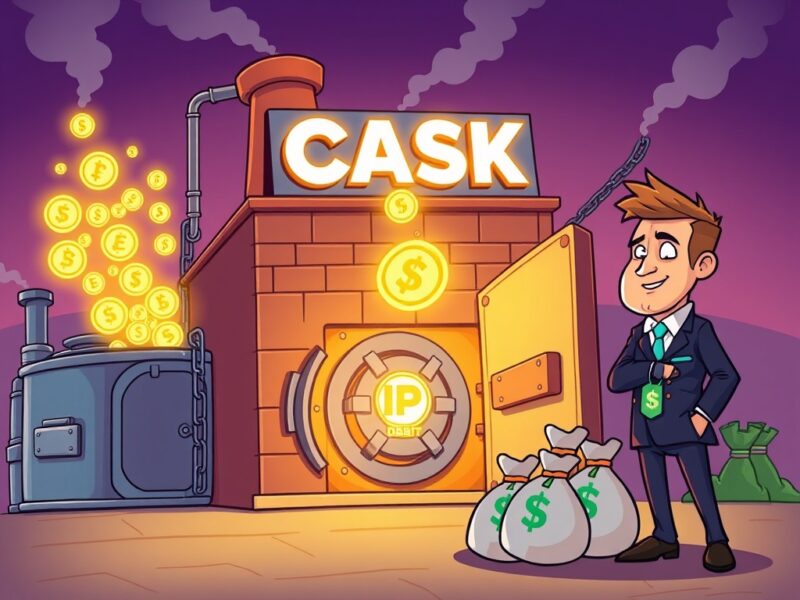
IP Tokens: How Heritage Distilling Revolutionizes Finance with a $320M Digital Asset Strategy

IP Tokens: How Heritage Distilling Revolutionizes Finance with a $320M Digital Asset Strategy

BitcoinWorld IP Tokens: How Heritage Distilling Revolutionizes Finance with a $320M Digital Asset Strategy In a groundbreaking move, Heritage Distilling (Nasdaq: CASK) is making headlines, not just for its spirits, but for a bold new financial strategy involving IP tokens. The company recently announced a massive $223.8 million private placement. This significant capital infusion has enabled them to acquire over $320 million worth of IP tokens, fundamentally reshaping their balance sheet and setting a new course for growth in the digital asset space. What Exactly Did Heritage Distilling Achieve with IP Tokens? This isn’t just about raising money; it’s about strategic financial engineering. Heritage Distilling didn’t just boost its coffers; it made a series of calculated moves that demonstrate a forward-thinking approach to corporate finance. Here’s a breakdown of their impressive achievements: Massive Capital Raise: A successful private placement secured $223.8 million, showing strong investor confidence. Strategic Digital Asset Acquisition: The company acquired 53.2 million IP tokens, valued at over $320 million. This marks a significant pivot into a digital asset treasury strategy. Debt Elimination: All $19.3 million of existing debt was fully cleared. This is a huge win for financial stability. Interest Expense Savings: By eliminating debt, Heritage Distilling will save approximately $2 million annually in interest expenses, directly boosting profitability. Reduced Lease Costs: Further financial optimization led to a $550,000 annual reduction in lease costs, freeing up even more capital. These actions, as reported by Businesswire, paint a picture of a company aggressively improving its financial health and embracing innovative asset classes. Why Are IP Tokens a Game Changer for Corporate Finance? For many, the idea of a traditional company like a distillery venturing into digital assets might seem unconventional. However, the strategic acquisition of IP tokens by Heritage Distilling highlights a growing trend. These tokens, in this context, represent a new form of digital asset that can be integrated into a company’s treasury. They offer unique benefits: Yield Generation: Heritage Distilling plans to stake these IP tokens for yield. Staking involves locking up digital assets to support the operations of a blockchain network, in return for rewards, much like earning interest on traditional savings. Diversification: Adding digital assets can diversify a company’s treasury beyond traditional cash and securities, potentially offering new avenues for growth and hedging against inflation. Innovation and Modernization: Embracing tokenization positions the company as an innovator, potentially attracting a new demographic of investors and customers familiar with the digital economy. This move isn’t merely speculative; it’s a calculated decision to leverage emerging financial technologies for tangible benefits. What Does This Mean for Heritage Distilling’s Future Growth? The financial restructuring and the adoption of IP tokens have profound implications for Heritage Distilling’s future. By eliminating debt and reducing operational costs, the company has significantly improved its financial flexibility. This newfound capital and reduced burden will fuel expansion in two key areas: Core Distilling Business: With more capital available, Heritage Distilling can invest in expanding its production, marketing, and distribution networks, strengthening its position in the competitive spirits market. IP Tokenization Sector: The company is also positioning itself to grow within the broader “IP tokenization sectors.” This suggests they might explore further ventures in digital assets, perhaps even creating their own tokens or engaging in other blockchain-related initiatives. This could involve tokenizing intellectual property or other assets related to their brand. This dual-pronged growth strategy demonstrates a clear vision for both traditional business expansion and innovative digital asset integration. Unlocking Potential: The Strategic Benefits of Digital Assets The case of Heritage Distilling offers a compelling example of how established companies can harness the power of digital assets. The immediate benefits are clear: debt relief, cost savings, and new revenue streams through staking. Moreover, by stepping into the world of IP tokens, the company gains a competitive edge. They are not just participating in the future of finance; they are actively shaping it for their own benefit. This bold step could inspire other traditional businesses to explore similar opportunities, understanding that digital assets are becoming an undeniable part of the global financial landscape. The ability to free up capital and strategically deploy it in both conventional and cutting-edge sectors positions Heritage Distilling for sustained success. In conclusion, Heritage Distilling’s strategic financial maneuver, centered around a substantial investment in IP tokens, marks a pivotal moment. By clearing debt, slashing expenses, and embracing a digital asset treasury, the company has not only fortified its financial foundation but also unlocked significant potential for future growth in both its traditional distilling operations and the burgeoning tokenization economy. This innovative approach truly sets a precedent for corporate adaptation in the modern financial era. Frequently Asked Questions (FAQs) Q1: What exactly are IP tokens in the context of Heritage Distilling’s announcement? A1: In this specific announcement, IP tokens refer to a type of digital asset acquired by Heritage Distilling. While the exact nature of these tokens isn’t fully detailed in the report, they are part of a new digital asset treasury strategy and are intended to be staked for yield. This means they likely represent a stake in a blockchain network or a related digital property. Q2: How did Heritage Distilling manage to acquire $320 million in IP tokens? A2: Heritage Distilling acquired these IP tokens using proceeds from a successful $223.8 million private placement. This capital raise provided the necessary funds for their strategic digital asset investment. Q3: What are the primary financial benefits Heritage Distilling gained from this strategy? A3: The company achieved several significant financial benefits: they fully eliminated $19.3 million in debt, saving $2 million annually in interest expenses, and also reduced annual lease costs by $550,000. These actions substantially improved their profitability and financial flexibility. Q4: What does it mean to “stake IP tokens for yield”? A4: Staking is a process in the cryptocurrency world where holders lock up their digital assets (like IP tokens) to support the operations and security of a blockchain network. In return for their participation, they earn rewards, often in the form of additional tokens, similar to earning interest on a bank deposit. Q5: How does this digital asset strategy impact Heritage Distilling’s traditional business? A5: This strategy positively impacts the traditional business by freeing up significant capital. By eliminating debt and reducing operational costs, the company has more resources to invest in expanding its core distilling operations, marketing, and distribution, ensuring growth in both sectors. If you found Heritage Distilling’s innovative leap into digital assets and financial restructuring insightful, consider sharing this article with your network! Help us spread the word about how traditional companies are embracing the future of finance and the potential of IP tokens. To learn more about the latest crypto market trends, explore our article on key developments shaping corporate crypto adoption and its future impact. This post IP Tokens: How Heritage Distilling Revolutionizes Finance with a $320M Digital Asset Strategy first appeared on BitcoinWorld and is written by Editorial Team

Author: Coinstats
How the SBI Chainlink Partnership Could Reshape Tokenized Assets

How the SBI Chainlink Partnership Could Reshape Tokenized Assets

According to an official source, the SBI Chainlink partnership marks a turning point for crypto in Asia. It connects SBI Group’s financial influence with Chainlink’s blockchain power. Together, they’re building tools for tokenized assets, on-chain fund data, and transparent stablecoin reserves. For anyone watching crypto, this deal brings blockchain from the backroom into real finance with real impact. Institutional Tokens in Motion The SBI Chainlink partnership leans on Chainlink’s Cross-Chain Interoperability Protocol (CCIP) to unlock real-world asset tokenization. That means bonds and other assets go on-chain, and investors can participate with clarity and flexibility. Through MAS Project Guardian, SBI Digital Markets, UBS, and Chainlink ran a pilot that automated fund subscriptions, redemptions, and real-time NAV using smart contracts. This isn’t theory, it’s a tested blueprint for future fund management. Institutional Tokens in Motion Transparency and Efficiency for Funds Beyond tokenization, the SBI Chainlink partnership adds proof-of-reserve capabilities to stablecoins. That gives users real-time visibility of backing building confidence. Plus, it helps streamline fiscal controls. Chainlink, UBS, and SBI also used CCIP for atomic delivery-versus-payment (PvP), where fund shares and payment settle in one step. That cuts settlement risks and speeds things up nicely. Bridging TradFi and Crypto This partnership shows crypto can sync with existing finance systems. A pilot with Swift, SBI, UBS, and Chainlink used SWIFT rails to settle tokenized fund trades—without forcing on-chain cash. Swift’s Jonathan Ehrenfeld highlighted that this hybrid model could let traditional investors join tokenized funds seamlessly. Chainlink’s Sergey Nazarov agreed, calling it a “pragmatic path for global adoption.” What It Means for Markets With the SBI Chainlink partnership, we see a tangible upgrade in how funds move and settle. Analysts view such institutional moves as clear signs of crypto maturing and not just hype. Here’s a snapshot: Use Case Why It Matters Tokenized RWAs Makes assets like bonds tradeable anytime On-Chain NAV & Governance Adds transparency and reduces manual errors Proof-of-Reserve Stablecoins Fosters trust among institutions and users SWIFT Integration Blends crypto with traditional payment systems Core impacts of the SBI Chainlink partnership on tokenization, transparency, and cross-border finance Conclusion Based on the latest research, the SBI Chainlink partnership is showing us what serious crypto adoption looks like, scaled-up, regulated, and real. It’s not about hype anymore; it’s about simplifying asset transfers, bringing trust to stablecoins, and giving traditional finance new pathways. This could very well be the blueprint that sparks Asia’s wider tokenization revolution. For more expert reviews and crypto insights, visit our dedicated platform for the latest news and predictions. Summary The SBI Chainlink partnership brings blockchain tools to Asia’s institutions, focusing on tokenized real-world assets, on-chain NAV, and stablecoin reserve checks. Pilots under MAS Project Guardian showed how smart contracts and Chainlink’s Cross‑Chain Interoperability Protocol (CCIP) can automate fund operations. With WSIB, UBS, and SWIFT integration, this collaboration pushes crypto toward mainstream adoption, boosting transparency, speed, and trust in digital finance. FAQs on SBI Chainlink Partnership Q1: What’s the main aim of the SBI Chainlink partnership? It aims to bring tokenization, secure settlement, and data transparency to institutional finance using Chainlink’s blockchain tools. Q2: Is this just a pilot or heading to production? Pilots—especially under MAS Project Guardian—have proved the model. Expect more live rollouts soon. Q3: Why does SWIFT matter in this? SWIFT lets tokenized funds settle using familiar infrastructure, bridging crypto and legacy finance. Glossary of Key Terms Tokenized RWAs: Real-world assets like bonds turned into blockchain tokens. CCIP: Cross‑Chain Interoperability Protocol by Chainlink for seamless data and asset flow. On-Chain NAV: Fund’s net asset value available in real time. Proof-of-Reserve: Verifying stablecoin backing directly on-chain. PvP Settlement: Atomic delivery and payment in one transaction.   Read More: How the SBI Chainlink Partnership Could Reshape Tokenized Assets">How the SBI Chainlink Partnership Could Reshape Tokenized Assets

Author: Coinstats
Best Crypto to Buy Now Why Analysts Pick PEPETO Over Cardano Hyperliquid and Solana

Best Crypto to Buy Now Why Analysts Pick PEPETO Over Cardano Hyperliquid and Solana

Which crypto will lead this bull run and deliver the kind of returns that change lives?

Author: The Cryptonomist