What Is an Altcoin? Top 10 Altcoins to Know in 2026 | Beyond Bitcoin Beginner's Guide
Key Takeaways
Table of Contents
- How to Research Altcoins: A Framework for Evaluating Cryptocurrency Projects
Understanding Altcoins: What They Are and How They Differ from Bitcoin?
- Those that share similar code with Bitcoin but have been modified to include new features
- Those built from scratch with completely different code and operating mechanisms
Types of Altcoins: From Stablecoins to Memecoins
Stablecoins
Utility Tokens
Payment Tokens
Governance Tokens
Security Tokens
Meme Coins
Play-to-Earn Tokens
Top 10 Altcoins in 2025: Market Leaders and Their Use Cases
- Ether (ETH)
- XRP
- Solana (SOL)
- Cardano (ADA)
- Litecoin (LTC)
- Dogecoin (DOGE)
- Tether (USDT)
- USD Coin (USDC)
- Shiba Inu (SHIB)
Altcoin Dominance and Market Cap: Essential Metrics for Crypto Investors
Altcoin Dominance
Altcoin Dominance = (Total Crypto Market Cap – Bitcoin Market Cap) / Total Crypto Market Cap × 100%
- Rising altcoin dominance (typically above 55%) often signals an altcoin season, where alternative cryptocurrencies outperform Bitcoin
- Falling altcoin dominance usually indicates a Bitcoin-focused market where investors are prioritizing the leading cryptocurrency
Altcoin Market Cap
- Steady growth in the overall altcoin market cap often indicates sustainable interest in the broader crypto ecosystem
- Sudden spikes might signal excessive speculation or a potential bubble
- Comparing individual altcoin market caps helps you understand their relative importance and adoption levels
Altcoin Season Index: When and Why Alternative Cryptocurrencies Outperform Bitcoin
What Triggers Altcoin Season?
How to Identify Altcoin Season
- Relative Performance: If most altcoins are outperforming Bitcoin over a certain period, it suggests an altcoin season may be underway.
- Bitcoin Dominance: When Bitcoin's share of the total crypto market capitalization decreases, it typically indicates money flowing into altcoins.
- Trading Volume: Increased trading activity in altcoins compared to Bitcoin can signal the start of an altcoin season.
- Social Media Sentiment: Growing interest in specific altcoins on social platforms often precedes price increases.
Historical Altcoin Bull Runs and Their Patterns
- 2017-2018: Bitcoin's market dominance dropped from 86.3% to 38.69%, coinciding with the ICO (Initial Coin Offering) boom.
- 2020-2021: During the COVID-19 pandemic, retail investors sought opportunities beyond Bitcoin, leading to the rise of meme coins like Dogecoin and the NFT (Non-Fungible Token) market.
Duration of Altcoin Season
Investing in Altcoins: Potential Rewards and Risk Factors
Pros of Investing in Altcoins
- Improvement Over Bitcoin: Many altcoins were designed to address specific limitations of Bitcoin, such as transaction speed, energy consumption, or functionality. This can give them technical advantages in certain use cases.
- Higher Growth Potential: Since altcoins typically have smaller market capitalizations than Bitcoin, they may offer greater percentage returns if they succeed. A $1,000 investment in a successful small altcoin could potentially multiply much more than the same investment in Bitcoin.
- Diverse Investment Options: With thousands of altcoins available, investors can choose projects that align with specific technologies, industries, or problems they believe in.
- Utility Beyond Currency: Many altcoins offer functionality beyond being a store of value, such as powering decentralized applications or providing governance rights in blockchain projects.
Cons of Investing in Altcoins
- Higher Risk: Altcoins generally carry more risk than Bitcoin. Many projects fail completely, resulting in the loss of investment. The smaller the altcoin, typically the higher the risk.
- Market Volatility: Altcoin prices can be extremely volatile, with possible price swings of 20-30% in a single day. This volatility can make altcoin investments stressful and difficult to time.
- Less Liquidity: Most altcoins have lower trading volumes than Bitcoin, making it potentially difficult to buy or sell large amounts without affecting the price.
- Regulatory Uncertainty: The regulatory landscape for cryptocurrencies is still developing, and future regulations could significantly impact certain types of altcoins, particularly those that might be classified as securities.
- Scams and Failures: The altcoin space has seen numerous scams, fraudulent projects, and failed ventures. Without proper research, investors can easily fall victim to pump-and-dump schemes or projects that never deliver on promises.
How to Research Altcoins: A Framework for Evaluating Cryptocurrency Projects
- Understand the Project's Purpose and Problem It Solves
- What real-world problem does the altcoin address?
- Is there an actual need for this solution, or is it solving a non-existent problem?
- How does it compare to existing solutions both in and outside the crypto space?
- Evaluate the Team
- Research the background and experience of the development team
- Look for transparency about team members' identities and qualifications
- Check if the team has successfully delivered projects in the past
- Examine the number of active developers working on the project
- Read the White Paper
- Clear and specific technical explanations
- Well-defined roadmap with realistic timelines
- Transparent tokenomics (how tokens are distributed and used)
- Red flags like vague descriptions, unrealistic promises, or poor writing
- Analyze Tokenomics
- What is the total supply of tokens?
- How are tokens distributed (team allocation, public sale, etc.)?
- Is there a mechanism for managing inflation?
- Are there lock-up periods for team tokens?
- Assess Market Metrics
- Market capitalization: The total value of all tokens in circulation
- Liquidity: How easily the token can be bought or sold without affecting price
- Trading volume: How much of the token is being traded daily
- Price history: How the token has performed over time
- Community and Adoption
- Size and engagement of the community on social media, forums, etc.
- Partnerships with established companies or organizations
- Real-world use and adoption statistics
- Quality of communication from the project team
- Security and Audits
- Has the code been audited by reputable security firms?
- Has the project experienced any security breaches?
- How decentralized is the network?
How to Buy and Trade Altcoins on MEXC
- Create Your MEXC Account: Visit MEXC.com, sign up with your email, set a strong password, and enable two-factor authentication for security.
- Verify Your Identity: Complete the simple KYC process by uploading your ID and taking a selfie for verification.
- Fund Your Account: Deposit funds using credit/debit cards, bank transfers, crypto transfers from other wallets, or MEXC's P2P marketplace.
- Start Trading Altcoins: Navigate to the Markets section, search for your desired altcoin among MEXC's 1,500+ trading pairs, select your preferred pair (e.g., SOL/USDT), choose a Market or Limit order, enter your amount, and confirm.
- Secure Your Investment: Store smaller amounts in your MEXC wallet for convenience, explore MEXC's Earn products, or transfer larger holdings to external wallets for long-term storage.
Why Choose MEXC for Altcoin Trading
- Extensive Selection: Access to over 1,500 cryptocurrencies and trading pairs
- Competitive Fees: Some of the lowest trading fees in the industry, with further discounts for MX token holders
- High Liquidity: Deep order books ensure smooth execution even for larger trades
- User-Friendly Interface: Intuitive platform design for both beginners and experienced traders
- Robust Security: Multi-layer protection systems safeguarding your assets
- 24/7 Support: Dedicated Customer Service available around the clock
Altcoin Wallet Guide: Securing Your Cryptocurrency Investments
Types of Cryptocurrency Wallets
Hardware Wallets (Cold Storage)
- Physical devices that store your private keys offline
- Examples: Ledger, Trezor, Tangem
- Highest security option, recommended for large holdings
- Protects against online hacking attempts
- Usually costs between $50-$200
Software Wallets
- Desktop Applications: Installed on your computer (e.g., Exodus, Electrum)
- Mobile Apps: Wallet apps on your smartphone (e.g., Trust Wallet, MetaMask mobile)
- Web Wallets: Browser-based wallets (e.g., MetaMask browser extension)
- More convenient than hardware wallets but less secure
Exchange Wallets
- Storing assets directly on the exchange where you purchased them
- Most convenient but least secure option
- Suitable only for small amounts or short-term holding
- Exchange controls your private keys
Paper Wallets
- Physical documents containing your private keys
- Completely offline storage
- Very secure if created properly, but challenging to use
- Not recommended for beginners
Security Best Practices
- Never share your private keys or recovery phrases with anyone
- Write down recovery phrases on paper (not digitally) and store in a secure location
- Use strong, unique passwords for all cryptocurrency-related accounts
- Enable two-factor authentication (2FA) using an authenticator app, not SMS
- Use multiple wallet types – hot wallets for frequent transactions, cold storage for long-term holding
- Keep your software updated to patch security vulnerabilities
- Be cautious of phishing attempts targeting your crypto assets
- Consider using a dedicated device for crypto transactions
- Backup your wallet according to the provider's recommendations
- Start with small test transactions before moving large amounts
Conclusion
FAQs about Altcoins
What is the main difference between bitcoin and altcoins?
Is Ether considered an altcoin?
What are altcoins used for?
How many altcoins exist?
Are altcoins a good investment?
What is the most popular altcoin?
How do I know which altcoin to invest in?
What causes altcoin prices to change?
Can I mine altcoins like Bitcoin?
Where can I learn more about specific altcoins?

Популярные статьи
Узнать больше
Конкуренты Oura: Samsung, Apple и рынок умных колец
Конкуренты Oura делятся на три группы, согласно её проспекту IPO: производители умных часов, такие как Apple, Google и Samsung; фитнес-трекеры, такие как Garmin, Coros и Whoop; и чисто программные при
Прибыльна ли Oura? Выручка, бизнес-модель и оценка стоимости
Да, Oura прибыльна по чистой прибыли. В её проспекте IPO указана чистая прибыль в размере 60,8 млн долларов при выручке 1,21 млрд долларов за девять месяцев до 30 июня 2026 года. Убыток в 924,3 млн до
Обзор Bitget 2026: 3,8 из 5, самая глубокая линейка копи-трейдинга и уход из Японии — три даты, которые нужно знать
По состоянию на 25 сентября 2026 года Bitget получает 3,8 из 5 баллов по нашей системе оценки из шести критериев. Биржа лидирует в деривативах, получает предварительные 3,5 балла за безопасность после
Популярные новости
Узнать больше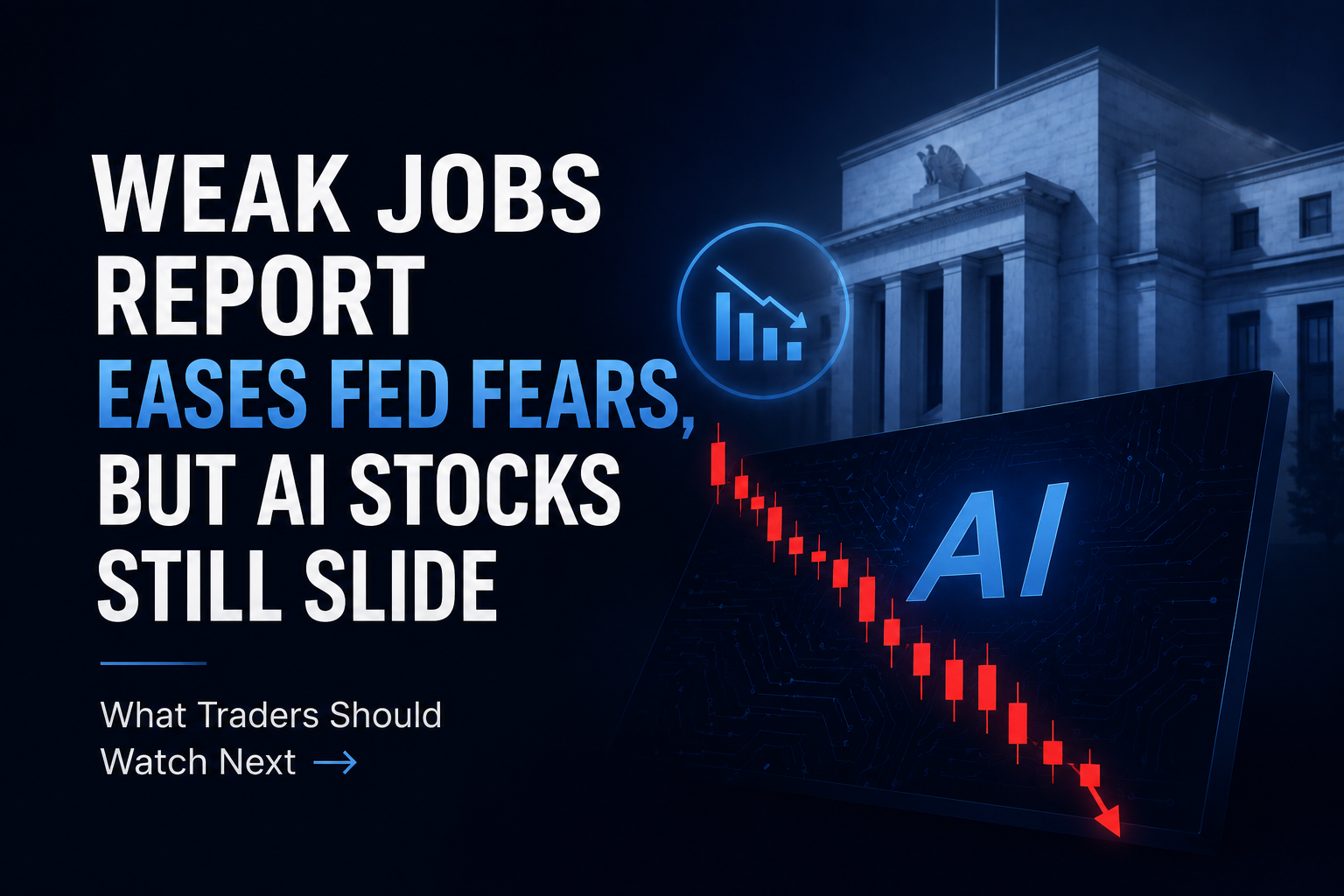
Слабый отчет по занятости ослабляет опасения по поводу ФРС, но акции ИИ продолжают падать: за чем стоит следить трейдерам
Июньский отчет по занятости в США стал четким сигналом замедления экономики, не оправдав ожиданий и снизив опасения по поводу повышения ставки Федеральной резервной системы. Несмотря на снижение доход

Bitget покидает Японию: услуги для резидентов Японии прекращаются 31 декабря 2026 года
Bitget прекратит обслуживание пользователей в Японии 31 декабря 2026 года. Затронутые пользователи должны закрыть открытые позиции и вывести активы до указанного срока.

Mastercard завершает приобретение BVNK на сумму до 1,8 млрд $ — стейблкоины выходят в ядро глобальных платежей
Mastercard завершила приобретение поставщика инфраструктуры стейблкоинов BVNK 3 августа 2026 года после объявления о сделке в марте.

Соотношение спотовых объемов торгов DEX к CEX достигло 24% на фоне ослабления активности на централизованных биржах
Согласно текущей серии данных The Block, отношение объема спотовых торгов на децентрализованных биржах к объему на централизованных биржах достигло 24,14% в июле 2026 года. Эта цифра не означает, что
Связанные статьи
Узнать больше
Что такое мейннет Arc? Дата запуска, валидаторы и что заработает на старте
Публичный мейннет сети Arc, разработанной Circle, должен заработать 16 сентября 2026 года. Arc — это открытый, совместимый с EVM блокчейн первого уровня (Layer 1), в котором комиссии за газ оплачивают
Срок подачи KYC для Pi Network 14 марта 2025 года: Полный гид по верификации
KYC Pi NetworkPi Network продлил срок KYC (Знай своего клиента) до 14 марта 2025 года, 8:00 по всемирному координированному времени (UTC), что становится последней возможностью для Пионеров обеспечить

Как купить свой первый Bitcoin на MEXC
Для новичков, входящих в мир криптовалют, покупка первой криптовалюты может показаться сложной задачей. Это подробное руководство демонстрирует, как купить Bitcoin (BTC) за USD или EUR на платформеMEX