Dapp

Dapps are digital applications that run on a P2P network of computers rather than a single server, typically utilizing smart contracts to ensure transparency and uptime. In 2026, Dapps have achieved mass-market appeal through Account Abstraction, allowing for a "Web2-like" user experience with the security of Web3. This tag covers the entire ecosystem of decentralized software—from social media and productivity tools to governance platforms and identity management.

4934 Articles
Created: 2026/02/02 18:52
Updated: 2026/02/02 18:52
Layer-3 Networks Are The Missing Link In Blockchain Infrastructure

Layer-3 Networks Are The Missing Link In Blockchain Infrastructure

The post Layer-3 Networks Are The Missing Link In Blockchain Infrastructure  appeared first on Coinpedia Fintech News Few people will argue that blockchain hasn’t been a success. It has emerged as the foundation of an entirely new and decentralized internet known as Web3, while underpinning cryptocurrency assets with a combined market capitalization of more than $3.trillion, transforming the way finance operates.  Yet for all of its success, blockchain could still be so …

Author: CoinPedia
Even with a 60% fee reduction, it still can't compete with Solana? The compliance and ecosystem game behind Tron's fee dilemma

Even with a 60% fee reduction, it still can't compete with Solana? The compliance and ecosystem game behind Tron's fee dilemma

By Chloe, ChainCatcher On the 26th of last month, Tron implemented its largest-ever fee cuts. Justin Sun stated, "This proposal is a real benefit for users, with a 60% fee reduction. Ordinary networks don't have the courage to do that." He also mentioned that this will have an impact on the short-term profitability of the Tron network, as network fees have been directly reduced by 60%, but long-term profitability will be enhanced because more users and more transactions will occur on Tron. The latest gasfeesnow data shows that even after the fee was halved, Tron's USDT transfer cost is still as high as $2.02-4.22, far exceeding other major blockchain networks. The contrast is clear from the fee comparison: even at the TronCastle-optimized price of $1.09-2.21, it is still 15 times higher than Arbitrum ($0.10), 302 times higher than Solana ($0.0036), and even 3,633 times higher than Polygon ($0.0003) at the time of writing. Aptos has a minimum price of $0.0001 USD. Why were costs so high before the cuts? Tron doesn't use ETH's gas model; instead, it utilizes a unique bandwidth + energy model. Bandwidth provides users with a daily free quota, enabling simple transfers. Energy is used for contract execution, and transferring USDT (TRC-20) requires energy. Assuming that a USDT transfer consumes approximately 130,000 units of energy, if the user has no resources in their wallet, the system can only burn TRX directly, resulting in high transaction fees. In contrast, Ethereum's Layer 2 solutions, such as Arbitrum and Optimism, use a simpler gas model and offer a more user-friendly experience. Solana, through its unique Proof of History (PoH) and parallel execution architecture, achieves a processing capacity of 2,600 transactions per second while maintaining ultra-low fees. After reducing fees, Tron intends to successfully counter the "price reduction" with "incremental" Tron's 60% fee cut represents a significant market adjustment and a proactive move by the project to boost user growth. According to CryptoQuant, Tron's daily fee revenue fell to $5 million on September 7th, its lowest level in a year. Prior to the August 28th reduction, daily revenue was $13.9 million. According to DeFi Llama on-chain data, Tron's average revenue in September did experience a cliff-like drop compared to the previous month, with a decrease of nearly 50%. Despite the decrease in revenue, on-chain activity has actually increased. Daily transaction volume and the number of active wallets have surged, and the number of newly added smart contracts each day also indicates a continued influx of users and dApp developers. According to Token Terminal data, Tron still accounted for 92.9% of the total revenue of L1 public chains over the past seven days. And over the past 90 days, Tron's total fee revenue was still far higher than that of Ethereum, Solana, BNB Chain, and Avalanche during the same period. Tron and Justin Sun originally expected that as long as users and transaction volume continued to grow, revenue would eventually recover and become more sustainable, which was equivalent to using "incremental growth" to counter "declining unit prices." Although Tron currently appears to maintain an advantage in terms of revenue, with the passage of the GENIUS Act in July this year, the competitive landscape of the future on-chain market is undergoing fundamental restructuring. When facing stricter registration, audit and reserve requirements, stablecoin issuers may re-evaluate the cost-effectiveness of deploying assets on Tron, thereby indirectly affecting the network's stablecoin trading volume and ecological activity. This change poses a major hurdle for Tron. Wall Street giants are entering the market, and CBDC is maturing. The passage of the GENIUS Act has received mixed reviews, with both advantages and disadvantages for the crypto market. Supporters believe this milestone brings greater credibility to stablecoins and increases the willingness of financial institutions and consumers to use them. Opponents argue that the bill allows the president and related individuals and institutions to profit, creating a conflict of interest with the crypto market. Wall Street giants like BlackRock and JPMorgan have also begun building their own blockchain empires. BlackRock's BUIDL tokenized money market fund has reached $2.2 billion, deployed on multiple networks including Ethereum, Avalanche, Aptos, and Polygon. JPMorgan's Kinexys platform focuses on institutional-grade DeFi and programmable digital cash, providing on-chain lending and digital asset collateral services to corporate clients. The advantages of these traditional financial institutions are: 1. Regulatory compliance: they have deep cooperative relationships with financial regulatory agencies in various countries; 2. Financial strength: BlackRock manages more than trillions of US dollars in assets; 3. A large corporate client base: they already have a mature institutional client network and trust relationships, as well as the technical integration capabilities to seamlessly integrate blockchain into existing financial infrastructure. Tron's compliance gaps are definitely not comparable to the regulatory relationships with BlackRock and JPMorgan. Furthermore, its adoption rate among Fortune 500 companies is extremely low, not to mention the ongoing SEC lawsuit, which is impacting institutional trust. Last week, two US Democratic lawmakers sent a letter to the SEC, demanding an explanation for its decision to suspend Sun's enforcement case, suggesting the decision may be related to Sun's "substantial investment" in crypto projects linked to President Trump. The lawmakers also questioned Tron's recent listing on the Nasdaq, arguing it could pose financial and national security risks and urging the SEC to ensure the company meets stringent listing standards. Furthermore, 98% of global GDP is already covered by central bank digital currency (CBDC) projects, with 19 G20 countries currently developing or piloting CBDCs. CBDC projects in major economies, such as China's digital renminbi (e-CNY), the EU's digital euro, and India's digital rupee, will directly compete with Tron in cross-border payments and large-value settlements. McKinsey research shows that 2025 will be a turning point in the development of stablecoins. The stablecoin market is expected to grow from the current US$150 billion to US$3 trillion in 2030, but this huge increase will mainly be divided up by compliant institutional stablecoins and CBDCs. The market believes that Tron must complete this transformation within this critical timeframe or face marginalization. The crypto market is clearly transitioning from experimental technology to core infrastructure, and only a few platforms will survive this transition.

Author: PANews
Ukraine Emerges as a Heavy Crypto User – Best Cryptos to Buy Now

Ukraine Emerges as a Heavy Crypto User – Best Cryptos to Buy Now

Ukraine ranks among the world’s top crypto adopters, with nearly $1B spent in just a year.

Author: Brave Newcoin
BTC Drops to $109K Amid ETF Slowdown; Bitcoin Hyper Whales Invest $117K in Two Days

BTC Drops to $109K Amid ETF Slowdown; Bitcoin Hyper Whales Invest $117K in Two Days

After soaring past $117K earlier this month, $BTC has slipped into a cooling phase at $109K. The reasons? HODLers are turning cautious and cashing out, not helped by a recent slowdown in ETF purchases. But it’s not all bad news. According to Glassnode data, the current cooldown appears more like a healthy pause than the […]

Author: Bitcoinist
Signal vs Telegram vs extrasafe.chat: Which Messaging App is best for Web3 Users?

Signal vs Telegram vs extrasafe.chat: Which Messaging App is best for Web3 Users?

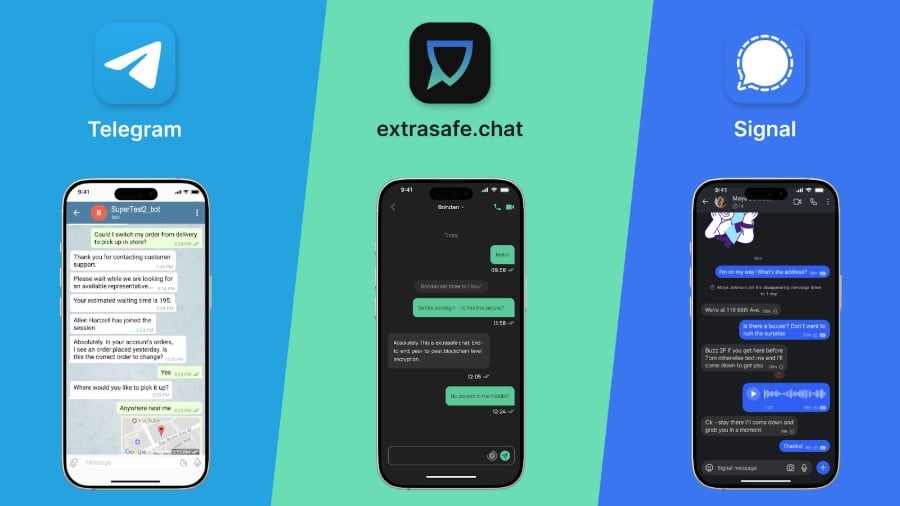
Looking for a Signal or Telegram alternative? Read about a new Web3 chat app that doesn’t require a phone number and is completely private

Author: Brave Newcoin
Bitcoin Hyper Coin Review 2025 — Is it Safe to Invest in? Everything You Need to Know

Bitcoin Hyper Coin Review 2025 — Is it Safe to Invest in? Everything You Need to Know

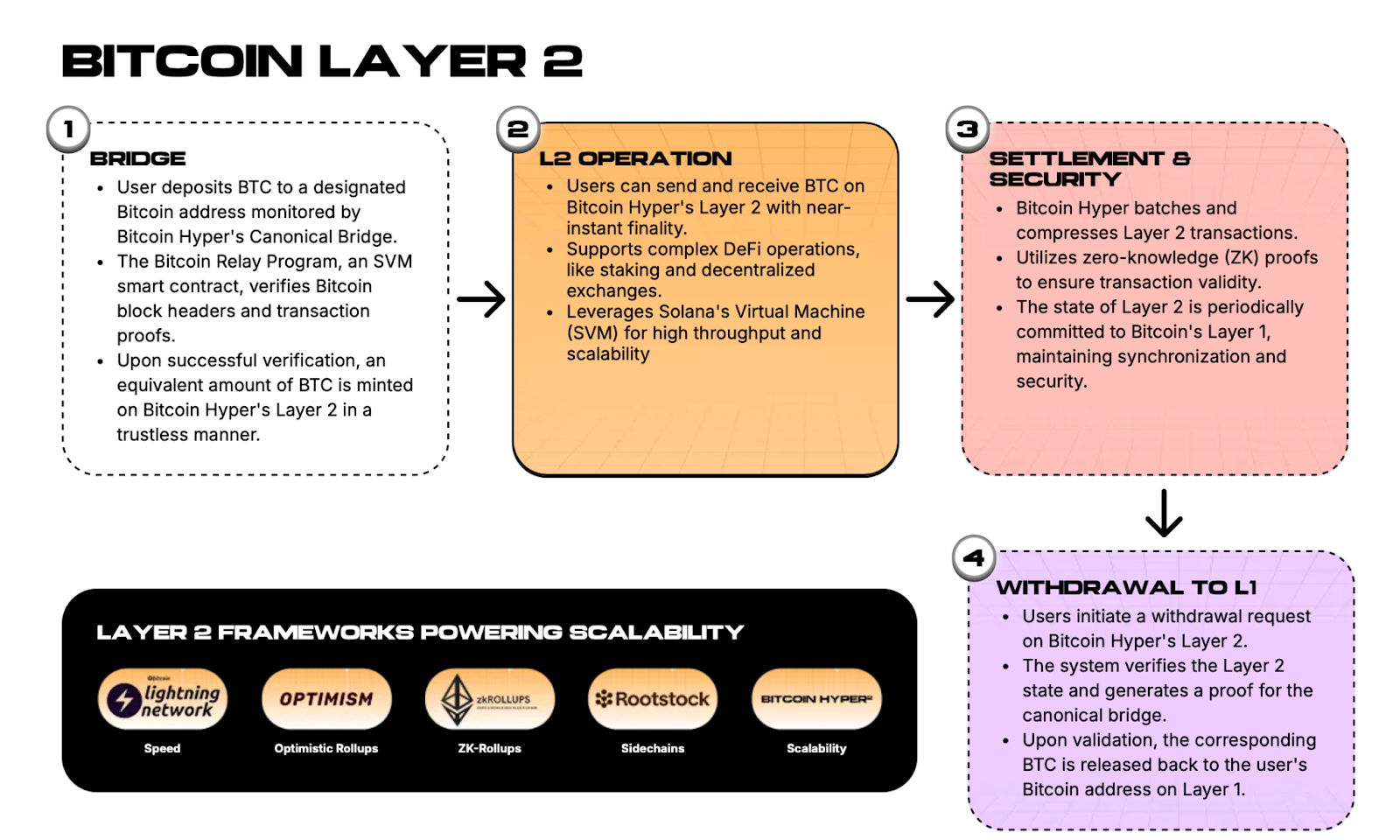
In this Bitcoin Hyper review, we discuss the official token of an innovative Layer-2 project designed to enhance Bitcoin’s scalability and functionality through smart contract support. We’ll cover its utility, tokenomics, community sentiment, security, and investment potential.

Author: Brave Newcoin
Solana (SOL) and Ethereum (ETH) Give Steady Growth, But This Token Could Turn $700 into $70,000 Before 2026

Solana (SOL) and Ethereum (ETH) Give Steady Growth, But This Token Could Turn $700 into $70,000 Before 2026

The post Solana (SOL) and Ethereum (ETH) Give Steady Growth, But This Token Could Turn $700 into $70,000 Before 2026 appeared first on Coinpedia Fintech News As crypto grows, Solana and Ethereum dominate. Both are reliable and produce long-term rewards, but a new strategy may yield larger returns faster. Little Pepe (LILPEPE), a meme coin with strong early sales, fan support, and a well-defined plan, can turn small investments into substantial wins by 2026. Solana and Ethereum may not experience the …

Author: CoinPedia
Top 3 Coins Under $0.50 Predicted to Rally with XRP and Reach $5 Before 2027

Top 3 Coins Under $0.50 Predicted to Rally with XRP and Reach $5 Before 2027

Cryptocurrency maturation continues as institutional inflows and DeFi adoption maintain pace.

Author: Cryptodaily
Best Crypto to Buy Now as US Government Shutdown Warnings Rattle the Market

Best Crypto to Buy Now as US Government Shutdown Warnings Rattle the Market

US government shutdown fears have rattled the cryptocurrency market, making the quest to find the best crypto to buy now even more critical. The news comes from US President Donald Trump, who on Thursday warned that a government shutdown is coming, as the White House raises the stakes in clashes with Democrats and threatens mass […]

Author: The Cryptonomist
Taiko Public Testnet: Unleashing a New Era of Ethereum Scalability with Hoodi

Taiko Public Testnet: Unleashing a New Era of Ethereum Scalability with Hoodi

BitcoinWorld Taiko Public Testnet: Unleashing a New Era of Ethereum Scalability with Hoodi Get ready for a significant leap in Ethereum’s scalability! Taiko, a leading Ethereum Layer 2 network, has officially launched its groundbreaking new Taiko public testnet, ‘Hoodi.’ This isn’t just another update; it’s a strategic move designed to revolutionize how we experience decentralized applications, promising faster, smoother, and more efficient transactions for everyone. Let’s dive into what makes Hoodi a game-changer for the Ethereum ecosystem. Why is the Taiko Public Testnet a Game-Changer? On September 25th, Taiko announced the activation of Hoodi, marking a pivotal moment in its development roadmap. This new Taiko public testnet was crucial for integrating Taiko’s innovative ‘preconfirmation’ feature. This proprietary technology is engineered to significantly boost transaction processing speeds, addressing one of the core challenges faced by current blockchain networks. Preconfirmation Feature: Hoodi enables the activation of Taiko’s unique preconfirmation technology. Enhanced Speed: This feature is designed to drastically improve transaction processing speeds. Future-Proofing: It also paves the way for several new development plans aimed at future growth. The launch of Hoodi signals Taiko’s unwavering commitment to building a scalable, next-generation infrastructure for Ethereum. This move isn’t merely about incremental improvements; it’s about setting a new standard for Layer 2 solutions. What Does Hoodi Mean for Existing Projects and Users? With the arrival of Hoodi, the existing Hekla testnet will soon retire. Specifically, Hekla is scheduled to shut down on September 30th. This means that all projects currently operating on Hekla will need to migrate to the new Taiko public testnet, Hoodi. This migration is a streamlined process designed to ensure continuity and allow projects to immediately benefit from Hoodi’s advanced capabilities. Seamless Migration: Projects will transition from Hekla to Hoodi, ensuring continuous development. Access to Advanced Features: Developers can immediately leverage Hoodi’s improved throughput and user experience enhancements. Future-Ready Platform: Building on Hoodi positions projects on a more scalable and efficient foundation. This transition is not just a technical necessity but an opportunity for developers and users alike. It promises a more robust and responsive environment for decentralized applications (dApps), fostering innovation and a superior user experience. How Does Taiko’s Public Testnet Enhance Throughput and User Experience? Taiko’s core mission is to scale Ethereum effectively, and the Hoodi Taiko public testnet is a monumental step in achieving this. By introducing advanced features like preconfirmation, Taiko aims to dramatically increase the number of transactions the network can handle per second, known as ‘throughput.’ This directly translates into a much smoother and more responsive experience for end-users. Increased Throughput: Hoodi is engineered to process more transactions faster, reducing network congestion. Reduced Latency: The preconfirmation feature minimizes delays, making interactions feel almost instantaneous. Improved User Experience: Faster transactions and greater reliability lead to a more enjoyable and efficient dApp usage. Imagine interacting with dApps without frustrating delays or high gas fees. That’s the vision Taiko is building towards with Hoodi. This strategic upgrade underscores Taiko’s dedication to making Ethereum more accessible and performant for a global audience, reflecting a deep commitment to the future of decentralized technology. The launch of the Hoodi Taiko public testnet is far more than a routine update; it represents a significant leap forward in the quest for Ethereum scalability. By introducing proprietary preconfirmation technology and enhancing overall throughput, Taiko is not just building a Layer 2 solution; it’s crafting a foundational infrastructure for the next generation of decentralized applications. This move reinforces Taiko’s position as a key innovator, driving the entire blockchain ecosystem towards a more efficient, user-friendly, and ultimately, more powerful future. The crypto community eagerly anticipates the transformative impact Hoodi will have. Frequently Asked Questions (FAQs) Q1: What is Taiko’s new public testnet called? A1: Taiko’s new public testnet is named Hoodi. Q2: Why did Taiko launch the Hoodi testnet? A2: Taiko launched Hoodi to accommodate the activation of its proprietary ‘preconfirmation’ feature, which improves transaction processing speeds, and to support several new development plans. Q3: What will happen to the existing Hekla testnet? A3: The existing Hekla testnet will be shut down on September 30th, and all projects currently on Hekla will migrate to Hoodi. Q4: How does Hoodi improve transaction speeds? A4: Hoodi improves transaction speeds through the activation of Taiko’s unique preconfirmation feature, which is designed to significantly enhance transaction processing efficiency and throughput. Q5: What are the main benefits of the Hoodi testnet for users and developers? A5: Hoodi offers increased throughput, reduced latency, and an overall improved user experience due to faster and more reliable transactions. For developers, it provides a more scalable and efficient platform for building dApps. Did you find this deep dive into Taiko’s Hoodi testnet insightful? Share this article with your network on social media to spread the word about this exciting advancement in Ethereum Layer 2 technology! Your engagement helps us continue delivering cutting-edge crypto news and analysis. This post Taiko Public Testnet: Unleashing a New Era of Ethereum Scalability with Hoodi first appeared on BitcoinWorld.

Author: Coinstats