DeFi

DeFi eliminates intermediaries by using smart contracts on blockchains to provide financial services like lending, borrowing, and trading. In 2026, the "DeFi 3.0" era is defined by Institutional DeFi and the integration of Real-World Assets (RWA). From liquidity provisioning on Uniswap to advanced lending on Aave, this tag tracks the evolution of autonomous financial systems, yield optimization, and the rise of AI-driven portfolio management in the decentralized economy.

70093 Articles
Created: 2026/02/02 18:52
Updated: 2026/02/02 18:52

Why Hashj Cloud Mining Is A Game-Changer. BTC, DOGE, And SOL Are All Direct Beneficiaries, Easily Earning $18,789 Per Day.

Why Hashj Cloud Mining Is A Game-Changer. BTC, DOGE, And SOL Are All Direct Beneficiaries, Easily Earning $18,789 Per Day.

The post Why Hashj Cloud Mining Is A Game-Changer. BTC, DOGE, And SOL Are All Direct Beneficiaries, Easily Earning $18,789 Per Day. appeared on BitcoinEthereumNews.com. From the early days of Bitcoin to the ascent of altcoins like XRP (Ripple) and Polkadot (DOT), cryptocurrency mining has always been at the core of digital finance. However, the mining story looks far different in 2025 than it did in the past. Mining has changed from being an expensive, technically difficult task to something that nearly anybody can do from any part of the world, thanks to products like HashJ. This article explains XRP and DOT mining, explains HashJ, lists its benefits, explains why users are using it, defines its ongoing activities, and ends with some important cryptocurrency news updates. A Review of DOT and XRP Mining In the past, the most common way for clients to take part in blockchain verification to earn benefits was by mining currency like Bitcoin. But as time goes along, fresh ideas like XRP and Polkadot ( DOT ) brought about advanced networks and ecosystems that have made them very attractive to both miners and investors. XRP (Ripple): Commonly employed by banks as well as different banks, XRP is known for its fast and cheap transactions. Mining XRP is a little different than mining Bitcoin since the Ripple system sets a greater value on generators than ordinary Proof-of-Work mining. Yet, without need complex setups, cloud mining opportunities are given by websites such as HashJ. DOT (Polkadot): One of the most complex blockchain ecosystems, Polkadot links several blockchains together into a single network. The demand for DOT mining and mounting choices is increasing as its popularity has grown. Through its cloud-based infrastructure, HashJ enables users to join in DOT-based mining and earning rewards activities. For everyday users, both XRP mining and DOT mining can seem technical or expensive — but that’s where HashJ’s cloud mining solution steps in. What is HashJ? Anyone can mine…

Author: BitcoinEthereumNews
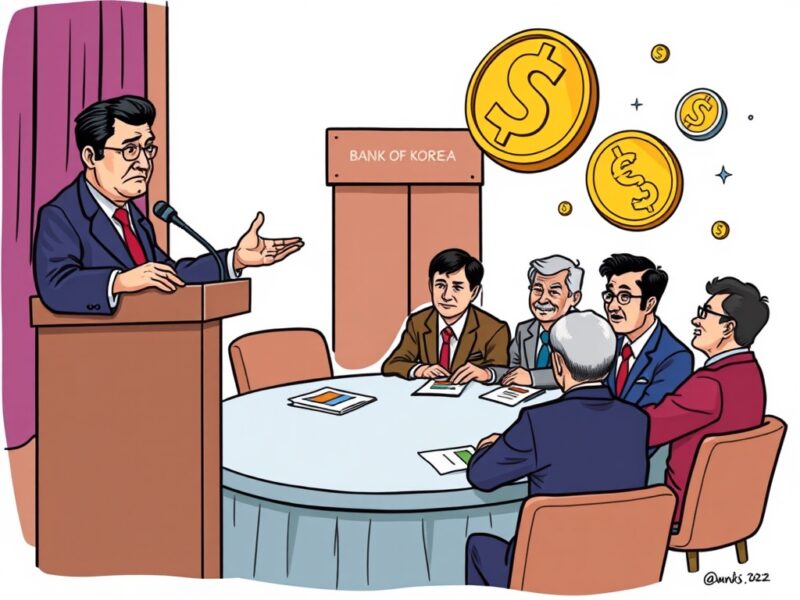
Stablecoins: Bank of Korea Unveils Crucial Discussions with Government Agencies

Stablecoins: Bank of Korea Unveils Crucial Discussions with Government Agencies

BitcoinWorld Stablecoins: Bank of Korea Unveils Crucial Discussions with Government Agencies The financial world is buzzing with news from South Korea, where the Bank of Korea (BoK) is actively engaging in crucial discussions surrounding stablecoins with various government agencies. This development signals a significant step towards clarifying the regulatory landscape for digital assets in the nation. Why Are Stablecoins a Hot Topic in Korea? Stablecoins are a unique class of cryptocurrency designed to maintain a stable value, often pegged to a fiat currency like the US dollar or a commodity. Unlike volatile cryptocurrencies such as Bitcoin, their inherent stability makes them attractive for everyday transactions and remittances. Globally, central banks and regulators are scrutinizing stablecoins due to their growing popularity. They present both opportunities for financial innovation and potential risks to financial stability if not properly managed. The Bank of Korea, therefore, is proactively addressing these complex issues to ensure a secure and efficient financial system. Crucial Stablecoin Discussions: What’s on the Table? On August 28, Bank of Korea Governor Rhee Chang-yong confirmed that the central bank is deeply involved in discussions with other relevant government bodies regarding stablecoin-related matters. This collaborative effort, as reported by iNews24, aims to develop a comprehensive framework. Specifically, several key areas are under consideration: Regulatory Clarity: A primary focus is establishing clear rules for issuing and operating stablecoins. This includes licensing requirements, capital reserves, and consumer protection measures. Financial Stability: Agencies are examining how widespread adoption of stablecoins could impact Korea’s monetary policy and overall financial stability. They are also assessing potential systemic risks. Consumer Protection: Safeguarding users from fraud, market manipulation, and potential issuer insolvency is a key concern. Discussions likely cover mechanisms to ensure transparency and accountability. Innovation vs. Control: Finding a balance between fostering technological innovation in the crypto space and maintaining regulatory oversight is a delicate act. The Potential Impact of Stablecoin Regulation in Korea The outcome of these discussions could significantly shape Korea’s digital asset ecosystem. Robust regulation for stablecoins could bring several benefits to the market and its participants. Increased Trust: Clear rules can boost public confidence in digital assets, potentially leading to broader adoption and integration into mainstream finance. Economic Efficiency: Well-regulated stablecoins could facilitate faster and cheaper cross-border payments, benefiting businesses and individuals. Market Maturation: A defined regulatory environment helps the market mature, attracting more institutional investors and legitimate businesses. However, there are also challenges. Overly strict regulations might stifle innovation or push crypto activities offshore. Therefore, striking the right balance is paramount for the future of digital currency in Korea. What Does This Mean for the Future of Digital Currency? The Bank of Korea’s engagement in stablecoin discussions reflects a broader global trend where central banks are acknowledging the growing influence of digital assets. These conversations are not just about control; they are about understanding and integrating new financial technologies responsibly. Actionable Insight: Businesses and individuals involved with cryptocurrencies in Korea should closely monitor these developments. Future policies could impact how stablecoins are used, traded, and regulated. Global Context: Korea’s approach to stablecoins could set a precedent for other nations in Asia, influencing regional and international regulatory trends. Ultimately, these ongoing dialogues aim to create a secure, innovative, and compliant environment for stablecoins within Korea’s financial system. The central bank’s proactive stance is a testament to its commitment to navigating the evolving digital finance landscape thoughtfully. Conclusion: The Bank of Korea’s active engagement with government agencies on stablecoins marks a pivotal moment for South Korea’s digital economy. These crucial discussions are laying the groundwork for a future where digital currencies can thrive responsibly, balancing innovation with essential regulatory oversight. As these conversations progress, the world watches to see how Korea will shape its approach to this transformative financial technology. Frequently Asked Questions (FAQs) Q1: What are stablecoins? A1: Stablecoins are cryptocurrencies designed to minimize price volatility. They are typically pegged to a stable asset like a fiat currency (e.g., USD) or a commodity, aiming to maintain a consistent value. Q2: Why is the Bank of Korea discussing stablecoins? A2: The Bank of Korea is discussing stablecoins to address potential impacts on financial stability, ensure consumer protection, and establish a clear regulatory framework as these digital assets gain popularity. Q3: Which government agencies are involved in these discussions? A3: Bank of Korea Governor Rhee Chang-yong stated that the central bank is discussing stablecoin issues with ‘other relevant government agencies,’ indicating a collaborative, multi-agency approach. Q4: What are the potential benefits of regulating stablecoins? A4: Regulation can increase trust in digital assets, promote financial stability, enhance consumer protection, and potentially lead to more efficient cross-border payments, fostering market maturation. Q5: How might these discussions affect cryptocurrency users in Korea? A5: The outcome could introduce new rules for using, trading, and holding stablecoins, potentially affecting their accessibility, security, and the overall legal framework for digital asset activities in Korea. Share Your Insights! What are your thoughts on Korea’s approach to stablecoin regulation? Join the conversation and share this article with your network to spread awareness about these significant developments in the world of digital finance! To learn more about the latest crypto market trends, explore our article on key developments shaping digital currencies institutional adoption. This post Stablecoins: Bank of Korea Unveils Crucial Discussions with Government Agencies first appeared on BitcoinWorld and is written by Editorial Team

Author: Coinstats
The crypto market saw mixed gains and losses, with the CeFi sector rising over 2% and ETH briefly falling below $4,500.

The crypto market saw mixed gains and losses, with the CeFi sector rising over 2% and ETH briefly falling below $4,500.

PANews reported on August 28th that according to SoSoValue data, the crypto market saw mixed gains and losses. The CeFi sector saw a 2.42% increase over the past 24 hours. Within the sector, Cronos (CRO) surged again, reaching a three-year high, with a surge of 84.24%. Trump Media Technology Group and Crypto.com announced a partnership to establish a CRO reserve company. Additionally, Bitcoin (BTC) rose 0.54%, fluctuating within a narrow range around $111,000. Ethereum (ETH) fell 0.47%, briefly falling below $4,500 during the session. The CeFi sector rose 2.42% in the past 24 hours, with Cronos (CRO) surging 84.24%, reaching a three-year high. News broke that Trump Media Technology Group and Crypto.com had partnered to establish a CRO reserve company. In addition, Bitcoin (BTC) rose 0.54% and is currently fluctuating in a narrow range around $111,000; Ethereum (ETH) fell 0.47%, falling below $4,500 during the session. The performance of other sectors is as follows: Layer1 sector: rose 1.41%, Avalanche (AVAX) and Solana (SOL) rose 1.86% and 3.88% respectively. Meme sector: rose 0.96%, Pump.fun (PUMP) rose 4.30%. DeFi sector: rose 0.74%, Jupiter (JUP) and Raydium (RAY) rose 6.32% and 14.34% respectively. Layer2 sector: rose 0.26%, Mantle (MNT) rose 1.43%. The PayFi sector, which saw significant gains yesterday, fell 0.16% in the 24 hours, with Stellar (XLM) down 2.34% and Ultima (ULTIMA) down 6.70%.

Author: PANews
Bitcoin Strategy Deepens As Metaplanet Plans $880 Million Raise

Bitcoin Strategy Deepens As Metaplanet Plans $880 Million Raise

Japanese investment firm Metaplanet today announced plans to raise another 130 billion yen ($880 million) through an international share sale. Of that amount, the firm intends to allocate roughly $835 million toward purchasing additional Bitcoin (BTC). Metaplanet Eyes More Bitcoin Purchases According to a regulatory filing, Tokyo-based Metaplanet has approved a plan to raise as […]

Author: Bitcoinist
Solana Validators: Delphi Digital and Chorus One Forge a Powerful Alliance

Solana Validators: Delphi Digital and Chorus One Forge a Powerful Alliance

BitcoinWorld Solana Validators: Delphi Digital and Chorus One Forge a Powerful Alliance The Solana ecosystem is buzzing with exciting news! Two major players, Delphi Digital and Chorus One, have officially joined the ranks of Solana validators. This significant development signals growing institutional confidence and bolsters the network’s decentralization and security. It’s a truly pivotal moment for the high-performance blockchain, as reported by CryptoNews. What Does Joining as Solana Validators Entail? When prominent platforms like Delphi Digital and Chorus One become Solana validators, they take on a crucial role in the network’s operations. Validators are essential for maintaining the integrity and functionality of the blockchain. Their responsibilities include: Verifying transactions to ensure their legitimacy. Participating in the network’s consensus mechanism, which validates new blocks. Maintaining the overall security and uptime of the Solana network. Therefore, the addition of new, reputable Solana validators directly strengthens the foundation upon which Solana operates, making it more robust and trustworthy for all participants. Why Are Delphi Digital and Chorus One Significant Additions? Delphi Digital is renowned for its in-depth cryptocurrency research and data analysis. Their expertise provides a layer of informed decision-making and analytical rigor to the validation process. Their involvement ensures a well-researched approach to network participation, contributing to a more stable ecosystem. Chorus One, on the other hand, specializes in institutional-grade staking services. They bring robust infrastructure and professional operational experience to the Solana network. This combination of analytical prowess and operational excellence makes them incredibly valuable Solana validators, enhancing the network’s reliability. How Do New Validators Boost Solana’s Decentralization and Security? The entry of more entities as Solana validators directly enhances the network’s decentralization. A broader distribution of validation power reduces reliance on a few large operators. This makes the network more resilient against potential attacks and censorship attempts, safeguarding its integrity. Moreover, the professional infrastructure and operational standards brought by firms like Delphi Digital and Chorus One elevate the overall security posture of the Solana blockchain. Their commitment to secure practices further fortifies the network against vulnerabilities. This move is a clear testament to Solana’s growing appeal and its focus on a robust future. Compelling Benefits for the Solana Ecosystem This strategic collaboration brings several compelling benefits to the entire Solana ecosystem: Increased Trust: The involvement of reputable firms like Delphi Digital and Chorus One instills greater confidence among developers, investors, and end-users. Enhanced Performance: Professional Solana validators often deploy optimized hardware and operational excellence, potentially improving network uptime and transaction processing efficiency. Broader Adoption: Institutional participation can pave the way for more mainstream adoption of Solana-based applications, DeFi protocols, and NFTs. Ultimately, this expansion truly solidifies Solana’s position in the competitive crypto landscape, attracting more talent and capital to its innovative platform. Looking Ahead: The Future of Solana Validation The trend of established crypto firms becoming Solana validators is likely to continue. This influx of institutional support indicates a maturing ecosystem and a strong belief in Solana’s technological capabilities. As the network grows, maintaining a diverse and robust validator set will be paramount for its long-term success. What challenges might this bring? Ensuring continued decentralization while attracting large-scale professional validators is a delicate balance. However, Solana’s commitment to innovation and community engagement suggests it is well-prepared to navigate these complexities. The future looks bright with such dedicated participants. The entry of Delphi Digital and Chorus One as Solana validators marks a truly pivotal moment for the network. It underscores Solana’s increasing importance and its unwavering commitment to building a secure, decentralized, and high-performance blockchain. This alliance strengthens the core infrastructure, paving the way for a more resilient and widely adopted future for Solana. It’s an exciting time to be part of this dynamic ecosystem! Frequently Asked Questions (FAQs) Q1: What is a Solana validator? A1: A Solana validator is a node on the Solana blockchain network that verifies transactions, participates in the consensus mechanism, and adds new blocks to the chain. They are crucial for the network’s security and operation. Q2: Who are Delphi Digital and Chorus One? A2: Delphi Digital is a leading cryptocurrency research and data analysis platform, known for its deep insights into the crypto market. Chorus One is an institutional-grade staking provider, offering secure and reliable staking services for various blockchain networks, including Solana. Q3: How do new Solana validators benefit the network? A3: New validators enhance network decentralization, improve security through diverse infrastructure, and often bring professional operational expertise, contributing to better performance and reliability of the Solana network. Q4: Does this move affect Solana’s decentralization? A4: Yes, the addition of more reputable entities as Solana validators positively impacts decentralization. It distributes the power of validating transactions among more independent parties, making the network more robust and censorship-resistant. Q5: What is institutional staking? A5: Institutional staking refers to large organizations or entities, rather than individual users, participating in the staking process of a proof-of-stake blockchain. They typically use professional-grade hardware and management to secure the network and earn rewards, bringing significant capital and expertise. If you found this article insightful, consider sharing it with your network! Help us spread the word about the exciting developments within the Solana ecosystem and the crucial role of Solana validators. Your shares empower our community and contribute to a more informed crypto space! To learn more about the latest crypto market trends, explore our article on key developments shaping Solana institutional adoption. This post Solana Validators: Delphi Digital and Chorus One Forge a Powerful Alliance first appeared on BitcoinWorld and is written by Editorial Team

Author: Coinstats
SeeCoin and Ice Blockchain Join Forces with ION to Power Web3 Social Future

SeeCoin and Ice Blockchain Join Forces with ION to Power Web3 Social Future

SeeCoin has partnered with Ice Blockchain and ION, the team behind Online+, a decentralized social network that will disrupt the creator economy.

Author: Blockchainreporter
For Trump DOJ, DEI Is The New Jim Crow. Businesses Should Take Note.

For Trump DOJ, DEI Is The New Jim Crow. Businesses Should Take Note.

The post For Trump DOJ, DEI Is The New Jim Crow. Businesses Should Take Note. appeared on BitcoinEthereumNews.com. November 1939: The Rex Theatre in Leland, Mississippi, which is segregated under the Jim Crow laws. (Photo by Marion Post Wolcott/Library Of Congress/Getty Images) Getty Images On January 21, President Donald Trump signed an executive order taking aim at diversity, equity, and inclusion practices within government agencies. It also directed government agencies to to “enforce our longstanding civil-rights laws and to combat private sector DEI.” To avoid penalties, DEI advocates are rebranding and looking for loopholes. However, the Department of Justice’s isn’t buying the changes, drawing parallels between DEI rebranding and Jim Crow laws that attempted to undermine the civil rights movement. Businesses that buy into the rebrand theory may find themselves in the legal crosshairs. The concept of workplace diversity has existed in the U.S. for decades. Over time, the label changed and the definition broadened to include more groups. Around 2015, language shifted to the term DEI. With the new label came a new focus, away from equality and towards equity. DEI programs became part of a broader environmental, social, and governance movement within the business community. As ESG spiked during the Biden area, so did DEI. Companies released sustainability reports and ESG reports touting DEI alongside climate change actions. Then came the political backlash. First aimed at Bud Light for their Dylan Mulvaney marketing campaign. Following that success, Republicans set their sights on “woke” culture, moving from business to business forcing reforms. Following the 2024 presidential election, companies began abandoning DEI and ESG completely. While DEI advocates will blame the Trump administration, the legal fall of DEI began in the June 2023 Supreme Court opinion Students for Fair Admissions, Inc. v. President and Fellows of Harvard College. The Court addressed two cases relating to college admissions; one against Harvard College and the other against the University of…

Author: BitcoinEthereumNews
DeFiance Capital CEO criticizes some Web3 startups for quietly running away: At least thank and apologize to investors

DeFiance Capital CEO criticizes some Web3 startups for quietly running away: At least thank and apologize to investors

PANews reported on August 28th that Arthur Cheong, CEO and CIO of DeFiance Capital, recently expressed his dissatisfaction on social media with the way some Web3 startups handled their closures. He stated that many Web3 startups that received investment in 2021 and 2022 closed their businesses without notifying investors, calling this "quiet exit" unacceptable. He believes that even if a company fails, it should at least send an email of apology and thanks to investors. Cheong cited a post analyzing the problems of the current venture capital model, including a lack of oversight, weak accounting fundamentals at startups, investors having little decision-making power, and a tendency to focus on successful projects while ignoring failures. This model relies on the ethical integrity of founders, but in a bull market with abundant capital, founders may self-enrich themselves through various means, such as paying high salaries and bonuses, using company funds for lavish travel, renting their own offices to the company, or paying for contracts with affiliated companies. The post noted that these practices not only benefit founders but also enhance their resumes, while investors' returns may decline significantly or even turn negative. Cheong agreed, stating that this situation remains unacceptable.

Author: PANews
XRPL Gains Global Traction as Linklogis Expands Cross-Border Trade Finance

XRPL Gains Global Traction as Linklogis Expands Cross-Border Trade Finance

Recently, Linklogis (9959.HK), a leading Chinese supply chain fintech platform, confirmed a new partnership with the XRP Ledger (XRPL). The collaboration will allow Linklogis to deploy its global digital supply chain finance application directly on the XRPL mainnet. This step moves the company into the decentralized financial ecosystem and extends its reach in international trade […]

Author: Tronweekly
Alarming Stablecoin Financial Stability Risks: Former PBOC Governor Issues Crucial Warning

Alarming Stablecoin Financial Stability Risks: Former PBOC Governor Issues Crucial Warning

BitcoinWorld Alarming Stablecoin Financial Stability Risks: Former PBOC Governor Issues Crucial Warning The world of cryptocurrency is constantly evolving, bringing both exciting innovations and complex challenges. Recently, a significant voice from China’s financial establishment has raised eyebrows, sparking a crucial debate. Zhou Xiaochuan, the former governor of the People’s Bank of China (PBOC), has voiced strong opposition to stablecoins, citing deep concerns about stablecoin financial stability. His comments ignite a critical conversation about the future of digital currencies and their potential impact on global economies. Why Are Stablecoins a Threat to Financial Stability? Zhou Xiaochuan’s primary concern revolves around the potential for stablecoins to introduce significant financial stability risks. He argues that these digital assets, despite their name, could actually encourage speculative behavior rather than provide a steady anchor in the volatile crypto market. Such speculation, he suggests, might destabilize broader financial systems. Furthermore, the former governor believes stablecoins could undermine existing, robust payment infrastructures, particularly in countries like China that already boast highly efficient digital payment networks. His arguments highlight several key points: Increased Speculation: Stablecoins, while pegged to traditional assets, can still become tools for speculative trading, especially when linked to less regulated decentralized finance (DeFi) platforms. Systemic Risk: A large-scale adoption of stablecoins, particularly those not backed by transparent reserves or strong regulatory oversight, could introduce new forms of systemic risk to the financial sector. Undermining Existing Systems: Established national payment systems, built over decades for security and efficiency, could face competition or disruption from unregulated stablecoin alternatives. Are Stablecoin Cost Advantages Overstated? A common argument for stablecoins is their promise of lower transaction costs and greater efficiency compared to traditional banking. However, Zhou Xiaochuan challenges this narrative. He asserts that claims of significant cost advantages over China’s existing payment systems are greatly exaggerated. China already utilizes advanced digital payment methods, like WeChat Pay and Alipay, which offer extremely low costs and high speed. This perspective suggests that for nations with mature digital payment infrastructures, the perceived benefits of stablecoins might not be as revolutionary as proponents claim. Consequently, the potential downsides, such as regulatory challenges and risks to stablecoin financial stability, could outweigh any marginal gains. For more insights into global payment innovations, you can explore our fintech articles. Navigating the Future: Stablecoin Financial Stability and Regulatory Concerns The former PBOC governor’s remarks come at a pivotal time. While he expresses caution, some experts and business leaders within China have recently advocated for the introduction of a yuan-backed stablecoin. This creates an interesting tension: the desire for innovation versus the imperative for financial security. The global financial community is closely watching how major economies, especially China, approach digital assets. The debate around stablecoin financial stability is not just theoretical; it has real-world implications for how money moves, how economies function, and how individuals conduct transactions. Regulators worldwide are grappling with similar questions, striving to balance technological advancement with consumer protection and systemic resilience. Key Considerations for Regulators: Establishing clear regulatory frameworks for stablecoin issuance and operation. Ensuring robust reserve requirements and transparency for stablecoin backing. Mitigating risks of illicit finance and market manipulation. Protecting consumers from potential losses or market volatility. A Crucial Dialogue for the Digital Age Zhou Xiaochuan’s cautionary stance on stablecoins serves as a vital reminder that while digital currencies offer exciting possibilities, they also introduce complex challenges. His experience at the helm of a major central bank lends significant weight to his concerns regarding stablecoin financial stability. The ongoing debate highlights the crucial importance of a balanced approach, one that encourages innovation while rigorously safeguarding the integrity and stability of our financial systems. Ultimately, the discussion around stablecoins is far from over. It requires careful consideration from policymakers, innovators, and the public alike to forge a path that harnesses the benefits of digital assets without compromising the foundational principles of financial security. Frequently Asked Questions (FAQs) Q1: What is a stablecoin? A stablecoin is a type of cryptocurrency designed to minimize price volatility by being pegged to a stable asset, such as a fiat currency (like the US dollar), a commodity (like gold), or even another cryptocurrency. Q2: Why is the former PBOC governor concerned about stablecoins? Zhou Xiaochuan is concerned that stablecoins could encourage speculation, undermine existing robust payment systems, and pose significant risks to overall financial stability due to their potential for unregulated growth and lack of transparency. Q3: Do stablecoins offer real cost advantages? While stablecoins are often promoted for their low transaction costs, Zhou Xiaochuan argues that for countries with highly efficient existing digital payment systems, like China, these cost advantages are often exaggerated and do not justify the associated risks. Q4: Are there calls for a yuan-backed stablecoin? Yes, despite the former PBOC governor’s opposition, some experts and business leaders in China have expressed interest in introducing a stablecoin backed by the Chinese yuan, aiming to explore its potential benefits. Q5: How do central banks typically view stablecoins? Central banks generally approach stablecoins with caution, focusing on potential risks to monetary policy, financial stability, and consumer protection. Many are actively researching or developing their own central bank digital currencies (CBDCs) as an alternative. If you found this discussion insightful, consider sharing it with your network! The conversation around stablecoins and their impact on financial systems is vital for everyone in the crypto space and beyond. Spread the word! To learn more about the latest crypto market trends, explore our article on key developments shaping cryptocurrency regulation and institutional adoption. This post Alarming Stablecoin Financial Stability Risks: Former PBOC Governor Issues Crucial Warning first appeared on BitcoinWorld and is written by Editorial Team

Author: Coinstats