NFT

NFTs are unique digital identifiers recorded on a blockchain that certify ownership and authenticity of a specific asset. Moving past the "PFP" craze, 2026 NFTs emphasize utility, representing everything from IP rights and digital fashion to RWA titles and event ticketing. This tag explores the technical standards of digital ownership, the growth of NFT marketplaces, and the integration of non-fungible tech into the broader Creator Economy and enterprise solutions.

13270 Articles
Created: 2026/02/02 18:52
Updated: 2026/02/02 18:52
Inside 2025’s Meme Coin War – Which Token Will Be the Next Crypto to Explode? Apeing, Pepe, or Shiba Inu?

Inside 2025’s Meme Coin War – Which Token Will Be the Next Crypto to Explode? Apeing, Pepe, or Shiba Inu?

Discover 2025’s hottest meme coins, from Apeing ($APEING) to Shiba Inu, Pepe, and Bonk. Learn which upcoming crypto coins could be the next to explode.

Author: Blockchainreporter
How $HUGS, LivLive, NexChain, & Space Pay Became the Best Presale Cryptos of 2025 Blending Fandom & Function

How $HUGS, LivLive, NexChain, & Space Pay Became the Best Presale Cryptos of 2025 Blending Fandom & Function

Crypto traders know the feeling of missing out all too well. Every major bull cycle begins with a few projects that quietly 100x while most people are still watching from the sidelines. As Q4 2025 unfolds, presales are once again heating up, and a select group of tokens is attracting attention for their clear narratives, [...] The post How $HUGS, LivLive, NexChain, & Space Pay Became the Best Presale Cryptos of 2025 Blending Fandom & Function appeared first on Blockonomi.

Author: Blockonomi
Shiba Inu Partners with Unity Nodes to Expand SHIB Utility

Shiba Inu Partners with Unity Nodes to Expand SHIB Utility

The post Shiba Inu Partners with Unity Nodes to Expand SHIB Utility appeared on BitcoinEthereumNews.com. Shiba Inu has entered a strategic partnership with Unity Nodes, a blockchain-based mobile engine network, opening up new earning opportunities for SHIB holders. The collaboration integrates SHIB into Unity Nodes’ platform, allowing users to leverage the token for node purchases and license operations.  Unity Nodes confirmed that the partnership adds real-world utility to SHIB and aims to broaden the token’s reach across telecommunications and other industries. The Shiba Inu ecosystem now includes Unity Nodes alongside partners such as Astra Nova, Chainlink, and K9 Finance. SHIB Powers Unity Nodes and Rewards According to the Shiba Inu X account confirmed, the partnership enables Shiba Inu holders to use SHIB for purchasing nodes and licenses through a Shiba Inu-branded payment gateway. Purchasers receive branded SHIB NFTs, tradable on secondary markets, which Unity said could enhance Shiba Inu’s visibility.  Additionally, users gain a 5% bonus on Unity Licenses per node, meaning 210 licenses per node instead of the standard 200. Unity also allows licensed operators to receive network rewards directly in SHIB, creating a direct earning mechanism for the token. The Unity network operates across multiple countries, verifying telecom performance through various node types, including Validation and Earth Nodes. Users make verification calls via the Unity app, with all results logged on-chain in a Proof-of-Service system accessible to telecom carriers through an API. Participants earn cryptocurrency rewards by running Unity Licenses, and Shiba Inu holders now form part of this ecosystem. Flexible Earning and Exclusive Benefits for SHIB Holders Unity Nodes outlined three earning methods for SHIB users. The self-operation method allows personal management of licenses, yielding 75% of carrier service fees. The lease method enables users to grant license access to others for passive income. Hybrid earning combines both self-operation and leasing, offering flexible options for maximizing rewards. Unity also announced a dedicated…

Author: BitcoinEthereumNews
Revolutionary Brazil Bill: Pre-Trial Sale of Seized Cryptocurrencies to Crush Organized Crime

Revolutionary Brazil Bill: Pre-Trial Sale of Seized Cryptocurrencies to Crush Organized Crime

BitcoinWorld Revolutionary Brazil Bill: Pre-Trial Sale of Seized Cryptocurrencies to Crush Organized Crime Brazil is taking a groundbreaking step in the fight against organized crime with a revolutionary new bill that could change how authorities handle seized cryptocurrencies. This bold move aims to strike at the heart of criminal financial operations by allowing the immediate sale of confiscated digital assets before trial verdicts are reached. What Does Brazil’s Seized Cryptocurrencies Bill Actually Do? The proposed legislation treats seized cryptocurrencies exactly like foreign currency and securities in legal proceedings. This means authorities won’t have to wait for lengthy court cases to conclude before liquidating these digital assets. The urgent review status in Congress shows how seriously Brazil is taking this approach to dismantle criminal financial infrastructure. Organized crime groups have increasingly turned to cryptocurrencies for their operations. By enabling pre-trial sales of seized cryptocurrencies, Brazil hopes to immediately disrupt these illegal networks. The faster authorities can convert these assets, the less time criminals have to recover or redirect their funds. Why is This Approach to Seized Cryptocurrencies So Important? Traditional asset seizure processes often take years to complete through the court system. During this time, the value of seized cryptocurrencies can fluctuate dramatically. This new approach ensures that: Authorities can act quickly against criminal networks Asset values are preserved through timely liquidation Legal frameworks keep pace with digital innovation Public funds benefit from recovered assets sooner The treatment of seized cryptocurrencies as equivalent to traditional financial instruments represents a significant step forward in regulatory maturity. This positions Brazil as a leader in developing practical solutions for digital asset management within legal systems. What Challenges Might Brazil Face With Seized Cryptocurrencies? While the bill offers exciting possibilities, several practical challenges need consideration. The volatile nature of cryptocurrency markets means timing sales correctly becomes crucial. Authorities will need expertise in cryptocurrency trading to maximize returns while minimizing market impact. Legal protections must also remain robust. The pre-trial sale of seized cryptocurrencies requires careful balancing between efficient asset management and preserving defendants’ rights. Proper valuation methods and transparent sale processes will be essential to maintain legal integrity. How Could This Impact Global Crypto Regulation? Brazil’s approach to managing seized cryptocurrencies could set a powerful precedent for other nations. As more countries grapple with cryptocurrency regulation, this practical solution for asset management during legal proceedings provides a valuable case study. The successful implementation could encourage: Other nations to adopt similar measures Standardized approaches to digital asset seizure Improved international cooperation on crypto crime Better tools for fighting financial crime globally This forward-thinking legislation demonstrates how governments can adapt traditional legal frameworks to address modern financial technologies effectively. Frequently Asked Questions What types of seized cryptocurrencies are covered by this bill? The legislation covers all major cryptocurrencies including Bitcoin, Ethereum, and other digital assets that criminals might use. The broad definition ensures comprehensive coverage. How will the government determine when to sell seized cryptocurrencies? Authorities will likely develop specific protocols for timing sales to maximize returns while minimizing market disruption, possibly using financial experts for guidance. What happens if someone is found not guilty after their cryptocurrencies are sold? The bill should include provisions for compensation at current market values if assets were wrongly seized, protecting innocent parties’ rights. Could this approach be applied to other digital assets? While focused on cryptocurrencies, the principles could potentially extend to NFTs and other digital assets used in criminal activities. How will this affect ordinary cryptocurrency users in Brazil? Legitimate users shouldn’t see direct impacts, but the measure could improve overall market confidence by reducing criminal activity. What safeguards prevent abuse of this seizure power? The legislation likely includes judicial oversight requirements and clear evidence thresholds before authorities can seize and sell assets. This groundbreaking approach to managing seized cryptocurrencies represents a powerful step forward in the global fight against financial crime. Brazil’s innovative thinking could reshape how nations worldwide handle digital assets in legal contexts. Found this insight into Brazil’s revolutionary approach to seized cryptocurrencies valuable? Share this article with others interested in crypto regulation and crime prevention on your social media channels! To learn more about the latest cryptocurrency trends, explore our article on key developments shaping Bitcoin regulatory frameworks and institutional adoption. This post Revolutionary Brazil Bill: Pre-Trial Sale of Seized Cryptocurrencies to Crush Organized Crime first appeared on BitcoinWorld.

Author: Coinstats
Best Crypto Presales Spotlight: Why Digitap ($TAP) is Crushing LivLive and BlockDag

Best Crypto Presales Spotlight: Why Digitap ($TAP) is Crushing LivLive and BlockDag

The Digitap ($TAP) crypto presale is drawing strong market attention from both retail and institutional investors as it races through new milestones. With more than 110 million tokens sold and over $1.7 million raised, its growth has outpaced that of most competitors. Among traders searching for altcoins to buy, Digitap’s omni-bank model stands out for [...] The post Best Crypto Presales Spotlight: Why Digitap ($TAP) is Crushing LivLive and BlockDag appeared first on Blockonomi.

Author: Blockonomi
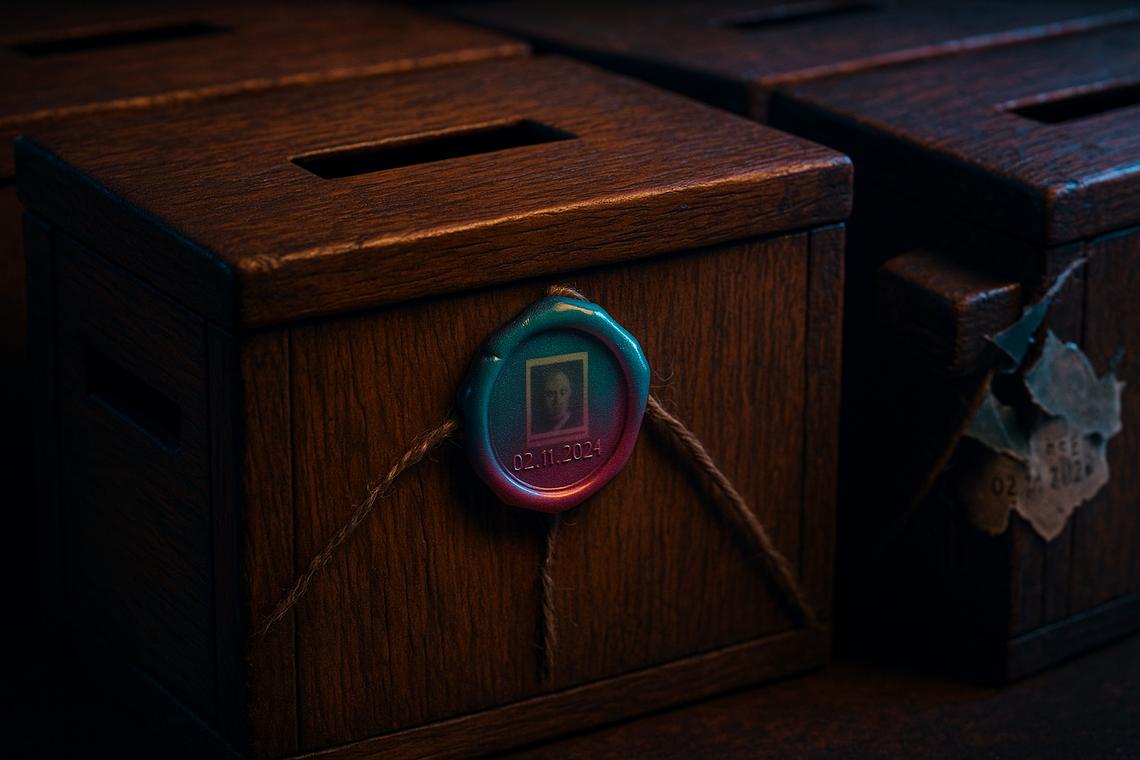
Solana elections Bolivia: NFT pilot for transparency

Solana elections Bolivia: NFT pilot for transparency

The post Solana elections Bolivia: NFT pilot for transparency appeared on BitcoinEthereumNews.com. The government in Bolivia tested a blockchain solution on Solana during the second round of elections, employing TuVotoSeguro to create immutable and timestamped records of ballot photographs. It is important to note that this approach did not replace paper ballots but aimed to enhance public verifiability, making any tampering in transit detectable. What the TuVotoSeguro pilot revealed about the elections The test, limited and deliberately circumscribed, took place in October 2025 during the runoff. TuVotoSeguro was developed by Impera Strategy and operated on a small group of polling stations with bipartisan consensus. Additionally, the system did not alter the paper voting practice nor required citizens to use smartphones; the blockchain served only as a parallel public ledger. In fact, the pilot aimed to produce a timed and unequivocal trail of ballot photographs, addressing allegations from the previous 2019 crisis regarding alleged alterations during transport. How ballots became NFTs The paper ballots were counted on-site and then photographed. The images maintained the priority of the physical document while adding a parallel digital trail. Additionally, a check with AI tools and human review was applied before associating metadata such as timestamp and polling station code. Subsequently, the images and their metadata were minted as NFTs and published on Solana’s public network, creating a permanent and consultable record. Who verified the images The capturing of ballot images was handled by the local polling station staff. Meanwhile, the photos were analyzed by AI-supported tools and then validated by human reviewers to intercept evident inconsistencies before on-chain publication. This double verification aimed to reduce the risk of errors during the publication phase. Bolivia Elections: Explanation of the ballot-to-NFT process on Solana The move created an immutable record useful for detecting tampering that occurred in transit, directly addressing the 2019 disputes. However, the timestamp acts as…

Author: BitcoinEthereumNews
Shiba Inu Teams Up with Unity Nodes: Will It Ignite SHIB’s Price?

Shiba Inu Teams Up with Unity Nodes: Will It Ignite SHIB’s Price?

TLDR Shiba Inu has partnered with Unity Nodes to bring real-world utility to the ecosystem. Users can purchase Nodes with SHIB, earn rewards, and acquire SHIB-branded NFT licenses. The Shiba Inu community has reacted positively, calling the partnership a potential game-changer. Despite the partnership, SHIB’s price continues to decline and is currently down 8% over [...] The post Shiba Inu Teams Up with Unity Nodes: Will It Ignite SHIB’s Price? appeared first on CoinCentral.

Author: Coincentral
Top 5 Crypto Presales of 2025 Delivering Huge Investor Returns

Top 5 Crypto Presales of 2025 Delivering Huge Investor Returns

Discover the Top 5 Crypto Presales of 2025 delivering huge returns. Learn why IPO Genie ($IPO) leads the pack with 1,200× potential growth.

Author: Blockchainreporter
The SEC plans to introduce a "token taxonomy": using the Howey test as an anchor to explore non-securitization paths for crypto assets.

The SEC plans to introduce a "token taxonomy": using the Howey test as an anchor to explore non-securitization paths for crypto assets.

PANews reported on November 12th that, according to The Block, SEC Chairman Paul Atkins announced at the Philadelphia Fed Fintech Conference that the SEC will launch a new regulatory framework called "Token Taxonomy," aimed at redefining when crypto assets are considered securities. Atkins stated that the framework will be based on the 1946 Howey Test to distinguish the legal attributes of tokens at different stages. He noted, "Cryptocurrencies may initially constitute investment contracts, but not forever—as the network matures, the code is completed, and the issuer exits, the token will no longer depend on the issuer's efforts." Atkins pointed out that most crypto tokens are not securities, and proposed two main principles: first, the asset nature does not change due to being on-chain; second, economic substance is more important than the label—if a token represents an expected profit based on the management efforts of others, it is still a security. The preliminary classification includes: network tokens, NFTs, and digital instrument tokens are not securities, while tokenized stocks and bonds are. He stated that tokens may shed their security attributes as the network matures, and non-security tokens may be traded on CFTC or state regulatory platforms in the future. Atkins emphasized that the SEC will align with congressional legislation and continue to crack down on fraudulent activities, "not letting fear of the future trap us in the past."

Author: PANews
Bolivia Elections: NFTs on Solana for Transparency and Timestamp

Bolivia Elections: NFTs on Solana for Transparency and Timestamp

The government in Bolivia tested a blockchain solution on Solana during the second round of elections, utilizing TuVotoSeguro to create immutable and timestamped records of ballot photographs. It is important to note that this approach did not replace paper ballots but aims to enhance public verifiability, making any tampering in transit detectable. What has […]

Author: The Cryptonomist