USTR’s Greer: Keeping the Strait of Hormuz Open Is Crucial for China’s Economy and Global Trade
BitcoinWorld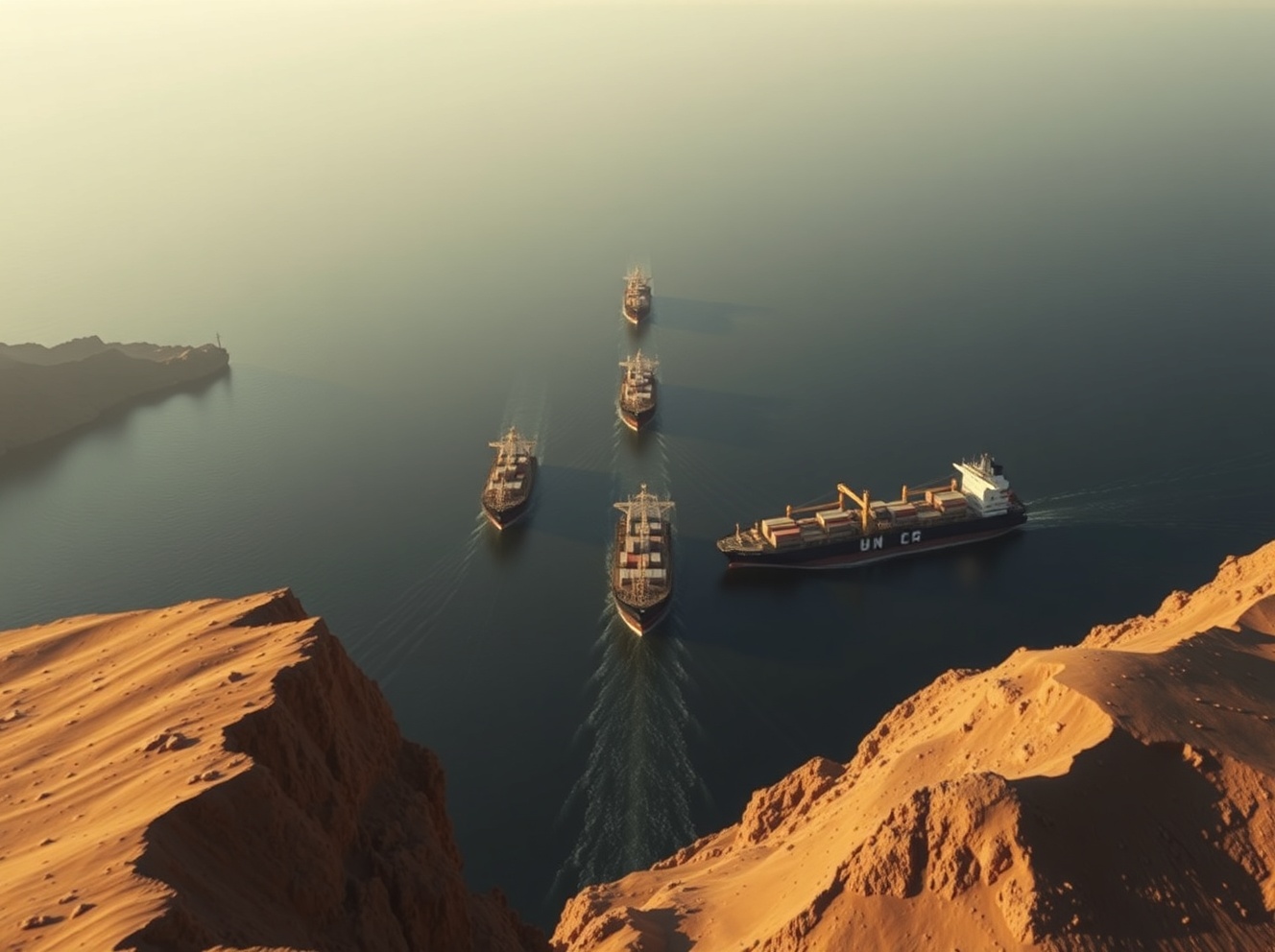
USTR’s Greer: Keeping the Strait of Hormuz Open Is Crucial for China’s Economy and Global Trade
The United States Trade Representative, Jamieson Greer, has underscored the critical importance of maintaining freedom of navigation through the Strait of Hormuz, particularly for China’s economic stability and the broader global trading system. Speaking at a recent policy forum, Greer emphasized that any disruption to this vital maritime chokepoint would have severe consequences for energy markets and supply chains that extend well beyond the Middle East.
Why the Strait of Hormuz Matters to China
The Strait of Hormuz, a narrow waterway between the Persian Gulf and the Gulf of Oman, is the world’s most significant oil transit chokepoint. According to the U.S. Energy Information Administration, roughly one-fifth of the global petroleum consumption passes through this strait daily. For China, the world’s largest crude oil importer, the strait is a lifeline. A significant portion of China’s imported oil, particularly from Saudi Arabia, Iraq, and the United Arab Emirates, transits these waters.
Greer’s remarks highlight a reality often underappreciated in public discourse: China’s energy security is deeply intertwined with a maritime route that remains under potential threat from regional instability, particularly involving Iran. Any blockade or military escalation in the region would immediately spike global oil prices and threaten China’s manufacturing output, economic growth, and social stability.
Broader Implications for Global Trade
The USTR’s comments also carry weight for the global economy. The Strait of Hormuz is not only an oil route but also a corridor for liquefied natural gas (LNG) and other goods. A prolonged closure would disrupt supply chains for numerous industries, from petrochemicals to transportation. Greer’s statement signals that the United States, despite ongoing trade tensions with Beijing, recognizes a shared interest in preventing a crisis that would harm all major economies.
This alignment of interests is notable given the broader U.S.-China trade friction. While Washington and Beijing compete on technology, tariffs, and geopolitical influence, they share a mutual dependency on stable energy flows. Greer’s framing suggests that U.S. policy, at least in this domain, prioritizes pragmatic cooperation over confrontation.
What This Means for U.S. Policy
Greer’s remarks may also serve as a signal to U.S. allies and partners in the region. By publicly linking the strait’s security to China’s economic health, the USTR is reinforcing the message that maintaining open sea lanes is a collective good. It also implicitly warns Iran and other regional actors that any aggressive action targeting the strait would be met with a coordinated international response.
For American readers, the statement underscores a complex reality: U.S. strategic interests sometimes align with those of its economic competitors. Ensuring the strait remains open is not just about protecting allies like Saudi Arabia or the UAE, but about preventing a global economic downturn that would affect American consumers and businesses.
Conclusion
Jamieson Greer’s emphasis on the Strait of Hormuz as crucial for China is a reminder that energy security remains a cornerstone of global stability. In an era of great-power competition, shared vulnerabilities can still foster cooperation. The challenge for policymakers will be to manage these interdependencies without compromising long-term strategic interests. For now, the message is clear: keeping the strait open is in everyone’s interest.
FAQs
Q1: Why is the Strait of Hormuz so important for China?
China imports a large portion of its crude oil from Persian Gulf countries, and the Strait of Hormuz is the only maritime route for those shipments. Any disruption would directly threaten China’s energy supply and economic output.
Q2: What did USTR Jamieson Greer specifically say?
Greer stated that maintaining freedom of navigation through the Strait of Hormuz is crucial for China’s economic stability and for the global trading system, highlighting the shared interest in preventing a blockade or conflict.
Q3: How does this affect the average consumer?
A closure or disruption of the Strait of Hormuz would likely cause a sharp rise in global oil prices, leading to higher gasoline prices, increased transportation costs, and higher prices for many consumer goods worldwide.
This post USTR’s Greer: Keeping the Strait of Hormuz Open Is Crucial for China’s Economy and Global Trade first appeared on BitcoinWorld.


Ayrıca Şunları da Beğenebilirsiniz

XRP Leads Major Altcoins Higher as CLARITY Act Triggers Payment-Focused Crypto Rally

Ethereum Price Trapped Below $2,320, Recovery Hopes Start Fading