Pricing and delivery capacity limits Starlink’s dominance in Nigeria’s internet market
When Starlink made its entry into Africa, Nigeria was the first country on the continent to host its service. Two years later, it had risen to become a major Internet Service Provider (ISP) in Nigeria, ranking as one of the top ISPs.
It was a credible alternative for its reliable and high-speed access.
Data from the Nigerian Communications Commission (NCC) showed that by the second quarter of 2025, Stralink had 66,523 subscribers, second only to Lagos-based Spectranet, which had 99,520 subscribers.
Two major issues have challenged Starlink’s growth in Nigeria.
First, following the 50% telecoms tariff hike in January, Stralink increased its residential monthly price from N38,000 to N57,000 in May 2025. This follows several recapitulations as the company blamed the exchange rate fluctuation for the changes, especially in 2024.
Consequently, the price hike resulted in a major customer loss for ISP operators such as Spectranet, FibreOne and Starlink lost 18,000 customers during the first six months of 2025. Specifically, Starlink’s subscribers declined by 14% in the first three months of 2025, marking its major drop since launch in 2023.

Second. Starlink still has capacity issues.
Following new orders for its residential kit in Nigeria’s busiest cities (Lagos, Abuja and Port Harcourt), the company announced a suspension of its operations in the locations. It claimed it had reached full capacity, with a “sold out” notice on its website for prospective individual users since September.
Initially, prospective customers were added to a waitlist. Later, Starlink created a “Business plan” alternative with a monthly cost of N150,000 and a hardware cost of up to N2.4 million. It also resulted in a shocking aftermath: it received more requests for business kits and services.
 The business pre-order page
Notably, the shift reveals a striking concern.
Still, Starlink has been unable to expand its capacity in Nigeria’s major cities: the residential plan was its major expansion item. While affordability is not a major concern for prospective business plan users, there are not enough potential customers in that category.
Yet, questions about Starlink’s capacity to serve more Nigerians are not new.
In November 2024, the Elon Musk-owned company halted sales of kits and activations after facing issues relating to bandwidth shortages and unresolved tariff adjustment disputes with the NCC. It will later resume nationwide sales in July 2025 before entering another phase of restriction in September 2025.
With the company’s ISP and Sales & Inst Major license expected to be renewed by Q1 2027, perhaps a capacity extension plan might be the next step.
Also Read: Starlink resumes service for new customers in Lagos and Abuja; but at a higher cost.
Starlink’s attempt to change the tide
Starlink introduced a new dimension in its distribution line of operation by opening in-person customer support at Konga stores nationwide in April.
The shift was a direct response to customers’ requests for a walk-in centre that caters for assistance with installation, technical issues, product information, and other customer support needs.
Aside from its capacity issues, weak customer service has always been a subject of criticism for the Elon Musk-owned company. Frequently, users complain of slow responses to issues and the absence of a physical walk-in centre on social media platforms.
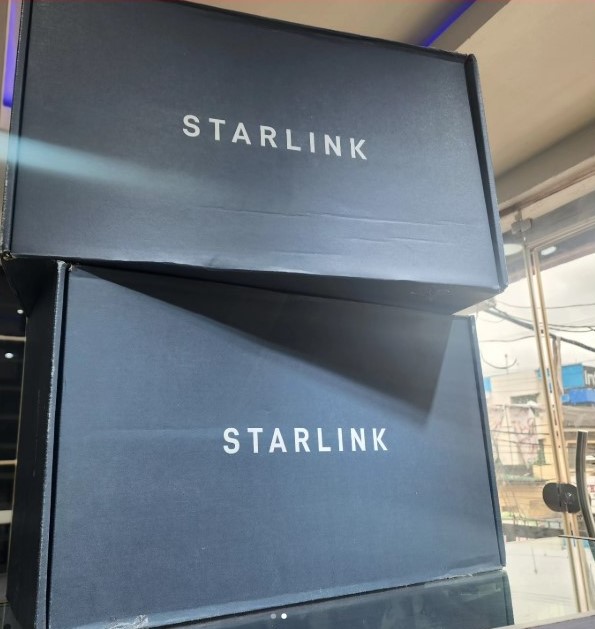 Starlink’s walk-in centre at Computer Village, Lagos
With that, Starlink could rely on Konga’s retail network to expand access to its services and reduce restrictions to customers’ access. It also forms a strategic shift in its operation from a mere digital and web support offering to a hybrid model.
Amazon is waiting to win
Today, Amazon is preparing to launch its satellite internet service in Nigeria and other parts of Africa. Through its Project Kuiper (now branded Amazon Leo), the company will challenge Starlink and other ISPs in Nigeria for a share of the market with its low Earth orbit (LEO) satellite service.
In January, the company secured a seven-year license from the NCC and is set to target households, businesses, and government, offering 400 Mbps speeds and potentially cheaper terminals to challenge its dominance.
With the waitlist already rolled out and launch set in 2026, Amazon plans to use its 3,236 satellite constellation with potentially smaller, more affordable terminals to offer a service that attracts Nigerian internet subscribers.
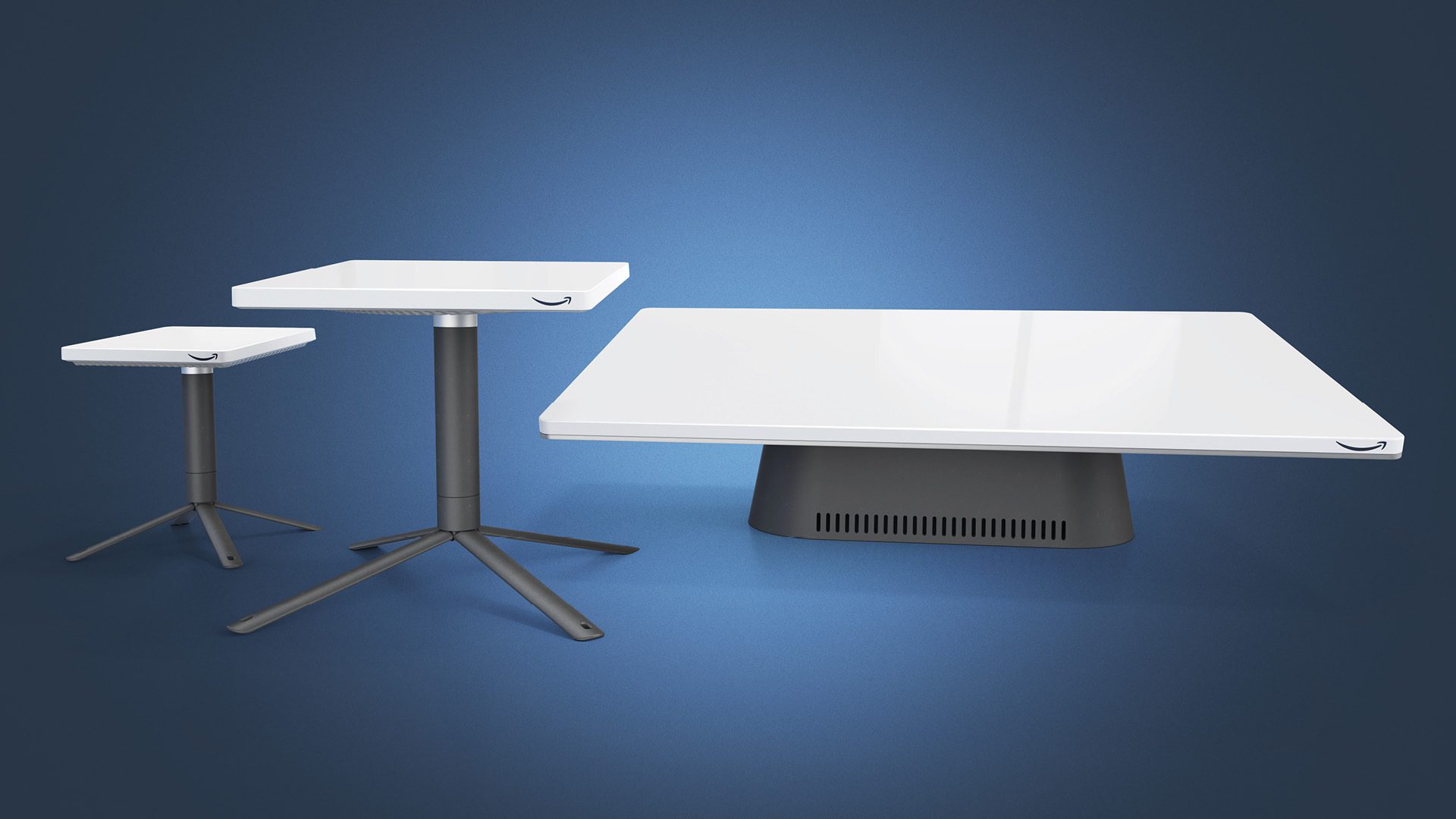 Amazon’s routers…
With Amazon’s entry, Starlink will struggle to retain and add more customers in Lagos, Abuja and Port Harcourt, which are Nigerian locations with top ISP users.


Ayrıca Şunları da Beğenebilirsiniz

Best Music AI Websites For Songs And Soundtracks

Binance Research: Illicit Crypto Still Under 1% of On-Chain Volume, But $75B in Flagged Funds Tests Tracing