

Indian Rupee Edges Higher as US-Iran Nuclear Talks and Hormuz Risks Persist
BitcoinWorld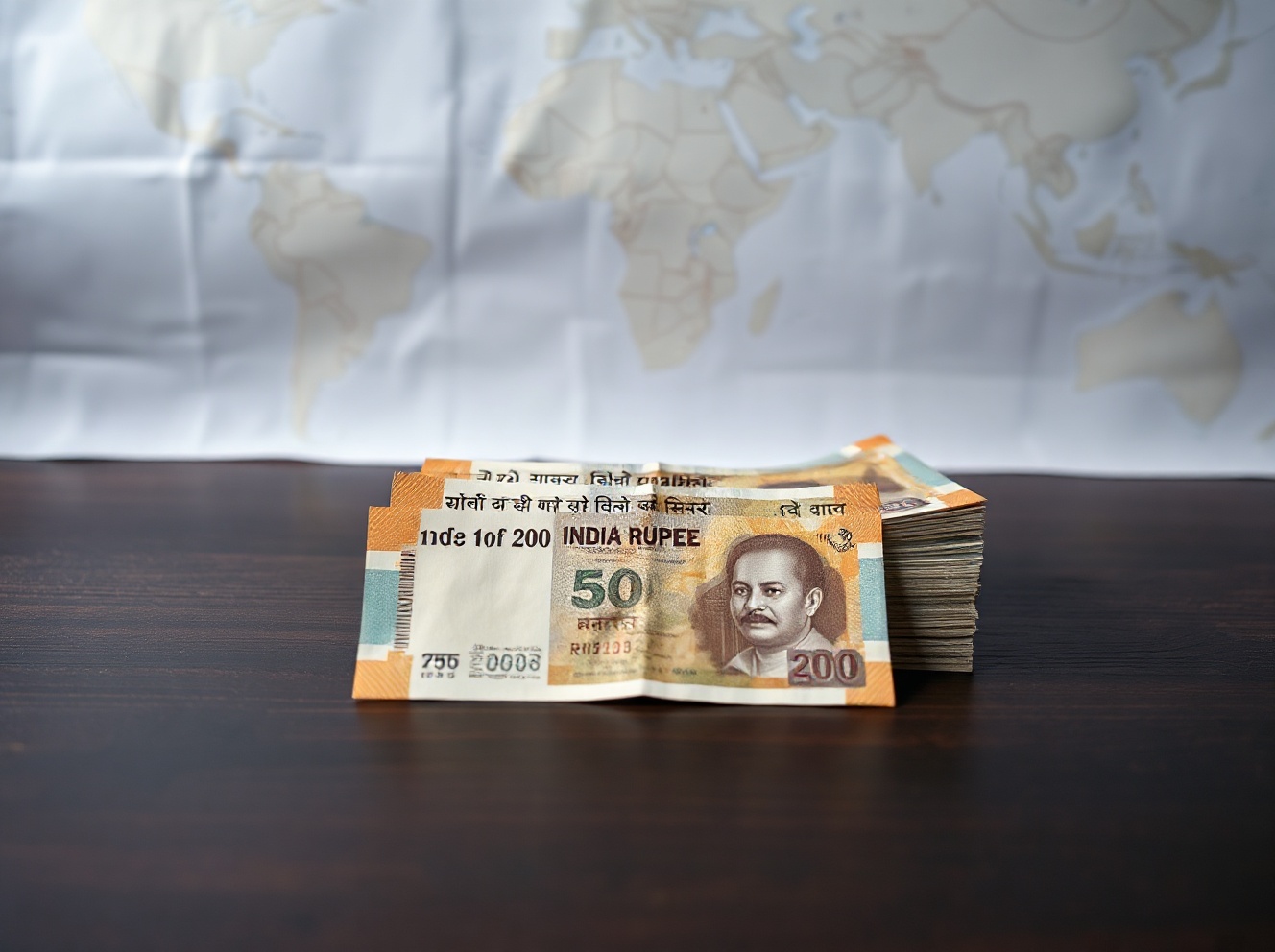
Indian Rupee Edges Higher as US-Iran Nuclear Talks and Hormuz Risks Persist
The Indian Rupee saw a modest uptick against the US dollar on Thursday, as traders weighed ongoing diplomatic efforts between the United States and Iran against persistent risks to shipping through the Strait of Hormuz. The currency’s movement reflects a market caught between cautious optimism over a potential nuclear deal and the reality of heightened geopolitical tensions in one of the world’s most critical oil transit chokepoints.
Rupee Gains on Deal Hopes
The rupee strengthened marginally in early Asian trading, supported by reports that US and Iranian negotiators have made incremental progress toward a renewed framework agreement. Market participants interpreted the signals as a potential de-escalation of tensions that have kept crude oil prices volatile and regional trade routes under scrutiny. A successful deal could ease sanctions on Iranian oil exports, potentially lowering global energy costs and reducing inflationary pressure on import-dependent economies like India.
However, gains were capped as no formal announcement has been made, and the situation remains fluid. The Indian currency has been sensitive to crude oil price swings, given that India imports roughly 85% of its oil needs. Any disruption in the Strait of Hormuz, through which about one-fifth of global oil passes, directly impacts India’s import bill and, by extension, the rupee’s value.
Hormuz Strait: The Lingering Risk
While diplomatic channels remain active, the threat of Iranian retaliation or miscalculation in the Persian Gulf has not disappeared. Recent weeks have seen increased naval patrols by both Iranian and coalition forces near the strait. The US has maintained a visible military presence in the region, and any incident—whether accidental or deliberate—could quickly escalate into a broader crisis.
For India, the stakes are particularly high. Beyond oil imports, a significant portion of India’s trade with Europe and the Middle East transits the strait. Insurance premiums for vessels in the region have already risen, and some shipping companies have begun routing cargo via longer, costlier alternatives. These logistical adjustments add to import costs and put downward pressure on the rupee over the medium term.
What This Means for Indian Markets
The rupee’s small gain should not be mistaken for a decisive shift. Currency markets are pricing in a range of outcomes, from a full diplomatic breakthrough to a sudden escalation. The Reserve Bank of India (RBI) is widely expected to intervene if volatility spikes, using its foreign exchange reserves to smooth sharp moves. However, sustained pressure on the rupee could force the RBI to adjust its monetary policy stance, potentially impacting interest rates and inflation expectations.
Investors and businesses exposed to currency risk should remain cautious. The situation in the Persian Gulf is unlikely to resolve quickly, and even a successful US-Iran deal would take months to fully implement. Until then, the rupee will remain vulnerable to headlines from the region.
Conclusion
The Indian Rupee’s modest appreciation reflects a market grasping at positive diplomatic signals, but the underlying risks from the Strait of Hormuz and the broader US-Iran standoff remain unresolved. For now, the currency is caught between hope and uncertainty, with no clear direction until a concrete agreement emerges—or events take a different turn. Traders and policymakers alike are watching the Persian Gulf with an increasingly nervous eye.
FAQs
Q1: Why does the Strait of Hormuz affect the Indian Rupee?
India imports most of its crude oil, and a significant portion passes through the Strait of Hormuz. Any disruption raises oil prices and import costs, weakening the rupee.
Q2: How would a US-Iran deal help the rupee?
A deal could lift sanctions on Iranian oil, increasing global supply and lowering crude prices. This reduces India’s import bill and supports the rupee.
Q3: Is the rupee likely to strengthen further?
Not necessarily. The currency’s direction depends on whether diplomatic talks produce a verifiable agreement and whether regional tensions actually de-escalate. Uncertainty remains high.
This post Indian Rupee Edges Higher as US-Iran Nuclear Talks and Hormuz Risks Persist first appeared on BitcoinWorld.


Ayrıca Şunları da Beğenebilirsiniz

The Champion Mindset: Why Discipline, Trust, and Structure Matter in Modern Trading

Temu Owner PDD (PDD) Stock Drops After Profit Comes in Way Below Estimates
XRP Faces Further Downside Risk as Liquidity Drops to 2020 Lows, Sentiment Turns Fearful


Popüler Haberler
Daha fazla
