The old model of Digital Marketing—where a brand spoke “at” an audience through polished, corporate advertisements—is being replaced by the “Creator-Brand” modelThe old model of Digital Marketing—where a brand spoke “at” an audience through polished, corporate advertisements—is being replaced by the “Creator-Brand” model

The Rise of the “Creator-Brand”: Professionalism in the Age of Influence

2026/02/21 05:56
Okuma süresi: 3 dk

The old model of Digital Marketing—where a brand spoke “at” an audience through polished, corporate advertisements—is being replaced by the “Creator-Brand” model. In 2026, the most successful Business entities operate more like media companies than traditional manufacturers. They prioritize storytelling, authenticity, and direct community engagement. This article explores how the professional marketing landscape has adapted to a world where influence is decentralized and “The Creator” is the new CMO.

Authenticity as a Scalable Strategy

In 2026, consumers can spot a “staged” corporate message from a mile away. To combat this, professional brands are adopting the tactics of individual creators: unpolished video content, real-time “Ask Me Anything” (AMA) sessions, and transparent behind-the-scenes looks at the company.

The Rise of the “Creator-Brand”: Professionalism in the Age of Influence

Artificial Intelligence plays a crucial role in scaling this authenticity. AI tools help creator-brands monitor thousands of micro-conversations, allowing them to participate in the “Digital Town Square” with a human touch. Instead of using AI to replace human interaction, these brands use it to enable more human interaction, ensuring that every customer feels seen and heard by the brand.

The Professionalization of Influencer Marketing

The “Influencer” market of 2026 is no longer the “Wild West.” It has become a sophisticated, data-driven discipline. Professional Digital Marketing teams now use Artificial Intelligence to perform “Deep-Vetting” on potential partners. They look beyond follower counts to analyze “Audience Alignment”—ensuring that the influencer’s community actually shares the brand’s values and interests.

Furthermore, influencer partnerships have moved from one-off “shout-outs” to long-term “Co-Creation.” Brands are bringing creators into the product development process, using their unique insights to build products that the community actually wants. This “Product-Creator-Market Fit” is a powerful driver of revenue and reduces the risk of expensive product failures.

The Technology of the Creator Economy

The “Creator-Brand” model is supported by a new suite of Technology. From “Shoppable Video” platforms that allow for one-click purchases during a livestream to decentralized social networks where creators own their own data, the infrastructure of marketing has been rebuilt.

For a Business, this means investing in “Owned Platforms.” Rather than relying solely on third-party social media sites, creator-brands are building their own apps and membership sites where they have a direct line to their audience. This protects the brand from the whims of “Algorithm Changes” and ensures they remain in control of their digital destiny.

Measurement in the Attention Economy

In the age of the creator, traditional metrics like “Impressions” and “Clicks” are secondary to “Attention” and “Trust.” Professional marketers in 2026 use AI-driven “Attention Modeling” to understand how deeply a user is engaging with a piece of content.

They are also measuring “Brand Sentiment” and “Community Health.” A small, highly engaged community that trusts a brand is far more valuable than a massive, indifferent audience. This shift toward “Quality over Quantity” requires a more patient, professional approach to marketing, where long-term brand equity is prioritized over short-term sales spikes.

Conclusion

The “Creator-Brand” represents the future of professional Digital Marketing. By embracing the values of the creator economy—authenticity, community, and direct engagement—businesses can build a brand that is both resilient and beloved. In 2026, the lines between “Consumer” and “Creator” have blurred, and the brands that thrive will be those that view themselves not just as sellers of products, but as active, value-adding members of the digital community.

Comments
Piyasa Fırsatı
RISE Logosu
RISE Fiyatı(RISE)
$0.003363
$0.003363$0.003363
-1.23%
USD
RISE (RISE) Canlı Fiyat Grafiği
Sorumluluk Reddi: Bu sitede yeniden yayınlanan makaleler, halka açık platformlardan alınmıştır ve yalnızca bilgilendirme amaçlıdır. MEXC'nin görüşlerini yansıtmayabilir. Tüm hakları telif sahiplerine aittir. Herhangi bir içeriğin üçüncü taraf haklarını ihlal ettiğini düşünüyorsanız, kaldırılması için lütfen [email protected] ile iletişime geçin. MEXC, içeriğin doğruluğu, eksiksizliği veya güncelliği konusunda hiçbir garanti vermez ve sağlanan bilgilere dayalı olarak alınan herhangi bir eylemden sorumlu değildir. İçerik, finansal, yasal veya diğer profesyonel tavsiye niteliğinde değildir ve MEXC tarafından bir tavsiye veya onay olarak değerlendirilmemelidir.

Ayrıca Şunları da Beğenebilirsiniz

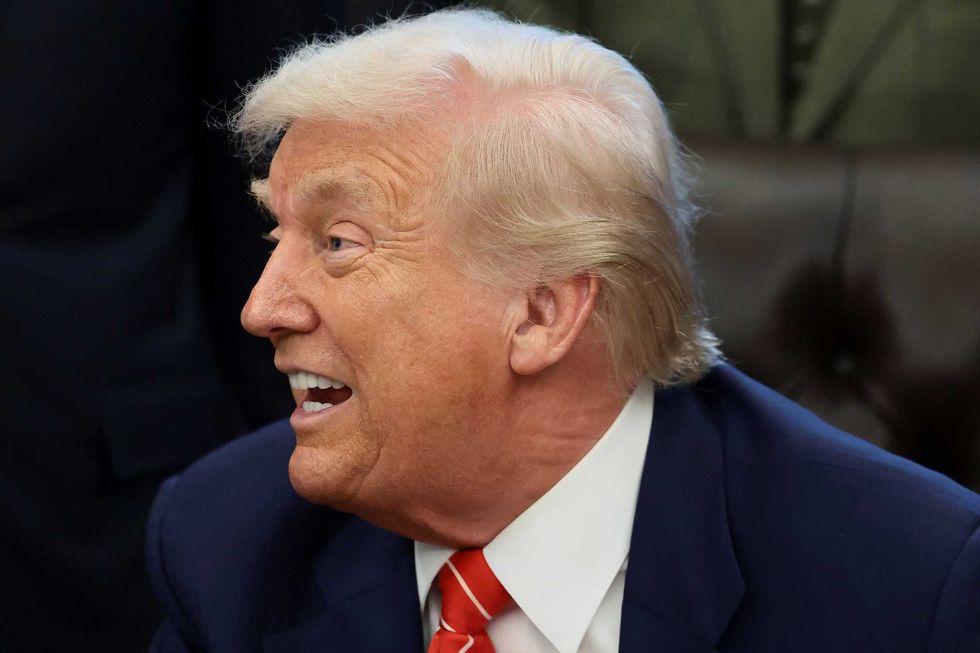
WSJ demands 'ugly' Trump apologize to the Supreme Court

WSJ demands 'ugly' Trump apologize to the Supreme Court

The conservative learning Wall Street Journal blasted President Donald Trump for “smearing” members of the Supreme Court who overruled his unilateral tariff policy
Paylaş
Alternet2026/02/21 10:31
The Resilient Supply Chain: AI-Driven “Anticipatory Logistics” in 2026

The Resilient Supply Chain: AI-Driven “Anticipatory Logistics” in 2026

The global supply chains of the early 2020s were built for “Efficiency.” But in the volatile landscape of 2026—marked by climate events and geopolitical shifts—
Paylaş
Techbullion2026/02/21 09:57
UK Eyes £20K Limit in New Stablecoin Framework

UK Eyes £20K Limit in New Stablecoin Framework

The post UK Eyes £20K Limit in New Stablecoin Framework appeared on BitcoinEthereumNews.com. The Bank of England is preparing to launch a regulatory framework for stablecoins, which could reshape how digital currencies operate in the UK’s financial system. According to Bloomberg, the plan may include temporary limits on asset storage, setting a £20,000 cap for individuals and £10 million for businesses. Sources familiar with the draft indicate that certain exceptions will apply. Deputy Governor Sarah Breeden said that the UK is advancing in step with the US in developing its stablecoin regime. She emphasized that the limits are temporary, intended to ensure market stability as the regulatory environment matures. Why the UK Is More Cautious Breeden highlighted that the credit structures of the US and UK differ sharply. In the US, a significant portion of mortgages are financed through the securities market, whereas in the UK, they are largely funded by commercial banks.This structural difference, she noted, drives British regulators to take a more cautious stance as they balance innovation with financial security. Bloomberg reported that the Bank of England expects to finalize its framework by late 2025.The new rules are also set to require asset reserves and greater issuer transparency, aligning with international best practices. Stablecoin Regulation Around the World Globally, stablecoin regulation has become a top priority for central banks and financial watchdogs: United States The US Treasury and Federal Reserve are exploring a regulatory model focused on bank-like supervision for major issuers such as Circle and Tether. Several bills in Congress — including the Clarity for Payment Stablecoins Act — propose strict reserve and audit requirements. European Union The EU’s Markets in Crypto-Assets (MiCA) framework, taking effect in 2024–2025, will be the world’s first comprehensive crypto regulation. MiCA mandates 1:1 reserve backing for stablecoins and limits their use if they threaten financial stability — a move seen as setting the…
Paylaş
BitcoinEthereumNews2025/11/07 05:07