

The sum of money saved in 2025 by the insurer’s dedicated fraud team totalled nearly1 £174 million – which is equivalent to over 650 fraud cases, recouping £3.3 million every week. In addition, fraud savings were up 10.5% compared to 2024, when Allianz recovered over £157 million.
Over 34,200 insurance fraud cases, including a ghost broker pocketing more than £133,000, were identified by Allianz UK last year The post Allianz UK Prevents RecordOver 34,200 insurance fraud cases, including a ghost broker pocketing more than £133,000, were identified by Allianz UK last year The post Allianz UK Prevents Record
Allianz UK Prevents Record Level of Fraud
Bu içerikle ilgili geri bildirim veya endişeleriniz için lütfen [email protected] üzerinden bizimle iletişime geçin.
Over 34,200 insurance fraud cases, including a ghost broker pocketing more than £133,000, were identified by Allianz UK last year.
Fraud trends
With fraudsters continuing to evolve their tactics in many areas of insurance, whether through submitting fake claims or intercepting policies, some of the biggest 20252 fraud trends include:
- 84% rise in staged accidents, where two cars purposefully collide to create a fake accident and claim.
- 61% rise in contrived accidents, where a fraudster crashes into an innocent driver to claim fabricated damage or injury.
- Increase in ballooning of casualty claims, where a claim is submitted for a modest sum, but once accepted is then grossly exaggerated by adding fake additional injuries. For example, Allianz accepted a claim worth £8k, but the claimant then added more injures to the sum of £56k.
- Ghost brokers continue to be a persistent threat, accounting for £15 million in policy fraud, with no signs of it slowing as fraudsters target different communities such as young people looking for cheaper insurance.
Ben Fletcher, Director of Fraud and Financial Crime at Allianz UK, said: “Insurance fraud is a serious problem that pushes up the cost of policies for honest consumers, but our dedicated team continue the fight through a mix of training, education and tools. Fraudsters are continually changing their tactics and we need to match their efforts with greater speed and agility than ever before. We’re working more closely than ever with a wide range of suppliers, industry organisations and the police to catch the fraudsters, and our 2025 results indicates that our efforts are working.
“We do all we can to protect our genuine customers and businesses against the harm of fraud, and make it a hostile environment for anyone seeking to commit fraud against us. We are resolute in our determination to identify and defend against any type of fraud and use a variety of methods to detect it such as voice analytics and machine learning tools. This work is reflected in some of the convictions we’ve seen in criminal courts and findings of fundamental dishonesty in the civil courts.”
Some of the fraud cases Allianz has tackled in 2025 include:
Ghost broker sentenced to five years
An insurance broker who abused his position of trust to divert payments totalling more than £133,000 into his personal bank account was sentenced to more than five years in prison. His conviction followed an investigation led by the Insurance Fraud Enforcement Department (IFED) with support from Allianz UK.
The broker used his role as an insurance broker to mislead customers, falsify documents, and misdirect payments intended for legitimate insurance policies. His actions left individuals and businesses without valid cover for homes, vehicles, and commercial property – placing them at serious risk.
Noise induced hearing loss
A claimant alleged they’d suffered noise induced hearing loss from previous employment. Not only did the claimant fail to prove their £23k claim, at cross examination, it was shown they had been untruthful to such an extent the claim was struck out and fundamental dishonesty was made against the claimant.
£10m claim from cyclist
Following a relatively modest collision a cyclist tried to grossly exaggerate their claim, suggesting that their injuries were much more severe than they were. Despite claims of ongoing symptoms requiring round the clock care, surveillance undertaken showed the claimant regularly leaving home with no apparent symptoms whatsoever. Medical experts were of the view that this was an extreme case of exaggeration, and no medical condition could explain the inconsistent symptoms displayed.
The post Allianz UK Prevents Record Level of Fraud appeared first on FF News | Fintech Finance.
Piyasa Fırsatı
Falcon Finance Fiyatı(FF)
$0.0747
$0.0747$0.0747
USD
Falcon Finance (FF) Canlı Fiyat Grafiği
Sorumluluk Reddi: Bu sitede yeniden yayınlanan makaleler, halka açık platformlardan alınmıştır ve yalnızca bilgilendirme amaçlıdır. MEXC'nin görüşlerini yansıtmayabilir. Tüm hakları telif sahiplerine aittir. Herhangi bir içeriğin üçüncü taraf haklarını ihlal ettiğini düşünüyorsanız, kaldırılması için lütfen [email protected] ile iletişime geçin. MEXC, içeriğin doğruluğu, eksiksizliği veya güncelliği konusunda hiçbir garanti vermez ve sağlanan bilgilere dayalı olarak alınan herhangi bir eylemden sorumlu değildir. İçerik, finansal, yasal veya diğer profesyonel tavsiye niteliğinde değildir ve MEXC tarafından bir tavsiye veya onay olarak değerlendirilmemelidir.
Ayrıca Şunları da Beğenebilirsiniz

Why Ethereum Price Could Drop to $1,500 Despite Record Activity
The post Why Ethereum Price Could Drop to $1,500 Despite Record Activity appeared on BitcoinEthereumNews.com. Ethereum network activity has reached record levels
Paylaş
BitcoinEthereumNews2026/03/13 19:40

Why More Teams Are Replacing Pure Agile with PRINCE2 Agile
Agile once felt like the answer to everything. Simple sprints. Constant feedback. Working software over process. It sounded great and for many, it still is. But
Paylaş
Techbullion2026/03/13 19:41
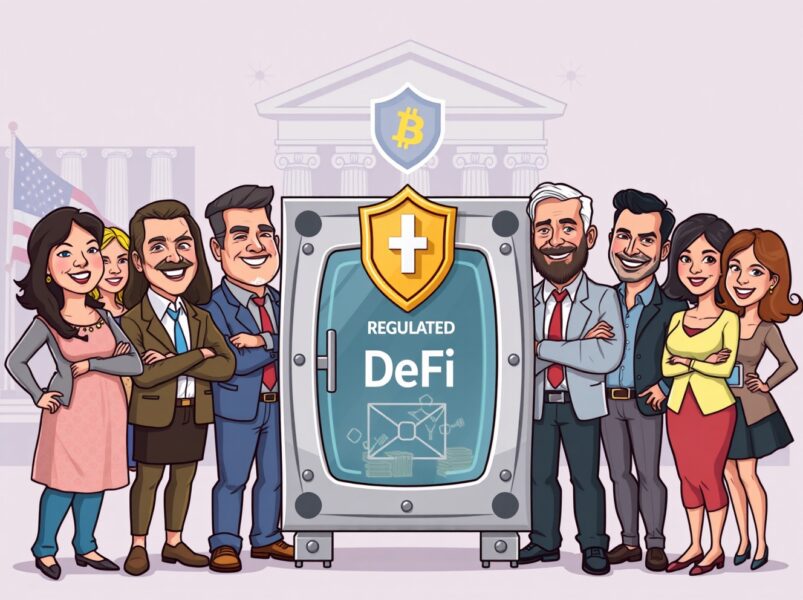
4 in 10 Americans Ready for Regulated DeFi: A Pivotal Survey on DeFi Regulation
BitcoinWorld 4 in 10 Americans Ready for Regulated DeFi: A Pivotal Survey on DeFi Regulation The world of decentralized finance, or DeFi, is often seen as a frontier, exciting but perhaps a little wild. However, a groundbreaking survey from the DeFi Education Fund reveals a surprising truth: a significant portion of Americans are ready to embrace DeFi regulation. This isn’t just a niche interest; it’s a clear signal that mainstream adoption hinges on establishing clear, thoughtful rules for this innovative financial ecosystem. What’s the Buzz Around DeFi Regulation? Imagine a financial system that’s open, transparent, and accessible to everyone, everywhere. That’s the promise of DeFi. Yet, for many, the lack of established guidelines has been a major hurdle. The recent survey sheds light on this hesitation, indicating that nearly half of all Americans are willing to dive into DeFi, but only if it operates within a regulated framework. Key Finding: 42% of respondents would use DeFi under a regulated framework. This figure highlights a strong desire for security and clarity. Payment Services Potential: Among those willing, a remarkable 84% expressed readiness to try DeFi-based payment services. This suggests a massive untapped market for innovative payment solutions. This data points to a crucial intersection where innovation meets consumer protection. It suggests that appropriate DeFi regulation could unlock a new era of financial services for millions. Why Are Americans Eyeing Regulated DeFi? It’s not just about curiosity; there’s a deeper reason behind this willingness to engage with regulated DeFi. The survey also uncovered a significant lack of trust in existing financial systems. Only 29% of respondents believe the current U.S. financial system is truly safe. This sentiment is powerful. It indicates that people are actively seeking alternatives that offer greater transparency, security, and fairness. DeFi regulation, when done right, can provide the assurance needed for individuals to confidently explore these new avenues. It’s about building bridges of trust between cutting-edge technology and everyday users. Consider the benefits: enhanced consumer protection, reduced fraud risks, and a level playing field for all participants. These are the pillars upon which a trusted financial system, traditional or decentralized, must stand. The Promise of Regulated DeFi Payments The enthusiasm for DeFi isn’t limited to just financial products like lending or borrowing. A significant portion of the surveyed group expressed a strong interest in using DeFi for everyday transactions. The idea of regulated DeFi-based payment services is particularly appealing. Faster Transactions: Imagine sending money globally in minutes, not days. Lower Fees: Bypassing traditional intermediaries can significantly reduce costs. Greater Control: Users maintain more direct control over their funds. These advantages, combined with the security provided by clear DeFi regulation, could revolutionize how we think about and use money daily. It’s about creating more efficient, inclusive, and user-centric payment experiences. Navigating the Path to Mainstream DeFi Regulation While the demand for regulated DeFi is evident, the path to achieving it is complex. Regulators face the challenge of understanding a rapidly evolving technology while simultaneously protecting consumers and fostering innovation. This isn’t a simple task, but the survey provides a clear mandate for action. Key Considerations for Effective DeFi Regulation: Clarity: Establishing clear definitions and legal frameworks for DeFi protocols and assets. Consumer Protection: Implementing safeguards against scams, hacks, and financial exploitation. Innovation: Crafting rules that don’t stifle technological advancement and growth. Global Coordination: Harmonizing regulations across different jurisdictions to prevent arbitrage and ensure market stability. The future of finance could very well be decentralized, but its widespread adoption depends heavily on thoughtful and effective DeFi regulation. It’s a collaborative effort between innovators, users, and policymakers to build a financial system that serves everyone. Summary: A Clear Call for Action The survey from the DeFi Education Fund delivers a compelling message: Americans are ready for DeFi, but they want it to be safe and sound. The willingness of 4 in 10 respondents to engage with regulated DeFi, coupled with the strong interest in payment services, underscores the immense potential of this technology. It also highlights a critical opportunity for regulators to step up and provide the clarity and oversight necessary to unlock DeFi’s full promise. The future of finance is evolving, and DeFi regulation will be a cornerstone of its mainstream success. Frequently Asked Questions About Regulated DeFi Q1: What is DeFi? A1: DeFi, or decentralized finance, refers to financial services built on blockchain technology. These services, like lending, borrowing, and trading, operate without traditional intermediaries such as banks, using smart contracts instead. Q2: Why do Americans want DeFi to be regulated? A2: Americans desire regulation for DeFi primarily for security and trust. Many are wary of unregulated financial systems due to potential risks like fraud, hacks, and lack of consumer protection. Regulation can provide a framework of safety and legitimacy. Q3: What benefits could regulated DeFi offer? A3: Regulated DeFi could offer several benefits, including enhanced consumer protection, reduced risks of scams, greater transparency, potentially faster and cheaper financial services (especially payments), and increased trust, leading to broader adoption. Q4: How does DeFi regulation compare to traditional finance regulation? A4: Traditional finance operates under well-established, comprehensive regulatory frameworks. DeFi regulation is still evolving and aims to apply similar principles of consumer protection and market integrity to a decentralized, blockchain-based environment, often requiring new approaches due to its unique technological characteristics. Q5: What are the challenges in implementing DeFi regulation? A5: Challenges include the decentralized and global nature of DeFi, which makes enforcement difficult; the rapid pace of technological innovation; defining which entities are responsible for compliance; and ensuring regulations foster innovation rather than stifling it. Found this article insightful? Share it with your friends, colleagues, and anyone interested in the future of finance and the exciting potential of regulated DeFi! Your shares help spread awareness and foster important conversations. To learn more about the latest crypto market trends, explore our article on key developments shaping DeFi institutional adoption. This post 4 in 10 Americans Ready for Regulated DeFi: A Pivotal Survey on DeFi Regulation first appeared on BitcoinWorld.
Paylaş
Coinstats2025/09/18 17:30