

Fragile Dreams: Seasonless Design Transforming Fashion CX
Fragile Dreams: Triune’s Lakmé Showcase Signals a Shift Toward Experience-Led Fashion CX
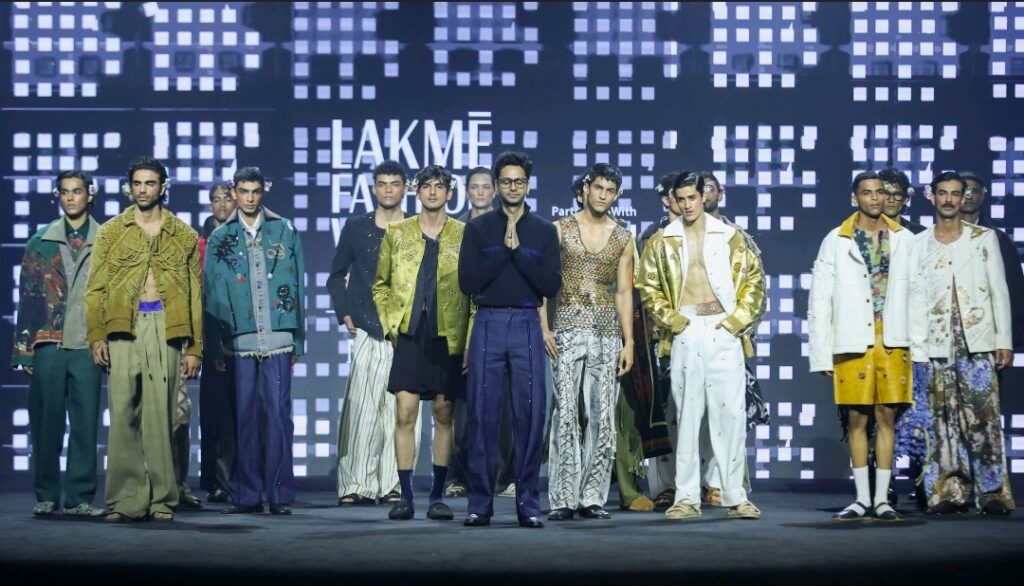
At Lakmé Fashion Week 2026, Jaipur-based label Triune, founded by designer Prasoon Sharma, unveiled its latest collection, “Fragile Dreams,” under the Emerging Designer category. Positioned as a seasonless menswear and unisex line, the collection emphasized fluid silhouettes, tactile materials, and narrative-driven design.
While fashion week showcases are typically interpreted through aesthetics and trend forecasting, this presentation reflects a deeper shift in the industry—one that aligns closely with evolving customer experience (CX) paradigms. Increasingly, fashion brands are transitioning from product-centric approaches to experience-led models that prioritize adaptability, identity, and emotional engagement.
Fragile Dreams: The Evolution of Customer Expectations in Fashion
Fashion consumers today operate within a highly interconnected digital ecosystem. Social platforms, direct-to-consumer channels, and content-driven commerce have redefined how customers discover, evaluate, and engage with brands. As a result, expectations have shifted toward personalization, authenticity, and immediacy.
Customers are no longer satisfied with seasonal trends alone. They are seeking products that integrate seamlessly into their lifestyles—garments that are versatile, expressive, and aligned with their personal narratives. This mirrors broader CX trends across industries, where customers increasingly expect brands to anticipate needs, reduce friction, and deliver meaningful interactions.
However, the industry faces structural challenges. Traditional fashion cycles create inefficiencies in inventory management, increase markdown risks, and often fail to align with real-time consumer demand. At the same time, supply chain disruptions and sustainability pressures are forcing brands to rethink production and distribution models.
In this context, concepts such as seasonless design, modular wardrobes, and gender-neutral collections are gaining traction. These approaches not only address operational inefficiencies but also resonate with evolving customer expectations around flexibility and inclusivity.
Fragile Dreams: Triune’s Strategic Positioning
Triune’s “Fragile Dreams” collection can be interpreted as a strategic response to these shifts. By focusing on seasonless design, the brand reduces dependency on traditional fashion calendars, enabling a more consistent and demand-aligned offering.
The collection’s emphasis on fluid tailoring and unisex silhouettes positions Triune within a growing segment that prioritizes inclusivity and adaptability. This is particularly relevant for younger, digitally native consumers who increasingly reject rigid categorizations in favor of self-expression.
Founder Prasoon Sharma contextualized the collection as a reflection of personal and natural cycles, describing it as inspired by “moments of stillness, chaos, and renewal,” with garments designed to feel “honest and lived-in.” This narrative-driven approach serves as a strategic differentiator, allowing the brand to build deeper emotional connections with its audience.
From a go-to-market perspective, Triune’s hybrid retail strategy—combining its direct online platform with presence in multi-designer boutiques—enables both scalability and curated brand positioning. This approach supports controlled customer interactions while leveraging physical retail for experiential discovery.
Designing for Experience: How the Model Works
At the core of Triune’s approach is the integration of design, materiality, and storytelling into a cohesive experience framework.
The collection’s 16-look lineup combines bomber jackets, airy tanks, relaxed trousers, and shorts, designed to transition seamlessly across occasions. This modularity allows customers to build wardrobes that are not constrained by time, season, or context.
Material selection plays a critical role. The juxtaposition of raw denims with breathable cottons creates a balance between structure and comfort, while in-house textile techniques—such as dori work manipulation—introduce dimensionality and movement. These elements are not merely aesthetic; they contribute to how customers perceive and interact with the product.
Color is also leveraged as a narrative tool. Earthy reds, muted greens, and sun-warmed yellows are used to evoke natural cycles, reinforcing the collection’s thematic focus on transition and renewal.
From a CX standpoint, this model shifts the role of design from visual differentiation to experiential engagement. Each element—silhouette, texture, color—functions as a touchpoint in the overall customer journey.
Customer Experience Implications
Triune’s approach has several implications for customer experience design.
First, the emphasis on versatility reduces decision fatigue. Customers are presented with garments that can be styled across multiple contexts, simplifying the purchase process and increasing perceived value.
Second, the seasonless model supports continuity in the customer journey. Instead of engaging with brands in discrete seasonal bursts, customers can interact with a more stable and consistent product offering. This enhances relationship-building and brand loyalty.
Third, the focus on inclusivity—through gender-neutral silhouettes and flexible styling—expands the addressable customer base while empowering individuals to define their own experience. This aligns with broader CX priorities around personalization and customer agency.
Fourth, tactile and material innovation introduces a sensory dimension that enhances engagement in physical retail environments. The challenge, however, lies in translating this experience into digital channels. Brands must invest in high-quality visual content, storytelling, and potentially immersive technologies to bridge this gap.
Operationally, the model also offers advantages. Reduced seasonality can lead to more predictable demand patterns, improved inventory management, and fewer markdowns. These efficiencies contribute to more reliable service delivery, which is a critical component of customer satisfaction.
Broader Industry Implications
Triune’s showcase reflects a set of trends that are reshaping the fashion industry.
Seasonless design is emerging as a viable alternative to traditional fashion cycles, offering both operational and experiential benefits. Gender-neutral collections are becoming more mainstream, driven by cultural shifts and changing consumer expectations.
At the same time, the integration of storytelling into product design is redefining how brands differentiate themselves. In an environment where functional attributes are increasingly commoditized, emotional engagement becomes a key competitive lever.
These shifts also have technological implications. As brands seek to deliver more immersive and personalized experiences, investment in digital capabilities—such as AI-driven recommendations, virtual try-ons, and content-rich commerce platforms—is likely to increase.
For established players, this creates both an opportunity and a challenge. Adapting to these trends requires not only design innovation but also organizational alignment across supply chain, marketing, and digital functions.
The Road Ahead for CX and Digital Transformation
The fashion industry’s evolution toward experience-led models is part of a broader transformation affecting multiple sectors. As customers demand more personalized, flexible, and meaningful interactions, brands must rethink how they design and deliver value.
Triune’s “Fragile Dreams” collection offers a case study in how these principles can be applied in practice. By integrating seasonless design, narrative storytelling, and adaptable product architecture, the brand demonstrates a pathway toward more customer-centric innovation.
For CX leaders, the implications extend beyond fashion. The core principles—reducing friction, enhancing personalization, and embedding experience into the product itself—are applicable across industries.
Looking ahead, the convergence of design, technology, and customer insight will define competitive advantage. Brands that can align these elements effectively will be better positioned to meet the evolving expectations of their customers.
In this context, experience is no longer a layer added to products—it is the foundation upon which they are built.
Key Takeaways
- Experience-Led Design Is Becoming Core to Fashion CX
Brands are moving beyond aesthetics to embed storytelling, emotion, and usability directly into product design, aligning with broader CX transformation trends. - Seasonless Models Enhance Both CX and Operational Stability
Reducing reliance on fashion cycles helps streamline inventory management while offering customers more consistent, relevant choices. - Versatility Reduces Customer Decision Friction
Multi-use, adaptable garments simplify purchase decisions and increase perceived value across different usage contexts. - Personalization Is Embedded in Product Design
Gender-fluid silhouettes and flexible styling shift personalization from digital interfaces into the physical product experience. - Hybrid Retail Strategies Strengthen End-to-End CX
Combining direct-to-consumer channels with curated physical retail enables better control over brand experience and discovery. - Sensory Experience Must Translate to Digital
As tactile design becomes a differentiator, brands need stronger digital storytelling and visualization to replicate physical engagement online. - Storytelling Is Emerging as a Competitive Differentiator
Emotional narratives tied to products help brands build deeper, more durable customer relationships in a crowded market.
The post Fragile Dreams: Seasonless Design Transforming Fashion CX appeared first on CX Quest.
Ayrıca Şunları da Beğenebilirsiniz

Strait of Hormuz Crisis: Trump’s Critical 48-Hour Ultimatum to Iran Shakes Global Markets
Which Altcoin Will Win Q2? (2 AIs Make Some Bold Predictions)

