This document explores the diverse perspectives of writers on the Medium platform regarding the integration and impact of Artificial Intelligence (AI) tools in their creative process and the broader writing landscape. It delves into the opportunities AI presents for enhancing productivity, generating ideas, and improving writing quality, while also addressing the anxieties surrounding originality, job security, and the potential devaluation of human creativity.Photo by BoliviaInteligente on Unsplash The Allure of AI: Efficiency and Inspiration Many Medium writers acknowledge the potential benefits of AI tools, particularly in areas where efficiency and inspiration are paramount. Boosting Productivity: AI-powered writing assistants can significantly speed up the writing process. Tools like Grammarly and ProWritingAid, which have been around for a while, are now being augmented with AI features that offer more sophisticated grammar and style suggestions. AI can also assist with tasks such as: Generating outlines: Quickly creating structured outlines for articles, saving time on initial planning Research and summarization: Efficiently gathering information and summarizing lengthy documents, allowing writers to focus on analysis and interpretation. Drafting initial content: Producing initial drafts of sections or entire articles, providing a starting point for writers to refine and personalize. Sparking Creativity: AI can serve as a source of inspiration and help writers overcome writer’s block. Generating ideas: AI tools can suggest potential topics, angles, and keywords based on trending themes and audience interests. Exploring different writing styles: Experimenting with AI to generate content in various tones and styles, broadening a writer’s creative range. Overcoming writer’s block: Using AI to generate initial text or prompts to jumpstart the writing process when facing creative stagnation. Improving Writing Quality: AI tools can help writers refine their work and ensure clarity and accuracy. Grammar and style checking: Identifying and correcting grammatical errors, stylistic inconsistencies, and awkward phrasing. Readability analysis: Assessing the readability of text and suggesting improvements to make it more accessible to a wider audience. SEO optimization: Optimizing content for search engines by suggesting relevant keywords and improving overall SEO performance. The Shadow of AI: Concerns and Ethical Considerations Despite the potential benefits, many Medium writers express concerns about the ethical implications and potential negative consequences of AI in writing. Originality and Authenticity: A primary concern is the potential for AI to diminish originality and authenticity in writing. Content mills and plagiarism: The fear that AI will be used to generate low-quality, generic content that floods the internet and potentially infringes on copyright. Loss of unique voice: The concern that relying too heavily on AI will lead to a homogenization of writing styles and a loss of individual voice. Defining authorship: Questions arise about who is the true author of AI-generated content — the user who prompts the AI or the AI itself? Job Security and the Value of Human Writers: Many writers worry about the potential for AI to displace human writers and devalue their skills. Automation of writing tasks: The fear that AI will automate many of the tasks currently performed by writers, leading to job losses. Lowering rates for writing services: The concern that the availability of AI-generated content will drive down rates for human writers, making it difficult to earn a living. The evolving role of the writer: The need for writers to adapt their skills and focus on areas where human creativity and expertise are essential, such as critical thinking, emotional intelligence, and storytelling. Ethical Considerations: The use of AI in writing raises several ethical questions. Transparency and disclosure: The importance of being transparent about the use of AI in content creation and disclosing when AI has been used to generate or assist with writing. Bias and fairness: The potential for AI algorithms to perpetuate biases and stereotypes, leading to unfair or discriminatory content. Misinformation and manipulation: The risk that AI will be used to generate and spread misinformation or manipulate public opinion. Navigating the Future: A Balanced Approach The consensus among many Medium writers is that AI is a tool that should be used responsibly and ethically. A balanced approach is needed, one that leverages the benefits of AI while mitigating the risks. Embrace AI as a Tool, Not a Replacement: View AI as a tool to enhance writing skills and productivity, rather than a replacement for human creativity and expertise. Focus on Human Strengths: Emphasize the unique qualities that human writers bring to the table, such as critical thinking, emotional intelligence, storytelling, and the ability to connect with audiences on a personal level. Develop New Skills: Acquire new skills in areas such as AI prompt engineering, content strategy, and data analysis to remain competitive in the evolving writing landscape. Advocate for Ethical Guidelines: Support the development of ethical guidelines and best practices for the use of AI in writing, promoting transparency, fairness, and accountability. Foster a Community of Learning: Engage in discussions and share knowledge about AI tools and their impact on the writing profession, fostering a community of learning and collaboration. In conclusion, the Medium writing community holds a complex and nuanced view of AI tools. While recognizing the potential for increased efficiency and creative inspiration, writers also express legitimate concerns about originality, job security, and ethical considerations. The key to navigating this evolving landscape lies in embracing AI as a tool, focusing on human strengths, developing new skills, and advocating for ethical guidelines. By adopting a balanced and responsible approach, writers can harness the power of AI to enhance their craft while preserving the value of human creativity and storytelling. AI and Writing on Medium: A Mix of Possibilities and Worries was originally published in Coinmonks on Medium, where people are continuing the conversation by highlighting and responding to this storyThis document explores the diverse perspectives of writers on the Medium platform regarding the integration and impact of Artificial Intelligence (AI) tools in their creative process and the broader writing landscape. It delves into the opportunities AI presents for enhancing productivity, generating ideas, and improving writing quality, while also addressing the anxieties surrounding originality, job security, and the potential devaluation of human creativity.Photo by BoliviaInteligente on Unsplash The Allure of AI: Efficiency and Inspiration Many Medium writers acknowledge the potential benefits of AI tools, particularly in areas where efficiency and inspiration are paramount. Boosting Productivity: AI-powered writing assistants can significantly speed up the writing process. Tools like Grammarly and ProWritingAid, which have been around for a while, are now being augmented with AI features that offer more sophisticated grammar and style suggestions. AI can also assist with tasks such as: Generating outlines: Quickly creating structured outlines for articles, saving time on initial planning Research and summarization: Efficiently gathering information and summarizing lengthy documents, allowing writers to focus on analysis and interpretation. Drafting initial content: Producing initial drafts of sections or entire articles, providing a starting point for writers to refine and personalize. Sparking Creativity: AI can serve as a source of inspiration and help writers overcome writer’s block. Generating ideas: AI tools can suggest potential topics, angles, and keywords based on trending themes and audience interests. Exploring different writing styles: Experimenting with AI to generate content in various tones and styles, broadening a writer’s creative range. Overcoming writer’s block: Using AI to generate initial text or prompts to jumpstart the writing process when facing creative stagnation. Improving Writing Quality: AI tools can help writers refine their work and ensure clarity and accuracy. Grammar and style checking: Identifying and correcting grammatical errors, stylistic inconsistencies, and awkward phrasing. Readability analysis: Assessing the readability of text and suggesting improvements to make it more accessible to a wider audience. SEO optimization: Optimizing content for search engines by suggesting relevant keywords and improving overall SEO performance. The Shadow of AI: Concerns and Ethical Considerations Despite the potential benefits, many Medium writers express concerns about the ethical implications and potential negative consequences of AI in writing. Originality and Authenticity: A primary concern is the potential for AI to diminish originality and authenticity in writing. Content mills and plagiarism: The fear that AI will be used to generate low-quality, generic content that floods the internet and potentially infringes on copyright. Loss of unique voice: The concern that relying too heavily on AI will lead to a homogenization of writing styles and a loss of individual voice. Defining authorship: Questions arise about who is the true author of AI-generated content — the user who prompts the AI or the AI itself? Job Security and the Value of Human Writers: Many writers worry about the potential for AI to displace human writers and devalue their skills. Automation of writing tasks: The fear that AI will automate many of the tasks currently performed by writers, leading to job losses. Lowering rates for writing services: The concern that the availability of AI-generated content will drive down rates for human writers, making it difficult to earn a living. The evolving role of the writer: The need for writers to adapt their skills and focus on areas where human creativity and expertise are essential, such as critical thinking, emotional intelligence, and storytelling. Ethical Considerations: The use of AI in writing raises several ethical questions. Transparency and disclosure: The importance of being transparent about the use of AI in content creation and disclosing when AI has been used to generate or assist with writing. Bias and fairness: The potential for AI algorithms to perpetuate biases and stereotypes, leading to unfair or discriminatory content. Misinformation and manipulation: The risk that AI will be used to generate and spread misinformation or manipulate public opinion. Navigating the Future: A Balanced Approach The consensus among many Medium writers is that AI is a tool that should be used responsibly and ethically. A balanced approach is needed, one that leverages the benefits of AI while mitigating the risks. Embrace AI as a Tool, Not a Replacement: View AI as a tool to enhance writing skills and productivity, rather than a replacement for human creativity and expertise. Focus on Human Strengths: Emphasize the unique qualities that human writers bring to the table, such as critical thinking, emotional intelligence, storytelling, and the ability to connect with audiences on a personal level. Develop New Skills: Acquire new skills in areas such as AI prompt engineering, content strategy, and data analysis to remain competitive in the evolving writing landscape. Advocate for Ethical Guidelines: Support the development of ethical guidelines and best practices for the use of AI in writing, promoting transparency, fairness, and accountability. Foster a Community of Learning: Engage in discussions and share knowledge about AI tools and their impact on the writing profession, fostering a community of learning and collaboration. In conclusion, the Medium writing community holds a complex and nuanced view of AI tools. While recognizing the potential for increased efficiency and creative inspiration, writers also express legitimate concerns about originality, job security, and ethical considerations. The key to navigating this evolving landscape lies in embracing AI as a tool, focusing on human strengths, developing new skills, and advocating for ethical guidelines. By adopting a balanced and responsible approach, writers can harness the power of AI to enhance their craft while preserving the value of human creativity and storytelling. AI and Writing on Medium: A Mix of Possibilities and Worries was originally published in Coinmonks on Medium, where people are continuing the conversation by highlighting and responding to this story

AI and Writing on Medium: A Mix of Possibilities and Worries

2025/09/04 15:06
Okuma süresi: 5 dk

This document explores the diverse perspectives of writers on the Medium platform regarding the integration and impact of Artificial Intelligence (AI) tools in their creative process and the broader writing landscape. It delves into the opportunities AI presents for enhancing productivity, generating ideas, and improving writing quality, while also addressing the anxieties surrounding originality, job security, and the potential devaluation of human creativity.

Photo by BoliviaInteligente on Unsplash

The Allure of AI: Efficiency and Inspiration

Many Medium writers acknowledge the potential benefits of AI tools, particularly in areas where efficiency and inspiration are paramount.

Boosting Productivity: AI-powered writing assistants can significantly speed up the writing process. Tools like Grammarly and ProWritingAid, which have been around for a while, are now being augmented with AI features that offer more sophisticated grammar and style suggestions. AI can also assist with tasks such as:

  • Generating outlines: Quickly creating structured outlines for articles, saving time on initial planning
  • Research and summarization: Efficiently gathering information and summarizing lengthy documents, allowing writers to focus on analysis and interpretation.
  • Drafting initial content: Producing initial drafts of sections or entire articles, providing a starting point for writers to refine and personalize.

Sparking Creativity: AI can serve as a source of inspiration and help writers overcome writer’s block.

  • Generating ideas: AI tools can suggest potential topics, angles, and keywords based on trending themes and audience interests.
  • Exploring different writing styles: Experimenting with AI to generate content in various tones and styles, broadening a writer’s creative range.
  • Overcoming writer’s block: Using AI to generate initial text or prompts to jumpstart the writing process when facing creative stagnation.

Improving Writing Quality: AI tools can help writers refine their work and ensure clarity and accuracy.

  • Grammar and style checking: Identifying and correcting grammatical errors, stylistic inconsistencies, and awkward phrasing.
  • Readability analysis: Assessing the readability of text and suggesting improvements to make it more accessible to a wider audience.
  • SEO optimization: Optimizing content for search engines by suggesting relevant keywords and improving overall SEO performance.

The Shadow of AI: Concerns and Ethical Considerations

Despite the potential benefits, many Medium writers express concerns about the ethical implications and potential negative consequences of AI in writing.

Originality and Authenticity: A primary concern is the potential for AI to diminish originality and authenticity in writing.

  • Content mills and plagiarism: The fear that AI will be used to generate low-quality, generic content that floods the internet and potentially infringes on copyright.
  • Loss of unique voice: The concern that relying too heavily on AI will lead to a homogenization of writing styles and a loss of individual voice.
  • Defining authorship: Questions arise about who is the true author of AI-generated content — the user who prompts the AI or the AI itself?

Job Security and the Value of Human Writers: Many writers worry about the potential for AI to displace human writers and devalue their skills.

  • Automation of writing tasks: The fear that AI will automate many of the tasks currently performed by writers, leading to job losses.
  • Lowering rates for writing services: The concern that the availability of AI-generated content will drive down rates for human writers, making it difficult to earn a living.
  • The evolving role of the writer: The need for writers to adapt their skills and focus on areas where human creativity and expertise are essential, such as critical thinking, emotional intelligence, and storytelling.

Ethical Considerations: The use of AI in writing raises several ethical questions.

  • Transparency and disclosure: The importance of being transparent about the use of AI in content creation and disclosing when AI has been used to generate or assist with writing.
  • Bias and fairness: The potential for AI algorithms to perpetuate biases and stereotypes, leading to unfair or discriminatory content.
  • Misinformation and manipulation: The risk that AI will be used to generate and spread misinformation or manipulate public opinion.

The consensus among many Medium writers is that AI is a tool that should be used responsibly and ethically. A balanced approach is needed, one that leverages the benefits of AI while mitigating the risks.

Embrace AI as a Tool, Not a Replacement: View AI as a tool to enhance writing skills and productivity, rather than a replacement for human creativity and expertise.

Focus on Human Strengths: Emphasize the unique qualities that human writers bring to the table, such as critical thinking, emotional intelligence, storytelling, and the ability to connect with audiences on a personal level.

Develop New Skills: Acquire new skills in areas such as AI prompt engineering, content strategy, and data analysis to remain competitive in the evolving writing landscape.

Advocate for Ethical Guidelines: Support the development of ethical guidelines and best practices for the use of AI in writing, promoting transparency, fairness, and accountability.

Foster a Community of Learning: Engage in discussions and share knowledge about AI tools and their impact on the writing profession, fostering a community of learning and collaboration.

In conclusion, the Medium writing community holds a complex and nuanced view of AI tools. While recognizing the potential for increased efficiency and creative inspiration, writers also express legitimate concerns about originality, job security, and ethical considerations. The key to navigating this evolving landscape lies in embracing AI as a tool, focusing on human strengths, developing new skills, and advocating for ethical guidelines. By adopting a balanced and responsible approach, writers can harness the power of AI to enhance their craft while preserving the value of human creativity and storytelling.


AI and Writing on Medium: A Mix of Possibilities and Worries was originally published in Coinmonks on Medium, where people are continuing the conversation by highlighting and responding to this story.

Piyasa Fırsatı
null Logosu
null Fiyatı(null)
--
----
USD
null (null) Canlı Fiyat Grafiği
Sorumluluk Reddi: Bu sitede yeniden yayınlanan makaleler, halka açık platformlardan alınmıştır ve yalnızca bilgilendirme amaçlıdır. MEXC'nin görüşlerini yansıtmayabilir. Tüm hakları telif sahiplerine aittir. Herhangi bir içeriğin üçüncü taraf haklarını ihlal ettiğini düşünüyorsanız, kaldırılması için lütfen [email protected] ile iletişime geçin. MEXC, içeriğin doğruluğu, eksiksizliği veya güncelliği konusunda hiçbir garanti vermez ve sağlanan bilgilere dayalı olarak alınan herhangi bir eylemden sorumlu değildir. İçerik, finansal, yasal veya diğer profesyonel tavsiye niteliğinde değildir ve MEXC tarafından bir tavsiye veya onay olarak değerlendirilmemelidir.

Ayrıca Şunları da Beğenebilirsiniz

Thunderclap Review 2026: Is it the Best Social Media Service for Instant Gains?

Thunderclap Review 2026: Is it the Best Social Media Service for Instant Gains?

TLDR: Is Thunderclap legit? Yes, Thunderclap is a legitimate social media growth service designed to help users increase their followers, engagement, and overall
Paylaş
AI Journal2026/02/20 21:10
The GENIUS Act Is Already Law. Banks Shouldn’t Try to Rewrite It Now
The GENIUS Act Is Already Law. Banks Shouldn’t Try to Rewrite It Now

The post The GENIUS Act Is Already Law. Banks Shouldn’t Try to Rewrite It Now appeared on BitcoinEthereumNews.com. Healthy competition drives innovation and better products for consumers; it is at the center of American economic leadership. Unfortunately, now that the bipartisan GENIUS Act has been signed into law, major legacy financial institutions seem to be having second thoughts about the innovations that stablecoins can bring to financial markets. Bank lobbying groups and public affairs teams have been peppering Congress with complaints about the law, urging members to reopen debate and introduce changes to the legislation that will ensure the stablecoin market doesn’t grow too quickly, protecting banks’ profits and stifling consumer choice. This reactionary response is both overblown and unnecessary. What legacy financial firms should do instead is embrace competition and offer exciting new products and services that consumers want, not try to kneecap emerging players through anti-innovation rules and regulations. The GENIUS Act was carefully designed with a thorough bipartisan process to strengthen consumer safeguards, ensure regulatory oversight, and preserve financial stability. Efforts to roll back its provisions are less about protecting families and more about protecting entrenched banking interests from the competition that helps ensure the U.S. banking system stays the strongest and most innovative in the world. Critics warn that allowing stablecoins to provide rewards could lead to massive deposit outflows from community banks, with figures as high as $6.6 trillion cited. But closer examination shows this fear is unfounded. A July 2025 analysis by consulting firm Charles River Associates found no statistically significant relationship between stablecoin adoption and community bank deposit outflows. In fact, the overwhelming majority of stablecoin reserves remain in the traditional financial system — either in commercial bank accounts or in short-term Treasuries — where they continue to support liquidity and credit in the broader U.S. economy. The dire estimates rely on unrealistic assumptions that every dollar of stablecoin issuance permanently…
Paylaş
BitcoinEthereumNews2025/09/18 09:39
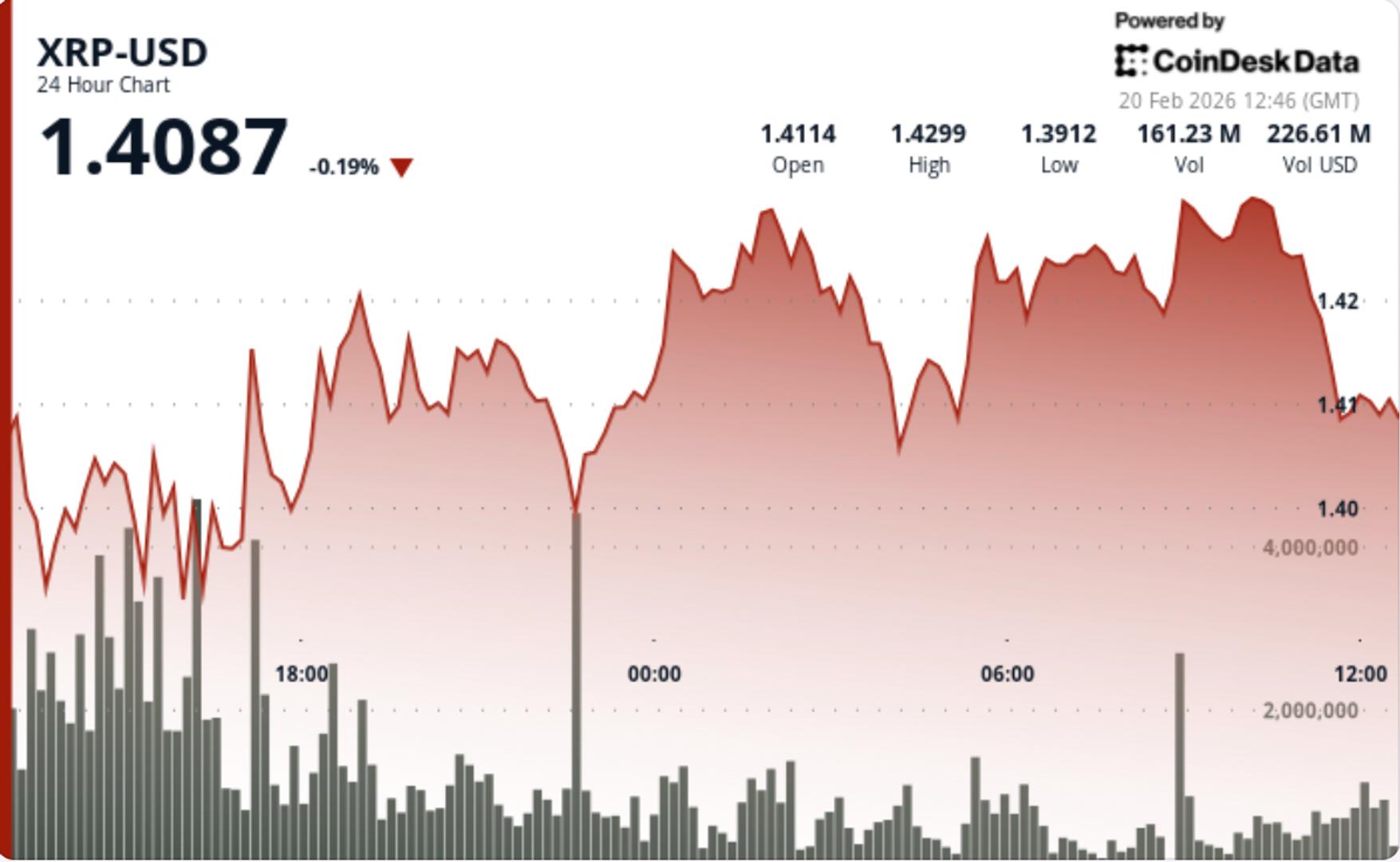
What next for XRP as volatility sinks to 2024 lows

What next for XRP as volatility sinks to 2024 lows

Markets Share Share this article
Copy linkX (Twitter)LinkedInFacebookEmail
What next for XRP as volatility sinks to 202
Paylaş
Coindesk2026/02/20 21:08