Three US Fed banking regulators issued a joint statement on Monday, reminding banks that offer crypto custody to follow risk-management considerations. The Federal Reserve, Federal Deposit Insurance Corp. (FDIC) and the Office of the Comptroller of the Currency (OCC) discussed how existing laws, regulations and risk-management protocols apply to crypto ‘safekeeping.’ The agencies clarified that the statement does not create any new supervisory expectations, emphasizing the need for stronger risk-management practices. “[The statement] reminds banks that provide or are considering providing safekeeping of such assets that they must do so in a safe and sound manner and in compliance with applicable laws and regulations.” @federalreserve @FDICgov @USOCC issue joint statement on risk-management considerations for crypto-asset safekeeping: https://t.co/1VFNYCx75T — Federal Reserve (@federalreserve) July 14, 2025 Banks Can Provide Crypto Custody in Two Forms: Fed Agencies The trio of agencies stressed that the proper way to custody such assets involves “controlling the cryptographic keys associated with the crypto-asset in a manner that complies with applicable laws and regulations,” a detailed 7-page memo read. Further, banks can offer crypto custody in two forms: fiduciary and non-fiduciary, they added. In a fiduciary arrangement, where banks are legally authorized to act on behalf of clients like a trustee, specific federal regulations (12 CFR 9 or 150) must be followed. Additionally, state laws and regulations, and any other applicable legal provisions, are also in place, the statement noted. For non-fiduciary services, banks are mandated to implement robust protections to safeguard customers’ digital assets. This includes protection against cyber threats, data loss and mismanagement of private keys. Fed Agencies’ Pivot From Previous Crypto Guidances US Fed agencies have previously restricted banks from easily engaging with crypto businesses under the Biden administration. In March, the current crypto-friendly President Donald Trump signed a long-awaited crypto order that sets a federal agenda meant to move U.S. digital assets businesses into friendly oversight. As a result, the FDIC officially removed “reputational risk” as a factor in bank supervision, creating a significant victory for the crypto space. The agency also issued new guidance that cleared the way for supervised banks in the US to engage in crypto-related activities without seeking prior approval. 🏦 The @FDICgov revised its crypto policy, letting banks engage in digital asset services without prior approval. Oversight continues through post-notification reviews. #CryptoRegulation #FDIC https://t.co/lOsoTfKKtN — Cryptonews.com (@cryptonews) March 29, 2025 The latest statement from the agencies arrives on the first day of the U.S. House of Representatives’ self-described Crypto Week . Starting July 14, the GOP aims to push three key crypto bills this week, including the CLARITY Act, the Anti-CBDC Surveillance State Act, and the Senate’s GENIUS Act.Three US Fed banking regulators issued a joint statement on Monday, reminding banks that offer crypto custody to follow risk-management considerations. The Federal Reserve, Federal Deposit Insurance Corp. (FDIC) and the Office of the Comptroller of the Currency (OCC) discussed how existing laws, regulations and risk-management protocols apply to crypto ‘safekeeping.’ The agencies clarified that the statement does not create any new supervisory expectations, emphasizing the need for stronger risk-management practices. “[The statement] reminds banks that provide or are considering providing safekeeping of such assets that they must do so in a safe and sound manner and in compliance with applicable laws and regulations.” @federalreserve @FDICgov @USOCC issue joint statement on risk-management considerations for crypto-asset safekeeping: https://t.co/1VFNYCx75T — Federal Reserve (@federalreserve) July 14, 2025 Banks Can Provide Crypto Custody in Two Forms: Fed Agencies The trio of agencies stressed that the proper way to custody such assets involves “controlling the cryptographic keys associated with the crypto-asset in a manner that complies with applicable laws and regulations,” a detailed 7-page memo read. Further, banks can offer crypto custody in two forms: fiduciary and non-fiduciary, they added. In a fiduciary arrangement, where banks are legally authorized to act on behalf of clients like a trustee, specific federal regulations (12 CFR 9 or 150) must be followed. Additionally, state laws and regulations, and any other applicable legal provisions, are also in place, the statement noted. For non-fiduciary services, banks are mandated to implement robust protections to safeguard customers’ digital assets. This includes protection against cyber threats, data loss and mismanagement of private keys. Fed Agencies’ Pivot From Previous Crypto Guidances US Fed agencies have previously restricted banks from easily engaging with crypto businesses under the Biden administration. In March, the current crypto-friendly President Donald Trump signed a long-awaited crypto order that sets a federal agenda meant to move U.S. digital assets businesses into friendly oversight. As a result, the FDIC officially removed “reputational risk” as a factor in bank supervision, creating a significant victory for the crypto space. The agency also issued new guidance that cleared the way for supervised banks in the US to engage in crypto-related activities without seeking prior approval. 🏦 The @FDICgov revised its crypto policy, letting banks engage in digital asset services without prior approval. Oversight continues through post-notification reviews. #CryptoRegulation #FDIC https://t.co/lOsoTfKKtN — Cryptonews.com (@cryptonews) March 29, 2025 The latest statement from the agencies arrives on the first day of the U.S. House of Representatives’ self-described Crypto Week . Starting July 14, the GOP aims to push three key crypto bills this week, including the CLARITY Act, the Anti-CBDC Surveillance State Act, and the Senate’s GENIUS Act.

Banks Engaging in Crypto ‘Safekeeping’ Must Strengthen Risk Controls: US Fed Agencies

Three US Fed banking regulators issued a joint statement on Monday, reminding banks that offer crypto custody to follow risk-management considerations.

The Federal Reserve, Federal Deposit Insurance Corp. (FDIC) and the Office of the Comptroller of the Currency (OCC) discussed how existing laws, regulations and risk-management protocols apply to crypto ‘safekeeping.’

The agencies clarified that the statement does not create any new supervisory expectations, emphasizing the need for stronger risk-management practices.

“[The statement] reminds banks that provide or are considering providing safekeeping of such assets that they must do so in a safe and sound manner and in compliance with applicable laws and regulations.”

Banks Can Provide Crypto Custody in Two Forms: Fed Agencies

The trio of agencies stressed that the proper way to custody such assets involves “controlling the cryptographic keys associated with the crypto-asset in a manner that complies with applicable laws and regulations,” a detailed 7-page memo read.

Further, banks can offer crypto custody in two forms: fiduciary and non-fiduciary, they added.

In a fiduciary arrangement, where banks are legally authorized to act on behalf of clients like a trustee, specific federal regulations (12 CFR 9 or 150) must be followed. Additionally, state laws and regulations, and any other applicable legal provisions, are also in place, the statement noted.

For non-fiduciary services, banks are mandated to implement robust protections to safeguard customers’ digital assets. This includes protection against cyber threats, data loss and mismanagement of private keys.

Fed Agencies’ Pivot From Previous Crypto Guidances

US Fed agencies have previously restricted banks from easily engaging with crypto businesses under the Biden administration.

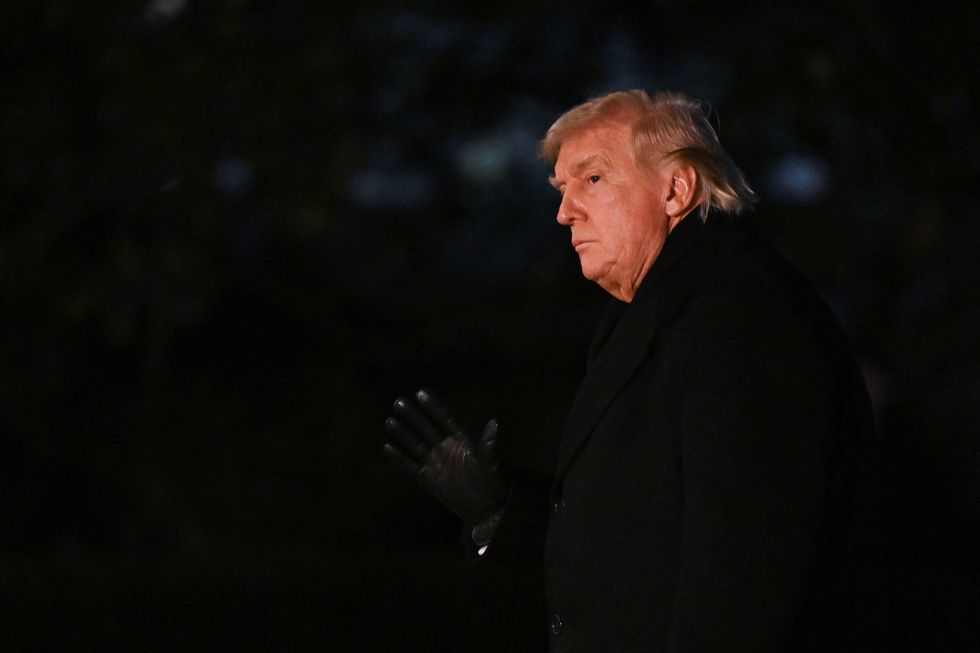
In March, the current crypto-friendly President Donald Trump signed a long-awaited crypto order that sets a federal agenda meant to move U.S. digital assets businesses into friendly oversight.

As a result, the FDIC officially removed “reputational risk” as a factor in bank supervision, creating a significant victory for the crypto space.

The agency also issued new guidance that cleared the way for supervised banks in the US to engage in crypto-related activities without seeking prior approval.

The latest statement from the agencies arrives on the first day of the U.S. House of Representatives’ self-described Crypto Week. Starting July 14, the GOP aims to push three key crypto bills this week, including the CLARITY Act, the Anti-CBDC Surveillance State Act, and the Senate’s GENIUS Act.

Piyasa Fırsatı
Threshold Logosu
Threshold Fiyatı(T)
$0.008769
$0.008769$0.008769
-3.09%
USD
Threshold (T) Canlı Fiyat Grafiği
Sorumluluk Reddi: Bu sitede yeniden yayınlanan makaleler, halka açık platformlardan alınmıştır ve yalnızca bilgilendirme amaçlıdır. MEXC'nin görüşlerini yansıtmayabilir. Tüm hakları telif sahiplerine aittir. Herhangi bir içeriğin üçüncü taraf haklarını ihlal ettiğini düşünüyorsanız, kaldırılması için lütfen [email protected] ile iletişime geçin. MEXC, içeriğin doğruluğu, eksiksizliği veya güncelliği konusunda hiçbir garanti vermez ve sağlanan bilgilere dayalı olarak alınan herhangi bir eylemden sorumlu değildir. İçerik, finansal, yasal veya diğer profesyonel tavsiye niteliğinde değildir ve MEXC tarafından bir tavsiye veya onay olarak değerlendirilmemelidir.

Ayrıca Şunları da Beğenebilirsiniz

Ethereum unveils roadmap focusing on scaling, interoperability, and security at Japan Dev Conference

Ethereum unveils roadmap focusing on scaling, interoperability, and security at Japan Dev Conference

The post Ethereum unveils roadmap focusing on scaling, interoperability, and security at Japan Dev Conference appeared on BitcoinEthereumNews.com. Key Takeaways Ethereum’s new roadmap was presented by Vitalik Buterin at the Japan Dev Conference. Short-term priorities include Layer 1 scaling and raising gas limits to enhance transaction throughput. Vitalik Buterin presented Ethereum’s development roadmap at the Japan Dev Conference today, outlining the blockchain platform’s priorities across multiple timeframes. The short-term goals focus on scaling solutions and increasing Layer 1 gas limits to improve transaction capacity. Mid-term objectives target enhanced cross-Layer 2 interoperability and faster network responsiveness to create a more seamless user experience across different scaling solutions. The long-term vision emphasizes building a secure, simple, quantum-resistant, and formally verified minimalist Ethereum network. This approach aims to future-proof the platform against emerging technological threats while maintaining its core functionality. The roadmap presentation comes as Ethereum continues to compete with other blockchain platforms for market share in the smart contract and decentralized application space. Source: https://cryptobriefing.com/ethereum-roadmap-scaling-interoperability-security-japan/
Paylaş
BitcoinEthereumNews2025/09/18 00:25
CEO Sandeep Nailwal Shared Highlights About RWA on Polygon

CEO Sandeep Nailwal Shared Highlights About RWA on Polygon

The post CEO Sandeep Nailwal Shared Highlights About RWA on Polygon appeared on BitcoinEthereumNews.com. Polygon CEO Sandeep Nailwal highlighted Polygon’s lead in global bonds, Spiko US T-Bill, and Spiko Euro T-Bill. Polygon published an X post to share that its roadmap to GigaGas was still scaling. Sentiments around POL price were last seen to be bearish. Polygon CEO Sandeep Nailwal shared key pointers from the Dune and RWA.xyz report. These pertain to highlights about RWA on Polygon. Simultaneously, Polygon underlined its roadmap towards GigaGas. Sentiments around POL price were last seen fumbling under bearish emotions. Polygon CEO Sandeep Nailwal on Polygon RWA CEO Sandeep Nailwal highlighted three key points from the Dune and RWA.xyz report. The Chief Executive of Polygon maintained that Polygon PoS was hosting RWA TVL worth $1.13 billion across 269 assets plus 2,900 holders. Nailwal confirmed from the report that RWA was happening on Polygon. The Dune and https://t.co/W6WSFlHoQF report on RWA is out and it shows that RWA is happening on Polygon. Here are a few highlights: – Leading in Global Bonds: Polygon holds 62% share of tokenized global bonds (driven by Spiko’s euro MMF and Cashlink euro issues) – Spiko U.S.… — Sandeep | CEO, Polygon Foundation (※,※) (@sandeepnailwal) September 17, 2025 The X post published by Polygon CEO Sandeep Nailwal underlined that the ecosystem was leading in global bonds by holding a 62% share of tokenized global bonds. He further highlighted that Polygon was leading with Spiko US T-Bill at approximately 29% share of TVL along with Ethereum, adding that the ecosystem had more than 50% share in the number of holders. Finally, Sandeep highlighted from the report that there was a strong adoption for Spiko Euro T-Bill with 38% share of TVL. He added that 68% of returns were on Polygon across all the chains. Polygon Roadmap to GigaGas In a different update from Polygon, the community…
Paylaş
BitcoinEthereumNews2025/09/18 01:10
S2 Capital Acquires Ovaltine Apartments, Marking Entry into the Chicago Market

S2 Capital Acquires Ovaltine Apartments, Marking Entry into the Chicago Market

DALLAS, Dec. 22, 2025 /PRNewswire/ — S2 Capital (“S2”), a national vertically integrated real estate investment manager, today announced the acquisition of Ovaltine
Paylaş
AI Journal2025/12/23 12:30