Coinbase Files for OCC Trust Charter, Says It Won’t Become a Bank

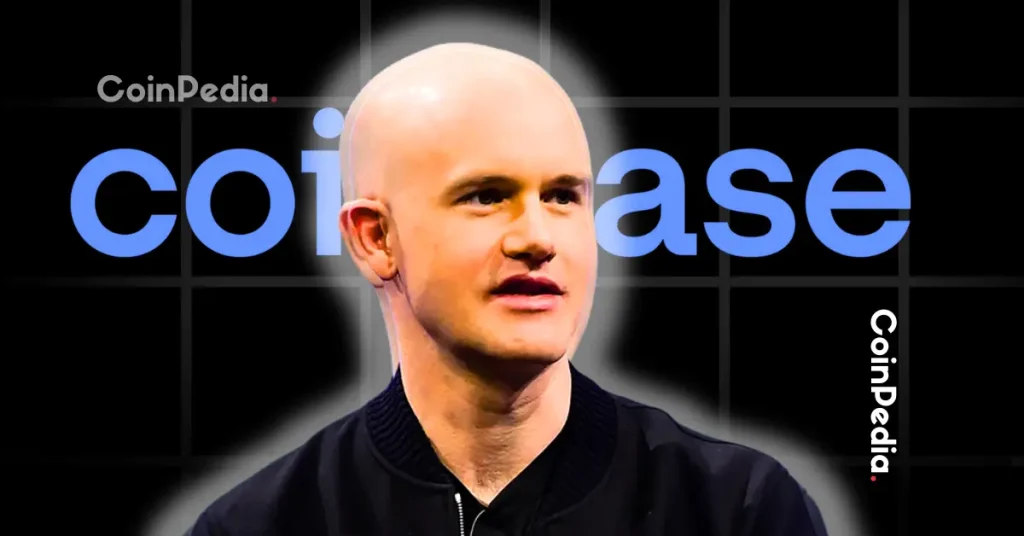
The post Coinbase Files for OCC Trust Charter, Says It Won’t Become a Bank appeared first on Coinpedia Fintech News
Coinbase is making another push into traditional finance. The U.S.’s largest crypto exchange has applied for a National Trust Company Charter from the Office of the Comptroller of the Currency (OCC).
The license could give Coinbase more control over custody and payments, but the company is keen to stress one thing: “We have no intention of becoming a bank.”
What the Charter Really Means
This isn’t a banking license in the usual sense. A national trust charter doesn’t allow lending, deposits, or FDIC insurance. Instead, it gives companies the ability to safeguard assets, manage stablecoin reserves, and settle payments.
For Coinbase, the move is about credentials and regulatory clarity, not turning into a bank.
Payments and Stablecoins at the Core
Coinbase has been leaning heavily into payments as stablecoins gain traction. Its close link with USDC, managed in partnership with Circle, has become central to that strategy. USDC is now the world’s second-largest stablecoin, and Coinbase has struck deals with Shopify, PNC, and JPMorgan to push adoption.
The political backdrop also matters.
In July, President Donald Trump signed the first U.S. law regulating dollar-pegged stablecoins, putting the OCC in charge. For Coinbase, a trust charter could mean expanding payments and custody under clearer federal rules.
Also Read: Could Trump’s Tariffs Lead to $2,000 Payouts for Americans?
A Growing Line of Applicants
Coinbase is not the only firm making this move. Circle, Ripple, Paxos, and Bitgo have all filed for the same license this year, while Anchorage Digital remains the only crypto company to hold one.
Banks, however, are wary.
Coinbase’s Bigger Play
With $425 billion in assets under custody and stock up 53% this year to $380, Coinbase is already the market’s largest crypto custodian. A federal trust charter could strengthen that position and reduce its dependence on partner banks.
CEO Brian Armstrong has called Coinbase a “bank replacement,” not a bank.
Why It Matters
The OCC’s decision on Coinbase’s application will be closely watched across the industry. If approved, it won’t just be a win for Coinbase but could shape how stablecoins and digital assets connect to the U.S. financial system in the years ahead.
Ayrıca Şunları da Beğenebilirsiniz

a16z Calls Stablecoins a Global Macroeconomic Force, Helping Best Wallet Token Presale

Pepeto Presale Surges Past $7.4M as Tokenized Stock Trading Tops $2.5B and Exchange Products Near Launch