Prediction markets are expanding rapidly, but their growth is running into a major US regulatory dispute. On September 24, New York Attorney General Letitia James sued Polymarket, alleging that its USPrediction markets are expanding rapidly, but their growth is running into a major US regulatory dispute. On September 24, New York Attorney General Letitia James sued Polymarket, alleging that its US

Polymarket New York Lawsuit Explained: Why Regulators Are Targeting Prediction Markets


Prediction markets are expanding rapidly, but their growth is running into a major US regulatory dispute. On September 24, New York Attorney General Letitia James sued Polymarket, alleging that its US platform operates as an illegal, unlicensed gambling business. Hours later, Polymarket filed its own federal lawsuit seeking to stop New York officials from regulating it.
 

1.New York’s Case Against Polymarket

New York’s lawsuit argues that Polymarket’s event contracts amount to gambling because users put money behind uncertain outcomes that they cannot control. The state says Polymarket operated in New York without obtaining a license from the New York State Gaming Commission and avoided requirements applied to licensed gambling operators. It is seeking civil penalties, forfeiture of alleged illegal gains and customer restitution.
New York says Polymarket allowed users aged 18 to 20, while the state requires 21 for mobile sports betting. Officials argue that prediction markets offering sports contracts should fall under New York’s gambling framework, particularly when users stake money on sporting outcomes. Similar arguments have been made against Kalshi, Coinbase Financial Markets and Gemini.
Polymarket disputes that characterization. Its chief legal officer, Neal Kumar, said the company had tried to engage with New York officials over their concerns and described its markets as fair, transparent and legal. The dispute therefore centers on whether event contracts are gambling under state law or financial products under federal oversight.
 

2.The Bigger Fight Over Who Regulates Prediction Markets

Polymarket’s response became part of the legal battle when it sued James and other New York officials in Manhattan federal court. It seeks to block state regulation, arguing federal oversight should take precedence. This creates a clash between state gambling authorities and federal oversight.
The Commodity Futures Trading Commission has asserted authority over federally regulated prediction markets, while several states have challenged platforms offering sports and other event contracts. Courts are now being asked to address where state gambling laws end and federal commodities regulation begins. Federal appeals courts are divided over aspects of this question, potentially bringing higher courts into the dispute.
Prediction markets can cover elections, economic indicators, entertainment and other events. Supporters describe them as markets for measurable outcomes, while regulators argue that some contracts function like wagers. The distinction could determine licensing, consumer protections, taxation and regulatory authority.
 

3.What the Lawsuit Means for Polymarket and the Industry

The outcome is not a final ruling on whether Polymarket is legally a gambling platform. The competing cases must move through court, leaving open whether prediction markets can expand nationally under differing state gambling laws. The legal process could therefore have implications well beyond New York.
The case could affect how other platforms approach US expansion. New York is already pursuing legal action involving other prediction-market businesses, showing that Polymarket is part of a broader regulatory confrontation rather than an isolated dispute. If states continue challenging contracts, platforms may face different rules depending on where users are located.
Users should check whether a prediction market is available and permitted in their jurisdiction before trading. Market availability can also change as court decisions and regulatory actions develop. Availability in one state does not automatically mean identical legal treatment elsewhere.
 

Conclusion

The Polymarket-New York lawsuit puts the future regulatory structure of prediction markets under renewed scrutiny. New York says Polymarket is operating an unlicensed gambling business, while Polymarket argues that state officials should not regulate its federally governed market. The courts will now determine how those competing positions interact under current law and regulation.
 

FAQs

Q1Why is New York suing Polymarket?
New York alleges that Polymarket operates an unlicensed gambling business and violates state gambling laws.
Q2:What does Polymarket say?
Polymarket disputes New York’s position and has filed a federal lawsuit challenging the state’s attempt to regulate its prediction market.
Q3:Does the lawsuit mean Polymarket is is illegal everywhere?
No. The case concerns New York’s laws and does not by itself establish a nationwide legal ruling.
Q4:Could this affect other prediction markets?
Yes. The outcome could provide guidance for other platforms facing similar disputes over state gambling laws and federal oversight.
 
Disclaimer: This article is for educational and informational purposes only and does not constitute legal, financial or trading advice, digital assets carry significant risks so do your own research before making any financial decisions.
Cơ hội thị trường
Logo 4
Giá 4(4)
$0.016086
$0.016086$0.016086
USD

Các bài viết được chia sẻ trên trang này được lấy từ các nền tảng công khai và chỉ nhằm mục đích tham khảo. Các bài viết này không đại diện cho lập trường hoặc quan điểm của MEXC. Mọi quyền thuộc về Mubashir. Nếu bạn cho rằng bất kỳ nội dung nào vi phạm quyền của bên thứ ba, vui lòng liên hệ [email protected] để được gỡ bỏ kịp thời. MEXC không đảm bảo tính chính xác, đầy đủ hoặc kịp thời của bất kỳ nội dung nào và không chịu trách nhiệm cho các hành động được thực hiện dựa trên thông tin cung cấp. Nội dung này không cấu thành lời khuyên tài chính, pháp lý hoặc chuyên môn khác, và cũng không nên được xem là khuyến nghị hoặc xác nhận từ MEXC. Để xem những nhận định chuyên sâu và phân tích chi tiết, vui lòng truy cập MEXC Learn.

Cập nhật mới nhất về 4

Xem thêm
Ngày Báo Cáo Tài Chính Q2/2026 Của Tesla: Thời Gian Phát Hành, Webcast Và Các Chỉ Số Chính

Ngày Báo Cáo Tài Chính Q2/2026 Của Tesla: Thời Gian Phát Hành, Webcast Và Các Chỉ Số Chính

Báo cáo thu nhập quý 2 năm 2026 của Tesla dự kiến diễn ra vào thứ Tư, ngày 22 tháng 7 năm 2026, sau khi thị trường đóng cửa. Ban lãnh đạo dự kiến sẽ tổ chức một buổi webcast hỏi đáp trực tiếp vào lúc 4:30 chiều Giờ miền Trung / 5:30 chiều Giờ miền Đông. Bản cập nhật và webcast sẽ có sẵn trên trang Quan hệ Nhà đầu tư của Tesla, và bản ghi lại dự kiến sẽ có sau cuộc gọi. Đây không chỉ là một ngày báo cáo thu nhập bình thường. Tesla đã báo cáo một quý giao hàng vượt kỳ vọng: trong Q2/2026, công ty đã sản xuất 451.758 xe, giao 480.126 xe và triển khai 13,5 GWh sản phẩm lưu trữ năng lượng. Đối với các nhà giao dịch, câu hỏi then chốt không phải là liệu Tesla có giao được nhiều xe hơn hay không. Điều đó đã được biết đến. Câu hỏi thực sự là liệu những đợt giao hàng đó có mang lại lợi nhuận cao hay không, liệu sự tăng trưởng trong lưu trữ năng lượng có thể hỗ trợ câu chuyện rộng lớn hơn của Tesla hay không, và liệu ban lãnh đạo có thể cho thấy các khoản đầu tư vào AI, tự lái và robotaxi đang chuyển từ lời nói sang tiến bộ kinh doanh có thể đo lường được hay không.
2026/07/06
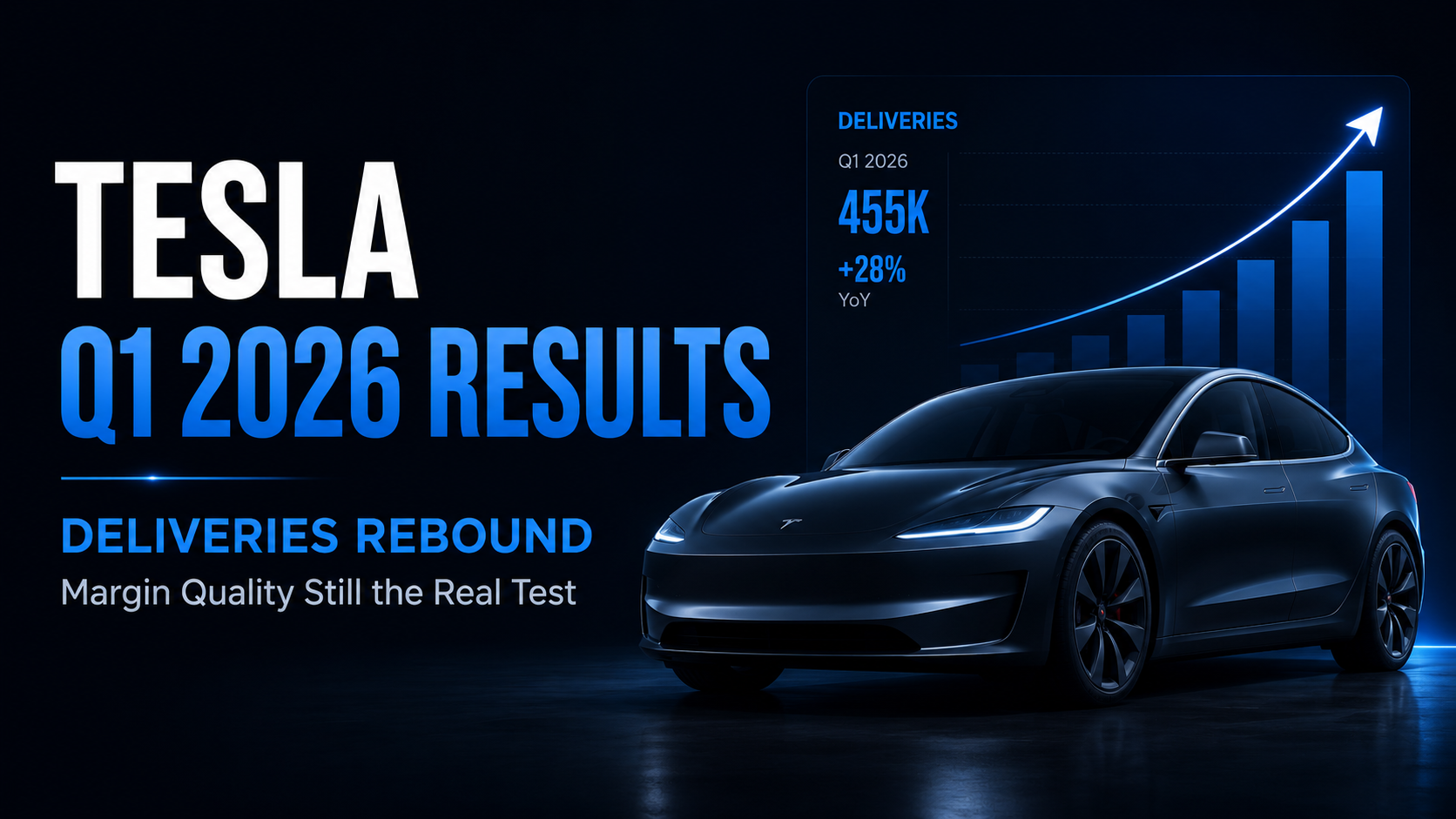
Đánh giá Báo cáo Tài chính Q1 2026 của Tesla: Số lượng giao xe phục hồi, nhưng Chất lượng Biên lợi nhuận mới là Thử thách thực sự

Đánh giá Báo cáo Tài chính Q1 2026 của Tesla: Số lượng giao xe phục hồi, nhưng Chất lượng Biên lợi nhuận mới là Thử thách thực sự

Tesla đã báo cáo kết quả tài chính Q1 2026 vào ngày 22 tháng 4 năm 2026, sau khi thị trường Mỹ đóng cửa. Công ty đã giao 358.023 xe trong quý, tạo ra tổng doanh thu 22,4 tỷ USD và báo cáo lợi nhuận ròng GAAP phân bổ cho các cổ đông phổ thông là 477 triệu USD. Tổng biên lợi nhuận gộp GAAP cải thiện lên 21,1%, trong khi biên lợi nhuận hoạt động đạt 4,2%. Tín hiệu nổi bật không chỉ là sự phục hồi số lượng giao xe của Tesla từ mức cơ sở yếu hơn của năm trước. Câu hỏi quan trọng hơn là liệu lượng giao hàng cao hơn, doanh thu liên quan đến FSD, chi phí xe thấp hơn và biên lợi nhuận ô tô được cải thiện có thể xây dựng lại niềm tin vào câu chuyện lợi nhuận của Tesla hay không. Đối với các nhà đầu tư đang tìm kiếm báo cáo thu nhập tiếp theo của TSLA, Q1 thiết lập một bài kiểm tra quan trọng cho Q2: xác định xem liệu sự tăng trưởng số lượng có thể chuyển hóa bền vững thành thu nhập chất lượng cao hơn hay không.
2026/07/09
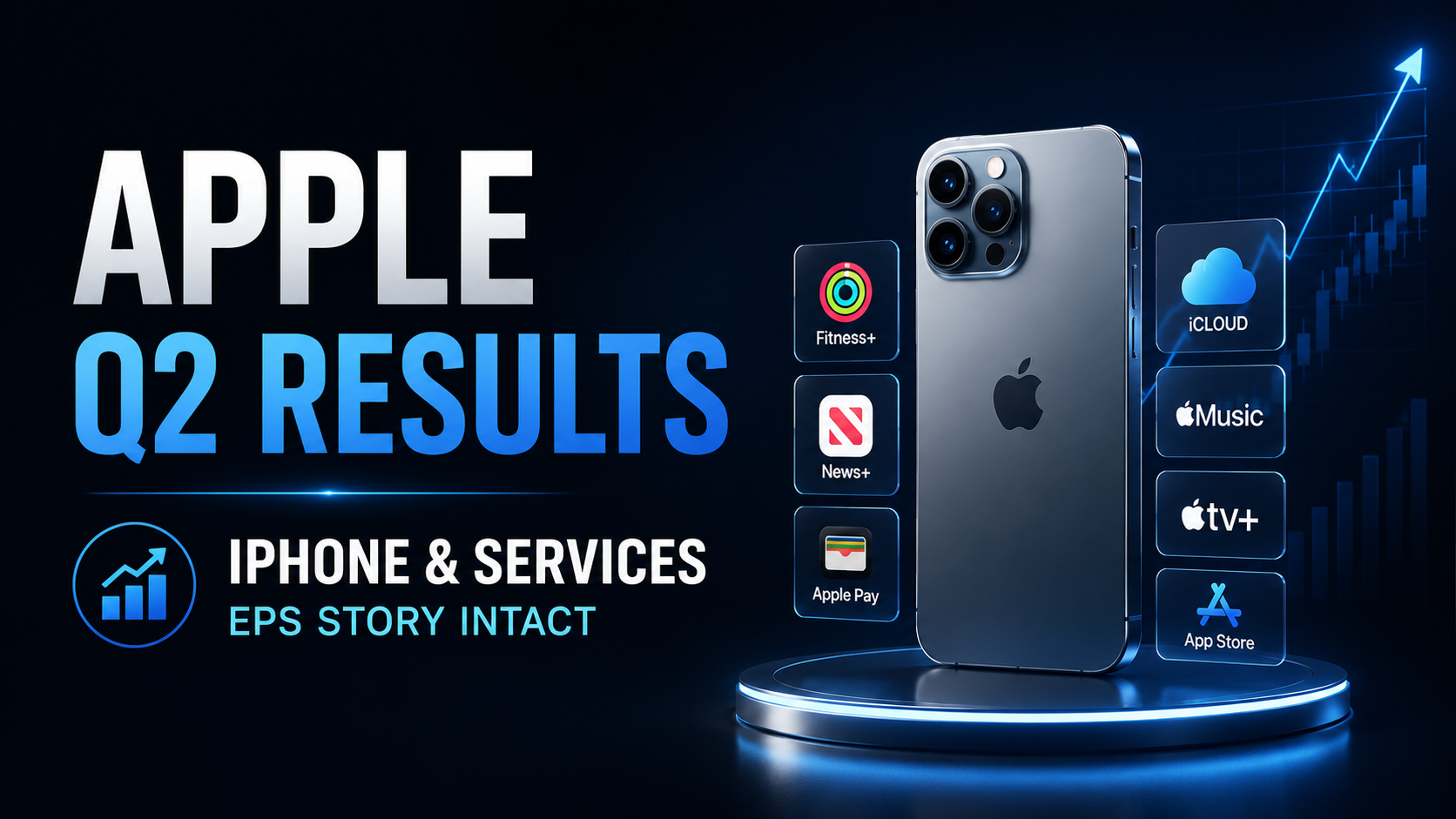
Đánh giá Thu nhập Quý 2 năm tài chính 2026 của Apple: Doanh thu iPhone và Tăng trưởng Dịch vụ Giữ vững Kỳ vọng EPS

Đánh giá Thu nhập Quý 2 năm tài chính 2026 của Apple: Doanh thu iPhone và Tăng trưởng Dịch vụ Giữ vững Kỳ vọng EPS

Apple đã báo cáo kết quả tài chính quý 2 năm tài chính 2026 vào ngày 30 tháng 4 năm 2026, cho quý kết thúc ngày 28 tháng 3 năm 2026. Doanh thu đạt 111,2 tỷ USD, tăng 17% so với cùng kỳ năm trước, trong khi chỉ số EPS pha loãng tăng 22% lên mức 2,01 USD. Apple cho biết quý này đã thiết lập các kỷ lục mới của quý tháng 3 về tổng doanh thu công ty, doanh thu từ iPhone và EPS, trong khi doanh thu từ mảng Dịch vụ (Services) đã đạt mức cao nhất mọi thời đại. Báo cáo tài chính này không chỉ đơn thuần phản ánh kết quả của một chu kỳ phần cứng thông thường. Kết quả Q2 của Apple cho thấy nhu cầu iPhone, sự tăng trưởng ổn định của mảng Dịch vụ và các chương trình hoàn vốn đầu tư lớn cho cổ đông đang phối hợp chặt chẽ để củng cố câu chuyện tăng trưởng EPS bền vững của công ty. Đối với các nhà đầu tư đang tìm kiếm thông tin về báo cáo tài chính Apple, cập nhật mã AAPL hoặc lịch công bố thu nhập tiếp theo, câu hỏi mấu chốt sau Q2 là liệu Apple có thể tiếp tục bảo vệ mức định giá cao của mình trong bối cảnh thị trường đang chờ đợi các chất xúc tác mạnh mẽ hơn từ làn sóng AI và chu kỳ sản phẩm mới.
2026/07/09
Xem thêm