NFT

NFTs are unique digital identifiers recorded on a blockchain that certify ownership and authenticity of a specific asset. Moving past the "PFP" craze, 2026 NFTs emphasize utility, representing everything from IP rights and digital fashion to RWA titles and event ticketing. This tag explores the technical standards of digital ownership, the growth of NFT marketplaces, and the integration of non-fungible tech into the broader Creator Economy and enterprise solutions.

12794 Articles
Created: 2026/02/02 18:52
Updated: 2026/02/02 18:52
From Store Of Value To DeFi Powerhouse: Solana Unlocks Bitcoin’s True Utility — Here’s How

From Store Of Value To DeFi Powerhouse: Solana Unlocks Bitcoin’s True Utility — Here’s How

The post From Store Of Value To DeFi Powerhouse: Solana Unlocks Bitcoin’s True Utility — Here’s How appeared on BitcoinEthereumNews.com. Bitcoin has been celebrated as digital gold and a secure store of value with limited functionality, but Solana’s high-speed, low-cost blockchain is changing that narrative. By bridging BTC into SOL’s DeFi ecosystem, BTC gains instant settlement, programmable use cases, and access to lending, borrowing, and yield opportunities. The best form of Bitcoin is literally on Solana, citing the network’s ability to transform BTC from a static store of value into a dynamic, productive asset. Solana Sensei, the Founder of Sensei holdings and Namaste group, has highlighted on X that 66% of all wrapped Bitcoin (wBTC) traders are on the Solana network. He supports this claim with the reasons why people are choosing to hold and use their BTC on SOL. Why Solana’s Speed And Low Fees Change The Game Solana is extremely cheap in transactions, a stark contrast to the $5 to $50+ fees often seen on the Bitcoin or Ethereum networks for the same move. With transaction finality in approximately 400 milliseconds, BTC transfers on SOL become nearly instant, compared to the minutes or hours of waiting on other chains. SOL’s capacity to process 65,000 TPS allows it to handle BTC at an internet-scale without network congestion. Furthermore, Bitcoin becomes a programmable asset with deep integration into DeFi protocols like Jupiter, Raydium, Orca, Drift, and Kamino, enabling instant trading, lending, and use as collateral. Also, BTC becomes programmable in SOL DeFi, NFT, and RWAs, without the need for bridges across multiple chains. This integration transforms BTC into a dynamic, productive asset that can be used for lending, staking, and liquidity provision or structural products in ways that are not possible on the native BTC chain. BTC custody solutions, such as tBTC, sBTC, or the Wormhole BTC, combined with SOL’s high validator count and Jito MEV protection, are making it…

Author: BitcoinEthereumNews
Crucial Base Layer 2: Vitalik Buterin Hails Coinbase’s Network as Ethereum-Aligned

Crucial Base Layer 2: Vitalik Buterin Hails Coinbase’s Network as Ethereum-Aligned

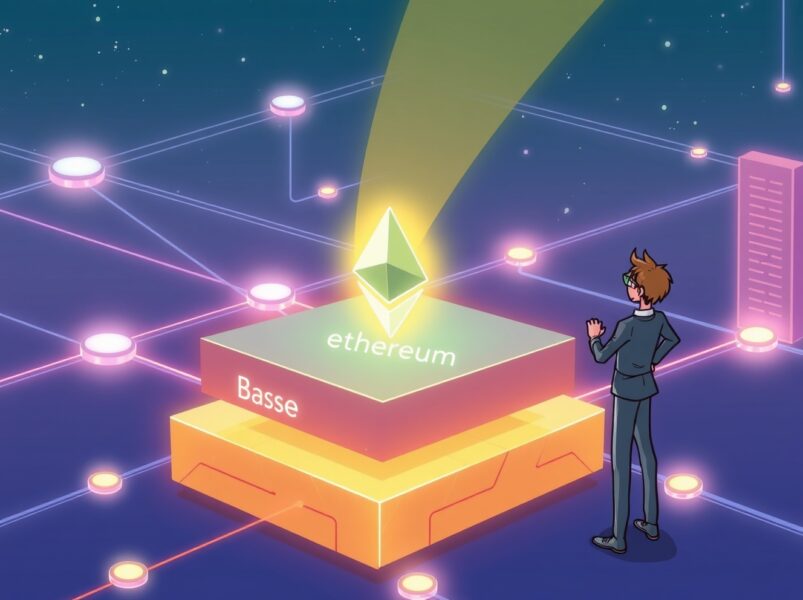
BitcoinWorld Crucial Base Layer 2: Vitalik Buterin Hails Coinbase’s Network as Ethereum-Aligned In the fast-evolving world of cryptocurrency, few voices carry as much weight as Ethereum founder Vitalik Buterin. His recent endorsement of Coinbase’s Base Layer 2 network has sparked considerable interest, signaling a significant vote of confidence. Buterin views Base not just as another scaling solution, but as a Layer 2 built “in the right way,” perfectly aligning with Ethereum’s core philosophy. This perspective offers crucial insights into the future of decentralized applications and how they can achieve mainstream adoption while maintaining foundational security. Why is Base Layer 2 ‘Built the Right Way’? Vitalik Buterin’s praise for Base stems from its unique design philosophy. He highlighted that while Base incorporates centralized features to enhance user experience, its fundamental security architecture remains firmly rooted in Ethereum’s robust, decentralized base layer. This distinction is vital for understanding why Base stands out. Buterin emphasized that Base does not directly hold user funds. This non-custodial approach means that, unlike some centralized platforms, Base cannot unilaterally seize assets or block withdrawals. Such a design choice significantly bolsters trust and security, reassuring users that their digital assets remain under their control, even when interacting with a faster, more user-friendly Layer 2 solution. Balancing User Experience with Decentralized Security One of the persistent challenges in blockchain technology has been the trade-off between scalability, user experience, and decentralization. Many solutions often sacrifice one for the others. However, Buterin sees Base Layer 2 as a compelling example of finding a harmonious balance. Enhanced User Experience: Base leverages certain centralized aspects to deliver a smoother, faster, and more intuitive experience for users and developers. This can include faster transaction finality and lower fees, which are critical for mass adoption. Ethereum’s Security Backbone: Crucially, these centralized elements do not compromise the underlying security. Base’s security guarantees are inherited directly from Ethereum. This means that even if parts of Base were to face issues, the integrity of user funds and transactions is ultimately protected by Ethereum’s battle-tested blockchain. Non-Custodial Design: As Buterin pointed out, the inability of Base to seize funds or block withdrawals is a cornerstone of its “right way” design. This principle is fundamental to the ethos of decentralization, ensuring users retain sovereignty over their assets. Understanding Ethereum’s Layer 2 Philosophy Ethereum’s long-term vision for scalability heavily relies on Layer 2 solutions. These networks process transactions off the main Ethereum chain, bundling them together and then submitting a compressed proof or summary back to the mainnet. This approach dramatically increases transaction throughput and reduces costs without burdening the core blockchain. Buterin’s endorsement of Base Layer 2 reinforces the idea that L2s should complement, not compete with, Ethereum. They extend its capabilities, allowing it to handle a global scale of users and applications. Base’s commitment to relying on Ethereum for security and finality perfectly embodies this collaborative philosophy, making it a valuable addition to the ecosystem. The Crucial Role of Non-Custodial Design Why is the non-custodial nature of Base so significant? In the world of finance, custodianship implies control over assets. For a Layer 2 network, being non-custodial means that even if the L2 operator experiences technical difficulties or malicious intent, they cannot prevent users from accessing their funds on the underlying Ethereum network. This is a critical trust factor for any scaling solution. This design choice for Base Layer 2 provides a strong guarantee of user autonomy. It distinguishes it from centralized exchanges or platforms that do hold user funds, making it a more resilient and censorship-resistant option for decentralized applications and users alike. This commitment to user sovereignty is what makes Base a truly Ethereum-aligned scaling solution. What Does Base Layer 2 Mean for Ethereum’s Future? The success and design principles of Base have significant implications for the broader Ethereum ecosystem. As more users and developers flock to Layer 2 solutions, networks like Base demonstrate that it is possible to achieve high performance and user-friendliness without sacrificing the core tenets of decentralization and security that define Ethereum. This positive validation from Vitalik Buterin encourages other Layer 2 developers to adopt similar best practices. It fosters a healthier, more secure, and ultimately more scalable environment for decentralized finance (DeFi), NFTs, and other Web3 applications. The continued growth of robust Layer 2s like Base is essential for Ethereum to realize its full potential as the world’s leading programmable blockchain. In conclusion, Vitalik Buterin’s praise for Coinbase’s Base Layer 2 is a powerful affirmation of its design and alignment with Ethereum’s foundational principles. By prioritizing security through Ethereum’s base layer and adopting a non-custodial approach, Base offers a compelling model for future scaling solutions. It shows that we can achieve a superior user experience while upholding the core values of decentralization and user sovereignty, paving the way for a more accessible and robust Web3 future. Frequently Asked Questions (FAQs) 1. What is Base Layer 2? Base is an Ethereum Layer 2 network developed by Coinbase. It aims to provide a secure, low-cost, and developer-friendly environment for building decentralized applications, leveraging Ethereum’s security while offering enhanced scalability. 2. Why did Vitalik Buterin praise Base? Vitalik Buterin praised Base because its design aligns with Ethereum’s philosophy. He noted its reliance on Ethereum’s decentralized base layer for security and its non-custodial nature, meaning it cannot seize user funds or block withdrawals, despite offering a stronger user experience through some centralized features. 3. How does Base ensure user fund security? Base ensures user fund security by relying on Ethereum’s decentralized network. While Base handles transactions off-chain for speed, the ultimate security and finality of assets are guaranteed by Ethereum. Furthermore, its non-custodial design means Base itself does not hold user funds, preventing asset seizure. 4. What does ‘non-custodial’ mean for a Layer 2 network? For a Layer 2 network like Base, ‘non-custodial’ means that the network operator does not have direct control over users’ digital assets. Users retain full ownership and control of their funds, and the network cannot prevent them from withdrawing their assets back to the main Ethereum chain. 5. How does Base contribute to Ethereum’s scalability? Base contributes to Ethereum’s scalability by processing transactions off the main Ethereum blockchain, thereby reducing congestion and lowering transaction costs on the mainnet. It bundles these off-chain transactions and periodically settles them on Ethereum, allowing the overall ecosystem to handle a much higher volume of activity. Did you find this article insightful? Share your thoughts and help spread the word about the exciting developments in the Ethereum ecosystem! Share this article on your social media to inform your network. To learn more about the latest Ethereum trends, explore our article on key developments shaping Ethereum price action. This post Crucial Base Layer 2: Vitalik Buterin Hails Coinbase’s Network as Ethereum-Aligned first appeared on BitcoinWorld.

Author: Coinstats
Crypto Market Heats Up: Analysts Tip One Hidden Coin to Outperform Ethereum With 800% Gains

Crypto Market Heats Up: Analysts Tip One Hidden Coin to Outperform Ethereum With 800% Gains

The post Crypto Market Heats Up: Analysts Tip One Hidden Coin to Outperform Ethereum With 800% Gains appeared on BitcoinEthereumNews.com. A crucial phase for the crypto market as institutional money and retail players exhibit strengthening momentum. Ethereum is still dominating discussions, especially with its importance to DeFi and NFTs, but analysts are starting to suggest the most explosive gains in 2025 are likely not from ETH.  One ‘hidden coin’ getting a lot of attention for its security, scarcity and cultural relevance is MAGACOIN FINANCE.  According to top predictions, this altcoin is set for 800% gains in the near future. Ethereum’s Market Context Ethereum has long been regarded as the standard for smart contract platforms. Thousands of decentralized applications run on it, with billions of dollars’ worth of total value locked, and it is the platform of choice for developers building on Web3. The sector’s undisputed leader, but faced with scaling hurdles, regulatory questions, and Layer-2 competition, growth rates are slowing down the ecosystem. As Ethereum is part of almost every crypto portfolio, it is normally not capable of achieving 10x or higher returns, given its market cap size. Investors looking for exponential growth are now focusing on low-cap tokens as they can grow faster from a low base. Here’s where MAGACOIN FINANCE comes into play as a favorite amongst analysts. Analyst Make Case for Fast Rising Altcoin MAGACOIN FINANCE has quickly established itself as a hidden gem by granting the kind of fundamentals the investors now require after years of speculative projects.  Its unique ecosystem and double audited smart contracts means investors can trust that the token is genuine and has long-term viability.  Furthermore MAGACOIN FINANCE is unique in its ownership structure. MAGACOIN FINANCE is not controlled by a VC, unlike other projects that are VC-dominated.  This puts the community at the heart of the development process, leading to a more organic growth path.  According to analysts, the model reflects…

Author: BitcoinEthereumNews
Austin Winch’s Xauras Rockets to $90M TVL in Just Three Weeks, Redefining the Future of DeFi Lending

Austin Winch’s Xauras Rockets to $90M TVL in Just Three Weeks, Redefining the Future of DeFi Lending

The post Austin Winch’s Xauras Rockets to $90M TVL in Just Three Weeks, Redefining the Future of DeFi Lending appeared on BitcoinEthereumNews.com. With governance-first architecture and explosive adoption, Austin Winch positions Xauras as the protocol rewriting the rules of decentralized finance. London, UK – September 2025 – In an industry where most projects take months  or years  to prove themselves, Austin Winch has achieved in weeks what few thought possible. His governance-first DeFi protocol, Xauras, has stormed past $90 million in total value locked (TVL) and welcomed over 12,000 unique wallets since its launch just three weeks ago. The secret behind Xauras’s rapid rise lies in Winch’s vision: a community-owned, governance-driven model that puts decision-making in the hands of token holders. By embedding governance into the DNA of the protocol, Xauras empowers users to shape lending rates, collateral rules, and expansion strategies a sharp break from the centralized control still seen across DeFi. “Xauras isn’t just a protocol it’s proof that DeFi can scale without compromising decentralization,” said Austin Winch, Founder of Xauras. “We’re showing that when governance comes first, adoption follows naturally. The response so far has been incredible.” Built on Ethereum and Arbitrum, Xauras enables non-custodial lending and borrowing with dynamic interest models and automated liquidations. To ensure long-term trust, Winch prioritized independent audits and multi-layered risk safeguards, creating a protocol designed to withstand volatility and exploits. And this is just the beginning. By late 2025, Xauras will expand to Polygon, Optimism, and Solana, while introducing NFT-backed lending, real-world asset integration, cross-chain yield aggregation, and institutional liquidity partnerships. Winch’s ultimate ambition is clear: to make Xauras the cornerstone of a truly decentralized financial ecosystem. With its explosive early growth and a founder determined to rewrite the rules of lending, Austin Winch’s Xauras is no longer just a new player in DeFi it’s the movement leading finance into its next era. Founded in London by Austin Winch, Xauras is a governance-first…

Author: BitcoinEthereumNews
Solana, Wormhole And Pyth Lead The Pack

Solana, Wormhole And Pyth Lead The Pack

The post Solana, Wormhole And Pyth Lead The Pack appeared on BitcoinEthereumNews.com. Santiment’s latest snapshot of GitHub activity has put a fresh spotlight on the projects building inside Solana’s fast-growing ecosystem, and the leaderboard reads like a who’s who of tooling, oracles and on-chain infrastructure. In a short thread, the on-chain analytics firm listed the top ten Solana projects by development activity over the past 30 days, led, perhaps unsurprisingly, by Solana itself and followed by cross-chain and infrastructure names such as Wormhole and Pyth. Santiment’s post, which displays directional indicators showing how each project’s rank moved compared with last month, ranks the top ten as: Solana, Wormhole Foundation, Pyth Network, Drift, Swarms, Helium, Jito, Metaplex, Marinade and Jupiter. Development activity, the metric Santiment tracks by notable GitHub events, is noisy but telling. When teams push code, open pull requests or increase repository commits, it can presage product launches, upgrades or an acceleration of feature work that won’t always show up immediately in price charts. For an ecosystem that sells itself on speed and developer friendliness, a spike in code commits is a useful reminder that heavy engineering is still happening under the surface, even when markets wobble. Santiment’s analysis, published alongside the tweet, emphasizes those on-chain and off-chain code footprints as a complement to social and price metrics. The timing of the ranking comes as SOL, the network’s native token, remains the focal point for traders and institutions alike. Solana’s price has been trading well above triple digits in recent sessions. That price action has been choppy. CoinMarketCap’s live feed showed SOL trading near $220 at the time of writing. Top 10 Projects Driving Solana Development Beyond the chain token, the list gives a useful read on what builders care about. Wormhole, the cross-chain messaging protocol that helps move assets between Solana and other chains, sits high on the leaderboard as…

Author: BitcoinEthereumNews
Save Money with White Label Crypto Development While Keeping Quality

Save Money with White Label Crypto Development While Keeping Quality

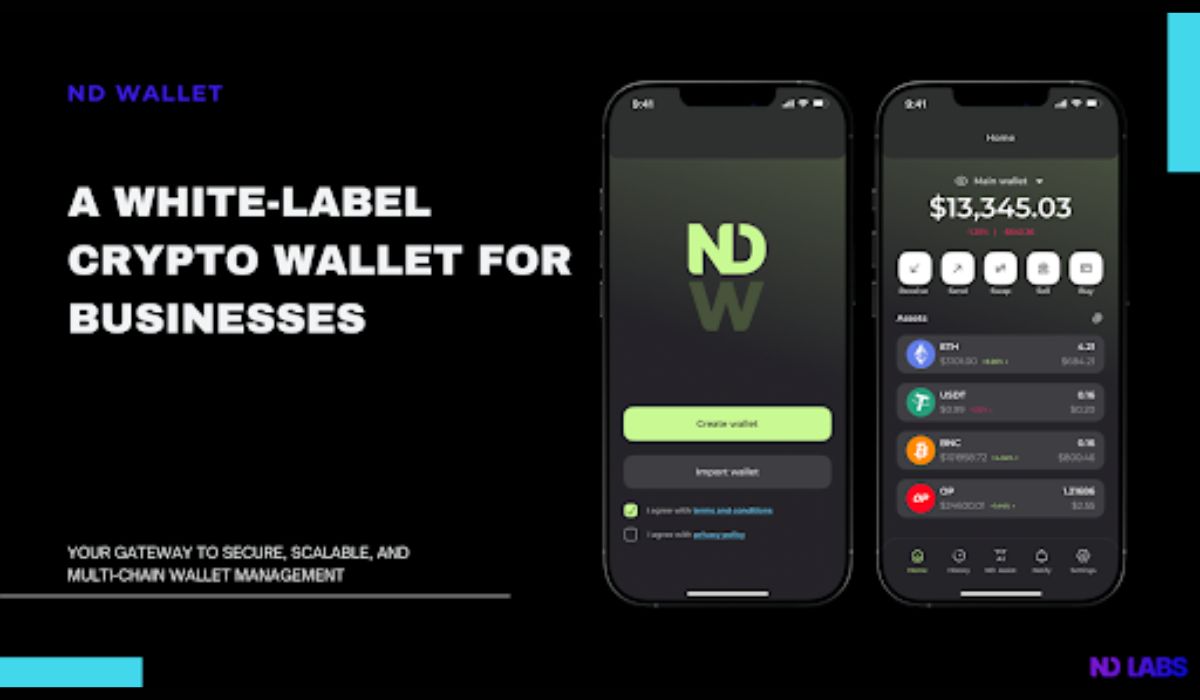
The post Save Money with White Label Crypto Development While Keeping Quality appeared on BitcoinEthereumNews.com. Advertisement &nbsp &nbsp Disclaimer: The below article is sponsored, and the views in it do not represent those of ZyCrypto. Readers should conduct independent research before taking any actions related to the project mentioned in this piece. This article should not be regarded as investment advice. Building a crypto wallet, exchange, or NFT platform no longer takes months. With White Label crypto tools, businesses can now launch in just weeks. These ready-made and proven technologies slash development expenses by up to 70% while offering quick customization to suit your branding. Solutions like White Label Cryptoсurrency Wallet Development allow companies to create secure, multi-chain wallets without building everything from scratch. Today, efficient resource management and fast time-to-market are more important than ever. For this reason, many startups and companies rely on ready-made solutions as their preferred approach. Speed Drives the New Competitive Game Speed-to-market has become a decisive factor for Web3 startups and enterprises alike. In a competitive space where users adopt (and abandon) new tools quickly, launching faster means gathering feedback earlier, iterating faster, and gaining traction before rivals do. Ready-made solutions offer exactly that: an infrastructure that eliminates the need for building from scratch, letting teams focus on core business and user growth instead of backend logic. Advertisement &nbsp Save Money While Keeping Quality For many companies, the appeal of White Label lies not only in its speed but also in its ability to reduce development costs by more than half. By using pre-built modules that have already been tested and optimized, teams can reallocate resources from engineering to growth, marketing, or user experience. At the same time, White Label does not mean generic. These platforms typically allow extensive customization, from visual design and features to blockchain integrations and user flows. Your Brand, Your Choices Modern pre-built…

Author: BitcoinEthereumNews
UAE Joins Global Crypto Tax Sharing Agreement

UAE Joins Global Crypto Tax Sharing Agreement

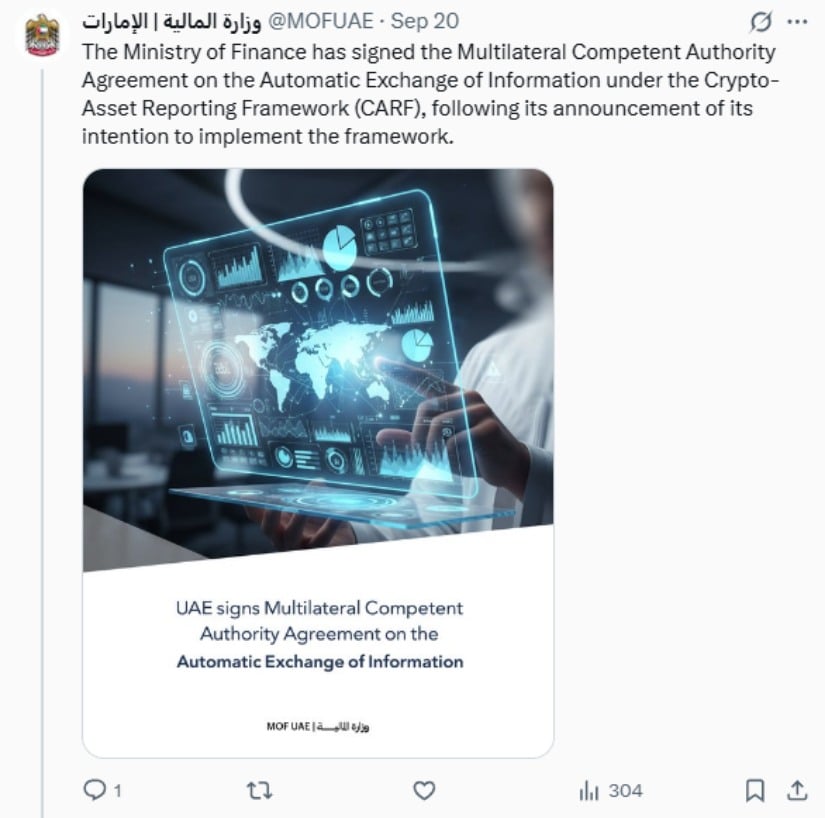
The United Arab Emirates announced on Saturday that it signed an agreement to join over 50 other nations in a plan to share tax information about digital assets automatically.

Author: Brave Newcoin
South Korean Blockchain Project Faces Unexpected Halt by State Mint

South Korean Blockchain Project Faces Unexpected Halt by State Mint

BitcoinWorld South Korean Blockchain Project Faces Unexpected Halt by State Mint The world of blockchain technology is constantly evolving, bringing both exciting innovations and unexpected challenges. A recent development from South Korea has caught the attention of many: the abrupt discontinuation of a significant South Korean blockchain project by the nation’s state mint, KOMSCO. For two years, the Korea Minting and Security Printing Corporation (KOMSCO) had been diligently working on an ambitious blockchain-based integrated digital wallet. This project aimed to bring together central bank digital currencies (CBDCs), digital IDs, and non-fungible tokens (NFTs) into a single, cohesive platform. However, as reported by Yonhap News, this innovative endeavor has now been halted. What Led to the Halt of the South Korean Blockchain Project? The primary reason cited for the project’s termination was a crucial lack of commercial viability. While the technological vision was certainly grand, translating that vision into a practical, profitable, and widely adopted service proved to be a significant hurdle. Developing cutting-edge technology is one thing; ensuring it can sustain itself in the real world is another. This challenge is not unique to the South Korean blockchain project. Many innovative ventures in the blockchain space face similar obstacles. Factors such as: Market Readiness: Is the general public or target user base truly ready for such advanced digital solutions? Regulatory Landscape: The evolving and often uncertain regulatory environment for digital assets can pose substantial risks. Integration Complexities: Merging disparate technologies like CBDCs, digital IDs, and NFTs creates immense technical and logistical challenges. High Development Costs: Blockchain projects, especially those involving state-level infrastructure, often incur significant expenses without immediate returns. These elements collectively contribute to the viability assessment, and in KOMSCO’s case, the scales tipped towards discontinuation. Are Digital Wallets and CBDCs Still the Future Despite This South Korean Blockchain Project Setback? Absolutely. The discontinuation of one South Korean blockchain project does not negate the immense potential of digital wallets, CBDCs, and NFTs. These technologies are still widely considered to be foundational for the future of finance and digital identity. Many countries globally are actively exploring or piloting their own CBDCs, recognizing their potential to modernize payment systems and enhance financial inclusion. Digital IDs offer streamlined verification processes and enhanced security, while NFTs are revolutionizing ownership in the digital realm. The challenges faced by KOMSCO’s project highlight the complexities involved, but they also serve as valuable learning experiences for others in the space. It emphasizes that while innovation is key, practical implementation and a clear path to commercial success are equally vital. Consider the broader landscape: Numerous private companies are developing successful digital wallet solutions. Central banks from Europe to Asia are testing CBDCs with promising results. The NFT market continues to evolve, finding new applications beyond digital art. The underlying technologies remain robust, but the application and execution demand meticulous planning. Lessons Learned from the South Korean Blockchain Project Discontinuation The experience of KOMSCO offers several crucial takeaways for both developers and policymakers in the blockchain sector. It underscores the importance of a phased approach and rigorous market research before committing to large-scale, integrated projects. A clear understanding of user needs and a robust business model are paramount. Moreover, it highlights the need for adaptability. The blockchain space is dynamic, and projects must be agile enough to pivot or adjust strategies based on emerging data and market feedback. This South Korean blockchain project, while unsuccessful in its initial form, provides valuable insights that can inform future digital initiatives, not just in Korea but worldwide. Key lessons include: Prioritize Commercial Viability: Technology must serve a practical, sustainable purpose. Phased Implementation: Start small, test, and scale gradually. User-Centric Design: Ensure the solution genuinely meets user needs and offers clear benefits. Regulatory Foresight: Anticipate and adapt to potential regulatory changes. In conclusion, the halting of KOMSCO’s ambitious South Korean blockchain project serves as a potent reminder of the inherent complexities in integrating cutting-edge technology into public infrastructure. While the vision of an integrated digital wallet was forward-thinking, the reality of commercial viability proved insurmountable in this instance. This event, however, is not a death knell for blockchain innovation. Instead, it offers invaluable lessons for future endeavors, emphasizing the critical balance between technological ambition and practical, sustainable implementation in the rapidly evolving digital landscape. Frequently Asked Questions (FAQs) Q1: What was the primary reason for KOMSCO discontinuing its blockchain project? A1: The Korea Minting and Security Printing Corporation (KOMSCO) halted its blockchain-based integrated digital wallet project primarily due to a lack of commercial viability. Despite its innovative goals, the project struggled to establish a sustainable business model. Q2: What technologies did KOMSCO’s digital wallet project aim to integrate? A2: The ambitious project sought to integrate central bank digital currencies (CBDCs), digital IDs, and non-fungible tokens (NFTs) into a single, comprehensive digital wallet platform. Q3: Does this discontinuation mean blockchain-based digital wallets are not viable? A3: Not at all. The halt of this specific South Korean blockchain project highlights the complexities of large-scale integration and commercialization, but it does not diminish the overall potential of blockchain, CBDCs, digital IDs, and NFTs. Many other projects globally are progressing successfully. Q4: What key lessons can be learned from KOMSCO’s experience? A4: Key lessons include the critical importance of prioritizing commercial viability, adopting a phased approach to implementation, conducting thorough market research, focusing on user-centric design, and being adaptable to regulatory changes in the dynamic blockchain space. Q5: What is KOMSCO? A5: KOMSCO stands for Korea Minting and Security Printing Corporation. It is South Korea’s state-owned corporation responsible for manufacturing currency, government documents, and other security-related products. Did you find this analysis of South Korea’s blockchain journey insightful? Share your thoughts and this article with your network on social media to keep the conversation going about the future of digital currencies and blockchain technology! To learn more about the latest blockchain technology trends, explore our article on key developments shaping digital currencies institutional adoption. This post South Korean Blockchain Project Faces Unexpected Halt by State Mint first appeared on BitcoinWorld.

Author: Coinstats
Will stablecoins break the token flywheel?

Will stablecoins break the token flywheel?

The post Will stablecoins break the token flywheel? appeared on BitcoinEthereumNews.com. This is a segment from the Empire newsletter. To read full editions, subscribe. Crypto has grown into a Kafkaesque maze of meta-bets: Bitcoin is the reserve asset of the internet, and if it can do that, then Ethereum must be the World Computer.  But if Ethereum can’t scale to be the World Computer all by itself, then perhaps Solana, Avalanche or some other layer-1 will be the global settlement layer for computation instead. That settlement layer will need apps. Lots of them. Great for the fat app thesis — the investment logic that suggests “most of the value to be found in crypto today is to be found in apps.”  And if those fat apps have tokens, then hoo boy! — Imagine the value accrual. Especially for those apps that thrive in crypto’s hyperactive attention economy. What if the apps are so successful that they overload their settlement layers, thereby proving that those blockchains can’t scale, either? Or maybe their devs, validators or other ecosystem participants are not aligned with the apps themselves. What then? Fun with flywheels Odds are you’ll then love the appchain thesis. It has everything good about the fat app thesis, with the added benefit of a very special property: ongoing utility for network participants. Tokens can be dished out as rewards (read: payment) to the people and companies keeping the network online.  And those people need to stake their tokens (and not sell them) to receive more of those rewards — reducing downward pressure on the token’s price and maybe attracting new users (and holders) along the way. The token is an integral part of that flywheel. Something that Empire host Santiago Roel Santos said on today’s podcast got me thinking about all of this. The topic of Polymarket’s trajectory had come up, and Santi…

Author: BitcoinEthereumNews
The Future of Gaming: Powering Next-Generation On-Chain Experiences

The Future of Gaming: Powering Next-Generation On-Chain Experiences

The post The Future of Gaming: Powering Next-Generation On-Chain Experiences appeared on BitcoinEthereumNews.com. contributor Posted: September 22, 2025 Web3 gaming in September 2025 is moving beyond simple NFT collectibles and towards creating deeply immersive and dynamic on-chain experiences. This evolution requires robust infrastructure that can handle complex game logic, demanding graphics, and persistent player data. Oraichain, Pinlink, and RSS3 are becoming essential building blocks for game developers aiming to push the boundaries of decentralized entertainment. Oraichain allows for the creation of “intelligent” and provably fair game mechanics. Developers can use its verifiable AI for procedural content generation (PCG), creating infinite, unique game worlds on the fly. It can also power sophisticated AI opponents whose behavior is governed by transparent on-chain logic, or run complex skill-based reward calculations in a way that players can trust, eliminating fears of centralized manipulation in competitive gaming. Pinlink provides a solution to the high cost of game asset rendering and streaming, essentially a decentralized “cloud gaming” backbone. High-quality games require powerful GPUs, and Pinlink’s DePIN network allows developers to offload rendering tasks to a global network of providers. This can be used to power graphically rich in-game experiences for players on lower-end devices or to support the development of complex 3D assets for game worlds, making high-fidelity gaming more accessible. RSS3 serves as the universal player profile and social layer for Web3 gaming. It can index a player’s assets, achievements, and gameplay history across multiple games and blockchains. This creates a persistent, user-owned gaming identity that isn’t locked to a single platform. Developers can tap into this data to offer personalized experiences or create inter-game quests, while players can showcase their complete gaming legacy, creating a more unified and portable Web3 gaming ecosystem. Disclaimer: This is a paid post and should not be treated as news/advice.   Next: As Bitcoin’s sell pressure grows, are investors seeking safety in altcoins?…

Author: BitcoinEthereumNews