Ankr says its RPC platform now processes over 1 trillion requests per month across 80+ chains, powering wallets, dApps, MEV systems and other Web3 services.Ankr says its RPC platform now processes over 1 trillion requests per month across 80+ chains, powering wallets, dApps, MEV systems and other Web3 services.

Ankr’s RPC Network Surpasses 1 Trillion Monthly Requests Across 80+ Chains

2025/09/25 03:00
Okuma süresi: 3 dk
blockchain-integration-web3

Ankr, a major Web3 infrastructure provider, announced this week that its RPC platform now processes more than 1 trillion requests per month, a milestone that underlines just how much of blockchain activity runs through centralized infrastructure even as apps try to decentralize. The company framed the milestone not as a marketing puff, but as a snapshot of everyday traffic: everything from balance checks to rollup calls and MEV bot pulls.

Remote Procedure Calls (RPCs) are the read/write plumbing of blockchains, the API layer between wallets, dApps and the node fleets that actually hold state. According to Ankr, the largest slices of that trillion-request pie come from wallets and frontends, indexers and analytics services, bots and MEV systems, rollups/L2s and bridges (which generate lots of cross-chain calls), and a long tail of smaller dApps across more than 80 networks.

Those everyday calls include frequent read methods, like eth_call, eth_getBalance and eth_getBlockByNumber, with heavier range and log queries (eth_getLogs), tracing/debug calls, websocket subscriptions for new heads and pending transactions, and a smaller but mission-critical volume of writes such as eth_sendRawTransaction.

What Does it Mean?

Reaching a trillion monthly requests forces trade-offs: reliability, latency and cost all matter when apps depend on on-chain data. Ankr says it addresses those pressures with a mix of network and software engineering: global anycast and regional routing to cut latency, blockchain-aware load balancing, specialized fleets (separating hot reads from archive and trace/debug/ write paths), rate shaping and method-weighted failover logic, plus bespoke infrastructure for enterprise customers with very high throughput. The result, the company argues, is an RPC layer that can handle both the routine, a wallet checking an account balance, and the bursty, a rollup or MEV system hammering endpoints.

For developers, Ankr’s message is practical: you’ll see the best performance if you design your apps to be polite to RPCs. That means using caching, batching calls, pinning traffic to regions, respecting method weights, and monitoring usage by chain and method. In short, optimize how you ask for data as much as where you get it.

Why does this matter? RPCs are the invisible choke points that can make or break user experience. No balance reads, no swaps; no reliable subscriptions, no real-time UX. As more users and services flock to L2s, bridges and multi-chain wallets, the volume and complexity of RPC traffic grow, and with it the need for scalable, resilient infrastructure. Ankr’s trillion-request claim is therefore less a trophy and more a metric of how much of Web3 currently depends on a handful of infrastructure providers.

Ankr’s full thread and breakdown of traffic types is available on their official post. Developers building on Web3 would do well to treat RPCs as a core part of architecture planning, not an afterthought, because behind every smooth balance check or instant swap are thousands of tiny API calls that have to land and return in milliseconds.

Piyasa Fırsatı
AnkrNetwork Logosu
AnkrNetwork Fiyatı(ANKR)
$0.00449
$0.00449$0.00449
+3.83%
USD
AnkrNetwork (ANKR) Canlı Fiyat Grafiği
Sorumluluk Reddi: Bu sitede yeniden yayınlanan makaleler, halka açık platformlardan alınmıştır ve yalnızca bilgilendirme amaçlıdır. MEXC'nin görüşlerini yansıtmayabilir. Tüm hakları telif sahiplerine aittir. Herhangi bir içeriğin üçüncü taraf haklarını ihlal ettiğini düşünüyorsanız, kaldırılması için lütfen [email protected] ile iletişime geçin. MEXC, içeriğin doğruluğu, eksiksizliği veya güncelliği konusunda hiçbir garanti vermez ve sağlanan bilgilere dayalı olarak alınan herhangi bir eylemden sorumlu değildir. İçerik, finansal, yasal veya diğer profesyonel tavsiye niteliğinde değildir ve MEXC tarafından bir tavsiye veya onay olarak değerlendirilmemelidir.

Ayrıca Şunları da Beğenebilirsiniz

Thunderclap Review 2026: Is it the Best Social Media Service for Instant Gains?

Thunderclap Review 2026: Is it the Best Social Media Service for Instant Gains?

TLDR: Is Thunderclap legit? Yes, Thunderclap is a legitimate social media growth service designed to help users increase their followers, engagement, and overall
Paylaş
AI Journal2026/02/20 21:10
The GENIUS Act Is Already Law. Banks Shouldn’t Try to Rewrite It Now
The GENIUS Act Is Already Law. Banks Shouldn’t Try to Rewrite It Now

The post The GENIUS Act Is Already Law. Banks Shouldn’t Try to Rewrite It Now appeared on BitcoinEthereumNews.com. Healthy competition drives innovation and better products for consumers; it is at the center of American economic leadership. Unfortunately, now that the bipartisan GENIUS Act has been signed into law, major legacy financial institutions seem to be having second thoughts about the innovations that stablecoins can bring to financial markets. Bank lobbying groups and public affairs teams have been peppering Congress with complaints about the law, urging members to reopen debate and introduce changes to the legislation that will ensure the stablecoin market doesn’t grow too quickly, protecting banks’ profits and stifling consumer choice. This reactionary response is both overblown and unnecessary. What legacy financial firms should do instead is embrace competition and offer exciting new products and services that consumers want, not try to kneecap emerging players through anti-innovation rules and regulations. The GENIUS Act was carefully designed with a thorough bipartisan process to strengthen consumer safeguards, ensure regulatory oversight, and preserve financial stability. Efforts to roll back its provisions are less about protecting families and more about protecting entrenched banking interests from the competition that helps ensure the U.S. banking system stays the strongest and most innovative in the world. Critics warn that allowing stablecoins to provide rewards could lead to massive deposit outflows from community banks, with figures as high as $6.6 trillion cited. But closer examination shows this fear is unfounded. A July 2025 analysis by consulting firm Charles River Associates found no statistically significant relationship between stablecoin adoption and community bank deposit outflows. In fact, the overwhelming majority of stablecoin reserves remain in the traditional financial system — either in commercial bank accounts or in short-term Treasuries — where they continue to support liquidity and credit in the broader U.S. economy. The dire estimates rely on unrealistic assumptions that every dollar of stablecoin issuance permanently…
Paylaş
BitcoinEthereumNews2025/09/18 09:39
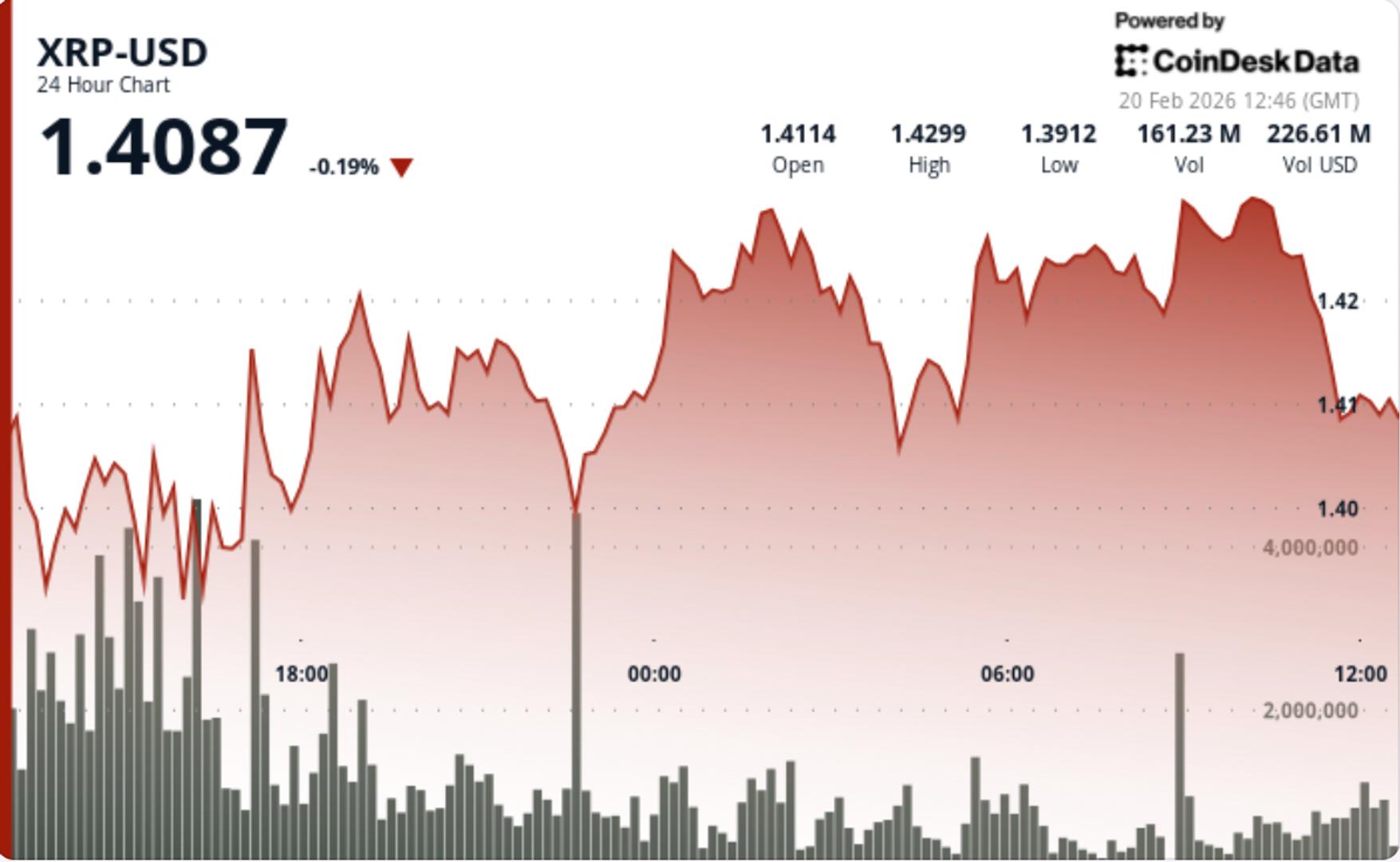
What next for XRP as volatility sinks to 2024 lows

What next for XRP as volatility sinks to 2024 lows

Markets Share Share this article
Copy linkX (Twitter)LinkedInFacebookEmail
What next for XRP as volatility sinks to 202
Paylaş
Coindesk2026/02/20 21:08