TLDR MegaETH plans to use USDM revenue to buy back MEGA tokens. USDM is backed by Ethena and BlackRock’s BUIDL fund. The project will trigger MEGA token generationTLDR MegaETH plans to use USDM revenue to buy back MEGA tokens. USDM is backed by Ethena and BlackRock’s BUIDL fund. The project will trigger MEGA token generation

MegaETH Foundation to Use USDM Revenue for MEGA Token Buybacks

2026/02/07 18:05
Okuma süresi: 3 dk

TLDR

  • MegaETH plans to use USDM revenue to buy back MEGA tokens.
  • USDM is backed by Ethena and BlackRock’s BUIDL fund.
  • The project will trigger MEGA token generation based on KPIs.
  • Proximity markets will reduce latency and create MEGA demand.

The MegaETH Foundation has announced plans to use the revenue generated by its native stablecoin, USDM, to fund the buyback of MEGA tokens. This initiative is designed to support the token’s value by purchasing MEGA regularly as the USDM stablecoin ecosystem grows. 

As applications using USDM expand, the revenue generated will help increase the supply of MEGA tokens through buybacks. This strategy is part of the larger economic model of the MegaETH ecosystem.

The MegaETH Foundation emphasized the importance of USDM as the “lifeblood” of its ecosystem, explaining that as the stablecoin grows, the funding for MEGA token buybacks will also increase. USDM is used in all major applications within the MegaETH ecosystem, making it central to the project’s long-term development.

USDM and Its Partnership with Ethena and BlackRock

USDM was developed through a collaboration between MegaLabs and Ethena. This stablecoin is unique in that it earns yield on its reserves, which are backed by USDtb, an Ethena-issued stablecoin. USDtb itself is supported by the BUIDL fund, managed by BlackRock. This structure allows USDM to provide steady revenue streams, which the MegaETH Foundation can use to purchase MEGA tokens.

The integration of BlackRock’s BUIDL fund adds a layer of credibility and stability to the project, as it leverages established financial structures to back the stablecoin. The MegaETH Foundation has stated that the value generated through this partnership will directly support the tokenomics of the MEGA token and fuel its buyback strategy.

Key Performance Indicators for MEGA Token Release

The MegaETH Foundation has outlined several performance metrics that will trigger the release of MEGA tokens into circulation. These Key Performance Indicators (KPIs) are tied to measurable objectives, ensuring that MEGA tokens are only generated based on the project’s growth.

The KPIs include reaching $500 million in USDM circulation over a 30-day period, launching 10 apps on the MegaETH platform, and having at least three apps generate $50,000 in fees for 30 consecutive days.

The Foundation has made it clear that once any of these KPIs are met, MEGA token generation events will occur seven days later. This approach ensures that the MEGA token release is directly tied to the platform’s performance, fostering a more stable and sustainable launch. The KPIs are designed to encourage both user and app growth within the MegaETH ecosystem.

Proximity Markets to Drive MEGA Token Demand

Following the launch of its mainnet, MegaETH will introduce a new feature called “proximity markets.” This system will allow market makers, high-frequency traders, and applications to bid for “sequencer-adjacent” positions within the network. The proximity markets are expected to reduce latency, improve transaction execution, and lower fees for users and developers.

These markets will also create additional demand for MEGA tokens as they will require the use of MEGA for bidding and securing positions. This economic experiment is intended to increase both the utility and demand for MEGA, further integrating it into the MegaETH ecosystem. The Foundation’s plan is to launch this feature in beta after the mainnet release, adding another layer of complexity to the project’s tokenomics.

The post MegaETH Foundation to Use USDM Revenue for MEGA Token Buybacks appeared first on CoinCentral.

Piyasa Fırsatı
USD Mapped Token Logosu
USD Mapped Token Fiyatı(USDM)
$0.9861
$0.9861$0.9861
-0.40%
USD
USD Mapped Token (USDM) Canlı Fiyat Grafiği
Sorumluluk Reddi: Bu sitede yeniden yayınlanan makaleler, halka açık platformlardan alınmıştır ve yalnızca bilgilendirme amaçlıdır. MEXC'nin görüşlerini yansıtmayabilir. Tüm hakları telif sahiplerine aittir. Herhangi bir içeriğin üçüncü taraf haklarını ihlal ettiğini düşünüyorsanız, kaldırılması için lütfen [email protected] ile iletişime geçin. MEXC, içeriğin doğruluğu, eksiksizliği veya güncelliği konusunda hiçbir garanti vermez ve sağlanan bilgilere dayalı olarak alınan herhangi bir eylemden sorumlu değildir. İçerik, finansal, yasal veya diğer profesyonel tavsiye niteliğinde değildir ve MEXC tarafından bir tavsiye veya onay olarak değerlendirilmemelidir.

Ayrıca Şunları da Beğenebilirsiniz

Bitcoin Hyper Not Far from $20M, Whales Keep Buying: See What This $BTC Layer-2 Plans
Bitcoin Hyper Not Far from $20M, Whales Keep Buying: See What This $BTC Layer-2 Plans

To the uninitiated, Bitcoin and crypto are synonymous – and it’s only fair, given that the granddaddy of all crypto has been the face of the industry ever since it burst onto the scene a few years back. Since 2020, Bitcoin has generated over 1,500% in returns. Basically, crypto is so much about Bitcoin. All […]
Paylaş
Bitcoinist2025/09/22 16:37
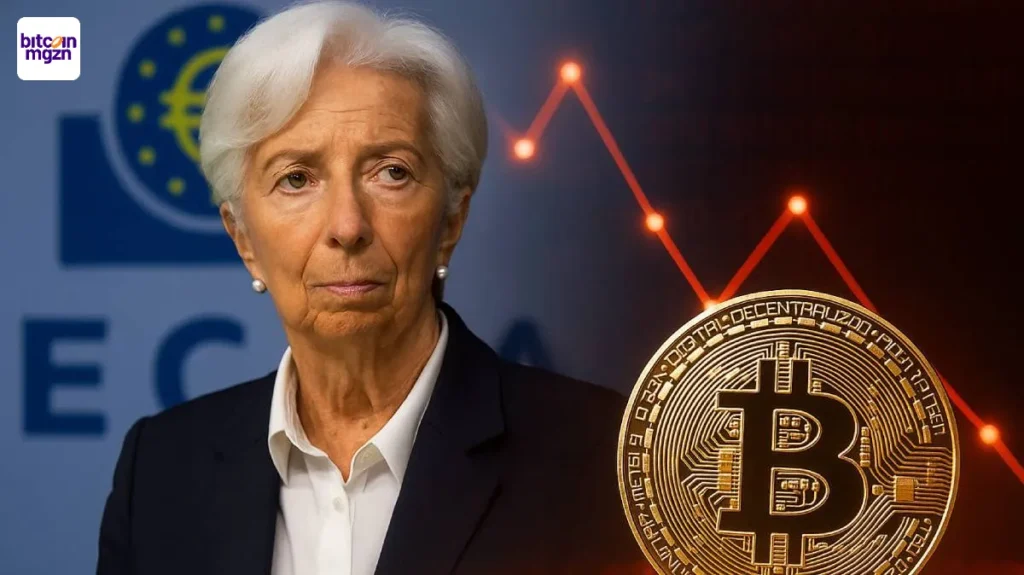
ECB-president hernieuwt aanval op Bitcoin terwijl euro daalt

ECB-president hernieuwt aanval op Bitcoin terwijl euro daalt

Snelle crypto updates? Connect op Instagram! Check onze Instagram   ECB-president Christine Lagarde noemt Bitcoin waardeloos en waarschuwt voor zijn speculatieve aard. Haar uitspraken komen op een moment dat DeFi groeit en de euro onder druk staat, wat de discussie over geld en controle opnieuw tot leven brengt. ECB houdt vast aan kritiek op Bitcoin en DeFi De Europese Centrale Bank (ECB) blijft vasthouden aan haar scherpe toon over Bitcoin. Volgens president Christine Lagarde ontbreekt de munt het fundament dat echt geld kenmerkt. Ze noemt het een speculatief middel zonder onderliggende waarde, en benadrukt dat de ECB het publieke vertrouwen in geld moet beschermen. Terwijl de digitale economie zich steeds meer richting decentralisatie beweegt, probeert de bank haar rol als stabiele pijler te behouden. ECB (European Central Bank) De European Central Bank (ECB) is de centrale bank van de eurozone en bepaalt samen met de nationale banken het monetaire beleid voor de euro. Ze houdt de inflatie in de gaten, bepaalt de rente en zorgt voor stabiliteit van het financiële systeem. In de cryptowereld speelt de ECB vooral een rol met het onderzoek en de voorbereidingen voor een digitale euro, een eigen centrale bank digitale munt (CBDC). Daarmee wil de bank inspelen op de groei van digitaal geld en alternatieven zoals stablecoins. Voor de crypto-industrie is dit belangrijk omdat een digitale euro de concurrentie en het speelveld voor private stablecoins kan veranderen. De waarschuwing van Lagarde past in een bredere strategie van de ECB. De opkomst van decentrale financiële systemen (DeFi) wordt gezien als een uitdaging voor de invloed van centrale banken. In die waarschuwing lijkt ook iets van zelfbescherming door te klinken: het behoud van macht over monetair beleid. Voorstanders van Bitcoin wijzen juist op de kracht van schaarste, transparantie en onafhankelijkheid; eigenschappen die fiatgeld in hun ogen steeds meer verliest. “How many bitcoin do you own?” That’s how it starts, a stupid question from the host. From there, it goes downhill fast. Christine Lagarde repeats every tired anti-bitcoin cliché the ECB has ever pushed. Let’s go… 1️⃣ “Bitcoin has no intrinsic value.” Neither does fiat.… pic.twitter.com/uMqtEHvkD0 — Eli Nagar (@EliNagarBrr) October 7, 2025 De euro verzwakt terwijl crypto aan invloed wint Ondertussen verliest de euro langzaam maar zeker aan koopkracht. Sinds de invoering in 2002 is de munt ruim veertig procent van haar reële waarde kwijtgeraakt. Dat voedt de twijfel over de houdbaarheid van het huidige fiatstelsel en vergroot de interesse in alternatieven zoals Bitcoin en andere cryptovaluta. Binnen de Europese cryptogemeenschap worden de woorden van de ECB dan ook met de nodige scepsis onthaald. Been 22 years, physical $Euro coins and banknotes entered circulation on January 1st 2002. Since then, this fiasco lost 40% of its buying power according to “official” stats. Won’t even mention real stats, or you’d be dumping ALL your Eurobolivars for #Bitcoin right now. pic.twitter.com/Rp3KinVfPm — Vandelay ₿TC Industries ⚡ (@VandelayBTC) January 3, 2024 DeFi-platforms en stablecoins winnen terrein in Europa, juist omdat ze nieuwe mogelijkheden bieden voor rendement en autonomie. Waar Lagarde waarschuwt voor volatiliteit, zien veel gebruikers vooral vrijheid in een systeem dat zich niets aantrekt van centrale banken. De groei van DeFi laat zien dat vertrouwen niet alleen via instituties ontstaat, maar ook via technologie. Monetaire controle en vertrouwen in het digitale tijdperk De standpunten van de ECB leggen een oud spanningsveld bloot: de strijd tussen stabiliteit en vrijheid. Aan de ene kant verdedigt de bank haar rol als bewaker van orde, aan de andere kant tonen cryptomarkten dat vertrouwen ook buiten traditionele kanalen kan bestaan. Terwijl de ECB pleit voor zekerheid en voorspelbaarheid, zoeken investeerders steeds vaker transparantie en zelfbeschikking. Lagarde’s uitspraken passen in een wereldwijde trend waarin centrale banken proberen hun gezag te behouden in een economie die snel verandert. Toch klinkt steeds luider de vraag of die vorm van controle nog houdbaar is. Nieuwe technologieën maken directe waardeoverdracht mogelijk,zonder tussenkomst van banken. Dat idee wringt natuurlijk met de kern van het bestaande financiële systeem. Exactly. It was narrative management. They feel threatened. That’s why real questions about monetary policy, inflation, and accountability never make it to the script. — Eli Nagar (@EliNagarBrr) October 8, 2025 De toekomst van waarde: centraal of gedecentraliseerd? De discussie tussen de ECB en de cryptowereld draait om meer dan geld. Het gaat om vertrouwen, transparantie en macht over waarde. Zolang de euro verder verzwakt en decentrale technologieën blijven groeien, lijkt de kloof tussen centrale banken en de cryptosector alleen maar groter te worden. Hoeveel invloed de ECB kan behouden, hangt af van haar vermogen zich aan te passen aan dit nieuwe tijdperk. De strijd om waarde is niet enkel economisch, maar ook ideologisch. In dat licht voelt de opkomst van Bitcoin minder als een bedreiging, en meer als een logisch gevolg van de zoektocht naar onafhankelijkheid in geld. Koop je Bitcoin via Best Wallet Best wallet is een topklasse crypto wallet waarmee je anoniem crypto kan kopen. Met meer dan 60 chains gesupport kan je al je main crypto coins aanschaffen via Best Wallet. Best wallet - betrouwbare en anonieme wallet Best wallet - betrouwbare en anonieme wallet Meer dan 60 chains beschikbaar voor alle crypto Vroege toegang tot nieuwe projecten Hoge staking belongingen Lage transactiekosten Best wallet review Koop nu via Best Wallet Let op: cryptocurrency is een zeer volatiele en ongereguleerde investering. Doe je eigen onderzoek. Het bericht ECB-president hernieuwt aanval op Bitcoin terwijl euro daalt is geschreven door Sebastiaan Krijnen en verscheen als eerst op Bitcoinmagazine.nl.
Paylaş
Coinstats2025/10/11 03:16
What SBI Really Owns in Ripple May Surprise XRP Investors

What SBI Really Owns in Ripple May Surprise XRP Investors

The post What SBI Really Owns in Ripple May Surprise XRP Investors appeared on BitcoinEthereumNews.com. SBI Holdings Chairman Yoshitaka Kitao has confirmed that
Paylaş
BitcoinEthereumNews2026/02/16 16:14