BitcoinWorld Bitcoin Selling Pressure: Crucial Analysis Reveals Short-Term Holder Impact The world of cryptocurrency is constantly evolving, presenting both exciting opportunities and significant challenges. Currently, a key dynamic is influencing the market: substantial Bitcoin selling pressure. Understanding this pressure, especially from short-term holders, is absolutely crucial for anyone involved in the crypto space. On-chain analytics firm Glassnode has recently provided insightful data that sheds light on why BTC might be struggling to gain significant upward momentum at its current levels. What’s Driving the Intense Bitcoin Selling Pressure? According to Glassnode’s comprehensive analysis, Bitcoin (BTC) is currently trading within a very specific and challenging price corridor. This range, spanning approximately $113,600 to $115,600, isn’t just arbitrary; it represents the average purchase price for a significant cohort of short-term holders. These are individuals who acquired their Bitcoin relatively recently, typically within the last one to three months. For these newer investors, the current market price means their investments are effectively “underwater” – they are holding Bitcoin at a loss compared to their initial cost basis. This situation creates a powerful, almost gravitational, market dynamic: Break-Even Motivation: As BTC’s price attempts to rebound and approaches this critical range, many short-term holders are motivated to sell. Their primary goal is often to “break even” on their investment or to cut their losses before they deepen. Supply Overhang: This collective desire to exit or reduce exposure at cost creates a substantial “supply overhang.” Essentially, there are many sellers waiting at these specific price points. Resistance Formation: Consequently, this range acts as a formidable resistance level. Any upward price movement is met with a wave of sell orders, making it incredibly difficult for Bitcoin to push through and establish higher highs in the short term. This persistent Bitcoin selling pressure from short-term holders is a significant factor limiting immediate upside potential. Why Do Short-Term Holders Influence BTC So Much? The actions of short-term holders carry considerable weight in the market, especially during periods of price consolidation. Unlike long-term holders, who possess a stronger conviction and often ride out market volatility, short-term holders are generally more reactive. Their investment strategies are often focused on quicker gains or minimizing short-term losses. When a large segment of this group finds their positions in the red, their collective sentiment can quickly shift from optimism to a desire for capital preservation. This isn’t necessarily a sign of weakness in Bitcoin itself, but rather a natural market cleansing process. It highlights the importance of understanding market psychology and the different investor cohorts at play. The current Bitcoin selling pressure illustrates how crucial it is to monitor these on-chain metrics. Navigating This Challenging Market: What Can Investors Do? For both seasoned and new investors, understanding the implications of this analysis is key to making informed decisions. The current environment, marked by significant Bitcoin selling pressure, calls for a strategic approach. Consider these actionable insights: Exercise Patience: Expect potential volatility and constrained upward movement in the short term. Significant rallies may require sustained buying volume to absorb the existing supply. Leverage On-Chain Analytics: Tools from firms like Glassnode offer unparalleled visibility into market internals. Monitoring metrics related to holder behavior, cost basis, and supply distribution can provide a clearer picture than price charts alone. Re-evaluate Risk Tolerance: If you are a short-term trader, be particularly mindful of these resistance levels. Long-term investors might view such periods as opportunities for strategic accumulation, but always within your defined risk parameters. Identify Potential Catalysts: While internal market dynamics are at play, external factors could shift the narrative. Keep an eye on major macroeconomic news, regulatory developments, or significant institutional announcements that could provide the necessary impetus for a breakout. This phase is a test of market resilience. It underscores the importance of a well-thought-out investment strategy rather than impulsive reactions. Conclusion: The Path Forward for Bitcoin Amidst Pressure The analysis revealing substantial Bitcoin selling pressure from short-term holders around the $113,600 to $115,600 range provides a critical lens through which to view the current market. This dynamic, while limiting immediate upside, is a natural part of market cycles. It forces a period of consolidation and the absorption of overhead supply. Investors who stay informed, exercise patience, and employ robust risk management strategies will be better positioned to navigate these challenging waters and capitalize on Bitcoin’s long-term potential. Understanding these fundamental forces is paramount for a clearer perspective on Bitcoin’s journey ahead. Frequently Asked Questions (FAQs) 1. What is “short-term holder cost basis”? It refers to the average price at which short-term Bitcoin holders (those who bought BTC 1-3 months ago) initially purchased their assets. If the current price is below this, they are at a loss. 2. Why do short-term holders sell at a loss? Often, short-term holders sell when the price approaches their cost basis to “break even” or minimize further losses, especially if they believe the price might drop further. This creates selling pressure. 3. How does this Bitcoin selling pressure affect BTC’s price? This pressure creates strong resistance levels. As Bitcoin’s price tries to rise, it encounters a significant number of sell orders from these holders, which can cap upward movement and lead to consolidation or minor pullbacks. 4. What can investors do during periods of high Bitcoin selling pressure? Investors can practice patience, monitor on-chain data for insights, reassess their risk tolerance, and look for potential catalysts that could shift market sentiment and overcome the selling pressure. 5. Is this a bearish sign for Bitcoin’s long-term outlook? Not necessarily. While it indicates short-term resistance, such periods of consolidation and supply absorption are a natural part of market cycles. They can help build a stronger foundation for future growth, testing investor resolve. Did this analysis help you understand the current Bitcoin market better? Share this article with your fellow crypto enthusiasts on social media to spread awareness and foster informed discussions! To learn more about the latest Bitcoin trends, explore our article on key developments shaping Bitcoin price action. This post Bitcoin Selling Pressure: Crucial Analysis Reveals Short-Term Holder Impact first appeared on BitcoinWorld and is written by Editorial TeamBitcoinWorld Bitcoin Selling Pressure: Crucial Analysis Reveals Short-Term Holder Impact The world of cryptocurrency is constantly evolving, presenting both exciting opportunities and significant challenges. Currently, a key dynamic is influencing the market: substantial Bitcoin selling pressure. Understanding this pressure, especially from short-term holders, is absolutely crucial for anyone involved in the crypto space. On-chain analytics firm Glassnode has recently provided insightful data that sheds light on why BTC might be struggling to gain significant upward momentum at its current levels. What’s Driving the Intense Bitcoin Selling Pressure? According to Glassnode’s comprehensive analysis, Bitcoin (BTC) is currently trading within a very specific and challenging price corridor. This range, spanning approximately $113,600 to $115,600, isn’t just arbitrary; it represents the average purchase price for a significant cohort of short-term holders. These are individuals who acquired their Bitcoin relatively recently, typically within the last one to three months. For these newer investors, the current market price means their investments are effectively “underwater” – they are holding Bitcoin at a loss compared to their initial cost basis. This situation creates a powerful, almost gravitational, market dynamic: Break-Even Motivation: As BTC’s price attempts to rebound and approaches this critical range, many short-term holders are motivated to sell. Their primary goal is often to “break even” on their investment or to cut their losses before they deepen. Supply Overhang: This collective desire to exit or reduce exposure at cost creates a substantial “supply overhang.” Essentially, there are many sellers waiting at these specific price points. Resistance Formation: Consequently, this range acts as a formidable resistance level. Any upward price movement is met with a wave of sell orders, making it incredibly difficult for Bitcoin to push through and establish higher highs in the short term. This persistent Bitcoin selling pressure from short-term holders is a significant factor limiting immediate upside potential. Why Do Short-Term Holders Influence BTC So Much? The actions of short-term holders carry considerable weight in the market, especially during periods of price consolidation. Unlike long-term holders, who possess a stronger conviction and often ride out market volatility, short-term holders are generally more reactive. Their investment strategies are often focused on quicker gains or minimizing short-term losses. When a large segment of this group finds their positions in the red, their collective sentiment can quickly shift from optimism to a desire for capital preservation. This isn’t necessarily a sign of weakness in Bitcoin itself, but rather a natural market cleansing process. It highlights the importance of understanding market psychology and the different investor cohorts at play. The current Bitcoin selling pressure illustrates how crucial it is to monitor these on-chain metrics. Navigating This Challenging Market: What Can Investors Do? For both seasoned and new investors, understanding the implications of this analysis is key to making informed decisions. The current environment, marked by significant Bitcoin selling pressure, calls for a strategic approach. Consider these actionable insights: Exercise Patience: Expect potential volatility and constrained upward movement in the short term. Significant rallies may require sustained buying volume to absorb the existing supply. Leverage On-Chain Analytics: Tools from firms like Glassnode offer unparalleled visibility into market internals. Monitoring metrics related to holder behavior, cost basis, and supply distribution can provide a clearer picture than price charts alone. Re-evaluate Risk Tolerance: If you are a short-term trader, be particularly mindful of these resistance levels. Long-term investors might view such periods as opportunities for strategic accumulation, but always within your defined risk parameters. Identify Potential Catalysts: While internal market dynamics are at play, external factors could shift the narrative. Keep an eye on major macroeconomic news, regulatory developments, or significant institutional announcements that could provide the necessary impetus for a breakout. This phase is a test of market resilience. It underscores the importance of a well-thought-out investment strategy rather than impulsive reactions. Conclusion: The Path Forward for Bitcoin Amidst Pressure The analysis revealing substantial Bitcoin selling pressure from short-term holders around the $113,600 to $115,600 range provides a critical lens through which to view the current market. This dynamic, while limiting immediate upside, is a natural part of market cycles. It forces a period of consolidation and the absorption of overhead supply. Investors who stay informed, exercise patience, and employ robust risk management strategies will be better positioned to navigate these challenging waters and capitalize on Bitcoin’s long-term potential. Understanding these fundamental forces is paramount for a clearer perspective on Bitcoin’s journey ahead. Frequently Asked Questions (FAQs) 1. What is “short-term holder cost basis”? It refers to the average price at which short-term Bitcoin holders (those who bought BTC 1-3 months ago) initially purchased their assets. If the current price is below this, they are at a loss. 2. Why do short-term holders sell at a loss? Often, short-term holders sell when the price approaches their cost basis to “break even” or minimize further losses, especially if they believe the price might drop further. This creates selling pressure. 3. How does this Bitcoin selling pressure affect BTC’s price? This pressure creates strong resistance levels. As Bitcoin’s price tries to rise, it encounters a significant number of sell orders from these holders, which can cap upward movement and lead to consolidation or minor pullbacks. 4. What can investors do during periods of high Bitcoin selling pressure? Investors can practice patience, monitor on-chain data for insights, reassess their risk tolerance, and look for potential catalysts that could shift market sentiment and overcome the selling pressure. 5. Is this a bearish sign for Bitcoin’s long-term outlook? Not necessarily. While it indicates short-term resistance, such periods of consolidation and supply absorption are a natural part of market cycles. They can help build a stronger foundation for future growth, testing investor resolve. Did this analysis help you understand the current Bitcoin market better? Share this article with your fellow crypto enthusiasts on social media to spread awareness and foster informed discussions! To learn more about the latest Bitcoin trends, explore our article on key developments shaping Bitcoin price action. This post Bitcoin Selling Pressure: Crucial Analysis Reveals Short-Term Holder Impact first appeared on BitcoinWorld and is written by Editorial Team

Bitcoin Selling Pressure: Crucial Analysis Reveals Short-Term Holder Impact

2025/08/28 18:30
Okuma süresi: 6 dk
Bu içerikle ilgili geri bildirim veya endişeleriniz için lütfen [email protected] üzerinden bizimle iletişime geçin.

BitcoinWorld

Bitcoin Selling Pressure: Crucial Analysis Reveals Short-Term Holder Impact

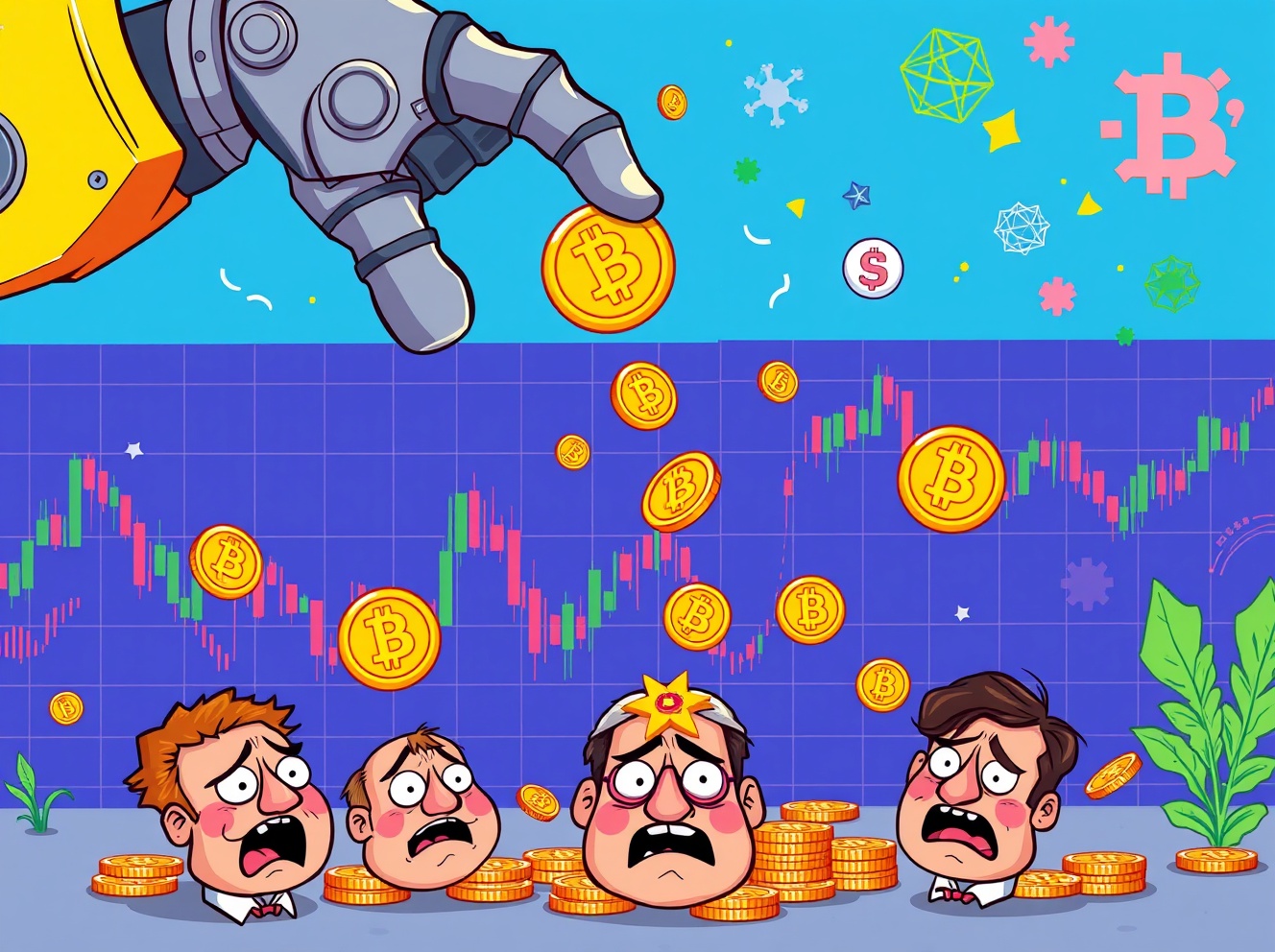
The world of cryptocurrency is constantly evolving, presenting both exciting opportunities and significant challenges. Currently, a key dynamic is influencing the market: substantial Bitcoin selling pressure. Understanding this pressure, especially from short-term holders, is absolutely crucial for anyone involved in the crypto space. On-chain analytics firm Glassnode has recently provided insightful data that sheds light on why BTC might be struggling to gain significant upward momentum at its current levels.

What’s Driving the Intense Bitcoin Selling Pressure?

According to Glassnode’s comprehensive analysis, Bitcoin (BTC) is currently trading within a very specific and challenging price corridor. This range, spanning approximately $113,600 to $115,600, isn’t just arbitrary; it represents the average purchase price for a significant cohort of short-term holders. These are individuals who acquired their Bitcoin relatively recently, typically within the last one to three months.

For these newer investors, the current market price means their investments are effectively “underwater” – they are holding Bitcoin at a loss compared to their initial cost basis. This situation creates a powerful, almost gravitational, market dynamic:

  • Break-Even Motivation: As BTC’s price attempts to rebound and approaches this critical range, many short-term holders are motivated to sell. Their primary goal is often to “break even” on their investment or to cut their losses before they deepen.
  • Supply Overhang: This collective desire to exit or reduce exposure at cost creates a substantial “supply overhang.” Essentially, there are many sellers waiting at these specific price points.
  • Resistance Formation: Consequently, this range acts as a formidable resistance level. Any upward price movement is met with a wave of sell orders, making it incredibly difficult for Bitcoin to push through and establish higher highs in the short term.

This persistent Bitcoin selling pressure from short-term holders is a significant factor limiting immediate upside potential.

Why Do Short-Term Holders Influence BTC So Much?

The actions of short-term holders carry considerable weight in the market, especially during periods of price consolidation. Unlike long-term holders, who possess a stronger conviction and often ride out market volatility, short-term holders are generally more reactive. Their investment strategies are often focused on quicker gains or minimizing short-term losses.

When a large segment of this group finds their positions in the red, their collective sentiment can quickly shift from optimism to a desire for capital preservation. This isn’t necessarily a sign of weakness in Bitcoin itself, but rather a natural market cleansing process. It highlights the importance of understanding market psychology and the different investor cohorts at play. The current Bitcoin selling pressure illustrates how crucial it is to monitor these on-chain metrics.

Navigating This Challenging Market: What Can Investors Do?

For both seasoned and new investors, understanding the implications of this analysis is key to making informed decisions. The current environment, marked by significant Bitcoin selling pressure, calls for a strategic approach.

Consider these actionable insights:

  • Exercise Patience: Expect potential volatility and constrained upward movement in the short term. Significant rallies may require sustained buying volume to absorb the existing supply.
  • Leverage On-Chain Analytics: Tools from firms like Glassnode offer unparalleled visibility into market internals. Monitoring metrics related to holder behavior, cost basis, and supply distribution can provide a clearer picture than price charts alone.
  • Re-evaluate Risk Tolerance: If you are a short-term trader, be particularly mindful of these resistance levels. Long-term investors might view such periods as opportunities for strategic accumulation, but always within your defined risk parameters.
  • Identify Potential Catalysts: While internal market dynamics are at play, external factors could shift the narrative. Keep an eye on major macroeconomic news, regulatory developments, or significant institutional announcements that could provide the necessary impetus for a breakout.

This phase is a test of market resilience. It underscores the importance of a well-thought-out investment strategy rather than impulsive reactions.

Conclusion: The Path Forward for Bitcoin Amidst Pressure

The analysis revealing substantial Bitcoin selling pressure from short-term holders around the $113,600 to $115,600 range provides a critical lens through which to view the current market. This dynamic, while limiting immediate upside, is a natural part of market cycles. It forces a period of consolidation and the absorption of overhead supply. Investors who stay informed, exercise patience, and employ robust risk management strategies will be better positioned to navigate these challenging waters and capitalize on Bitcoin’s long-term potential. Understanding these fundamental forces is paramount for a clearer perspective on Bitcoin’s journey ahead.

Frequently Asked Questions (FAQs)

1. What is “short-term holder cost basis”?
It refers to the average price at which short-term Bitcoin holders (those who bought BTC 1-3 months ago) initially purchased their assets. If the current price is below this, they are at a loss.

2. Why do short-term holders sell at a loss?
Often, short-term holders sell when the price approaches their cost basis to “break even” or minimize further losses, especially if they believe the price might drop further. This creates selling pressure.

3. How does this Bitcoin selling pressure affect BTC’s price?
This pressure creates strong resistance levels. As Bitcoin’s price tries to rise, it encounters a significant number of sell orders from these holders, which can cap upward movement and lead to consolidation or minor pullbacks.

4. What can investors do during periods of high Bitcoin selling pressure?
Investors can practice patience, monitor on-chain data for insights, reassess their risk tolerance, and look for potential catalysts that could shift market sentiment and overcome the selling pressure.

5. Is this a bearish sign for Bitcoin’s long-term outlook?
Not necessarily. While it indicates short-term resistance, such periods of consolidation and supply absorption are a natural part of market cycles. They can help build a stronger foundation for future growth, testing investor resolve.

Did this analysis help you understand the current Bitcoin market better? Share this article with your fellow crypto enthusiasts on social media to spread awareness and foster informed discussions!

To learn more about the latest Bitcoin trends, explore our article on key developments shaping Bitcoin price action.

This post Bitcoin Selling Pressure: Crucial Analysis Reveals Short-Term Holder Impact first appeared on BitcoinWorld and is written by Editorial Team

Piyasa Fırsatı
Threshold Logosu
Threshold Fiyatı(T)
$0.006323
$0.006323$0.006323
-1.40%
USD
Threshold (T) Canlı Fiyat Grafiği
Sorumluluk Reddi: Bu sitede yeniden yayınlanan makaleler, halka açık platformlardan alınmıştır ve yalnızca bilgilendirme amaçlıdır. MEXC'nin görüşlerini yansıtmayabilir. Tüm hakları telif sahiplerine aittir. Herhangi bir içeriğin üçüncü taraf haklarını ihlal ettiğini düşünüyorsanız, kaldırılması için lütfen [email protected] ile iletişime geçin. MEXC, içeriğin doğruluğu, eksiksizliği veya güncelliği konusunda hiçbir garanti vermez ve sağlanan bilgilere dayalı olarak alınan herhangi bir eylemden sorumlu değildir. İçerik, finansal, yasal veya diğer profesyonel tavsiye niteliğinde değildir ve MEXC tarafından bir tavsiye veya onay olarak değerlendirilmemelidir.

Ayrıca Şunları da Beğenebilirsiniz

REX Shares’ Solana staking ETF sees $10M inflows, AUM tops $289M for first time

REX Shares’ Solana staking ETF sees $10M inflows, AUM tops $289M for first time

The post REX Shares’ Solana staking ETF sees $10M inflows, AUM tops $289M for first time appeared on BitcoinEthereumNews.com. Key Takeaways REX Shares’ Solana staking ETF saw $10 million in inflows in one day. Total inflows over the past three days amount to $23 million. REX Shares’ Solana staking ETF recorded $10 million in inflows yesterday, bringing total additions to $23 million over the past three days. The fund’s assets under management climbed above $289.0 million for the first time. The SSK ETF is the first U.S. exchange-traded fund focused on Solana staking. Source: https://cryptobriefing.com/rex-shares-solana-staking-etf-aum-289m/
Paylaş
BitcoinEthereumNews2025/09/18 02:34
A Netflix ‘KPop Demon Hunters’ Short Film Has Been Rated For Release

A Netflix ‘KPop Demon Hunters’ Short Film Has Been Rated For Release

The post A Netflix ‘KPop Demon Hunters’ Short Film Has Been Rated For Release appeared on BitcoinEthereumNews.com. KPop Demon Hunters Netflix Everyone has wondered what may be the next step for KPop Demon Hunters as an IP, given its record-breaking success on Netflix. Now, the answer may be something exactly no one predicted. According to a new filing with the MPA, something called Debut: A KPop Demon Hunters Story has been rated PG by the ratings body. It’s listed alongside some other films, and this is obviously something that has not been publicly announced. A short film could be well, very short, a few minutes, and likely no more than ten. Even that might be pushing it. Using say, Pixar shorts as a reference, most are between 4 and 8 minutes. The original movie is an hour and 36 minutes. The “Debut” in the title indicates some sort of flashback, perhaps to when HUNTR/X first arrived on the scene before they blew up. Previously, director Maggie Kang has commented about how there were more backstory components that were supposed to be in the film that were cut, but hinted those could be explored in a sequel. But perhaps some may be put into a short here. I very much doubt those scenes were fully produced and simply cut, but perhaps they were finished up for this short film here. When would Debut: KPop Demon Hunters theoretically arrive? I’m not sure the other films on the list are much help. Dead of Winter is out in less than two weeks. Mother Mary does not have a release date. Ne Zha 2 came out earlier this year. I’ve only seen news stories saying The Perfect Gamble was supposed to come out in Q1 2025, but I’ve seen no evidence that it actually has. KPop Demon Hunters Netflix It could be sooner rather than later as Netflix looks to capitalize…
Paylaş
BitcoinEthereumNews2025/09/18 02:23
Academic Publishing and Fairness: A Game-Theoretic Model of Peer-Review Bias

Academic Publishing and Fairness: A Game-Theoretic Model of Peer-Review Bias

Exploring how biases in the peer-review system impact researchers' choices, showing how principles of fairness relate to the production of scientific knowledge based on topic importance and hardness.
Paylaş
Hackernoon2025/09/17 23:15