Asian markets plunged on Monday as the fallout from US and Israeli military strikes on Iran sent oil surging, stocks tumbling, and investors scrambling for safe havens — but Bitcoin held up better than expected, trading around $66,500 after a weekend that saw it swing between $63,000 and $68,000.
With the Strait of Hormuz effectively shut and Brent crude up as much as 13%, the conflict is now testing whether Bitcoin’s 24/7 liquidity makes it a crisis shock absorber or just another risk asset caught in the downdraft.
Asia Opens in the Red, Then Pares Losses
Japan’s Nikkei plunged as much as 2.15% at the open, shedding over 1,260 points. By midday, it had pared the drop to 1.66%, trading at 57,875. Hong Kong’s Hang Seng fell 2.54%, and Singapore’s Straits Times fell 2.13%. Shanghai held up better, dipping just 0.45%.
Airline stocks across the region — Qantas, Singapore Airlines, and Japan Airlines among them — fell more than 5% as the Hormuz closure disrupted flight routes and sent fuel costs soaring. Chinese airlines were also hit hard.
Oil’s initial surge faded sharply through the session. Brent had jumped as much as 13% at the open, but WTI was up just 4.24% by midday. US equity-index futures also recovered, with the S&P 500 down 0.67% and the Dow off 0.71% — well off earlier lows of over 1%. Gold rose 1.76%.
China’s energy sector bucked the trend. PetroChina opened up 7% in Shanghai, and the CSI Energy Index jumped 5%. Korea’s Kospi, one of Asia’s top-performing markets this year, was closed Monday for a national holiday — delaying what could be a sharp reaction on Tuesday.
Bitcoin, down 2.2% on the day, outperformed the steep losses in equity futures and Asian stock benchmarks.
A Wild Weekend for Crypto
The turbulence began Saturday when US-Israeli strikes hit targets across Iran, killing Supreme Leader Ayatollah Ali Khamenei. Bitcoin dropped below $64,000 within hours as the total crypto market shed roughly $128 billion in value, with forced liquidations cascading across derivatives markets.
The bounce came fast. After Iranian state media confirmed Khamenei’s death, traders bet the power vacuum could accelerate de-escalation, pushing Bitcoin back above $68,000 in thin Sunday liquidity. But the optimism faded as Iran launched retaliatory missile and drone strikes across the Gulf, hitting targets in Israel, the UAE, and Bahrain, dragging the price back below $66,000 by Sunday evening in New York.
By early Monday in Asia, Bitcoin was trading at around $66,543, with a 24-hour range of $65,149 to $68,043. The 24-hour trading volume topped $43.6 billion, reflecting heightened activity as traders repositioned ahead of the US market open.
Hormuz: The Real Risk
The biggest market risk is the effective closure of the Strait of Hormuz. Roughly 20% of global seaborne oil passes through the waterway. Digital signals indicate tanker traffic has nearly halted. At least three ships have been attacked near the mouth of the Persian Gulf. Economists have warned that a sustained closure could push oil prices as high as $108 per barrel.
OPEC+ moved to ease supply fears on Sunday, announcing a production increase of 206,000 barrels per day starting in April — more than analysts had expected. Saudi Arabia, Russia, Iraq, the UAE, and four other members are set to boost output. But analysts cautioned the move may offer limited relief. If Gulf flows remain constrained, additional production means little. Export routes matter more than headline output targets.
For crypto, the oil shock creates a dual threat. Higher energy prices feed directly into inflation expectations, potentially delaying Federal Reserve rate cuts that the market has been counting on. Even with OPEC+ stepping in, prolonged disruption to Hormuz could keep crude elevated long enough to push inflation readings higher, which is negative for risk assets, including Bitcoin.
Pressure Valve or Risk Asset?
The weekend reinforced Bitcoin’s evolving identity in geopolitical crises. When traditional markets are closed, crypto absorbs selling pressure from equities, bonds, and commodities. Analysts call this the “pressure valve” effect. Bitcoin is the only large liquid asset trading around the clock. It took the brunt of weekend risk-off flows. The real price discovery is expected on Monday when US equity markets and Bitcoin ETFs reopen.
That ETF dynamic adds a new variable. Spot Bitcoin ETFs drew nearly $254 million in net inflows over three sessions last week. Monday’s open could test whether institutional holders maintain positions through escalating geopolitical turmoil.
Bitcoin futures funding rates have turned sharply negative, with the CMC Crypto Fear and Greed index at 15 — deep in “Extreme Fear” territory where it has been stuck for weeks. Some analysts view this as a contrarian signal, arguing that the market is mechanically paying traders to go long.
What Comes Next
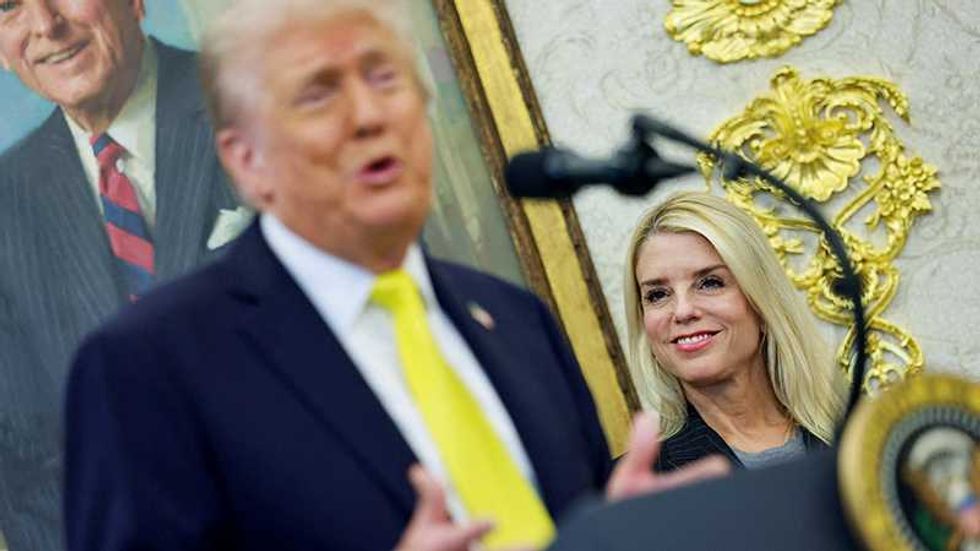
Some initial panic has faded after President Trump told the New York Times he was open to dropping sanctions on Iran if its new leadership proves pragmatic. A senior White House official also said to the press that Iran’s new interim leadership had suggested it was open to talks, and Trump said he had agreed to engage.
Some Wall Street strategists warned against buying the dip too quickly. This episode risks lasting longer than the geopolitical flare-ups investors have grown accustomed to.
For Bitcoin, which has already fallen 47% from its October all-time high of $126,000, the $60,000 support level remains the line in the sand. A break below could open the path to the mid-$50,000 range. A sustained move above $70,000, on the other hand, could trigger a short squeeze given the heavy bearish positioning currently built up in derivatives markets.
With CPI data due March 11 and the Fed decision on March 18, the crypto market faces a gauntlet of catalysts that the Iran conflict has made exponentially harder to navigate.
Source: https://beincrypto.com/bitcoin-outperforms-asia-equity-markets/