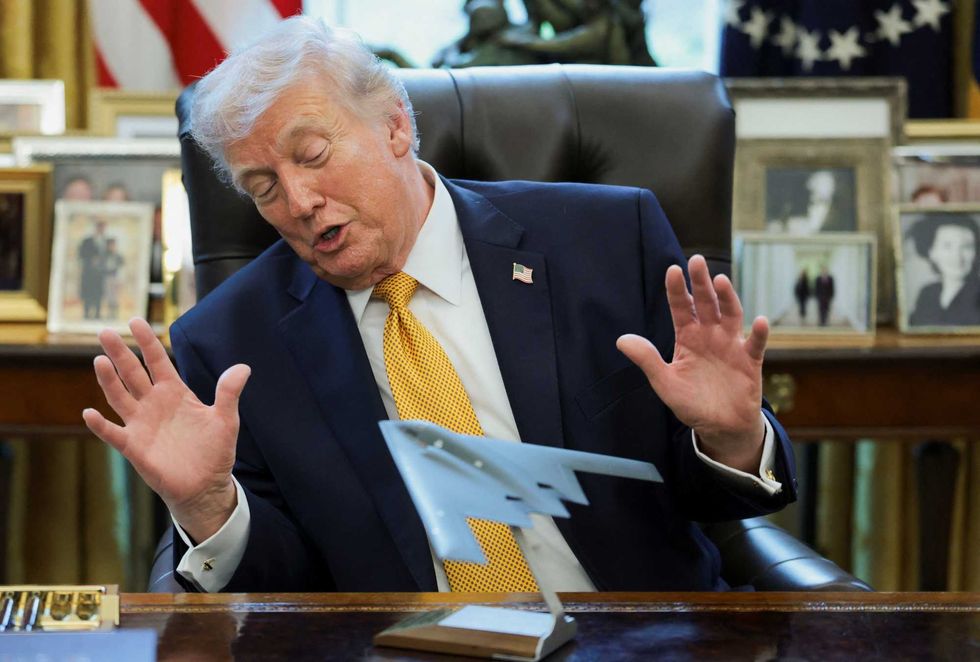
The White House message is that Tehran “wants to reach an agreement,” with talks said to be underway. Public signals from Iran are more cautious, emphasizing process and verification under the JCPOA baseline.
A review of recent statements and reporting points to mediator-led contacts, calibrated nuclear steps on uranium enrichment, and sequenced sanctions relief under International Atomic Energy Agency (IAEA) oversight.
Any talks are indirect via Oman, not direct negotiations
Tehran has rejected face-to-face negotiations, favoring messages relayed through a mediator. as reported by The Guardian, Iran insists that any engagement proceed indirectly via Oman to manage domestic and diplomatic constraints.
Iranian officials have nevertheless conveyed readiness to explore an agreement if the channel remains indirect. according to Newsweek, Foreign Minister Abbas Araghchi has framed this approach around a deep “wall of mistrust,” signaling that format and de-escalation measures shape feasibility.
Why this matters: nuclear limits, sanctions relief, and IAEA verification
The strategic stakes are substantial: enrichment ceilings, stockpile controls, and intrusive inspections determine breakout timelines and risk. As reported by Le Monde, expert James Acton doubts a deal “better than the JCPOA” is readily achievable amid technical and political frictions.
Domestic signaling inside Iran also shapes negotiating space. As quoted by AP news, Ayatollah Ali Khamenei called talks under pressure “not intelligent, wise, or honorable.”
in the near term, the most realistic bridge appears to be an interim package. According to Axios, Ali Vaez of the International Crisis Group has outlined options such as suspending certain enrichment activities, diluting higher-purity uranium stocks, and widening inspection access.
Designing verification-first steps with time-bound, reversible measures could support narrow sanctions relief delivered in stages. Practically, the IAEA would need expanded access and prompt data to confirm compliance before any tranche of relief proceeds.
Stakeholder red lines and deal feasibility
Feasibility remains constrained by firm positions on both sides. As reported by Al Jazeera, Iran aims to keep domestic enrichment capacity and resists linkage to its missile and defense programs, limiting room for sweeping concessions.
Iran’s stance: keep enrichment capacity; indirect talks; greater IAEA access possible
Tehran has prioritized retaining an indigenous enrichment capability, using indirect channels to mitigate political risks. Within that format, officials have indicated that enhanced IAEA access may be possible if steps are reciprocal and calibrated.
U.S. demands: stricter enrichment limits; robust inspections; sequenced sanctions relief
Washington seeks tighter enrichment limits and more robust, real-time verification, with sanctions relief phased against performance. As reported by Middle East Monitor, Secretary of State Marco Rubio has pressed for Iran to relinquish enrichment altogether.
FAQ about JCPOA
What would an interim nuclear deal include compared with the JCPOA?
Compared with the JCPOA, an interim package could pause higher-level enrichment, dilute existing stockpiles, expand IAEA access, and exchange these steps for limited, sequenced sanctions relief.
What are Iran’s non-negotiable red lines on uranium enrichment, inspections, and missiles?
Iran prioritizes retaining domestic enrichment capacity, resists linking nuclear steps to missiles, and indicates inspections can widen if negotiated within an indirect, confidence-building framework.
| DISCLAIMER: The information on this website is provided as general market commentary and does not constitute investment advice. We encourage you to do your own research before investing. |
Source: https://coincu.com/news/jcpoa-talks-face-hurdles-over-enrichment-sanctions/