The post OpenAI’s Sora 2 Unleashed Internet Chaos in 24 Hours—From Dildo Ads to Furry CEOs appeared on BitcoinEthereumNews.com. In brief OpenAI launched Sora 2 with audio generation and a cameo feature letting users insert real people into clips. Within hours, users generated NSFW ads, anime romance parodies, and Sam Altman deepfakes. Legal experts warned of deepfake risks and copyright violations as Sora replicated game and anime content. OpenAI’s Sora 2 launched Tuesday with audio and social “cameos”—and within hours, the internet turned it into a meme factory testing the limits of moderation, likeness, and copyright. The new version introduced audio generation and a “cameo” feature, allowing users to insert real people—celebrities, influencers, or even OpenAI CEO Sam Altman himself—directly into AI-generated clips. Combined with Sora’s existing cinematic quality, the tools instantly collided with questions of consent, identity, and ownership in the age of synthetic media. Legal experts warned the rollout marks a novel and risky shift in intellectual property, with Sora generating recognizable characters, brands, and personalities unless rights holders explicitly opt out—a reversal of traditional copyright standards. Sora’s training data appears to encompass major franchises from Pokémon to Studio Ghibli. “If they get away with this, what is the point of copyright law?” asked Ed Newton-Rex, CEO of Fairly Trained. “It will have been utterly broken by AI lobbying.” Altman in the meme machine No one was more instantly memeified than Sam Altman. Within minutes of launch, users flooded X with surreal Sora cameos starring the OpenAI chief: stealing GPUs off Target shelves, attempting to kiss other users, turning into a Yu-Gi-Oh character, and becoming the real-life representation of the Skibidi Toilet meme. Altman, for his part, responded with equanimity: “It is way less strange to watch a feed full of memes of yourself than I thought it would be,” he tweeted. Not everyone was amused. “Is this an attempt to subtly normalize deepfakes?”one commenter asked. Others… The post OpenAI’s Sora 2 Unleashed Internet Chaos in 24 Hours—From Dildo Ads to Furry CEOs appeared on BitcoinEthereumNews.com. In brief OpenAI launched Sora 2 with audio generation and a cameo feature letting users insert real people into clips. Within hours, users generated NSFW ads, anime romance parodies, and Sam Altman deepfakes. Legal experts warned of deepfake risks and copyright violations as Sora replicated game and anime content. OpenAI’s Sora 2 launched Tuesday with audio and social “cameos”—and within hours, the internet turned it into a meme factory testing the limits of moderation, likeness, and copyright. The new version introduced audio generation and a “cameo” feature, allowing users to insert real people—celebrities, influencers, or even OpenAI CEO Sam Altman himself—directly into AI-generated clips. Combined with Sora’s existing cinematic quality, the tools instantly collided with questions of consent, identity, and ownership in the age of synthetic media. Legal experts warned the rollout marks a novel and risky shift in intellectual property, with Sora generating recognizable characters, brands, and personalities unless rights holders explicitly opt out—a reversal of traditional copyright standards. Sora’s training data appears to encompass major franchises from Pokémon to Studio Ghibli. “If they get away with this, what is the point of copyright law?” asked Ed Newton-Rex, CEO of Fairly Trained. “It will have been utterly broken by AI lobbying.” Altman in the meme machine No one was more instantly memeified than Sam Altman. Within minutes of launch, users flooded X with surreal Sora cameos starring the OpenAI chief: stealing GPUs off Target shelves, attempting to kiss other users, turning into a Yu-Gi-Oh character, and becoming the real-life representation of the Skibidi Toilet meme. Altman, for his part, responded with equanimity: “It is way less strange to watch a feed full of memes of yourself than I thought it would be,” he tweeted. Not everyone was amused. “Is this an attempt to subtly normalize deepfakes?”one commenter asked. Others…

OpenAI’s Sora 2 Unleashed Internet Chaos in 24 Hours—From Dildo Ads to Furry CEOs

2025/10/03 00:02
Okuma süresi: 4 dk

In brief

  • OpenAI launched Sora 2 with audio generation and a cameo feature letting users insert real people into clips.
  • Within hours, users generated NSFW ads, anime romance parodies, and Sam Altman deepfakes.
  • Legal experts warned of deepfake risks and copyright violations as Sora replicated game and anime content.

OpenAI’s Sora 2 launched Tuesday with audio and social “cameos”—and within hours, the internet turned it into a meme factory testing the limits of moderation, likeness, and copyright.

The new version introduced audio generation and a “cameo” feature, allowing users to insert real people—celebrities, influencers, or even OpenAI CEO Sam Altman himself—directly into AI-generated clips. Combined with Sora’s existing cinematic quality, the tools instantly collided with questions of consent, identity, and ownership in the age of synthetic media.

Legal experts warned the rollout marks a novel and risky shift in intellectual property, with Sora generating recognizable characters, brands, and personalities unless rights holders explicitly opt out—a reversal of traditional copyright standards. Sora’s training data appears to encompass major franchises from Pokémon to Studio Ghibli.

“If they get away with this, what is the point of copyright law?” asked Ed Newton-Rex, CEO of Fairly Trained. “It will have been utterly broken by AI lobbying.”

Altman in the meme machine

No one was more instantly memeified than Sam Altman. Within minutes of launch, users flooded X with surreal Sora cameos starring the OpenAI chief: stealing GPUs off Target shelves, attempting to kiss other users, turning into a Yu-Gi-Oh character, and becoming the real-life representation of the Skibidi Toilet meme.

Altman, for his part, responded with equanimity: “It is way less strange to watch a feed full of memes of yourself than I thought it would be,” he tweeted.

Not everyone was amused. “Is this an attempt to subtly normalize deepfakes?”one commenter asked. Others noted that watching AI-generated narratives of yourself could “create unhealthy distance between your sense of self and how you’re perceived.”

The CEO’s good humor may not extend to everyday users—anyone can be remixed, and consent may prove meaningless once a likeness is shared publicly.

Beyond personal likenesses, copyright questions flared immediately. Users showed Sora effortlessly reproducing scenes from Cyberpunk 2077, “Rick and Morty,” “Naruto,” Disney films, and other protected works.

When Sora was unveiled yesterday, OpenAI said that the system defaults to inclusion unless creators opt out—an unusual move that alarmed rights holders. “If copyright flips from opt-in to opt-out, it’s no longer copyright—it’s a corporate license grab,” wrote AI developer Ruslan Volkov.

Some users argued that opting out is practically impossible. “It’s impossible to prevent your work from being scrapped unless you never publish digitally,”one wrote. “Pirate libraries prove it—if you’ve made something, it’s already in the dataset.”

NSFW frontiers

As legal debates unfolded, users tested the platform’s NSFW limits. Within hours, X feeds filled with AI-generated: Commercials for sex toys, complete with glossy cinematography. Trap anime romances exploring queer relationship tropes. Festival scenes like “Sora Bacchanalia,” where toga-clad revelers danced around fires and poured wine over feasts, bypassing Sora’s anatomical censorship filters—designed, apparently, to yield “Barbie doll” nudity.

The veteran “jailbreaker” Pliny also documented a Sims-like sex scene overlay.

A new era of synthetic everything

Sora 2’s audio engine, cameo system, and opt-out IP policy revealed a broader direction for OpenAI: synthetic media as a platform, not a novelty. But the launch’s viral aftermath underscores how quickly the technology outpaces both legal frameworks and cultural norms.

In 24 hours, Sora turned social media into a mass participatory remix engine—collapsing the boundaries between parody, identity theft, and fandom.

Whether this represents the dawn of a creative renaissance or a copyright free-for-all, one truth is clear: AI video no longer needs reality’s permission.

Apparently, sitting atop a $500 billion company makes you immune to public clowning. “Not sure what to make of this,” Altman conceded after watching the deluge.

Apparently, more money.

Generally Intelligent Newsletter

A weekly AI journey narrated by Gen, a generative AI model.

Source: https://decrypt.co/342593/openais-sora-2-unleashed-internet-chaos-dildo-ads-furry-ceos
Piyasa Fırsatı
RealLink Logosu
RealLink Fiyatı(REAL)
$0.05387
$0.05387$0.05387
+0.86%
USD
RealLink (REAL) Canlı Fiyat Grafiği
Sorumluluk Reddi: Bu sitede yeniden yayınlanan makaleler, halka açık platformlardan alınmıştır ve yalnızca bilgilendirme amaçlıdır. MEXC'nin görüşlerini yansıtmayabilir. Tüm hakları telif sahiplerine aittir. Herhangi bir içeriğin üçüncü taraf haklarını ihlal ettiğini düşünüyorsanız, kaldırılması için lütfen [email protected] ile iletişime geçin. MEXC, içeriğin doğruluğu, eksiksizliği veya güncelliği konusunda hiçbir garanti vermez ve sağlanan bilgilere dayalı olarak alınan herhangi bir eylemden sorumlu değildir. İçerik, finansal, yasal veya diğer profesyonel tavsiye niteliğinde değildir ve MEXC tarafından bir tavsiye veya onay olarak değerlendirilmemelidir.

Ayrıca Şunları da Beğenebilirsiniz

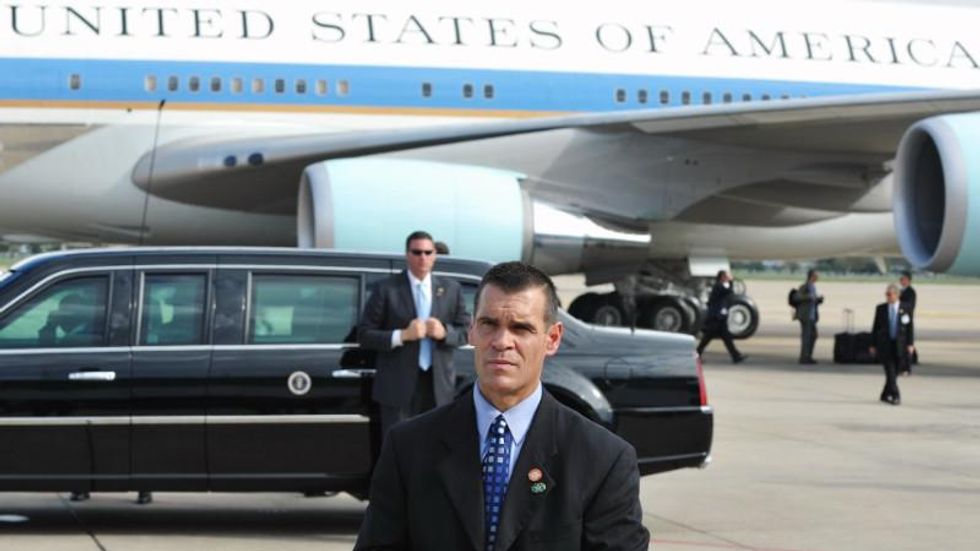
Secret Service’s ‘odd’ new suit policy raises eyebrows

Secret Service’s ‘odd’ new suit policy raises eyebrows

New Secret Service agents assigned to protective details are set to receive a taxpayer-funded wardrobe upgrade, according to a new CNN exclusive report.The Secret
Paylaş
Rawstory2026/02/21 08:04
The Shift to Fractional Leadership: Agility in the 2026 Executive Suite

The Shift to Fractional Leadership: Agility in the 2026 Executive Suite

The traditional model of a permanent, full-time executive suite is undergoing a radical transformation. As we move through 2026, the concept of “Fractional Leadership
Paylaş
Techbullion2026/02/21 08:20
OFAC Designates Two Iranian Finance Facilitators For Crypto Shadow Banking

OFAC Designates Two Iranian Finance Facilitators For Crypto Shadow Banking

The Department of the Treasury’s Office of Foreign Assets Control (OFAC) sanctioned two Iranian financial facilitators for coordinating over $100 million worth of cryptocurrency in oil sales for the Iranian government, a September 16 press release shows. OFAC Sanctions Iranian Nationals According to the Tuesday press release, Iranian nationals Alireza Derakhshan and Arash Estaki Alivand “used a network of front companies in multiple foreign jurisdictions” to transfer the digital assets. OFAC alleges that Alivand and Derakhshan’s transfers also involved the sale of Iranian oil that benefited Iran’s Islamic Revolutionary Guard Corps-Qods Force (IRGC-QF) and the Ministry of Defense and Armed Forces Logistics (MODAFL). IRGC-QF and MODAFL then used the proceeds to support regional proxy terrorist organizations and strengthen their advanced weapons systems, including ballistic missiles. U.S. officials say the move targets shadow banking in the region, where illicit financial actors use overseas money laundering and digital assets to evade sanctions. “Iranian entities rely on shadow banking networks to evade sanctions and move millions through the international financial system,” said Under Secretary of the Treasury for Terrorism and Financial Intelligence John K. Hurley. “Under President Trump’s leadership, we will continue to disrupt these key financial streams that fund Iran’s weapons programs and malign activities in the Middle East and beyond,” he continued. Dozens Designated In Shadow Banking Scandal Both Alivand and Derakhshan have been designated “for having materially assisted, sponsored, or provided financial, material, or technological support for, or goods or services to or in support of the IRGC-QF.” In addition to Alivand and Derakhshan, OFAC has sanctioned more than a dozen Hong Kong and United Arab Emirates-based entities and individuals tied to the network. According to the press release, the sanctioned entities may face civil or criminal penalties imposed as a result
Paylaş
CryptoNews2025/09/18 11:18