The post LTC Technical Analysis Feb 23 appeared on BitcoinEthereumNews.com. Litecoin (LTC) is advancing in a continuous temporary downtrend, with the current priceThe post LTC Technical Analysis Feb 23 appeared on BitcoinEthereumNews.com. Litecoin (LTC) is advancing in a continuous temporary downtrend, with the current price

LTC Technical Analysis Feb 23

2026/02/24 07:24
Okuma süresi: 4 dk

Litecoin (LTC) is advancing in a continuous temporary downtrend, with the current price at $51.84 approaching critical supports. RSI at 34 shows the downward momentum slowing, while MACD gives a bullish signal with a positive histogram; however, the overall picture requires a cautious approach.

Executive Summary

Litecoin is maintaining its downtrend at $51.84 price, trading in the $50.91-$53.63 range with a 3.30% drop in the last 24 hours. While Supertrend gives a bearish signal and price failed to hold above EMA20 ($55.76), RSI at 34.07 is approaching the oversold region; MACD carries slight bullish hope with a positive histogram. Critical support at $51.72 (strength 76/100), resistance at $52.10 (79/100); high risk for altcoins due to BTC correlation. Risk/Reward focus: bullish target $67.34 (low probability), bearish $29.21.

Market Structure and Trend Status

Current Trend Analysis

LTC is moving within an overall downtrend. The Supertrend indicator is in a bearish position and forming a $61.41 resistance level, signaling limited short-term recoveries. Price failed to hold above EMA20 ($55.76), which now reinforces the short-term bearish bias. Multi-timeframe analysis (1D/3D/1W) identifies 11 strong levels: 1D with 1 support/1 resistance, 3D with 2S/2R, 1W with 2S/4R. This indicates structural weakness and dominant resistances. Volume at $145.79M is moderate but decreasing on the downside, confirming seller dominance.

Structural Levels

Main structural support at $51.7173 (strength score 76/100), below which the $50.91 intraday low comes into play. Resistance at $52.1000 (79/100) as the first hurdle, followed by EMA20 $55.76 and Supertrend $61.41. On the weekly timeframe, 4 resistances (approximately $58-65 range) form structural upper bands. These levels show the market structure is maintaining a bearish lower high/lower low (LH/LL) pattern.

Technical Indicators Report

Momentum Indicators

RSI(14) at 34.07, approaching the oversold region (below 30), signaling seller momentum exhaustion. This increases the chance of a short-term bounce but requires confirmation for trend reversal. MACD has formed a positive histogram, on the verge of crossing above the signal line; this carries bullish divergence potential. Other momentum indicators like Stochastic and CCI also give similar mixed signals: downward bias but weakening.

Trend Indicators

EMA group bearish: Price below EMA20 ($55.76), EMA50, and EMA200, death cross completed. Supertrend has flipped bearish, trailing stop at $61.41. In Ichimoku Cloud, price is below the cloud, Tenkan-Kijun death cross active. Parabolic SAR also giving sell signal. Overall trend indicators confirm the downtrend dominance and require EMA20 breakout for recovery.

Critical Support and Resistance Analysis

Supports: First $51.7173 (76/100, pivot+volume confluence), second $50.91 (daily low), third 1W support $48-49 range. These levels overlap with fib 0.618 ($51.50 area). Resistances: $52.1000 (79/100, fib 0.236+round), $55.76 (EMA20), $58 (3D resistance), $61.41 (Supertrend). Multi-TF confluence: 1W with 4 resistance cluster in $60+ band. These levels support range-bound movement; break below $51.72 risks bearish impulse to $45.

Volume and Market Participation

24h volume $145.79M, lower than previous day (%20-30 decrease), indicating waning seller appetite. OBV (On-Balance Volume) flattening in downtrend, forming divergence. VWAP intraday around $52.50, price below – bearish. Whale activity moderate; spot volume 40% of futures, long/short ratio 0.95 (slight short bias). Volume profile shows POC (Point of Control) at $52 resistance, thin profile at support – risky.

Risk Assessment

Risk/Reward: Bullish target $67.3444 (score 30/100, R:R 1:2.5 from $51 support), bearish $29.2097 (22/100, R:R 1:3.5). Main risks: BTC downtrend continuation (LTC correlation 0.85+), $51.72 breakdown (%5-10 drop), fakeout without volume surge. Stop-loss suggestion: below $51.20, long entry on $52.10 rejection. Position size %1-2 risk, high volatility (ATR %4). Overall risk level: Medium-High, cautious long/short scalping.

Bitcoin Correlation

LTC shows high correlation with BTC (0.87 7-day); BTC at $65,352 with -3.38% drop and downtrend (Supertrend bearish). If BTC supports $63,970 / $62,400 / $60,000 fail to hold, pressure increases on LTC $51 support – risk of slip to $48. BTC resistances $65,825 / $68,218; bounce from here could bring LTC recovery to $55+. If BTC.D dominance rises (current trend), altcoin bleed continues – %10+ drop possible for LTC. Key to watch: BTC $64K hold, LTC long trigger.

Conclusion and Strategic Outlook

Overall picture bearish: Downtrend, price below EMA, Supertrend sell; however, RSI oversold + MACD bullish histogram gives mixed signal offering short-term bounce ($52-55) potential. If critical $51.72 support holds, scalping long; if broken, short bias. BTC correlation dominant – wait for $64K BTC hold. Long-term 1W structure weak, $67 target low probability. Strategy: LTC Spot Analysis for range trade, LTC Futures Analysis for leveraged scalping. Wait-and-see, risk management priority.

This analysis uses Chief Analyst Devrim Cacal’s market views and methodology.

Strategy Analyst: David Kim

Macro market analysis and portfolio management

This analysis is not investment advice. Do your own research.

Source: https://en.coinotag.com/analysis/ltc-comprehensive-technical-analysis-detailed-review-of-february-23-2026

Piyasa Fırsatı
Litecoin Logosu
Litecoin Fiyatı(LTC)
$51.58
$51.58$51.58
-1.05%
USD
Litecoin (LTC) Canlı Fiyat Grafiği
Sorumluluk Reddi: Bu sitede yeniden yayınlanan makaleler, halka açık platformlardan alınmıştır ve yalnızca bilgilendirme amaçlıdır. MEXC'nin görüşlerini yansıtmayabilir. Tüm hakları telif sahiplerine aittir. Herhangi bir içeriğin üçüncü taraf haklarını ihlal ettiğini düşünüyorsanız, kaldırılması için lütfen [email protected] ile iletişime geçin. MEXC, içeriğin doğruluğu, eksiksizliği veya güncelliği konusunda hiçbir garanti vermez ve sağlanan bilgilere dayalı olarak alınan herhangi bir eylemden sorumlu değildir. İçerik, finansal, yasal veya diğer profesyonel tavsiye niteliğinde değildir ve MEXC tarafından bir tavsiye veya onay olarak değerlendirilmemelidir.

Ayrıca Şunları da Beğenebilirsiniz

The Stunning ASEAN Winner Emerges As Manufacturing Shifts Accelerate

The Stunning ASEAN Winner Emerges As Manufacturing Shifts Accelerate

The post The Stunning ASEAN Winner Emerges As Manufacturing Shifts Accelerate appeared on BitcoinEthereumNews.com. Vietnam US Tariffs: The Stunning ASEAN Winner
Paylaş
BitcoinEthereumNews2026/02/24 08:20
MySQL Single Leader Replication with Node.js and Docker

MySQL Single Leader Replication with Node.js and Docker

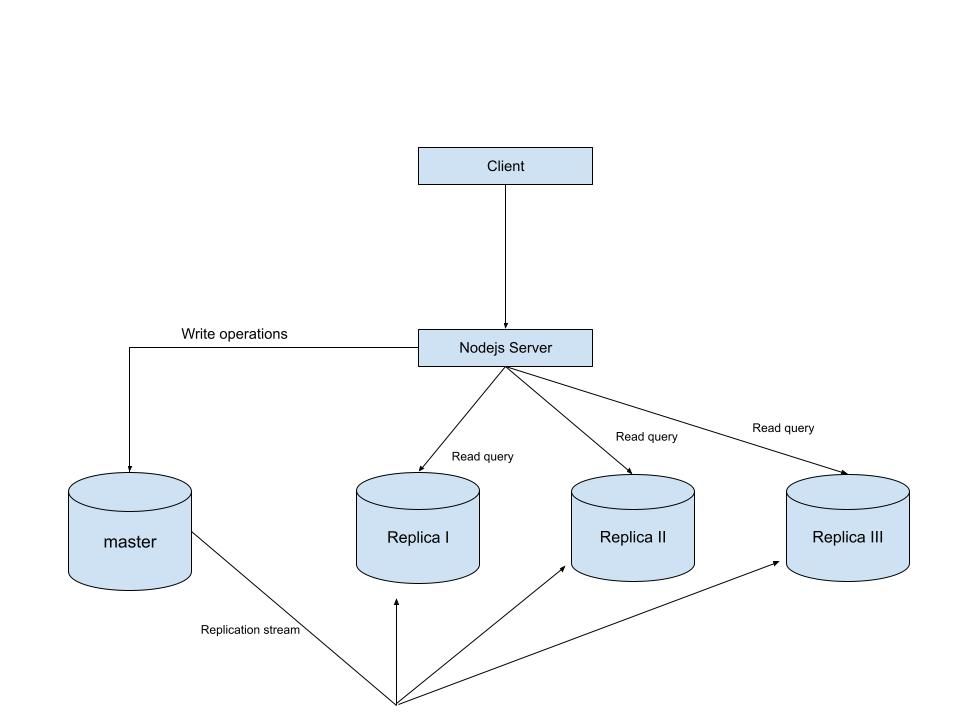
Modern applications demand high availability and the ability to scale reads without compromising performance. One of the most common strategies to achieve this is Replication. In this setup, we configured a single database to act as the leader (master) and handle all write operations, while three replicas handle read operations. In this article, we’ll walk through how to set up MySQL single-leader replication on your local machine using Docker. Once the replication is working, we’ll connect it to a Node.js application using Sequelize ORM, so that reads are routed to the replica and writes go to the master. By the end, you’ll have a working environment where you can see replication in real time Prerequisites knowledge of database replication Background knowledge of docker and docker compose Background knowledge of Nodejs and how to run a NodeJS server An Overview of what we are building Setup Setup our database servers on docker compose in the root of our project directory, create a file named docker-compose.yml with the following content to setup our mysql primary and replica databases. \ \ name: "learn-replica" volumes: mysqlMasterDatabase: mysqlSlaveDatabase: mysqlSlaveDatabaseII: mysqlSlaveDatabaseIII: networks: mysql-replication-network: services: mysql-master: image: mysql:latest container_name: mysql-master command: --server-id=1 --log-bin=ON environment: MYSQL_ROOT_PASSWORD: master MYSQL_DATABASE: replicaDb ports: - "3306:3306" volumes: - mysqlMasterDatabase:/var/lib/mysql networks: - mysql-replication-network mysql-slave: image: mysql:latest container_name: mysql-slave command: --server-id=2 --log-bin=ON environment: MYSQL_ROOT_PASSWORD: slave MYSQL_DATABASE: replicaDb MYSQL_ROOT_HOST: "%" ports: - "3307:3306" volumes: - mysqlSlaveDatabase:/var/lib/mysql depends_on: - mysql-master networks: - mysql-replication-network mysql-slaveII: image: mysql:latest container_name: mysql-slaveII command: --server-id=2 --log-bin=ON environment: MYSQL_ROOT_PASSWORD: slave MYSQL_DATABASE: replicaDb MYSQL_ROOT_HOST: "%" ports: - "3308:3306" volumes: - mysqlSlaveDatabaseII:/var/lib/mysql depends_on: - mysql-master networks: - mysql-replication-network mysql-slaveIII: image: mysql:latest container_name: mysql-slaveIII command: --server-id=3 --log-bin=ON environment: MYSQL_ROOT_PASSWORD: slave MYSQL_DATABASE: replicaDb MYSQL_ROOT_HOST: "%" ports: - "3309:3306" volumes: - mysqlSlaveDatabaseIII:/var/lib/mysql depends_on: - mysql-master networks: - mysql-replication-network In this setup, I’m creating a master database container called mysql-master and 3 replica containers called mysql-slave, mysql-slaveII and mysql-slaveIII. I won’t go too deep into the docker-compose.yml file since it’s just a basic setup, but I do want to walk you through the command line instructions used in all four services because that’s where things get interesting.
command: --server-id=1 --log-bin=ON The --server-id option gives each MySQL server in your replication setup its own name tag. Each one has to be unique and without it, replication won’t work at all. Another cool option not included here is binlog_format=ROW. This tells MySQL how to keep track of changes before passing them along to the replicas. By default, MySQL already uses row-based replication, but you can explicitly set it to ROW to be sure or switch it to STATEMENT if you’d rather log the actual SQL statements instead of row-by-row changes. \ Run our containers on docker Now, in the terminal, we can run the following command to spin up our database containers: docker-compose up -d \ Setting Up Our Master (Primary) Server To configure our master server, we would have to first access the running instance on docker using the following command docker exec -it mysql-master bash This command opens an interactive Bash shell inside the running Docker container named mysql-master, allowing us to run commands directly inside that container. \ Now that we’re inside the container, we can access the MySQL server and start running commands. type: mysql -uroot -p This will log you into MySQL as the root user. You’ll be prompted to enter the password you set in your docker-compose.yml file. \ Next, we need to create a special user that our replicas will use to connect to the master server and pull data. Inside the MySQL prompt, run the following commands: \ CREATE USER 'repl_user'@'%' IDENTIFIED BY 'replication_pass'; GRANT REPLICATION SLAVE ON . TO 'repl_user'@'%'; FLUSH PRIVILEGES; Here’s what’s happening: CREATE USER makes a new MySQL user called repl_user with the password replication_pass. GRANT REPLICATION SLAVE gives this user permission to act as a replication client. FLUSH PRIVILEGES tells MySQL to reload the user permissions so they take effect immediately. \ Time to Configure the Replica (Secondary) Servers a. First, let’s access the replica containers the same way we did with the master. Run this command in your terminal for each of the replica containers: \ docker exec -it <replica_container_name> bash mysql -uroot -p <replica_container_name> should be replace with the name of the replica container you are trying to setup b. Now it’s time to tell our replica where to get its data from. While inside the replica’s MySQL shell, run the following command to configure replication using the master’s details: CHANGE REPLICATION SOURCE TO SOURCE_HOST='mysql-master', SOURCE_USER='repl_user', SOURCE_PASSWORD='replication_pass', GET_SOURCE_PUBLIC_KEY=1; With the replication settings in place, let’s fire up the replica and get it syncing with the master. Still inside the MySQL shell on the replica, run: START REPLICA; This starts the replication process. To make sure everything is working, check the replica’s status with:
SHOW REPLICA STATUS\G; Look for Replica_IO_Running and Replica_SQL_Running — if both say Yes, congratulations! 🎉 Your replica is now successfully connected to the master and replicating data in real time.
Testing Our Replication Setup from the Node.js App Now that our replication is successfully set up, we can configure our Node.js server to observe the real-time effect of data being replicated from the master server to the replica server whenever we write to it. We start by installing the following dependencies:
npm i express mysql2 sequelize \ Now create a folder called src in the root directory and add the following files inside that folder connection.js, index.js and model.js. Our current directory should look like this We can now set up our connections to our master and replica server in the connection.js file as shown below
const Sequelize = require("sequelize"); const sequelize = new Sequelize({ dialect: "mysql", replication: { write: { host: "127.0.0.1", username: "root", password: "master", database: "replicaDb", }, read: [ { host: "127.0.0.1", username: "root", password: "slave", database: "replicaDb", port: 3307 }, { host: "127.0.0.1", username: "root", password: "slave", database: "replicaDb", port: 3308 }, { host: "127.0.0.1", username: "root", password: "slave", database: "replicaDb", port: 3309 }, ], }, }); async function connectdb() { try { await sequelize.authenticate(); } catch (error) { console.error("❌ unable to connect to the follower database", error); } } connectdb(); module.exports = { sequelize, }; \ We can now create a User table in the model.js file
const {DataTypes} = require("sequelize"); const { sequelize } = require("./connection"); const User = sequelize.define("User", { name: { type: DataTypes.STRING, allowNull: false, }, email: { type: DataTypes.STRING, unique: true, allowNull: false, }, }); module.exports = User \ and finally in our index.js file we can start our server and listen for connections on port 3000. from the code sample below, all inserts or updates will be routed by sequelize to the master server. while all read queries will be routed to the read replicas.
const express = require("express"); const { sequelize } = require("./connection"); const User = require("./model"); const app = express(); app.use(express.json()); async function main() { await sequelize.sync({ alter: true }); app.get("/", (req, res) => { res.status(200).json({ message: "first step to setting server up", }); }); app.post("/user", async (req, res) => { const { email, name } = req.body; let newUser = await User.build({ name, email, }); // This INSERT will go to the write (master) connection newUser = newUser.save({ returning: false }); res.status(201).json({ message: "User successfully created", }); }); app.get("/user", async (req, res) => { // This SELECT query will go to one of the read replicas const users = await User.findAll(); res.status(200).json(users); }); app.listen(3000, () => { console.log("server has connected"); }); } main(); When you make a POST request to the /users endpoint, take a moment to check both the master and replica servers to observe how data is replicated in real time. Right now, we are relying on Sequelize to automatically route requests, which works for development but isn’t robust enough for a production environment. In particular, if the master node goes down, Sequelize cannot automatically redirect requests to a newly elected leader. In the next part of this series, we’ll explore strategies to handle these challenges
Paylaş
Hackernoon2025/09/18 14:44
Robinhood: Investors Are Looking Beyond BTC

Robinhood: Investors Are Looking Beyond BTC

The post Robinhood: Investors Are Looking Beyond BTC appeared on BitcoinEthereumNews.com. Investors Diversifying Beyond BTC and ETH Robinhood’s crypto division
Paylaş
BitcoinEthereumNews2026/02/24 08:32