A South Korean court has jailed two Vietnamese nationals for using Tether (USDT) to power a cross-border money laundering scheme. The duo used the USD-pegged stablecoin to smuggle funds raised from voice phishing scams overseas. USDT Money Laundering Ring: Defendants Jailed for Two Years The South Korean media outlet Financial News reported that the Criminal Division of the Seoul Eastern District Court’s Presiding Judge Lee Jeong-hyeong sentenced the duo to two years in prison each on June 22. The Seoul Eastern District Court, in Seoul, South Korea. (Source: Pectus Solentis [CC BY-SA 4.0]) The defendants were identified as a college student surnamed Duong (23) and an unemployed individual surnamed Pham (also 23). The court found both individuals guilty of violating the Special Act on Prevention of Telecommunications and Financial Fraud and Refund of Damages. Prosecutors explained that Duong and Pham first made contact with the voice phishing scam ring in October last year. The ring recruited both via a Telegram open chat room. The ring’s organizers told Duong and Pham that they were to receive the proceeds of voice phishing scams in Korean won. The duo was then instructed to use this money to buy USDT, which they then sent to a crypto wallet held by a member of a voice phishing gang who was residing in Vietnam. The ring paid both Duong and Pham commission fees of 50,000 won ($36.44) to 100,000 won ($72.88) per 10 million won ($7,288) worth of USDT they sent. In a bold play to secure Korea’s position among the global AI elite, President Lee Jae Myung kicked off his term with a visit to the launch site of a mega-scale AI data center. #AIdatacenter https://t.co/gGHvfjNBvw — The Korea JoongAng Daily (@JoongAngDaily) June 22, 2025 ‘Hash Sentence Inevitable,’ Judge Explains The court heard that the voice phishing ring succeeded in duping South Korea-based victims out of thousands of dollars’ worth of cash transfers. The ring’s employees called people pretending to be credit card delivery workers, insurance company employees, National Tax Service staffers, and even public prosecutors. They usually told potential victims that they were calling to check the safety of their bank accounts. The ring used a range of money laundering techniques, using other accomplices from Uzbekistan and Vietnam. The judge said that the court had not handed out a harsher sentence because neither of the defendants had criminal records in South Korea. But Lee added: “Even if the defendants did not orchestrate the crime, they must be severely punished. They played an essential role in the crime, acting as intermediaries. They have also not made any special efforts to help compensate the victims for the damages incurred.” USDT-related crime is on the rise in South Korea, as the coin’s popularity in the nation continues to grow. This year has seen a sharp rise in bogus USDT-themed over-the-counter deals and related thefts .A South Korean court has jailed two Vietnamese nationals for using Tether (USDT) to power a cross-border money laundering scheme. The duo used the USD-pegged stablecoin to smuggle funds raised from voice phishing scams overseas. USDT Money Laundering Ring: Defendants Jailed for Two Years The South Korean media outlet Financial News reported that the Criminal Division of the Seoul Eastern District Court’s Presiding Judge Lee Jeong-hyeong sentenced the duo to two years in prison each on June 22. The Seoul Eastern District Court, in Seoul, South Korea. (Source: Pectus Solentis [CC BY-SA 4.0]) The defendants were identified as a college student surnamed Duong (23) and an unemployed individual surnamed Pham (also 23). The court found both individuals guilty of violating the Special Act on Prevention of Telecommunications and Financial Fraud and Refund of Damages. Prosecutors explained that Duong and Pham first made contact with the voice phishing scam ring in October last year. The ring recruited both via a Telegram open chat room. The ring’s organizers told Duong and Pham that they were to receive the proceeds of voice phishing scams in Korean won. The duo was then instructed to use this money to buy USDT, which they then sent to a crypto wallet held by a member of a voice phishing gang who was residing in Vietnam. The ring paid both Duong and Pham commission fees of 50,000 won ($36.44) to 100,000 won ($72.88) per 10 million won ($7,288) worth of USDT they sent. In a bold play to secure Korea’s position among the global AI elite, President Lee Jae Myung kicked off his term with a visit to the launch site of a mega-scale AI data center. #AIdatacenter https://t.co/gGHvfjNBvw — The Korea JoongAng Daily (@JoongAngDaily) June 22, 2025 ‘Hash Sentence Inevitable,’ Judge Explains The court heard that the voice phishing ring succeeded in duping South Korea-based victims out of thousands of dollars’ worth of cash transfers. The ring’s employees called people pretending to be credit card delivery workers, insurance company employees, National Tax Service staffers, and even public prosecutors. They usually told potential victims that they were calling to check the safety of their bank accounts. The ring used a range of money laundering techniques, using other accomplices from Uzbekistan and Vietnam. The judge said that the court had not handed out a harsher sentence because neither of the defendants had criminal records in South Korea. But Lee added: “Even if the defendants did not orchestrate the crime, they must be severely punished. They played an essential role in the crime, acting as intermediaries. They have also not made any special efforts to help compensate the victims for the damages incurred.” USDT-related crime is on the rise in South Korea, as the coin’s popularity in the nation continues to grow. This year has seen a sharp rise in bogus USDT-themed over-the-counter deals and related thefts .

South Korean Court Jails Two Members of Cross-border USDT Money Laundering Ring

2025/06/23 07:30
Okuma süresi: 2 dk
Bu içerikle ilgili geri bildirim veya endişeleriniz için lütfen [email protected] üzerinden bizimle iletişime geçin.

A South Korean court has jailed two Vietnamese nationals for using Tether (USDT) to power a cross-border money laundering scheme.

The duo used the USD-pegged stablecoin to smuggle funds raised from voice phishing scams overseas.

USDT Money Laundering Ring: Defendants Jailed for Two Years

The South Korean media outlet Financial News reported that the Criminal Division of the Seoul Eastern District Court’s Presiding Judge Lee Jeong-hyeong sentenced the duo to two years in prison each on June 22.
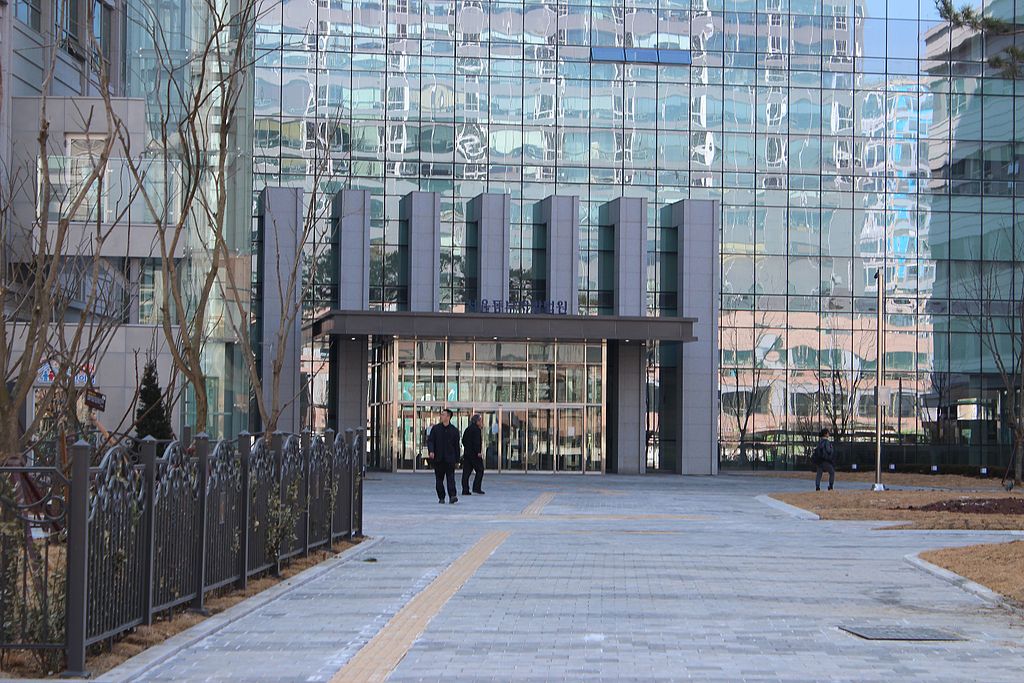
The Seoul Eastern District Court, in Seoul, South Korea.The Seoul Eastern District Court, in Seoul, South Korea. (Source: Pectus Solentis [CC BY-SA 4.0])

The defendants were identified as a college student surnamed Duong (23) and an unemployed individual surnamed Pham (also 23).

The court found both individuals guilty of violating the Special Act on Prevention of Telecommunications and Financial Fraud and Refund of Damages.

Prosecutors explained that Duong and Pham first made contact with the voice phishing scam ring in October last year.

The ring recruited both via a Telegram open chat room. The ring’s organizers told Duong and Pham that they were to receive the proceeds of voice phishing scams in Korean won.

The duo was then instructed to use this money to buy USDT, which they then sent to a crypto wallet held by a member of a voice phishing gang who was residing in Vietnam.

The ring paid both Duong and Pham commission fees of 50,000 won ($36.44) to 100,000 won ($72.88) per 10 million won ($7,288) worth of USDT they sent.

‘Hash Sentence Inevitable,’ Judge Explains

The court heard that the voice phishing ring succeeded in duping South Korea-based victims out of thousands of dollars’ worth of cash transfers.

The ring’s employees called people pretending to be credit card delivery workers, insurance company employees, National Tax Service staffers, and even public prosecutors.

They usually told potential victims that they were calling to check the safety of their bank accounts.

The ring used a range of money laundering techniques, using other accomplices from Uzbekistan and Vietnam.

The judge said that the court had not handed out a harsher sentence because neither of the defendants had criminal records in South Korea. But Lee added:

USDT-related crime is on the rise in South Korea, as the coin’s popularity in the nation continues to grow. This year has seen a sharp rise in bogus USDT-themed over-the-counter deals and related thefts.

Piyasa Fırsatı
Threshold Logosu
Threshold Fiyatı(T)
$0.006327
$0.006327$0.006327
-1.34%
USD
Threshold (T) Canlı Fiyat Grafiği
Sorumluluk Reddi: Bu sitede yeniden yayınlanan makaleler, halka açık platformlardan alınmıştır ve yalnızca bilgilendirme amaçlıdır. MEXC'nin görüşlerini yansıtmayabilir. Tüm hakları telif sahiplerine aittir. Herhangi bir içeriğin üçüncü taraf haklarını ihlal ettiğini düşünüyorsanız, kaldırılması için lütfen [email protected] ile iletişime geçin. MEXC, içeriğin doğruluğu, eksiksizliği veya güncelliği konusunda hiçbir garanti vermez ve sağlanan bilgilere dayalı olarak alınan herhangi bir eylemden sorumlu değildir. İçerik, finansal, yasal veya diğer profesyonel tavsiye niteliğinde değildir ve MEXC tarafından bir tavsiye veya onay olarak değerlendirilmemelidir.

Ayrıca Şunları da Beğenebilirsiniz

REX Shares’ Solana staking ETF sees $10M inflows, AUM tops $289M for first time

REX Shares’ Solana staking ETF sees $10M inflows, AUM tops $289M for first time

The post REX Shares’ Solana staking ETF sees $10M inflows, AUM tops $289M for first time appeared on BitcoinEthereumNews.com. Key Takeaways REX Shares’ Solana staking ETF saw $10 million in inflows in one day. Total inflows over the past three days amount to $23 million. REX Shares’ Solana staking ETF recorded $10 million in inflows yesterday, bringing total additions to $23 million over the past three days. The fund’s assets under management climbed above $289.0 million for the first time. The SSK ETF is the first U.S. exchange-traded fund focused on Solana staking. Source: https://cryptobriefing.com/rex-shares-solana-staking-etf-aum-289m/
Paylaş
BitcoinEthereumNews2025/09/18 02:34
A Netflix ‘KPop Demon Hunters’ Short Film Has Been Rated For Release

A Netflix ‘KPop Demon Hunters’ Short Film Has Been Rated For Release

The post A Netflix ‘KPop Demon Hunters’ Short Film Has Been Rated For Release appeared on BitcoinEthereumNews.com. KPop Demon Hunters Netflix Everyone has wondered what may be the next step for KPop Demon Hunters as an IP, given its record-breaking success on Netflix. Now, the answer may be something exactly no one predicted. According to a new filing with the MPA, something called Debut: A KPop Demon Hunters Story has been rated PG by the ratings body. It’s listed alongside some other films, and this is obviously something that has not been publicly announced. A short film could be well, very short, a few minutes, and likely no more than ten. Even that might be pushing it. Using say, Pixar shorts as a reference, most are between 4 and 8 minutes. The original movie is an hour and 36 minutes. The “Debut” in the title indicates some sort of flashback, perhaps to when HUNTR/X first arrived on the scene before they blew up. Previously, director Maggie Kang has commented about how there were more backstory components that were supposed to be in the film that were cut, but hinted those could be explored in a sequel. But perhaps some may be put into a short here. I very much doubt those scenes were fully produced and simply cut, but perhaps they were finished up for this short film here. When would Debut: KPop Demon Hunters theoretically arrive? I’m not sure the other films on the list are much help. Dead of Winter is out in less than two weeks. Mother Mary does not have a release date. Ne Zha 2 came out earlier this year. I’ve only seen news stories saying The Perfect Gamble was supposed to come out in Q1 2025, but I’ve seen no evidence that it actually has. KPop Demon Hunters Netflix It could be sooner rather than later as Netflix looks to capitalize…
Paylaş
BitcoinEthereumNews2025/09/18 02:23
Academic Publishing and Fairness: A Game-Theoretic Model of Peer-Review Bias

Academic Publishing and Fairness: A Game-Theoretic Model of Peer-Review Bias

Exploring how biases in the peer-review system impact researchers' choices, showing how principles of fairness relate to the production of scientific knowledge based on topic importance and hardness.
Paylaş
Hackernoon2025/09/17 23:15