

Pi Network Drops Ecosystem Token Proposal Nobody Saw Coming
Pi Core Team releases detailed ecosystem token design on Open Network’s first anniversary as a Pi Request for Comment, inviting community input via GitHub.
Pi Network marked one year since the Open Network launched. The Pi Core Team used the occasion to release something Pioneers had been waiting for. Detailed. Specific. Open for debate.
According to Pi Core Team on X, Pi has released specific details on the Ecosystem Token Design on Pi Network as a Pi Request for Comment (PRC). Pioneers are encouraged to read the full proposal on GitHub and submit feedback using issues, pull requests, or a Google Form for those without a GitHub account.
Open Network went live on February 20, 2025. That date connected Pi’s blockchain, identity-verified community, and Web3 tools to the wider world. Pi Core Team noted it was a pivotal point in the network’s history.
What This Token Design Actually Changes
The proposal does not look like other token models. All proceeds committed in Pi to acquire ecosystem tokens are not transferred to the issuing project. Instead, those funds go directly into a Liquidity Pool. Irreversibly. That part matters.
Projects also need a working app before they can issue a token through this program. No functional product means no token launch. Pi Network’s official blog post describes this as a prerequisite, not a suggestion.
The design targets a problem Pi Founders Nicolas Kokkalis and Chengdiao Fan say runs through most of Web3. Most tokens on other networks function as capital-raising tools. Products fail. Users get nothing. The Pi model ties token issuance to user acquisition instead of fundraising.
Worth reading alongside this: Trump Meme Tokens Crash: Retail Investors Lose $4.3B, Insiders Profit, a real-world example of exactly the misalignment Pi says it is fixing.
Participants who engage with a project’s product may also get favorable terms during a token launch. The exact mechanics sit in the GitHub proposal.
Community Gets the Final Say
Pi Core Team said it will review GitHub input and high-level responses from the Google Form. Not all suggestions get adopted. But the team said feedback shapes whether adjustments are appropriate and what they look like.
The construct design can also shift based on feedback from projects wanting to join the launch program. That keeps it open on both ends.
Must read: Vitalik’s Cypherpunk Layer Plan Could Change Ethereum Forever — another network betting big on a structural redesign of how Web3 tools get built.
Pi KYC also got a significant mention in the anniversary update. The network plans to offer its KYC technology as a service to Web3 and traditional businesses. No user data gets shared. But the capability, including global coverage, AI-human hybrid validation, and sanctions screening, gets offered externally.
That is a separate layer. But it connects. Identity verification sits under everything Pi is building toward real-world utility.
One Year In, the Numbers Exist
Pi Network’s infographic tied to the anniversary tracks Mainnet migrations, developer activity, app growth, and network participation. Pi Core Team did not break out specific figures in the post, but pointed Pioneers to those metrics as evidence of steady movement.
Pi App Studio, Pi Network Ventures, and DEX/AMM token creation features all dropped during the first year of Open Network. The Pi Core Team posted the anniversary video and full transcript for Pioneers to review directly. Badges and a community raffle tied to Pi Day are also coming. Details on eligibility will be announced separately.
The proposal sits on GitHub now. Pioneers can engage with it or send feedback through the Google Form. Pi Core Team made clear that the design is intentionally different from what exists elsewhere and wants the community to treat it that way.
The post Pi Network Drops Ecosystem Token Proposal Nobody Saw Coming appeared first on Live Bitcoin News.
Ayrıca Şunları da Beğenebilirsiniz

The Stunning ASEAN Winner Emerges As Manufacturing Shifts Accelerate
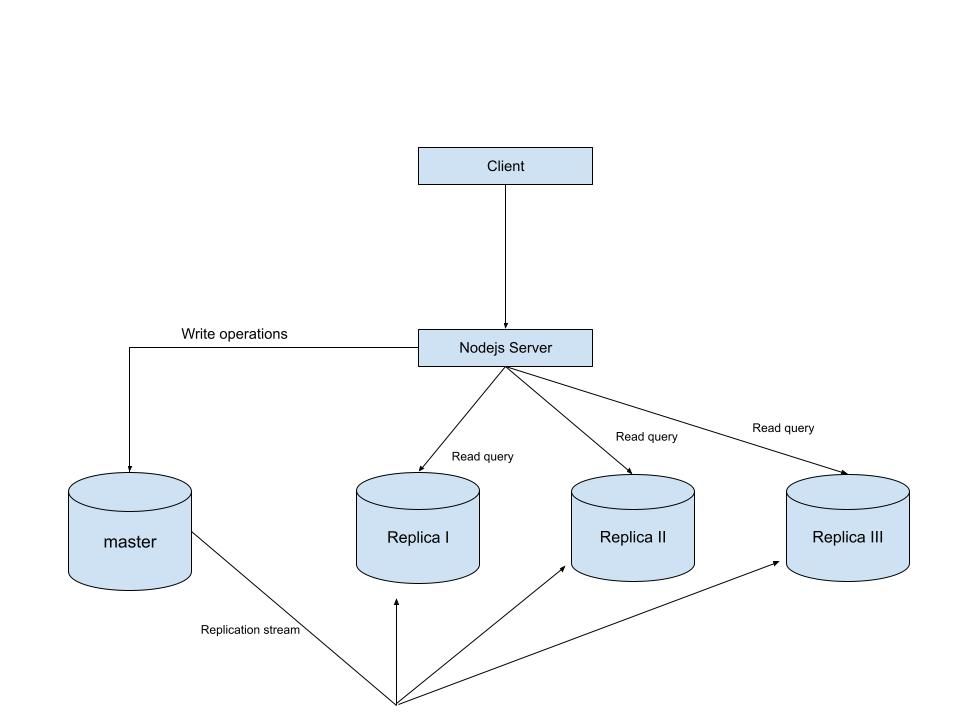
MySQL Single Leader Replication with Node.js and Docker
command: --server-id=1 --log-bin=ON The --server-id option gives each MySQL server in your replication setup its own name tag. Each one has to be unique and without it, replication won’t work at all. Another cool option not included here is binlog_format=ROW. This tells MySQL how to keep track of changes before passing them along to the replicas. By default, MySQL already uses row-based replication, but you can explicitly set it to ROW to be sure or switch it to STATEMENT if you’d rather log the actual SQL statements instead of row-by-row changes. \ Run our containers on docker Now, in the terminal, we can run the following command to spin up our database containers: docker-compose up -d \ Setting Up Our Master (Primary) Server To configure our master server, we would have to first access the running instance on docker using the following command docker exec -it mysql-master bash This command opens an interactive Bash shell inside the running Docker container named mysql-master, allowing us to run commands directly inside that container. \ Now that we’re inside the container, we can access the MySQL server and start running commands. type: mysql -uroot -p This will log you into MySQL as the root user. You’ll be prompted to enter the password you set in your docker-compose.yml file. \ Next, we need to create a special user that our replicas will use to connect to the master server and pull data. Inside the MySQL prompt, run the following commands: \ CREATE USER 'repl_user'@'%' IDENTIFIED BY 'replication_pass'; GRANT REPLICATION SLAVE ON . TO 'repl_user'@'%'; FLUSH PRIVILEGES; Here’s what’s happening: CREATE USER makes a new MySQL user called repl_user with the password replication_pass. GRANT REPLICATION SLAVE gives this user permission to act as a replication client. FLUSH PRIVILEGES tells MySQL to reload the user permissions so they take effect immediately. \ Time to Configure the Replica (Secondary) Servers a. First, let’s access the replica containers the same way we did with the master. Run this command in your terminal for each of the replica containers: \ docker exec -it <replica_container_name> bash mysql -uroot -p <replica_container_name> should be replace with the name of the replica container you are trying to setup b. Now it’s time to tell our replica where to get its data from. While inside the replica’s MySQL shell, run the following command to configure replication using the master’s details: CHANGE REPLICATION SOURCE TO SOURCE_HOST='mysql-master', SOURCE_USER='repl_user', SOURCE_PASSWORD='replication_pass', GET_SOURCE_PUBLIC_KEY=1; With the replication settings in place, let’s fire up the replica and get it syncing with the master. Still inside the MySQL shell on the replica, run: START REPLICA; This starts the replication process. To make sure everything is working, check the replica’s status with:
SHOW REPLICA STATUS\G; Look for Replica_IO_Running and Replica_SQL_Running — if both say Yes, congratulations! 🎉 Your replica is now successfully connected to the master and replicating data in real time.
Testing Our Replication Setup from the Node.js App Now that our replication is successfully set up, we can configure our Node.js server to observe the real-time effect of data being replicated from the master server to the replica server whenever we write to it. We start by installing the following dependencies:
npm i express mysql2 sequelize \ Now create a folder called src in the root directory and add the following files inside that folder connection.js, index.js and model.js. Our current directory should look like this We can now set up our connections to our master and replica server in the connection.js file as shown below
const Sequelize = require("sequelize"); const sequelize = new Sequelize({ dialect: "mysql", replication: { write: { host: "127.0.0.1", username: "root", password: "master", database: "replicaDb", }, read: [ { host: "127.0.0.1", username: "root", password: "slave", database: "replicaDb", port: 3307 }, { host: "127.0.0.1", username: "root", password: "slave", database: "replicaDb", port: 3308 }, { host: "127.0.0.1", username: "root", password: "slave", database: "replicaDb", port: 3309 }, ], }, }); async function connectdb() { try { await sequelize.authenticate(); } catch (error) { console.error("❌ unable to connect to the follower database", error); } } connectdb(); module.exports = { sequelize, }; \ We can now create a User table in the model.js file
const {DataTypes} = require("sequelize"); const { sequelize } = require("./connection"); const User = sequelize.define("User", { name: { type: DataTypes.STRING, allowNull: false, }, email: { type: DataTypes.STRING, unique: true, allowNull: false, }, }); module.exports = User \ and finally in our index.js file we can start our server and listen for connections on port 3000. from the code sample below, all inserts or updates will be routed by sequelize to the master server. while all read queries will be routed to the read replicas.
const express = require("express"); const { sequelize } = require("./connection"); const User = require("./model"); const app = express(); app.use(express.json()); async function main() { await sequelize.sync({ alter: true }); app.get("/", (req, res) => { res.status(200).json({ message: "first step to setting server up", }); }); app.post("/user", async (req, res) => { const { email, name } = req.body; let newUser = await User.build({ name, email, }); // This INSERT will go to the write (master) connection newUser = newUser.save({ returning: false }); res.status(201).json({ message: "User successfully created", }); }); app.get("/user", async (req, res) => { // This SELECT query will go to one of the read replicas const users = await User.findAll(); res.status(200).json(users); }); app.listen(3000, () => { console.log("server has connected"); }); } main(); When you make a POST request to the /users endpoint, take a moment to check both the master and replica servers to observe how data is replicated in real time. Right now, we are relying on Sequelize to automatically route requests, which works for development but isn’t robust enough for a production environment. In particular, if the master node goes down, Sequelize cannot automatically redirect requests to a newly elected leader. In the next part of this series, we’ll explore strategies to handle these challenges
