BitcoinWorld Phishing Scam Stuns Hacker: $48M in Stolen UXLINK Lost! In a truly astonishing turn of events, the cryptocurrency world recently witnessed an unexpected twist in a major exploit. The very hacker responsible for siphoning off UXLINK tokens has reportedly fallen victim to a sophisticated phishing scam, losing a staggering $48 million of the stolen assets. This incident serves as a powerful reminder that even those who perpetrate digital crimes are not immune to the pervasive threat of a well-executed phishing scam. The Hacker’s Costly Blunder: A Phishing Scam Strikes Back The saga began when a hacker successfully exploited UXLINK, acquiring a significant amount of tokens. Following the initial exploit, the hacker swiftly moved to liquidate some of the ill-gotten gains. Approximately three hours before this latest development, the perpetrator swapped 2.49 billion UXLINK tokens for 6,732 ETH, valued at $28.1 million, across various decentralized exchanges (DEXs). However, the hacker’s success was short-lived. According to a report by blockchain analytics firm Lookonchain, 542 million of the remaining stolen UXLINK tokens, amounting to $48 million, were subsequently lost to a clever phishing scam. This dramatic reversal underscores the ever-present dangers in the crypto space, affecting even those on the wrong side of the law. What Exactly is a Crypto Phishing Scam? Many might wonder how a hacker, presumably skilled in navigating complex digital environments, could fall for such a trap. A phishing scam, at its core, involves deceptive tactics designed to trick individuals into revealing sensitive information or authorizing malicious transactions. In the crypto world, these scams often manifest as: Fake Websites: Impersonating legitimate platforms like exchanges or wallet providers. Malicious Links: Embedded in emails, social media, or messaging apps, leading to fraudulent sites. Imposter Accounts: Posing as support staff or project teams to gain trust. The goal is to lure victims into inadvertently giving up their private keys, seed phrases, or signing off on transactions that transfer their assets to the scammer’s control. Even seasoned individuals, including hackers, can be caught off guard by highly convincing and targeted phishing scam attempts. Lessons Learned: How to Avoid Phishing Scams This incident offers crucial lessons for everyone involved in cryptocurrency, from casual users to seasoned investors. Protecting your digital assets from a phishing scam requires constant vigilance and adherence to best practices. Here are some actionable insights: Verify URLs Meticulously: Always double-check the website address. Bookmark official sites and avoid clicking on links from untrusted sources. Enable Two-Factor Authentication (2FA): This adds an extra layer of security to your accounts. Use Hardware Wallets: For significant holdings, hardware wallets offer superior protection by keeping your private keys offline. Be Wary of Unsolicited Messages: Treat any unexpected emails, DMs, or pop-ups asking for personal information or transaction approvals with extreme suspicion. Double-Check Transaction Details: Before confirming any transaction, review the recipient address and amount carefully. Scammers can sometimes subtly alter these details. Educate Yourself Continuously: Stay informed about the latest scam techniques and security vulnerabilities. The irony of a hacker losing funds to a phishing scam highlights that no one is truly immune to these threats. The Broader Impact of Phishing Scams on Crypto Security This event, while unusual in its victim, underscores a persistent challenge within the broader cryptocurrency ecosystem: security. The prevalence of a phishing scam continues to pose a significant threat to user funds and the reputation of legitimate projects. It reinforces the need for: Robust Security Practices: Both individuals and platforms must prioritize strong security measures. Community Education: Continuous efforts are needed to inform users about potential dangers. Advanced Threat Detection: Tools and services that can identify and warn against malicious activities are becoming increasingly vital. Ultimately, the digital landscape demands constant vigilance. This incident serves as a stark reminder that even those who navigate the shadows of the internet can fall prey to the very deception they often employ. The tale of the UXLINK hacker losing millions to a phishing scam is more than just an interesting headline; it’s a critical cautionary tale. It emphasizes that in the volatile world of cryptocurrency, security is paramount for everyone. Whether you are safeguarding your investments or, in this peculiar case, stolen assets, understanding and actively defending against threats like a phishing scam is absolutely essential. Stay alert, stay secure, and never underestimate the cunning of digital fraudsters. Frequently Asked Questions (FAQs) Q1: What is a phishing scam in the context of cryptocurrency? A: A crypto phishing scam is a fraudulent attempt to trick individuals into revealing sensitive information, like private keys or wallet passwords, or authorizing malicious transactions by impersonating legitimate entities such as exchanges, wallet providers, or project teams. Q2: How did the UXLINK hacker lose funds to a phishing scam? A: While the exact method isn’t fully detailed, the hacker likely interacted with a deceptive link, signed a malicious transaction, or entered credentials on a fake website, leading to the transfer of 542 million stolen UXLINK tokens to the scammer’s control. Q3: Can sophisticated users or even hackers fall for a phishing scam? A: Yes, absolutely. Phishing scam techniques are constantly evolving and can be highly sophisticated and targeted. Even experienced individuals can make mistakes or be caught off guard by convincing impersonations. Q4: What are the most important steps to protect myself from a crypto phishing scam? A: Always verify URLs, use hardware wallets for significant assets, enable 2FA, be suspicious of unsolicited communications, and double-check all transaction details before confirming them. Education on current scam tactics is also crucial. Did you find this story as astonishing as we did? Share this article on your social media to help raise awareness about the pervasive threat of phishing scams in the crypto space! To learn more about the latest crypto market trends, explore our article on key developments shaping Bitcoin price action. This post Phishing Scam Stuns Hacker: $48M in Stolen UXLINK Lost! first appeared on BitcoinWorld.BitcoinWorld Phishing Scam Stuns Hacker: $48M in Stolen UXLINK Lost! In a truly astonishing turn of events, the cryptocurrency world recently witnessed an unexpected twist in a major exploit. The very hacker responsible for siphoning off UXLINK tokens has reportedly fallen victim to a sophisticated phishing scam, losing a staggering $48 million of the stolen assets. This incident serves as a powerful reminder that even those who perpetrate digital crimes are not immune to the pervasive threat of a well-executed phishing scam. The Hacker’s Costly Blunder: A Phishing Scam Strikes Back The saga began when a hacker successfully exploited UXLINK, acquiring a significant amount of tokens. Following the initial exploit, the hacker swiftly moved to liquidate some of the ill-gotten gains. Approximately three hours before this latest development, the perpetrator swapped 2.49 billion UXLINK tokens for 6,732 ETH, valued at $28.1 million, across various decentralized exchanges (DEXs). However, the hacker’s success was short-lived. According to a report by blockchain analytics firm Lookonchain, 542 million of the remaining stolen UXLINK tokens, amounting to $48 million, were subsequently lost to a clever phishing scam. This dramatic reversal underscores the ever-present dangers in the crypto space, affecting even those on the wrong side of the law. What Exactly is a Crypto Phishing Scam? Many might wonder how a hacker, presumably skilled in navigating complex digital environments, could fall for such a trap. A phishing scam, at its core, involves deceptive tactics designed to trick individuals into revealing sensitive information or authorizing malicious transactions. In the crypto world, these scams often manifest as: Fake Websites: Impersonating legitimate platforms like exchanges or wallet providers. Malicious Links: Embedded in emails, social media, or messaging apps, leading to fraudulent sites. Imposter Accounts: Posing as support staff or project teams to gain trust. The goal is to lure victims into inadvertently giving up their private keys, seed phrases, or signing off on transactions that transfer their assets to the scammer’s control. Even seasoned individuals, including hackers, can be caught off guard by highly convincing and targeted phishing scam attempts. Lessons Learned: How to Avoid Phishing Scams This incident offers crucial lessons for everyone involved in cryptocurrency, from casual users to seasoned investors. Protecting your digital assets from a phishing scam requires constant vigilance and adherence to best practices. Here are some actionable insights: Verify URLs Meticulously: Always double-check the website address. Bookmark official sites and avoid clicking on links from untrusted sources. Enable Two-Factor Authentication (2FA): This adds an extra layer of security to your accounts. Use Hardware Wallets: For significant holdings, hardware wallets offer superior protection by keeping your private keys offline. Be Wary of Unsolicited Messages: Treat any unexpected emails, DMs, or pop-ups asking for personal information or transaction approvals with extreme suspicion. Double-Check Transaction Details: Before confirming any transaction, review the recipient address and amount carefully. Scammers can sometimes subtly alter these details. Educate Yourself Continuously: Stay informed about the latest scam techniques and security vulnerabilities. The irony of a hacker losing funds to a phishing scam highlights that no one is truly immune to these threats. The Broader Impact of Phishing Scams on Crypto Security This event, while unusual in its victim, underscores a persistent challenge within the broader cryptocurrency ecosystem: security. The prevalence of a phishing scam continues to pose a significant threat to user funds and the reputation of legitimate projects. It reinforces the need for: Robust Security Practices: Both individuals and platforms must prioritize strong security measures. Community Education: Continuous efforts are needed to inform users about potential dangers. Advanced Threat Detection: Tools and services that can identify and warn against malicious activities are becoming increasingly vital. Ultimately, the digital landscape demands constant vigilance. This incident serves as a stark reminder that even those who navigate the shadows of the internet can fall prey to the very deception they often employ. The tale of the UXLINK hacker losing millions to a phishing scam is more than just an interesting headline; it’s a critical cautionary tale. It emphasizes that in the volatile world of cryptocurrency, security is paramount for everyone. Whether you are safeguarding your investments or, in this peculiar case, stolen assets, understanding and actively defending against threats like a phishing scam is absolutely essential. Stay alert, stay secure, and never underestimate the cunning of digital fraudsters. Frequently Asked Questions (FAQs) Q1: What is a phishing scam in the context of cryptocurrency? A: A crypto phishing scam is a fraudulent attempt to trick individuals into revealing sensitive information, like private keys or wallet passwords, or authorizing malicious transactions by impersonating legitimate entities such as exchanges, wallet providers, or project teams. Q2: How did the UXLINK hacker lose funds to a phishing scam? A: While the exact method isn’t fully detailed, the hacker likely interacted with a deceptive link, signed a malicious transaction, or entered credentials on a fake website, leading to the transfer of 542 million stolen UXLINK tokens to the scammer’s control. Q3: Can sophisticated users or even hackers fall for a phishing scam? A: Yes, absolutely. Phishing scam techniques are constantly evolving and can be highly sophisticated and targeted. Even experienced individuals can make mistakes or be caught off guard by convincing impersonations. Q4: What are the most important steps to protect myself from a crypto phishing scam? A: Always verify URLs, use hardware wallets for significant assets, enable 2FA, be suspicious of unsolicited communications, and double-check all transaction details before confirming them. Education on current scam tactics is also crucial. Did you find this story as astonishing as we did? Share this article on your social media to help raise awareness about the pervasive threat of phishing scams in the crypto space! To learn more about the latest crypto market trends, explore our article on key developments shaping Bitcoin price action. This post Phishing Scam Stuns Hacker: $48M in Stolen UXLINK Lost! first appeared on BitcoinWorld.

Phishing Scam Stuns Hacker: $48M in Stolen UXLINK Lost!

2025/09/23 14:25

BitcoinWorld

Phishing Scam Stuns Hacker: $48M in Stolen UXLINK Lost!

In a truly astonishing turn of events, the cryptocurrency world recently witnessed an unexpected twist in a major exploit. The very hacker responsible for siphoning off UXLINK tokens has reportedly fallen victim to a sophisticated phishing scam, losing a staggering $48 million of the stolen assets. This incident serves as a powerful reminder that even those who perpetrate digital crimes are not immune to the pervasive threat of a well-executed phishing scam.

The Hacker’s Costly Blunder: A Phishing Scam Strikes Back

The saga began when a hacker successfully exploited UXLINK, acquiring a significant amount of tokens. Following the initial exploit, the hacker swiftly moved to liquidate some of the ill-gotten gains. Approximately three hours before this latest development, the perpetrator swapped 2.49 billion UXLINK tokens for 6,732 ETH, valued at $28.1 million, across various decentralized exchanges (DEXs).

However, the hacker’s success was short-lived. According to a report by blockchain analytics firm Lookonchain, 542 million of the remaining stolen UXLINK tokens, amounting to $48 million, were subsequently lost to a clever phishing scam. This dramatic reversal underscores the ever-present dangers in the crypto space, affecting even those on the wrong side of the law.

What Exactly is a Crypto Phishing Scam?

Many might wonder how a hacker, presumably skilled in navigating complex digital environments, could fall for such a trap. A phishing scam, at its core, involves deceptive tactics designed to trick individuals into revealing sensitive information or authorizing malicious transactions. In the crypto world, these scams often manifest as:

  • Fake Websites: Impersonating legitimate platforms like exchanges or wallet providers.
  • Malicious Links: Embedded in emails, social media, or messaging apps, leading to fraudulent sites.
  • Imposter Accounts: Posing as support staff or project teams to gain trust.

The goal is to lure victims into inadvertently giving up their private keys, seed phrases, or signing off on transactions that transfer their assets to the scammer’s control. Even seasoned individuals, including hackers, can be caught off guard by highly convincing and targeted phishing scam attempts.

Lessons Learned: How to Avoid Phishing Scams

This incident offers crucial lessons for everyone involved in cryptocurrency, from casual users to seasoned investors. Protecting your digital assets from a phishing scam requires constant vigilance and adherence to best practices. Here are some actionable insights:

  • Verify URLs Meticulously: Always double-check the website address. Bookmark official sites and avoid clicking on links from untrusted sources.
  • Enable Two-Factor Authentication (2FA): This adds an extra layer of security to your accounts.
  • Use Hardware Wallets: For significant holdings, hardware wallets offer superior protection by keeping your private keys offline.
  • Be Wary of Unsolicited Messages: Treat any unexpected emails, DMs, or pop-ups asking for personal information or transaction approvals with extreme suspicion.
  • Double-Check Transaction Details: Before confirming any transaction, review the recipient address and amount carefully. Scammers can sometimes subtly alter these details.
  • Educate Yourself Continuously: Stay informed about the latest scam techniques and security vulnerabilities.

The irony of a hacker losing funds to a phishing scam highlights that no one is truly immune to these threats.

The Broader Impact of Phishing Scams on Crypto Security

This event, while unusual in its victim, underscores a persistent challenge within the broader cryptocurrency ecosystem: security. The prevalence of a phishing scam continues to pose a significant threat to user funds and the reputation of legitimate projects. It reinforces the need for:

  • Robust Security Practices: Both individuals and platforms must prioritize strong security measures.
  • Community Education: Continuous efforts are needed to inform users about potential dangers.
  • Advanced Threat Detection: Tools and services that can identify and warn against malicious activities are becoming increasingly vital.

Ultimately, the digital landscape demands constant vigilance. This incident serves as a stark reminder that even those who navigate the shadows of the internet can fall prey to the very deception they often employ.

The tale of the UXLINK hacker losing millions to a phishing scam is more than just an interesting headline; it’s a critical cautionary tale. It emphasizes that in the volatile world of cryptocurrency, security is paramount for everyone. Whether you are safeguarding your investments or, in this peculiar case, stolen assets, understanding and actively defending against threats like a phishing scam is absolutely essential. Stay alert, stay secure, and never underestimate the cunning of digital fraudsters.

Frequently Asked Questions (FAQs)

Q1: What is a phishing scam in the context of cryptocurrency?
A: A crypto phishing scam is a fraudulent attempt to trick individuals into revealing sensitive information, like private keys or wallet passwords, or authorizing malicious transactions by impersonating legitimate entities such as exchanges, wallet providers, or project teams.

Q2: How did the UXLINK hacker lose funds to a phishing scam?
A: While the exact method isn’t fully detailed, the hacker likely interacted with a deceptive link, signed a malicious transaction, or entered credentials on a fake website, leading to the transfer of 542 million stolen UXLINK tokens to the scammer’s control.

Q3: Can sophisticated users or even hackers fall for a phishing scam?
A: Yes, absolutely. Phishing scam techniques are constantly evolving and can be highly sophisticated and targeted. Even experienced individuals can make mistakes or be caught off guard by convincing impersonations.

Q4: What are the most important steps to protect myself from a crypto phishing scam?
A: Always verify URLs, use hardware wallets for significant assets, enable 2FA, be suspicious of unsolicited communications, and double-check all transaction details before confirming them. Education on current scam tactics is also crucial.

Did you find this story as astonishing as we did? Share this article on your social media to help raise awareness about the pervasive threat of phishing scams in the crypto space!

To learn more about the latest crypto market trends, explore our article on key developments shaping Bitcoin price action.

This post Phishing Scam Stuns Hacker: $48M in Stolen UXLINK Lost! first appeared on BitcoinWorld.

Piyasa Fırsatı
Threshold Logosu
Threshold Fiyatı(T)
$0,009362
$0,009362$0,009362
-0,15%
USD
Threshold (T) Canlı Fiyat Grafiği
Sorumluluk Reddi: Bu sitede yeniden yayınlanan makaleler, halka açık platformlardan alınmıştır ve yalnızca bilgilendirme amaçlıdır. MEXC'nin görüşlerini yansıtmayabilir. Tüm hakları telif sahiplerine aittir. Herhangi bir içeriğin üçüncü taraf haklarını ihlal ettiğini düşünüyorsanız, kaldırılması için lütfen [email protected] ile iletişime geçin. MEXC, içeriğin doğruluğu, eksiksizliği veya güncelliği konusunda hiçbir garanti vermez ve sağlanan bilgilere dayalı olarak alınan herhangi bir eylemden sorumlu değildir. İçerik, finansal, yasal veya diğer profesyonel tavsiye niteliğinde değildir ve MEXC tarafından bir tavsiye veya onay olarak değerlendirilmemelidir.

Ayrıca Şunları da Beğenebilirsiniz

5 Best Crypto Investments for Small Budgets: Why Ozak Al at $0.012 Is the Hottest Pick Under $0.01
5 Best Crypto Investments for Small Budgets: Why Ozak Al at $0.012 Is the Hottest Pick Under $0.01

Ozak AI is another innovative AI-based crypto project that is rocking the market with the combination of AI and a DePIN (Decentralized Physical Infrastructure Network).
Paylaş
Cryptodaily2025/09/20 20:17
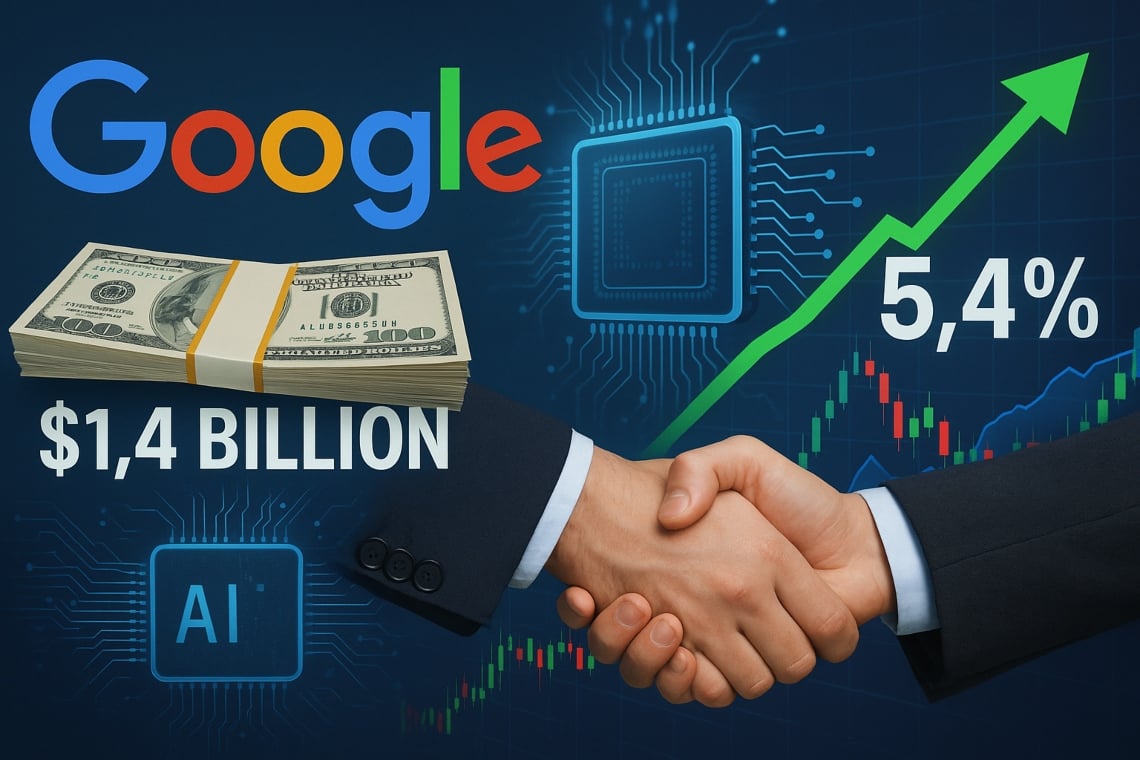
Google puts 1.4 billion as collateral: 5.4% pro forma in Cipher

Google puts 1.4 billion as collateral: 5.4% pro forma in Cipher

Big Tech raises the stakes on HPC for AI: Google has provided a $1.4 billion guarantee on Fluidstack bonds.
Paylaş
The Cryptonomist2025/09/25 23:32
Justin Bieber’s First No. 1 Single Turns 10

Justin Bieber’s First No. 1 Single Turns 10

The post Justin Bieber’s First No. 1 Single Turns 10 appeared on BitcoinEthereumNews.com. Justin Bieber earned his first No. 1 on the Hot 100 in 2015 with “What Do You Mean?,” a song that marked his transition into mature pop sounds. NEW YORK, NY – MAY 04: Singer Justin Bieber attends the ‘China: Through The Looking Glass’ Costume Institute Benefit Gala at the Metropolitan Museum of Art on May 4, 2015 in New York City. (Photo by Dimitrios Kambouris/Getty Images) Getty Images Justin Bieber’s music career was essentially nonexistent for several years, and fans were beginning to wonder when they’d get to hear from the pop star again — until, out of nowhere, he revealed his new album Swag would drop in just a few hours. The full-length, which blended pop and R&B, arrived shortly thereafter in mid-July, and it brought him back to the highest reaches of several Billboard charts this summer. More recently, Bieber delivered a second installment, titled, appropriately, Swag II, which is counted together with Swag for charting purposes in the United States As he celebrates songs from Swag II and the continued success of multiple tracks from the first edition, his first leader on the Hot 100 turns 10. “What Do You Mean?” Debuted at No. 1 “What Do You Mean?” debuted at No. 1 a decade ago, opening atop the Hot 100 on the chart dated September 19, 2015. The cut was not only Bieber’s first to start in first place, but — amazingly — his first ruler on the most competitive songs ranking in America. Justin Bieber Was a Superstar Without a No. 1 By the time “What Do You Mean?” arrived, Bieber was already one of the biggest pop stars on the planet. He’d racked up multiple hits in America, but he had never managed to lead the Hot 100. The Canadian musician had come…
Paylaş
BitcoinEthereumNews2025/09/19 23:07