What Is OSOR Coin? Official Saudi Oil Reserve Explained
OSOR is built around one of the strongest combinations in commodity branding: Saudi, oil, reserve, official.
That is why traders notice it so quickly.
The name sounds like tokenized exposure to one of the world's most important energy markets. It suggests sovereign scale, hydrocarbon reserves, audits, custody, and real-world-asset infrastructure. For a small crypto token, that is a powerful costume.
But the question is not whether OSOR sounds serious. It does.
The question is whether the serious language is backed by serious proof.
Public sources do not show verified endorsement from the Saudi government, Saudi Aramco, or a recognized Saudi oil-reserve authority. MEXC Learn has also highlighted contract-address confusion around OSOR, with different public pages pointing to different Solana addresses. That makes OSOR less like a clean commodity-backed product and more like a speculative narrative token that traders need to check carefully.
This article is for informational purposes only and is not financial advice.
What Is OSOR Coin?
OSOR is commonly expanded as Official Saudi Oil Reserve. It is discussed as a Solana-based token tied to oil-reserve, sovereign-asset, and real-world-asset narratives.
The appeal is easy to understand. Saudi Arabia is globally associated with oil production. Oil reserves are real macro assets. Tokenization is a major crypto theme. OSOR combines all of that into a ticker that feels official before a trader reads a single document.
That is also why the token is risky.
In crypto, a token can use official-sounding language without being official. A website can reference reserves without proving legal ownership. A ticker can trend before anyone verifies the contract.
OSOR should be treated as a speculative token unless traders can verify the specific contract, liquidity, claims, and supporting documents.
OSOR Coin at a Glance
| Item | What Traders Should Know |
|---|---|
| Token | OSOR |
| Common name | Official Saudi Oil Reserve |
| Chain narrative | Solana oil-reserve and RWA-style token |
| Main hook | Saudi oil branding plus "official reserve" language |
| Key concern | No verified public proof of Saudi government or Aramco endorsement |
| Contract risk | Public pages may show different OSOR-related contract addresses |
| What to verify | Contract address, liquidity, pool age, holder concentration, audits, custody claims |
| Trading frame | High-risk narrative trade, not confirmed Saudi oil exposure |
Is OSOR Backed by Saudi Oil?
There is no reliable public evidence that OSOR is backed by Saudi oil reserves, endorsed by Saudi authorities, or affiliated with Saudi Aramco.
That point matters because OSOR's name is not neutral. "Official Saudi Oil Reserve" sounds like a state-linked asset. If that were true, traders should expect primary-source confirmation, legal documentation, verified reserve reports, custody details, audit reports, and clear holder rights.
Without those documents, OSOR should not be described as confirmed oil exposure.
The token may still trade actively. A speculative market can buy the story without waiting for proof. But traders should not confuse a strong commodity narrative with actual claim rights over oil, cash flows, or reserve assets.
Why Is OSOR Coin Getting Attention?
OSOR is getting attention because it sits where several hot themes overlap.
First, oil is easy to understand. Traders do not need a technical background to grasp why oil-linked language feels important.
Second, Saudi branding carries macro weight. It brings energy markets, OPEC, sovereign reserves, and geopolitical supply into the imagination of the trade.
Third, real-world-asset tokenization has trained traders to look for assets that connect crypto rails with off-chain value.
OSOR uses all three ideas. That gives it a strong narrative surface. The risk is that the surface can look more institutional than the underlying market structure.
The OSOR Contract Address Problem
For OSOR, the contract address may be more important than the name.
MEXC Learn has noted that different public pages have pointed to different OSOR-related Solana addresses. That kind of inconsistency is a serious issue for traders. If multiple addresses are circulating, two people talking about "OSOR" may not be looking at the same asset.
This is how mistakes happen in low-cap crypto.
A trader sees the ticker, finds a chart, buys the wrong pool, and only later realizes the contract does not match the token being discussed elsewhere. Similar names and copycat contracts can create real losses.
Before interacting with OSOR, compare the contract address across project links, Solana explorers, DEX chart tools, and any exchange or data page you trust. If the addresses do not match, pause.
The ticker is not enough.
OSOR Coin Price: What Should Traders Check?
The headline OSOR price can be misleading if traders ignore market structure.
For a token like OSOR, the more important checks are:
- Liquidity: Is there enough depth for real exits, or can small trades move the chart?
- Volume: Is trading activity sustained, or only a short attention spike?
- Pool age: Is the market new enough to carry launch-phase instability?
- Holder concentration: Are a few wallets able to dominate supply?
- Contract identity: Does the chart match the correct OSOR address?
- Claim quality: Are reserve, audit, custody, or official-backing statements independently verifiable?
Live numbers can change quickly. Traders can use MEXC market pages to compare broader crypto conditions and volatility, but OSOR-specific decisions should always start with the exact live pair and verified contract.
OSOR vs USOR: What Is the Difference?
OSOR and USOR use similar logic.
OSOR leans into Saudi oil branding. USOR leans into U.S. oil reserve language. Both names point toward real-world oil systems that already exist in traders' minds. That makes both tickers easy to understand and easy to spread.
But a country-coded name does not create country backing.
The useful comparison is not which token sounds more official. The useful comparison is which one has clearer contract data, stronger liquidity, more transparent claims, fewer duplicate addresses, and better evidence for anything it says about reserves.
Until that evidence exists, both should be treated as narrative trades rather than commodity-backed assets.
Is OSOR Coin Legit or a Scam?
The answer depends on how OSOR is presented and what can be verified.
If OSOR is framed as a speculative oil-reserve narrative token, traders can evaluate it as a high-risk market bet. If it is promoted as an official Saudi oil-backed asset without primary-source proof, that is a major red flag.
The word "official" raises the burden of proof. It does not lower it.
Traders should be skeptical of any claim that suggests Saudi government involvement, Aramco affiliation, reserve collateral, or audited backing unless the claim is supported by documents from credible primary sources.
How Traders Can Research OSOR Before Trading
Start with the contract address. Then check liquidity and volume. Then read the claims.
That order matters. A polished website is not helpful if the chart points to a different contract. A big percentage move is not helpful if liquidity is too thin to exit. A reserve claim is not helpful if there is no audit, custody proof, or legal structure.
MEXC users can use MEXC Learn to understand crypto risks and MEXC market pages to compare wider market conditions. If OSOR or any related token appears on an exchange or data page, verify the exact pair, the contract details where available, and whether trading is supported in your region.
Do not trade OSOR only because it sounds like Saudi oil exposure. Trade only after checking what the token actually is.
FAQ
1. What is OSOR coin?
OSOR is commonly described as Official Saudi Oil Reserve, a Solana-based token tied to oil-reserve and real-world-asset narratives.
2. Is OSOR backed by Saudi Arabia?
Public sources do not show verified Saudi government or Saudi Aramco endorsement. Traders should not assume official backing from the name.
3. Is OSOR backed by oil reserves?
There is no reliable public proof of verified physical oil reserves, custody, audits, redemption rights, or legal claim rights for OSOR holders.
4. Why is the OSOR contract address important?
Because public pages may point to different OSOR-related Solana addresses. Traders must verify the exact contract before interacting with any pool or token.
5. Can I buy OSOR on MEXC?
Availability can change by region and market. Check MEXC directly for live listings and trading pairs, and verify token details before placing any trade.
Risk Warning
OSOR is a speculative crypto asset tied to an oil-reserve narrative. Key risks include thin liquidity, high volatility, copycat contracts, contract-address confusion, holder concentration, unverified reserve claims, unclear custody or audit disclosures, smart contract risk, custodial risk on third-party platforms, regulatory uncertainty, and misleading official-sounding branding.
Do not assume OSOR is backed by Saudi Arabia, Saudi Aramco, physical oil, or any sovereign reserve without primary-source proof. Do not buy only because the ticker or name sounds official. If using leverage, remember that low-liquidity tokens can move sharply enough to cause rapid liquidation.
OSOR may be a tradable narrative, but it is not confirmed Saudi oil exposure. Verify the contract first. Treat the name as marketing until the evidence says otherwise.

Artikel Populer
Lihat Selengkapnya
Pesaing Oura: Samsung, Apple, dan Pasar Smart Ring
Menurut prospektus IPO-nya, pesaing Oura terbagi dalam tiga kelompok: pembuat jam tangan pintar seperti Apple, Google, dan Samsung; perangkat wearable kebugaran seperti Garmin, Coros, dan Whoop; serta
Apakah Oura Menguntungkan? Pendapatan, Model Bisnis, dan Valuasi
Ya, Oura menguntungkan berdasarkan laba bersih. Prospektus IPO-nya menunjukkan laba bersih sebesar $60,8 juta dari pendapatan $1,21 miliar dalam sembilan bulan hingga 30 Juni 2026. Kerugian $924,3 jut
Review Bitget 2026: Skor 3,8 dari 5, Copy Trading Paling Lengkap, dan Tiga Tanggal Penting Keluarnya Bitget dari Jepang
Per 25 September 2026, Bitget meraih skor 3,8 dari 5 pada penilaian enam dimensi kami: unggul di derivatif, mendapat skor sementara 3,5 untuk keamanan setelah insiden hot wallet senilai sekitar US$351
Berita yang Sedang Tren
Lihat Selengkapnya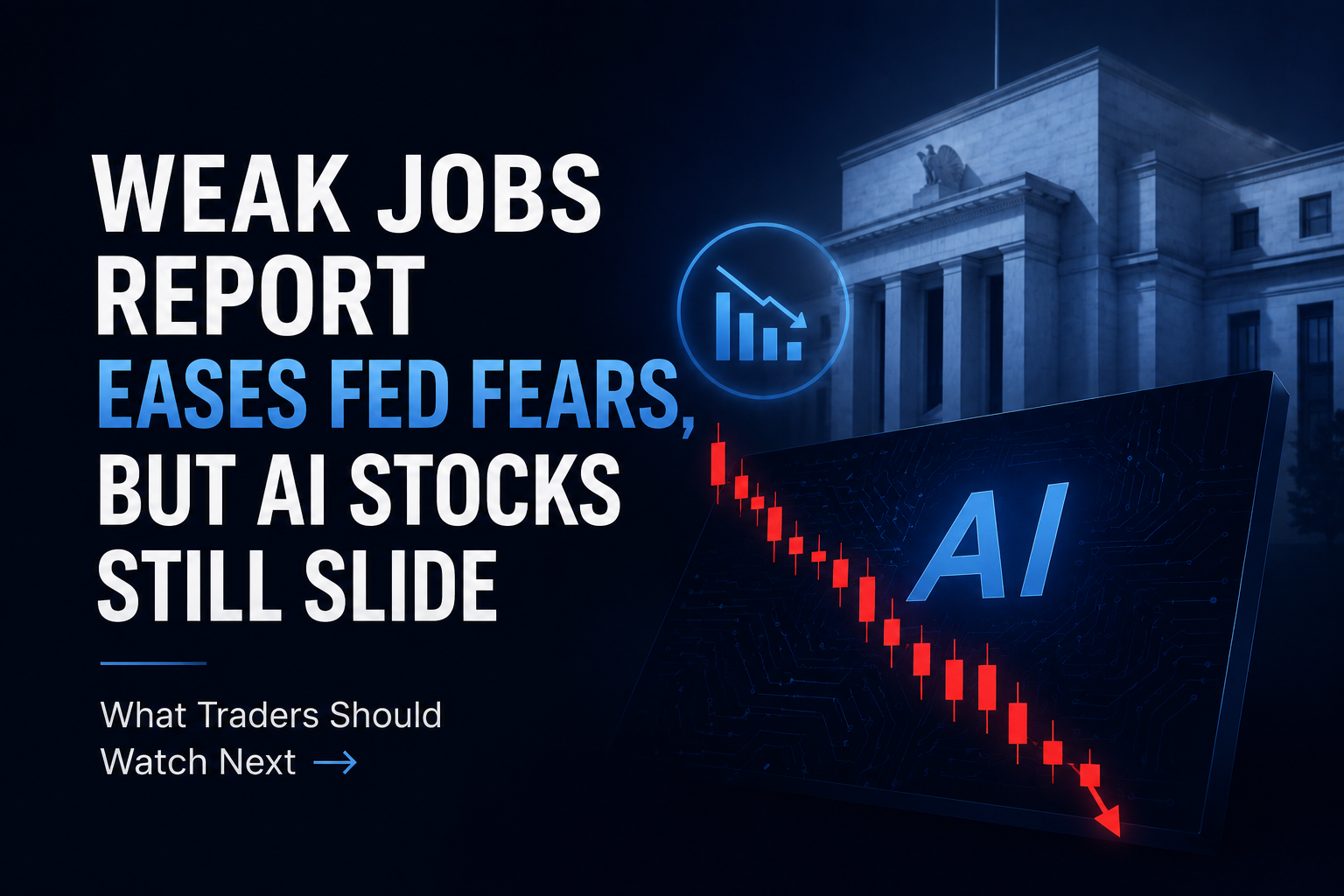
Laporan Pekerjaan yang Lemah Meredakan Kekhawatiran Fed, Tetapi Saham AI Tetap Turun: Apa yang Harus Diperhatikan Trader Selanjutnya
Laporan pekerjaan AS bulan Juni mengisyaratkan perlambatan ekonomi yang jelas, meleset dari ekspektasi dan menurunkan kekhawatiran kenaikan suku bunga Federal Reserve. Meskipun imbal hasil Treasury le

Indonesia Blokir Akses Polymarket setelah Diklasifikasikan sebagai Judi Online
Indonesia memblokir akses ke Polymarket setelah Komdigi mengklasifikasikan kontrak prediksinya sebagai judi online dan menelusuri akun terkait.

Artikel Terkait
Lihat Selengkapnya
Perkiraan USDJPY Setelah Lonjakan Yen 30 Juli 2026: Mengapa Dolar Turun dan Apa Selanjutnya
USDJPY mengalami pembalikan yang sangat tajam dan tidak biasa pada malam 30 Juli 2026, waktu Hong Kong. Dolar AS turun hingga 3% terhadap yen Jepang, sempat mendorong USDJPY turun ke sekitar 158,34 se
Arus Aset Cerdas Kripto ke MEXC: Apa yang Diungkapkan Arus Masuk Bersih 24 Jam dan 7 Hari
RingkasanDi pasar mata uang kripto, modal sering bergerak menuju platform yang menawarkan likuiditas kompetitif, cakupan aset yang luas, infrastruktur perdagangan yang efisien, dan informasi cadangan
Saham AI, Pusat Data, dan Kripto: Mengapa Perdagangan AI Menjadi Siklus Pengeluaran Modal
AI tidak lagi sekadar tema perangkat lunak atau narasi token jangka pendek. Ini berkembang menjadi siklus pengeluaran modal (CapEx) lintas aset yang menghubungkan saham teknologi mega-cap AS, semikond