Two Estonian nationals avoided additional prison time for orchestrating one of crypto’s largest Ponzi schemes (HashFlare) after receiving sentences matching the 16 months they already served in custody. Sergei Potapenko and Ivan Turõgin, both 40, were sentenced by U.S. District Judge Robert S. Lasnik for their roles in the $577 million HashFlare fraud that victimized hundreds of thousands of investors worldwide between 2015 and 2019. U.S. District Judge Robert S. Lasnik ordered each defendant to pay $25,000 in fines and to complete 360 hours of community service during their supervised release in Estonia. The sentencing incorporated forfeiture of over $450 million in seized assets for victim compensation, while prosecutors sought ten-year prison terms and are considering an appeal. Sergei Potapenko and Ivan Turõgin (Source: Postimees ) The $577 Million Mining Mirage HashFlare marketed itself as a crypto mining service selling contracts that promised customers shares of profits from blockchain validation activities. Court documents revealed the operation used fake online dashboards showing false mining activity while lacking the computing capacity to mine the vast majority of the claimed cryptocurrency. The duo’s equipment performed Bitcoin mining at less than one percent of its purported computing power, according to the Justice Department’s official press release . When investors requested withdrawals, Potapenko and Turõgin either resisted payments or used newly purchased cryptocurrency rather than actual mining rewards. The defendants diverted millions to purchase real estate, luxury vehicles, expensive jewelry, and over a dozen chartered private jet trips while victims suffered major losses. Their scheme extended beyond HashFlare to include Polybius Bank, a fictitious “virtual currency bank” that raised $25 million through a 2017 ICO but never operated as an actual financial institution. The 2023 arrests triggered complex extradition proceedings before Estonia approved their transfer to face U.S. charges in early 2024. Both men pleaded guilty to conspiracy to commit wire fraud in February , agreeing to forfeit over $400 million in assets while facing a maximum 20-year sentence. ⚠️Two Estonian nationals pleaded guilty in the US to operating “a massive, multi-faceted crypto Ponzi scheme that victimized hundreds of thousands of people” globally. #Crypto #CryptoScam #Fraud https://t.co/86BnJd3fj9 — Cryptonews.com (@cryptonews) February 14, 2025 “These defendants were operating a classic Ponzi scheme, involving a glitzy asset: a mirage of cryptocurrency mining,” said Acting U.S. Attorney Teal Luthy Miller. Lenient Sentences Defy Emerging Pattern of Harsh Crypto Penalties The HashFlare defendants’ 16-month sentences appear inconsistent with an intensifying judicial trend toward severe punishment for cryptocurrency crimes, regardless of a scheme’s size or complexity. For instance, Nicholas Truglia’s sentence jumped from 18 months to 12 years for a $22 million SIM-swapping scheme after he failed to pay restitution, with the judge condemning his “splendor” lifestyle while owing victims millions. Similarly, former rugby player Shane Moore was sentenced to 30 months for a $900,000 mining fraud, receiving nearly double the HashFlare defendants’ custody time for a scheme worth less than 0.2% of their operation. The sentencing disparity becomes more pronounced when compared with non-crypto financial fraud cases, where defendants typically receive years-long sentences for schemes involving far smaller amounts than HashFlare’s half-billion-dollar operation. Mohammed Azharuddin Chhipa received 30 years for funneling $185,000 in cryptocurrency to ISIS operatives, a sentence nearly twenty times longer than HashFlare’s founders despite involving vastly smaller amounts. The contrast also extends beyond specific cases to prosecutorial approach, with Dwayne Golden receiving eight years for a $40 million Ponzi scheme and prosecutors seeking 20 years for former Celsius CEO Alex Mashinsky in a $550 million fraud case. ⚖️ Celsius founder Alex Mashinsky was sentenced to 12 years in prison for defrauding investors with false promises of high crypto returns. #Celsius #AlexMashinsky https://t.co/R4syyDiKaU — Cryptonews.com (@cryptonews) May 9, 2025 Legal experts question whether the defendants’ cooperation, asset forfeiture, or other undisclosed factors influenced the unusually lenient outcome for such a massive international fraud. However, the Justice Department’s consideration of an appeal suggests internal disagreement with the sentence’s proportionality, though appeals of criminal sentences face high legal hurdles and uncertain outcomes.Two Estonian nationals avoided additional prison time for orchestrating one of crypto’s largest Ponzi schemes (HashFlare) after receiving sentences matching the 16 months they already served in custody. Sergei Potapenko and Ivan Turõgin, both 40, were sentenced by U.S. District Judge Robert S. Lasnik for their roles in the $577 million HashFlare fraud that victimized hundreds of thousands of investors worldwide between 2015 and 2019. U.S. District Judge Robert S. Lasnik ordered each defendant to pay $25,000 in fines and to complete 360 hours of community service during their supervised release in Estonia. The sentencing incorporated forfeiture of over $450 million in seized assets for victim compensation, while prosecutors sought ten-year prison terms and are considering an appeal. Sergei Potapenko and Ivan Turõgin (Source: Postimees ) The $577 Million Mining Mirage HashFlare marketed itself as a crypto mining service selling contracts that promised customers shares of profits from blockchain validation activities. Court documents revealed the operation used fake online dashboards showing false mining activity while lacking the computing capacity to mine the vast majority of the claimed cryptocurrency. The duo’s equipment performed Bitcoin mining at less than one percent of its purported computing power, according to the Justice Department’s official press release . When investors requested withdrawals, Potapenko and Turõgin either resisted payments or used newly purchased cryptocurrency rather than actual mining rewards. The defendants diverted millions to purchase real estate, luxury vehicles, expensive jewelry, and over a dozen chartered private jet trips while victims suffered major losses. Their scheme extended beyond HashFlare to include Polybius Bank, a fictitious “virtual currency bank” that raised $25 million through a 2017 ICO but never operated as an actual financial institution. The 2023 arrests triggered complex extradition proceedings before Estonia approved their transfer to face U.S. charges in early 2024. Both men pleaded guilty to conspiracy to commit wire fraud in February , agreeing to forfeit over $400 million in assets while facing a maximum 20-year sentence. ⚠️Two Estonian nationals pleaded guilty in the US to operating “a massive, multi-faceted crypto Ponzi scheme that victimized hundreds of thousands of people” globally. #Crypto #CryptoScam #Fraud https://t.co/86BnJd3fj9 — Cryptonews.com (@cryptonews) February 14, 2025 “These defendants were operating a classic Ponzi scheme, involving a glitzy asset: a mirage of cryptocurrency mining,” said Acting U.S. Attorney Teal Luthy Miller. Lenient Sentences Defy Emerging Pattern of Harsh Crypto Penalties The HashFlare defendants’ 16-month sentences appear inconsistent with an intensifying judicial trend toward severe punishment for cryptocurrency crimes, regardless of a scheme’s size or complexity. For instance, Nicholas Truglia’s sentence jumped from 18 months to 12 years for a $22 million SIM-swapping scheme after he failed to pay restitution, with the judge condemning his “splendor” lifestyle while owing victims millions. Similarly, former rugby player Shane Moore was sentenced to 30 months for a $900,000 mining fraud, receiving nearly double the HashFlare defendants’ custody time for a scheme worth less than 0.2% of their operation. The sentencing disparity becomes more pronounced when compared with non-crypto financial fraud cases, where defendants typically receive years-long sentences for schemes involving far smaller amounts than HashFlare’s half-billion-dollar operation. Mohammed Azharuddin Chhipa received 30 years for funneling $185,000 in cryptocurrency to ISIS operatives, a sentence nearly twenty times longer than HashFlare’s founders despite involving vastly smaller amounts. The contrast also extends beyond specific cases to prosecutorial approach, with Dwayne Golden receiving eight years for a $40 million Ponzi scheme and prosecutors seeking 20 years for former Celsius CEO Alex Mashinsky in a $550 million fraud case. ⚖️ Celsius founder Alex Mashinsky was sentenced to 12 years in prison for defrauding investors with false promises of high crypto returns. #Celsius #AlexMashinsky https://t.co/R4syyDiKaU — Cryptonews.com (@cryptonews) May 9, 2025 Legal experts question whether the defendants’ cooperation, asset forfeiture, or other undisclosed factors influenced the unusually lenient outcome for such a massive international fraud. However, the Justice Department’s consideration of an appeal suggests internal disagreement with the sentence’s proportionality, though appeals of criminal sentences face high legal hurdles and uncertain outcomes.

HashFlare Ponzi Founders Get Time Served for $577M Crypto Scheme, Escape Additional Jail

Two Estonian nationals avoided additional prison time for orchestrating one of crypto’s largest Ponzi schemes (HashFlare) after receiving sentences matching the 16 months they already served in custody.

Sergei Potapenko and Ivan Turõgin, both 40, were sentenced by U.S. District Judge Robert S. Lasnik for their roles in the $577 million HashFlare fraud that victimized hundreds of thousands of investors worldwide between 2015 and 2019.

U.S. District Judge Robert S. Lasnik ordered each defendant to pay $25,000 in fines and to complete 360 hours of community service during their supervised release in Estonia.

The sentencing incorporated forfeiture of over $450 million in seized assets for victim compensation, while prosecutors sought ten-year prison terms and are considering an appeal.
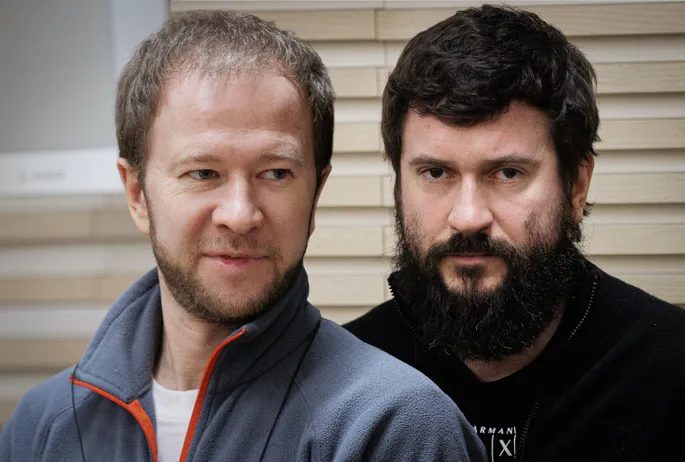
HashFlare Ponzi Founders Get Time Served for $577M Crypto Scheme, Escape Additional JailSergei Potapenko and Ivan Turõgin (Source: Postimees)

The $577 Million Mining Mirage

HashFlare marketed itself as a crypto mining service selling contracts that promised customers shares of profits from blockchain validation activities. Court documents revealed the operation used fake online dashboards showing false mining activity while lacking the computing capacity to mine the vast majority of the claimed cryptocurrency.

The duo’s equipment performed Bitcoin mining at less than one percent of its purported computing power, according to the Justice Department’s official press release.

When investors requested withdrawals, Potapenko and Turõgin either resisted payments or used newly purchased cryptocurrency rather than actual mining rewards.

The defendants diverted millions to purchase real estate, luxury vehicles, expensive jewelry, and over a dozen chartered private jet trips while victims suffered major losses.

Their scheme extended beyond HashFlare to include Polybius Bank, a fictitious “virtual currency bank” that raised $25 million through a 2017 ICO but never operated as an actual financial institution.

The 2023 arrests triggered complex extradition proceedings before Estonia approved their transfer to face U.S. charges in early 2024.

Both men pleaded guilty to conspiracy to commit wire fraud in February, agreeing to forfeit over $400 million in assets while facing a maximum 20-year sentence.

“These defendants were operating a classic Ponzi scheme, involving a glitzy asset: a mirage of cryptocurrency mining,” said Acting U.S. Attorney Teal Luthy Miller.

Lenient Sentences Defy Emerging Pattern of Harsh Crypto Penalties

The HashFlare defendants’ 16-month sentences appear inconsistent with an intensifying judicial trend toward severe punishment for cryptocurrency crimes, regardless of a scheme’s size or complexity.

For instance, Nicholas Truglia’s sentence jumped from 18 months to 12 years for a $22 million SIM-swapping scheme after he failed to pay restitution, with the judge condemning his “splendor” lifestyle while owing victims millions.

Similarly, former rugby player Shane Moore was sentenced to 30 months for a $900,000 mining fraud, receiving nearly double the HashFlare defendants’ custody time for a scheme worth less than 0.2% of their operation.

The sentencing disparity becomes more pronounced when compared with non-crypto financial fraud cases, where defendants typically receive years-long sentences for schemes involving far smaller amounts than HashFlare’s half-billion-dollar operation.

Mohammed Azharuddin Chhipa received 30 years for funneling $185,000 in cryptocurrency to ISIS operatives, a sentence nearly twenty times longer than HashFlare’s founders despite involving vastly smaller amounts.

The contrast also extends beyond specific cases to prosecutorial approach, with Dwayne Golden receiving eight years for a $40 million Ponzi scheme and prosecutors seeking 20 years for former Celsius CEO Alex Mashinsky in a $550 million fraud case.

Legal experts question whether the defendants’ cooperation, asset forfeiture, or other undisclosed factors influenced the unusually lenient outcome for such a massive international fraud.

However, the Justice Department’s consideration of an appeal suggests internal disagreement with the sentence’s proportionality, though appeals of criminal sentences face high legal hurdles and uncertain outcomes.

Piyasa Fırsatı
Threshold Logosu
Threshold Fiyatı(T)
$0,008569
$0,008569$0,008569
-0,19%
USD
Threshold (T) Canlı Fiyat Grafiği
Sorumluluk Reddi: Bu sitede yeniden yayınlanan makaleler, halka açık platformlardan alınmıştır ve yalnızca bilgilendirme amaçlıdır. MEXC'nin görüşlerini yansıtmayabilir. Tüm hakları telif sahiplerine aittir. Herhangi bir içeriğin üçüncü taraf haklarını ihlal ettiğini düşünüyorsanız, kaldırılması için lütfen [email protected] ile iletişime geçin. MEXC, içeriğin doğruluğu, eksiksizliği veya güncelliği konusunda hiçbir garanti vermez ve sağlanan bilgilere dayalı olarak alınan herhangi bir eylemden sorumlu değildir. İçerik, finansal, yasal veya diğer profesyonel tavsiye niteliğinde değildir ve MEXC tarafından bir tavsiye veya onay olarak değerlendirilmemelidir.

Ayrıca Şunları da Beğenebilirsiniz

Trump Media & Crypto.com Partner For Shareholder Token Airdrop

Trump Media & Crypto.com Partner For Shareholder Token Airdrop

Trump Media & Technology Group (NASDAQ:DJT) has announced plans to distribute a new digital token to its shareholders, leveraging Crypto.com‘s infraread more
Paylaş
Coinstats2026/01/01 00:23
Tria’s $20m beta surge: How a self-custodial neobank is redefining onchain finance

Tria’s $20m beta surge: How a self-custodial neobank is redefining onchain finance

CEO Vijit Katta shares with crypto.news how Tria is reshaping digital asset banking and paving the way for a frictionless, user-controlled financial future.
Paylaş
Crypto.news2026/01/01 01:00
The FDA Is Trying To Make Corporate Free Speech Situational

The FDA Is Trying To Make Corporate Free Speech Situational

The post The FDA Is Trying To Make Corporate Free Speech Situational appeared on BitcoinEthereumNews.com. BENSENVILLE, ILLINOIS – SEPTEMBER 10: Flanked by U.S. Attorney General Pam Bondi (rear), and FDA Commissioner Marty Makary (R), Secretary of Health and Human Services Robert F. Kennedy Jr. speaks to the press outside Midwest Distribution after it was raided by federal agents on September 10, 2025 in Bensenville, Illinois. According to the company, various e-liquids were seized in the raid. (Photo by Scott Olson/Getty Images) Getty Images While running for President in 2008, Barack Obama famously chanted “Yes we can.” Love or hate his political views, Obama’s politics were quite effective. He was asking voters to think big, to envision a much better future. Advertisers no doubt approved. That’s because ads routinely evoke things not as they are, but as they could be. Gyms and exercise equipment companies don’t promote their locations and equipment with flabby, lumbering people, rather their ads show fit, upright, energetic individuals. A look ahead. Restaurants do the same with ads showing happy people enjoying impressively put together plates of food. Conversely, ads meant to convince smokers to quit have not infrequently shown the worst of the worst future downsides of the habit. The nature of advertising comes to mind as FDA commissioner Marty Makary puzzlingly brags that “The Trump Administration Is Taking On Big Pharma” in the New York Times. Makary laments pharmaceutical ads that “are filled with dancing patients, glowing smiles and catch jingles that drown out the fine print.” Not explained is whether Makary would be happier if drug companies placed ads with immobile patients, frowns, and funereal music. Seriously, what does he expect? Does he want drug companies to commit billions to drug development to accompany their achievements with imagery defined by misery? Has Makary stopped to contemplate the myriad shareholders lawsuits drugmakers would face if, upon risking staggering sums meant…
Paylaş
BitcoinEthereumNews2025/09/18 06:29