BitcoinWorld Massive USDT Transfer: $220 Million Moves to Aave from Unknown Wallet The cryptocurrency world is abuzz with the news of a monumental USDT transfer. A staggering 219,999,998 USDT, valued at approximately $220 million, recently moved from an undisclosed wallet to the decentralized finance (DeFi) lending protocol, Aave. This significant whale movement, flagged by Whale Alert, has ignited widespread speculation across the market. What Does This Massive USDT Transfer Mean for DeFi? Such a substantial transaction immediately draws attention due to its sheer size. When nearly a quarter of a billion dollars in Tether (USDT) shifts hands, especially from an ‘unknown’ source to a major DeFi platform like Aave, it often signals significant strategic activity. This isn’t just everyday trading; it’s a whale making a calculated move that could influence market dynamics. Whale Alert, a well-known blockchain tracking service, brought this particular USDT transfer to light. Their reports are crucial for transparency in a market often characterized by anonymity. For many, these alerts serve as an early indicator of potential market shifts or large-scale financial strategies by big players, providing valuable insights. Why Aave? Understanding the Destination of This USDT Transfer Aave is one of the leading decentralized lending and borrowing protocols in the DeFi space. It allows users to deposit cryptocurrencies to earn interest or borrow against their crypto assets. The arrival of such a large sum of USDT could have several implications for the platform and its users, potentially boosting liquidity. One primary reason for moving such a large sum to Aave could be to utilize its lending pools. Depositing USDT into Aave allows the wallet owner to earn interest, providing a passive income stream. Alternatively, the funds could be used as collateral to borrow other cryptocurrencies, enabling leveraged positions or complex DeFi strategies without directly selling the stablecoin. Potential Scenarios Behind the $220 Million USDT Transfer While the exact motive behind this specific USDT transfer remains unknown, several plausible scenarios could explain this colossal movement: Yield Farming: The wallet owner might be looking to participate in lucrative yield farming strategies on Aave or other integrated protocols, seeking higher returns on their substantial assets. Liquidity Provision: Injecting such a large amount of USDT could be aimed at boosting liquidity on Aave, potentially in anticipation of increased borrowing demand or to facilitate larger trades within the ecosystem. Institutional Movement: This could represent an institutional player or a high-net-worth individual rebalancing their portfolio or strategically deploying significant capital into the burgeoning DeFi ecosystem. Strategic Borrowing: The USDT might serve as collateral for a significant loan, perhaps to acquire other volatile assets or fund other ventures without liquidating their stablecoin holdings. What are the Market Implications of a Major USDT Transfer? Large USDT transfers, especially to prominent DeFi protocols, often spark discussions about overall market stability and liquidity. While USDT is a stablecoin pegged to the US dollar, massive movements can still subtly impact market sentiment and perceived risk. Increased liquidity on Aave could potentially lead to lower borrowing rates for certain assets or higher lending rates for USDT, depending on prevailing supply and demand dynamics. For the broader market, such a transaction signifies continued confidence, or at least strategic interest, in the DeFi sector from large capital holders, indicating a robust and active ecosystem. The recent USDT transfer of nearly $220 million to Aave is a clear reminder of the dynamic and often opaque nature of the cryptocurrency market. While the ‘unknown wallet’ aspect adds an element of mystery, the transaction underscores the growing utility and importance of DeFi platforms like Aave for managing substantial digital assets. Keeping an eye on these whale movements provides valuable insights into potential market trends and the evolving strategies of major crypto players. Frequently Asked Questions (FAQs) Q1: What is USDT and why is it important in crypto? USDT, or Tether, is the largest stablecoin by market capitalization. It is designed to maintain a value pegged to the US dollar, making it a crucial asset for traders and investors seeking stability within the volatile cryptocurrency market. It facilitates quick and low-cost transfers, acting as a bridge between fiat currencies and the crypto ecosystem. Q2: How does Aave work, and what are its main functions? Aave is a decentralized lending and borrowing protocol built on various blockchains. Users can deposit cryptocurrencies into liquidity pools to earn interest or use their deposited assets as collateral to borrow other cryptocurrencies. It’s a key component of the DeFi landscape, enabling financial services without traditional intermediaries. Q3: Who are ‘whales’ in the cryptocurrency market? In the crypto world, ‘whales’ refer to individuals or entities holding exceptionally large amounts of a particular cryptocurrency. Their large transactions can significantly influence market prices and sentiment, making their movements closely watched by other investors. Q4: Can a large USDT transfer impact the price of USDT? Generally, a large USDT transfer itself does not directly impact the price of USDT, as it is a stablecoin designed to remain pegged to $1. However, if such a transfer signals a broader shift in market sentiment or a major liquidation event, it could indirectly influence the demand for USDT or other crypto assets. Q5: How can I track large crypto transactions like this? Services like Whale Alert specialize in tracking significant cryptocurrency transactions across various blockchains. Many blockchain explorers also allow users to monitor large transfers. Following reputable crypto news outlets and analytics platforms can also provide insights into these whale movements. Found this insight into the massive USDT transfer intriguing? Share this article with your network and join the conversation about significant whale movements in DeFi! To learn more about the latest crypto market trends, explore our article on key developments shaping DeFi institutional adoption. This post Massive USDT Transfer: $220 Million Moves to Aave from Unknown Wallet first appeared on BitcoinWorld.BitcoinWorld Massive USDT Transfer: $220 Million Moves to Aave from Unknown Wallet The cryptocurrency world is abuzz with the news of a monumental USDT transfer. A staggering 219,999,998 USDT, valued at approximately $220 million, recently moved from an undisclosed wallet to the decentralized finance (DeFi) lending protocol, Aave. This significant whale movement, flagged by Whale Alert, has ignited widespread speculation across the market. What Does This Massive USDT Transfer Mean for DeFi? Such a substantial transaction immediately draws attention due to its sheer size. When nearly a quarter of a billion dollars in Tether (USDT) shifts hands, especially from an ‘unknown’ source to a major DeFi platform like Aave, it often signals significant strategic activity. This isn’t just everyday trading; it’s a whale making a calculated move that could influence market dynamics. Whale Alert, a well-known blockchain tracking service, brought this particular USDT transfer to light. Their reports are crucial for transparency in a market often characterized by anonymity. For many, these alerts serve as an early indicator of potential market shifts or large-scale financial strategies by big players, providing valuable insights. Why Aave? Understanding the Destination of This USDT Transfer Aave is one of the leading decentralized lending and borrowing protocols in the DeFi space. It allows users to deposit cryptocurrencies to earn interest or borrow against their crypto assets. The arrival of such a large sum of USDT could have several implications for the platform and its users, potentially boosting liquidity. One primary reason for moving such a large sum to Aave could be to utilize its lending pools. Depositing USDT into Aave allows the wallet owner to earn interest, providing a passive income stream. Alternatively, the funds could be used as collateral to borrow other cryptocurrencies, enabling leveraged positions or complex DeFi strategies without directly selling the stablecoin. Potential Scenarios Behind the $220 Million USDT Transfer While the exact motive behind this specific USDT transfer remains unknown, several plausible scenarios could explain this colossal movement: Yield Farming: The wallet owner might be looking to participate in lucrative yield farming strategies on Aave or other integrated protocols, seeking higher returns on their substantial assets. Liquidity Provision: Injecting such a large amount of USDT could be aimed at boosting liquidity on Aave, potentially in anticipation of increased borrowing demand or to facilitate larger trades within the ecosystem. Institutional Movement: This could represent an institutional player or a high-net-worth individual rebalancing their portfolio or strategically deploying significant capital into the burgeoning DeFi ecosystem. Strategic Borrowing: The USDT might serve as collateral for a significant loan, perhaps to acquire other volatile assets or fund other ventures without liquidating their stablecoin holdings. What are the Market Implications of a Major USDT Transfer? Large USDT transfers, especially to prominent DeFi protocols, often spark discussions about overall market stability and liquidity. While USDT is a stablecoin pegged to the US dollar, massive movements can still subtly impact market sentiment and perceived risk. Increased liquidity on Aave could potentially lead to lower borrowing rates for certain assets or higher lending rates for USDT, depending on prevailing supply and demand dynamics. For the broader market, such a transaction signifies continued confidence, or at least strategic interest, in the DeFi sector from large capital holders, indicating a robust and active ecosystem. The recent USDT transfer of nearly $220 million to Aave is a clear reminder of the dynamic and often opaque nature of the cryptocurrency market. While the ‘unknown wallet’ aspect adds an element of mystery, the transaction underscores the growing utility and importance of DeFi platforms like Aave for managing substantial digital assets. Keeping an eye on these whale movements provides valuable insights into potential market trends and the evolving strategies of major crypto players. Frequently Asked Questions (FAQs) Q1: What is USDT and why is it important in crypto? USDT, or Tether, is the largest stablecoin by market capitalization. It is designed to maintain a value pegged to the US dollar, making it a crucial asset for traders and investors seeking stability within the volatile cryptocurrency market. It facilitates quick and low-cost transfers, acting as a bridge between fiat currencies and the crypto ecosystem. Q2: How does Aave work, and what are its main functions? Aave is a decentralized lending and borrowing protocol built on various blockchains. Users can deposit cryptocurrencies into liquidity pools to earn interest or use their deposited assets as collateral to borrow other cryptocurrencies. It’s a key component of the DeFi landscape, enabling financial services without traditional intermediaries. Q3: Who are ‘whales’ in the cryptocurrency market? In the crypto world, ‘whales’ refer to individuals or entities holding exceptionally large amounts of a particular cryptocurrency. Their large transactions can significantly influence market prices and sentiment, making their movements closely watched by other investors. Q4: Can a large USDT transfer impact the price of USDT? Generally, a large USDT transfer itself does not directly impact the price of USDT, as it is a stablecoin designed to remain pegged to $1. However, if such a transfer signals a broader shift in market sentiment or a major liquidation event, it could indirectly influence the demand for USDT or other crypto assets. Q5: How can I track large crypto transactions like this? Services like Whale Alert specialize in tracking significant cryptocurrency transactions across various blockchains. Many blockchain explorers also allow users to monitor large transfers. Following reputable crypto news outlets and analytics platforms can also provide insights into these whale movements. Found this insight into the massive USDT transfer intriguing? Share this article with your network and join the conversation about significant whale movements in DeFi! To learn more about the latest crypto market trends, explore our article on key developments shaping DeFi institutional adoption. This post Massive USDT Transfer: $220 Million Moves to Aave from Unknown Wallet first appeared on BitcoinWorld.

Massive USDT Transfer: $220 Million Moves to Aave from Unknown Wallet

2025/09/20 04:25

BitcoinWorld

Massive USDT Transfer: $220 Million Moves to Aave from Unknown Wallet

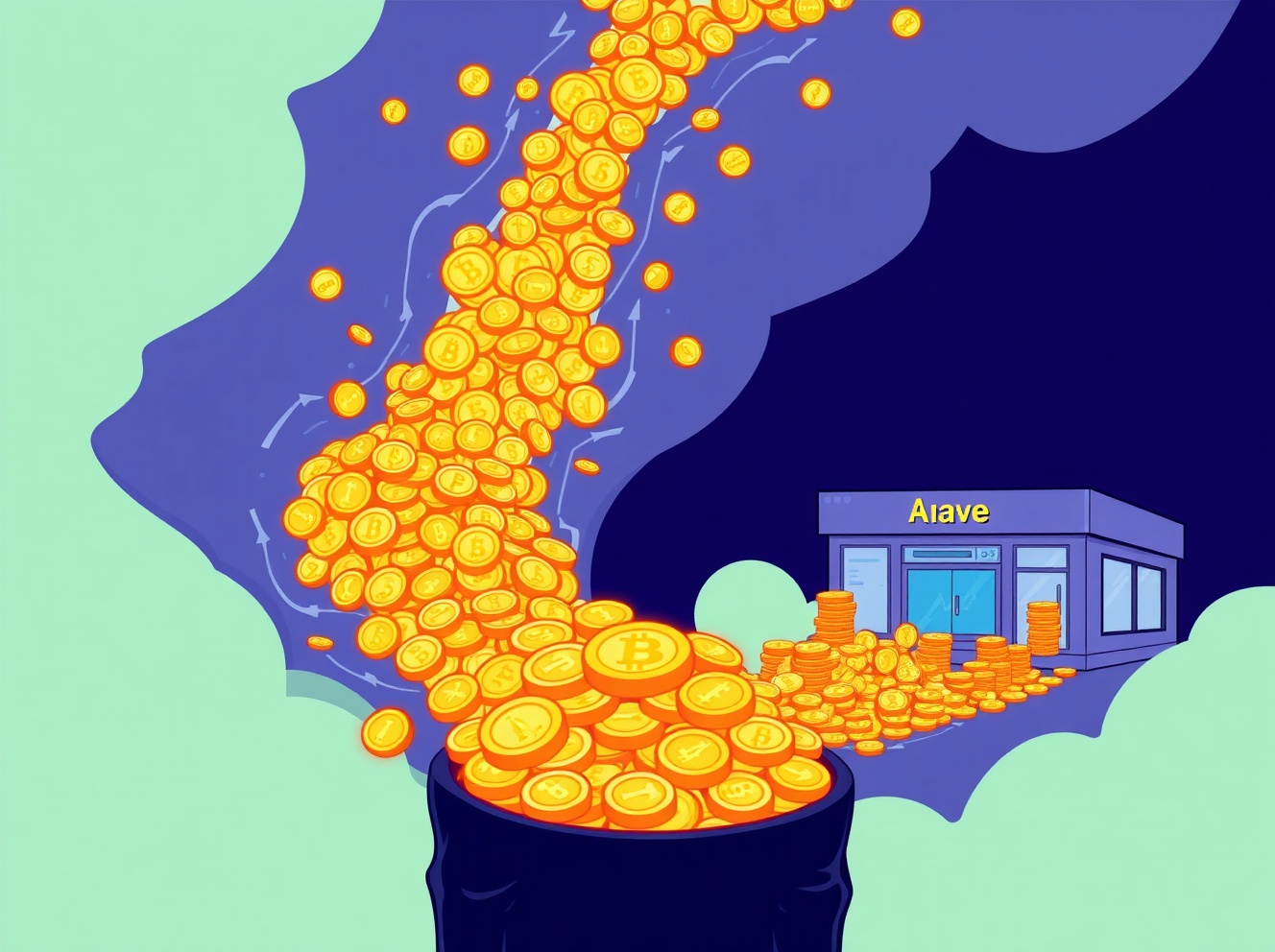
The cryptocurrency world is abuzz with the news of a monumental USDT transfer. A staggering 219,999,998 USDT, valued at approximately $220 million, recently moved from an undisclosed wallet to the decentralized finance (DeFi) lending protocol, Aave. This significant whale movement, flagged by Whale Alert, has ignited widespread speculation across the market.

What Does This Massive USDT Transfer Mean for DeFi?

Such a substantial transaction immediately draws attention due to its sheer size. When nearly a quarter of a billion dollars in Tether (USDT) shifts hands, especially from an ‘unknown’ source to a major DeFi platform like Aave, it often signals significant strategic activity. This isn’t just everyday trading; it’s a whale making a calculated move that could influence market dynamics.

Whale Alert, a well-known blockchain tracking service, brought this particular USDT transfer to light. Their reports are crucial for transparency in a market often characterized by anonymity. For many, these alerts serve as an early indicator of potential market shifts or large-scale financial strategies by big players, providing valuable insights.

Why Aave? Understanding the Destination of This USDT Transfer

Aave is one of the leading decentralized lending and borrowing protocols in the DeFi space. It allows users to deposit cryptocurrencies to earn interest or borrow against their crypto assets. The arrival of such a large sum of USDT could have several implications for the platform and its users, potentially boosting liquidity.

One primary reason for moving such a large sum to Aave could be to utilize its lending pools. Depositing USDT into Aave allows the wallet owner to earn interest, providing a passive income stream. Alternatively, the funds could be used as collateral to borrow other cryptocurrencies, enabling leveraged positions or complex DeFi strategies without directly selling the stablecoin.

Potential Scenarios Behind the $220 Million USDT Transfer

While the exact motive behind this specific USDT transfer remains unknown, several plausible scenarios could explain this colossal movement:

  • Yield Farming: The wallet owner might be looking to participate in lucrative yield farming strategies on Aave or other integrated protocols, seeking higher returns on their substantial assets.
  • Liquidity Provision: Injecting such a large amount of USDT could be aimed at boosting liquidity on Aave, potentially in anticipation of increased borrowing demand or to facilitate larger trades within the ecosystem.
  • Institutional Movement: This could represent an institutional player or a high-net-worth individual rebalancing their portfolio or strategically deploying significant capital into the burgeoning DeFi ecosystem.
  • Strategic Borrowing: The USDT might serve as collateral for a significant loan, perhaps to acquire other volatile assets or fund other ventures without liquidating their stablecoin holdings.

What are the Market Implications of a Major USDT Transfer?

Large USDT transfers, especially to prominent DeFi protocols, often spark discussions about overall market stability and liquidity. While USDT is a stablecoin pegged to the US dollar, massive movements can still subtly impact market sentiment and perceived risk.

Increased liquidity on Aave could potentially lead to lower borrowing rates for certain assets or higher lending rates for USDT, depending on prevailing supply and demand dynamics. For the broader market, such a transaction signifies continued confidence, or at least strategic interest, in the DeFi sector from large capital holders, indicating a robust and active ecosystem.

The recent USDT transfer of nearly $220 million to Aave is a clear reminder of the dynamic and often opaque nature of the cryptocurrency market. While the ‘unknown wallet’ aspect adds an element of mystery, the transaction underscores the growing utility and importance of DeFi platforms like Aave for managing substantial digital assets. Keeping an eye on these whale movements provides valuable insights into potential market trends and the evolving strategies of major crypto players.

Frequently Asked Questions (FAQs)

Q1: What is USDT and why is it important in crypto?

USDT, or Tether, is the largest stablecoin by market capitalization. It is designed to maintain a value pegged to the US dollar, making it a crucial asset for traders and investors seeking stability within the volatile cryptocurrency market. It facilitates quick and low-cost transfers, acting as a bridge between fiat currencies and the crypto ecosystem.

Q2: How does Aave work, and what are its main functions?

Aave is a decentralized lending and borrowing protocol built on various blockchains. Users can deposit cryptocurrencies into liquidity pools to earn interest or use their deposited assets as collateral to borrow other cryptocurrencies. It’s a key component of the DeFi landscape, enabling financial services without traditional intermediaries.

Q3: Who are ‘whales’ in the cryptocurrency market?

In the crypto world, ‘whales’ refer to individuals or entities holding exceptionally large amounts of a particular cryptocurrency. Their large transactions can significantly influence market prices and sentiment, making their movements closely watched by other investors.

Q4: Can a large USDT transfer impact the price of USDT?

Generally, a large USDT transfer itself does not directly impact the price of USDT, as it is a stablecoin designed to remain pegged to $1. However, if such a transfer signals a broader shift in market sentiment or a major liquidation event, it could indirectly influence the demand for USDT or other crypto assets.

Q5: How can I track large crypto transactions like this?

Services like Whale Alert specialize in tracking significant cryptocurrency transactions across various blockchains. Many blockchain explorers also allow users to monitor large transfers. Following reputable crypto news outlets and analytics platforms can also provide insights into these whale movements.

Found this insight into the massive USDT transfer intriguing? Share this article with your network and join the conversation about significant whale movements in DeFi!

To learn more about the latest crypto market trends, explore our article on key developments shaping DeFi institutional adoption.

This post Massive USDT Transfer: $220 Million Moves to Aave from Unknown Wallet first appeared on BitcoinWorld.

Piyasa Fırsatı
Threshold Logosu
Threshold Fiyatı(T)
$0.009996
$0.009996$0.009996
+0.16%
USD
Threshold (T) Canlı Fiyat Grafiği
Sorumluluk Reddi: Bu sitede yeniden yayınlanan makaleler, halka açık platformlardan alınmıştır ve yalnızca bilgilendirme amaçlıdır. MEXC'nin görüşlerini yansıtmayabilir. Tüm hakları telif sahiplerine aittir. Herhangi bir içeriğin üçüncü taraf haklarını ihlal ettiğini düşünüyorsanız, kaldırılması için lütfen [email protected] ile iletişime geçin. MEXC, içeriğin doğruluğu, eksiksizliği veya güncelliği konusunda hiçbir garanti vermez ve sağlanan bilgilere dayalı olarak alınan herhangi bir eylemden sorumlu değildir. İçerik, finansal, yasal veya diğer profesyonel tavsiye niteliğinde değildir ve MEXC tarafından bir tavsiye veya onay olarak değerlendirilmemelidir.

Ayrıca Şunları da Beğenebilirsiniz

WIF price reclaims 200-day moving average

WIF price reclaims 200-day moving average

WIF (WIF) price is entering a critical technical phase as price action reclaims the 200-day moving average, a level that often separates bearish control from bullish
Paylaş
Crypto.news2026/01/13 23:44
China Blocks Nvidia’s RTX Pro 6000D as Local Chips Rise

China Blocks Nvidia’s RTX Pro 6000D as Local Chips Rise

The post China Blocks Nvidia’s RTX Pro 6000D as Local Chips Rise appeared on BitcoinEthereumNews.com. China Blocks Nvidia’s RTX Pro 6000D as Local Chips Rise China’s internet regulator has ordered the country’s biggest technology firms, including Alibaba and ByteDance, to stop purchasing Nvidia’s RTX Pro 6000D GPUs. According to the Financial Times, the move shuts down the last major channel for mass supplies of American chips to the Chinese market. Why Beijing Halted Nvidia Purchases Chinese companies had planned to buy tens of thousands of RTX Pro 6000D accelerators and had already begun testing them in servers. But regulators intervened, halting the purchases and signaling stricter controls than earlier measures placed on Nvidia’s H20 chip. Image: Nvidia An audit compared Huawei and Cambricon processors, along with chips developed by Alibaba and Baidu, against Nvidia’s export-approved products. Regulators concluded that Chinese chips had reached performance levels comparable to the restricted U.S. models. This assessment pushed authorities to advise firms to rely more heavily on domestic processors, further tightening Nvidia’s already limited position in China. China’s Drive Toward Tech Independence The decision highlights Beijing’s focus on import substitution — developing self-sufficient chip production to reduce reliance on U.S. supplies. “The signal is now clear: all attention is focused on building a domestic ecosystem,” said a representative of a leading Chinese tech company. Nvidia had unveiled the RTX Pro 6000D in July 2025 during CEO Jensen Huang’s visit to Beijing, in an attempt to keep a foothold in China after Washington restricted exports of its most advanced chips. But momentum is shifting. Industry sources told the Financial Times that Chinese manufacturers plan to triple AI chip production next year to meet growing demand. They believe “domestic supply will now be sufficient without Nvidia.” What It Means for the Future With Huawei, Cambricon, Alibaba, and Baidu stepping up, China is positioning itself for long-term technological independence. Nvidia, meanwhile, faces…
Paylaş
BitcoinEthereumNews2025/09/18 01:37
Trump: Powell did a bad job.

Trump: Powell did a bad job.

PANews reported on January 13th that, according to Jinshi Data, US President Trump stated: "Federal Reserve Chairman Powell is either incompetent or dishonest.
Paylaş
PANews2026/01/13 23:40