Prediction markets are expanding rapidly, but their growth is running into a major US regulatory dispute. On September 24, New York Attorney General Letitia James sued Polymarket, alleging that its USPrediction markets are expanding rapidly, but their growth is running into a major US regulatory dispute. On September 24, New York Attorney General Letitia James sued Polymarket, alleging that its US

Polymarket New York Lawsuit Explained: Why Regulators Are Targeting Prediction Markets


Prediction markets are expanding rapidly, but their growth is running into a major US regulatory dispute. On September 24, New York Attorney General Letitia James sued Polymarket, alleging that its US platform operates as an illegal, unlicensed gambling business. Hours later, Polymarket filed its own federal lawsuit seeking to stop New York officials from regulating it.
 

1.New York’s Case Against Polymarket

New York’s lawsuit argues that Polymarket’s event contracts amount to gambling because users put money behind uncertain outcomes that they cannot control. The state says Polymarket operated in New York without obtaining a license from the New York State Gaming Commission and avoided requirements applied to licensed gambling operators. It is seeking civil penalties, forfeiture of alleged illegal gains and customer restitution.
New York says Polymarket allowed users aged 18 to 20, while the state requires 21 for mobile sports betting. Officials argue that prediction markets offering sports contracts should fall under New York’s gambling framework, particularly when users stake money on sporting outcomes. Similar arguments have been made against Kalshi, Coinbase Financial Markets and Gemini.
Polymarket disputes that characterization. Its chief legal officer, Neal Kumar, said the company had tried to engage with New York officials over their concerns and described its markets as fair, transparent and legal. The dispute therefore centers on whether event contracts are gambling under state law or financial products under federal oversight.
 

2.The Bigger Fight Over Who Regulates Prediction Markets

Polymarket’s response became part of the legal battle when it sued James and other New York officials in Manhattan federal court. It seeks to block state regulation, arguing federal oversight should take precedence. This creates a clash between state gambling authorities and federal oversight.
The Commodity Futures Trading Commission has asserted authority over federally regulated prediction markets, while several states have challenged platforms offering sports and other event contracts. Courts are now being asked to address where state gambling laws end and federal commodities regulation begins. Federal appeals courts are divided over aspects of this question, potentially bringing higher courts into the dispute.
Prediction markets can cover elections, economic indicators, entertainment and other events. Supporters describe them as markets for measurable outcomes, while regulators argue that some contracts function like wagers. The distinction could determine licensing, consumer protections, taxation and regulatory authority.
 

3.What the Lawsuit Means for Polymarket and the Industry

The outcome is not a final ruling on whether Polymarket is legally a gambling platform. The competing cases must move through court, leaving open whether prediction markets can expand nationally under differing state gambling laws. The legal process could therefore have implications well beyond New York.
The case could affect how other platforms approach US expansion. New York is already pursuing legal action involving other prediction-market businesses, showing that Polymarket is part of a broader regulatory confrontation rather than an isolated dispute. If states continue challenging contracts, platforms may face different rules depending on where users are located.
Users should check whether a prediction market is available and permitted in their jurisdiction before trading. Market availability can also change as court decisions and regulatory actions develop. Availability in one state does not automatically mean identical legal treatment elsewhere.
 

Conclusion

The Polymarket-New York lawsuit puts the future regulatory structure of prediction markets under renewed scrutiny. New York says Polymarket is operating an unlicensed gambling business, while Polymarket argues that state officials should not regulate its federally governed market. The courts will now determine how those competing positions interact under current law and regulation.
 

FAQs

Q1Why is New York suing Polymarket?
New York alleges that Polymarket operates an unlicensed gambling business and violates state gambling laws.
Q2:What does Polymarket say?
Polymarket disputes New York’s position and has filed a federal lawsuit challenging the state’s attempt to regulate its prediction market.
Q3:Does the lawsuit mean Polymarket is is illegal everywhere?
No. The case concerns New York’s laws and does not by itself establish a nationwide legal ruling.
Q4:Could this affect other prediction markets?
Yes. The outcome could provide guidance for other platforms facing similar disputes over state gambling laws and federal oversight.
 
Disclaimer: This article is for educational and informational purposes only and does not constitute legal, financial or trading advice, digital assets carry significant risks so do your own research before making any financial decisions.
Peluang Pasar
Logo 4
Harga 4(4)
$0.018413
$0.018413$0.018413
USD

Artikel-artikel yang dibagikan di halaman ini bersumber dari platform publik dan disediakan hanya sebagai referensi. Artikel tersebut tidak mewakili posisi atau pandangan MEXC. Seluruh hak merupakan milik Mubashir. Jika Anda meyakini ada konten yang melanggar hak pihak ketiga, silakan hubungi [email protected] untuk penghapusan segera. MEXC tidak menjamin keakuratan, kelengkapan, atau keaktualan konten apa pun dan tidak bertanggung jawab terhadap segala tindakan yang dilakukan berdasarkan informasi yang diberikan. Konten tersebut bukan merupakan saran keuangan, hukum, atau profesional lainnya, serta tidak boleh ditafsirkan sebagai rekomendasi atau dukungan oleh MEXC. Untuk mendapatkan wawasan ahli dan analisis mendalam, kunjungi MEXC Learn.

Info 4 Terkini

Lihat Selengkapnya
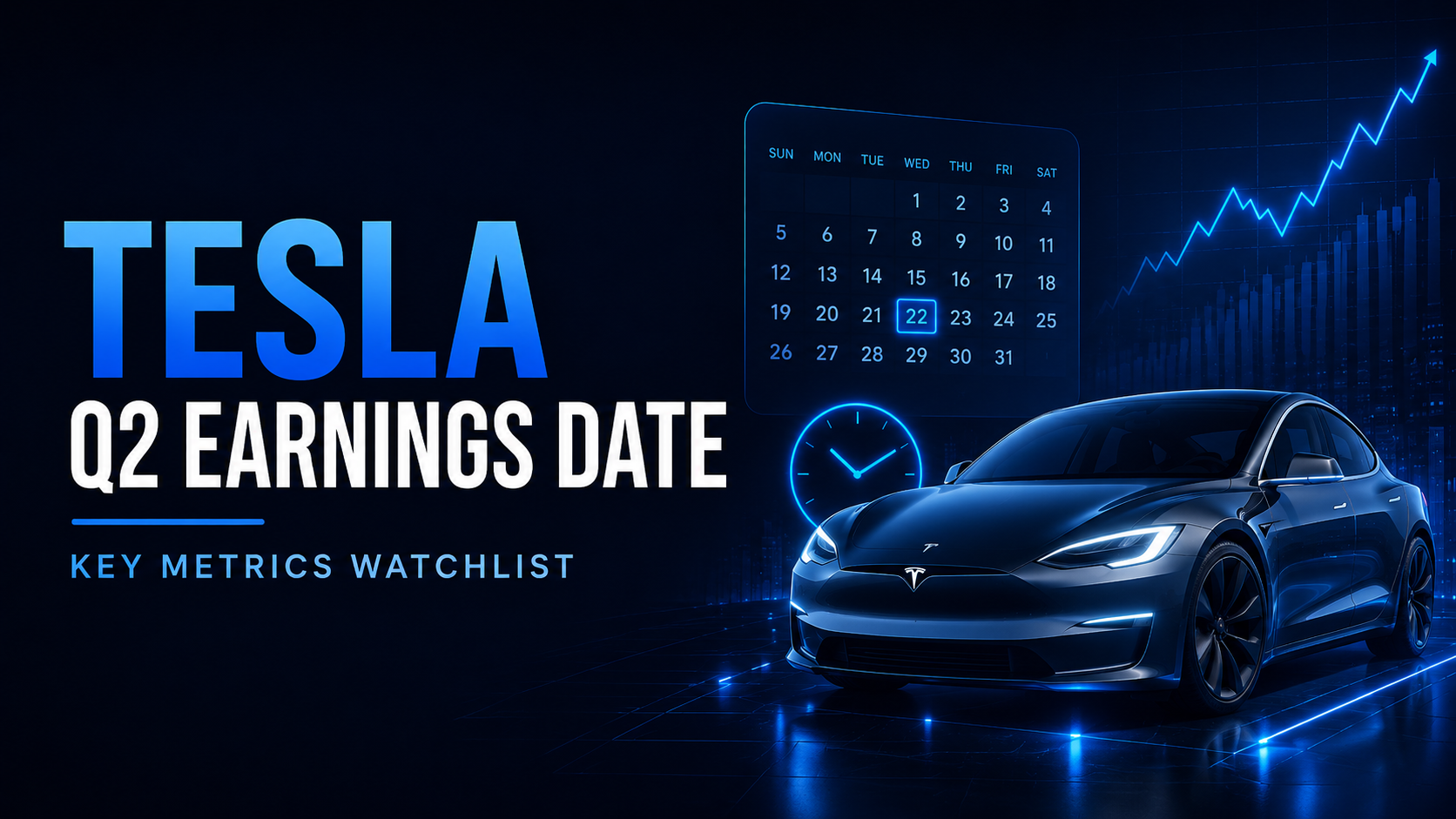
Tanggal Laporan Keuangan Tesla Q2 2026: Waktu Rilis, Webcast, dan Metrik Utama

Tanggal Laporan Keuangan Tesla Q2 2026: Waktu Rilis, Webcast, dan Metrik Utama

Laporan pendapatan Tesla Q2 2026 dijadwalkan pada hari Rabu, 22 Juli 2026, setelah penutupan pasar, dengan manajemen yang dijadwalkan menjadi tuan rumah webcast Tanya Jawab langsung pada pukul 16:30 Waktu Tengah (CT) / 17:30 Waktu Timur (ET). Pembaruan dan webcast Q2 akan tersedia melalui situs web Hubungan Investor Tesla, dengan tayangan ulang yang diarsipkan diharapkan setelah panggilan tersebut. Ini bukan sekadar tanggal laporan keuangan Tesla biasa. Tesla telah melaporkan kuartal pengiriman yang lebih kuat dari perkiraan: pada Q2 2026, perusahaan memproduksi 451.758 kendaraan, mengirimkan 480.126 kendaraan, dan menggunakan 13,5 GWh produk penyimpanan energi. Bagi para trader, pertanyaan kuncinya bukanlah apakah Tesla mengirimkan lebih banyak kendaraan. Bagian itu sudah diketahui. Pertanyaan sebenarnya adalah apakah pengiriman tersebut cukup menguntungkan, apakah pertumbuhan penyimpanan energi dapat mendukung kisah Tesla yang lebih luas, dan apakah manajemen dapat menunjukkan bahwa investasi AI, otonomi, dan robotaxi bergerak dari sekadar narasi menjadi kemajuan bisnis yang terukur.
2026/07/06
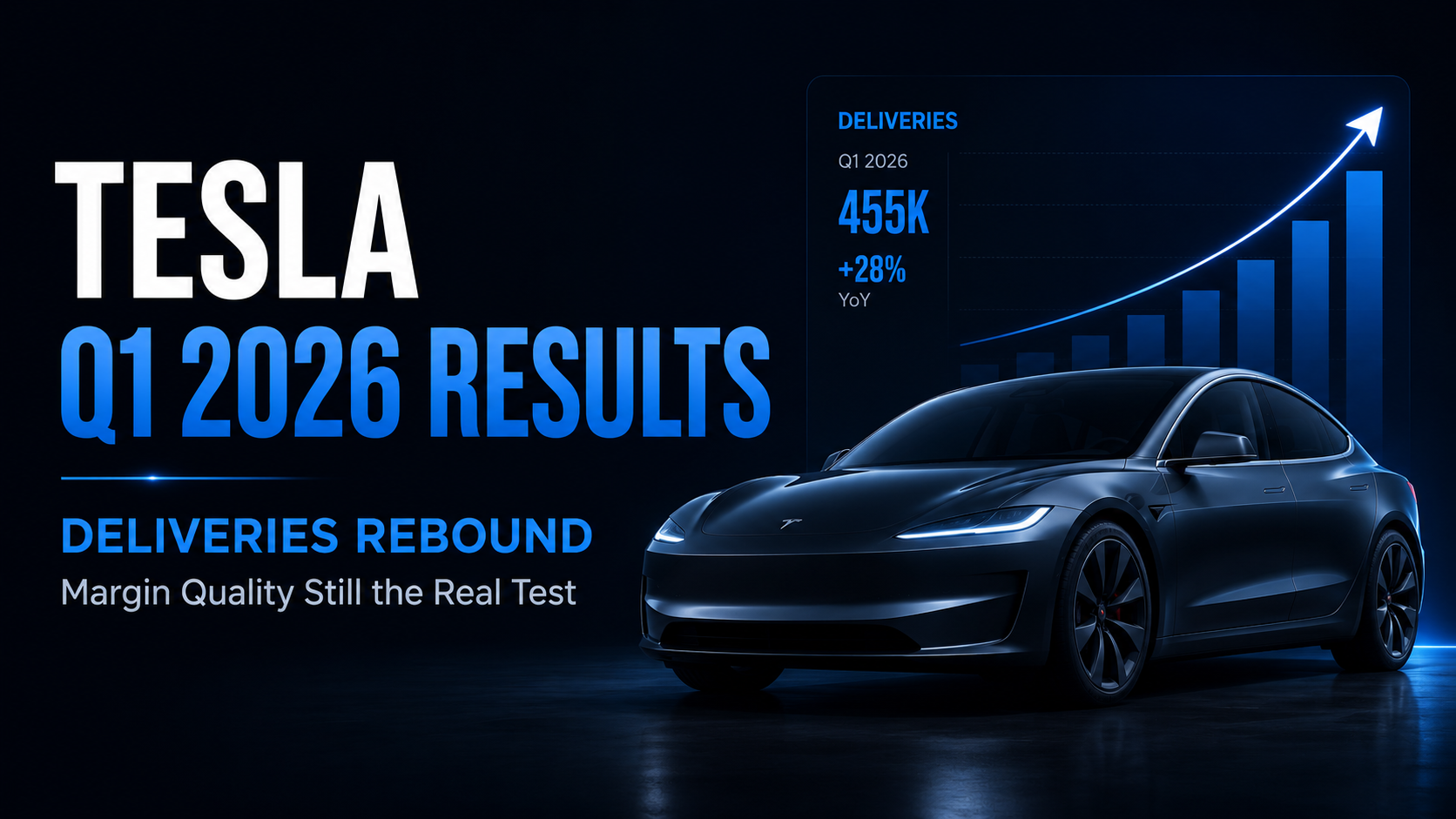
Ulasan Pendapatan Tesla Q1 2026: Pengiriman Pulih, Namun Kualitas Margin Tetap Menjadi Ujian Sebenarnya

Ulasan Pendapatan Tesla Q1 2026: Pengiriman Pulih, Namun Kualitas Margin Tetap Menjadi Ujian Sebenarnya

Tesla melaporkan hasil keuangan Q1 2026 pada 22 April 2026, setelah penutupan pasar AS. Perusahaan mengirimkan 358.023 kendaraan pada kuartal tersebut, menghasilkan total pendapatan sebesar $22,4 miliar, dan melaporkan laba bersih GAAP yang dapat diatribusikan kepada pemegang saham biasa sebesar $477 juta. Total margin kotor GAAP membaik menjadi 21,1%, sementara margin operasional mencapai 4,2%. Sinyal utamanya bukan sekadar bahwa pengiriman Tesla pulih dari basis yang lebih lemah pada tahun sebelumnya. Pertanyaan yang lebih penting adalah apakah pengiriman yang lebih tinggi, pendapatan terkait FSD, biaya kendaraan yang lebih rendah, dan peningkatan margin otomotif dapat membangun kembali kepercayaan pada cerita profitabilitas Tesla. Bagi investor yang mencari laporan pendapatan TSLA berikutnya, Q1 menyiapkan ujian penting untuk Q2: menentukan apakah pertumbuhan volume dapat diubah secara berkelanjutan menjadi pendapatan berkualitas lebih tinggi.
2026/07/09
Tinjauan Pendapatan Apple Q2 FY2026: Pendapatan iPhone dan Pertumbuhan Layanan Menjaga Kisah EPS Tetap Utuh

Tinjauan Pendapatan Apple Q2 FY2026: Pendapatan iPhone dan Pertumbuhan Layanan Menjaga Kisah EPS Tetap Utuh

Apple melaporkan hasil kuartal kedua tahun fiskal 2026 pada 30 April 2026, untuk kuartal yang berakhir pada 28 Maret 2026. Pendapatan mencapai $111,2 miliar, naik 17% secara year-on-year, sementara EPS dilusian meningkat 22% menjadi $2,01. Apple menyatakan bahwa kuartal ini mencetak rekor kuartal Maret untuk total pendapatan perusahaan, pendapatan iPhone, dan EPS, sementara pendapatan dari sektor Layanan (Services) sukses menembus rekor tertinggi baru sepanjang masa. Ini bukan sekadar laporan keuangan siklus perangkat keras biasa. Hasil kuartal kedua Apple membuktikan bahwa permintaan iPhone, pertumbuhan Layanan, dan program pengembalian modal masih bekerja secara sinergis untuk mendukung pertumbuhan EPS perusahaan yang kokoh. Bagi investor yang mencari laporan keuangan Apple, pembaruan data AAPL, atau jadwal rilis laporan keuangan berikutnya, fokus krusial pasca kuartal kedua adalah apakah Apple dapat terus mempertahankan penilaian premiumnya saat pasar menanti katalis produk dan inovasi AI yang lebih kuat.
2026/07/09
Lihat Selengkapnya