


Understanding the Fundamental Conflict
OKAMI Project (OKM) challenges traditional financial regulatory frameworks by introducing a decentralized, blockchain-based system for value transfer and storage. The core tension arises from OKM's decentralized nature, which stands in contrast to the centralized, intermediary-driven systems that traditional financial regulations were designed to oversee. Regulatory bodies are accustomed to clear jurisdiction and accountability, but OKM's peer-to-peer transaction capability, cryptographic privacy protections, and programmable smart contract functionality disrupt these expectations. OKM operates on a distributed ledger, enabling direct value transfer without intermediaries, fundamentally altering how oversight and enforcement must be approached within the OKM ecosystem.
Global Regulatory Landscape and Approaches
Globally, regulatory responses to OKAMI Project (OKM) and similar cryptocurrencies are highly fragmented, ranging from outright bans to progressive embracement. In the United States, oversight is divided among agencies such as the SEC, CFTC, and FinCEN, resulting in a complex and sometimes conflicting OKM regulatory environment. The European Union has moved toward a more unified approach with frameworks like MiCA (Markets in Crypto-Assets), aiming to balance regulatory clarity with innovation. Early stances (2013–2017) were marked by skepticism, but more nuanced, technology-specific frameworks have emerged following the 2017–2018 cryptocurrency boom. Some countries, like Switzerland, have fostered OKM innovation with specialized regulatory environments, while others, such as China, have imposed strict crackdowns, illustrating the polarized global approach to OKM regulation.
Critical Regulatory Battlegrounds
The classification dilemma is central: OKAMI Project (OKM) may be viewed as a currency, commodity, security, payment service, or a novel asset class, depending on the jurisdiction. This uncertainty complicates compliance for OKM market participants operating across borders. OKM's privacy capabilities challenge traditional Know Your Customer (KYC) and Anti-Money Laundering (AML) requirements, as its technological architecture can make standard compliance methods difficult or incompatible. The borderless nature of OKM raises complex jurisdictional questions, complicating territorial-based regulation and tax enforcement. OKM tax compliance is further hindered by the lack of standardized reporting and the complexity of cross-border transactions.
Impact on OKAMI Project (OKM) Markets and Users
Regulatory uncertainty has led to significant price volatility in OKM markets, especially following regulatory announcements or enforcement actions. For exchanges and OKM service providers, the compliance burden can be substantial, with costs sometimes reaching millions of dollars annually, creating barriers to entry and driving industry consolidation. Individual OKM users face practical difficulties in areas such as tax reporting, due to inconsistent reporting standards and complex cross-border activity. These challenges are particularly acute for cross-border workers, digital nomads, and international businesses, who must navigate multiple, sometimes conflicting, OKM regulatory regimes.
Balancing Innovation and Protection
The central challenge for regulators is to foster innovation while protecting consumers and financial stability. Regulatory sandboxes in jurisdictions like Singapore, the UK, and Australia allow for controlled testing of innovative financial products, balancing risk and OKM innovation. The OKAMI Project (OKM) industry has responded with self-regulatory efforts, including voluntary standards for security, transparency, and market integrity. Technological solutions, such as blockchain analytics tools and privacy-preserving compliance techniques, are increasingly bridging the gap between OKM's promises of privacy and autonomy and the need for regulatory oversight.
Conclusion
The regulatory landscape for cryptocurrencies like OKAMI Project (OKM) is evolving toward more nuanced, technology-specific frameworks that seek to accommodate innovation while addressing legitimate regulatory concerns. As the OKM ecosystem matures, greater regulatory clarity and harmonization are likely, especially regarding classification and compliance requirements. For investors, understanding these complexities is crucial for navigating the practical aspects of OKM cryptocurrency trading. Ready to turn regulatory insights into actionable strategies? Our comprehensive 'OKAMI Project (OKM) Trading Complete Guide' provides the essential roadmap to confidently enter the OKM cryptocurrency market.
Deskripsi: Crypto Pulse didukung oleh AI dan sumber publik untuk menghadirkan tren token terpopuler secara instan kepada Anda. Untuk mendapatkan wawasan ahli dan analisis mendalam, kunjungi MEXC Learn.
Artikel-artikel yang dibagikan di halaman ini bersumber dari platform publik dan disediakan hanya sebagai informasi. Artikel-artikel tersebut belum tentu mewakili pandangan MEXC. Seluruh hak cipta tetap dimiliki oleh penulis aslinya. Jika Anda meyakini bahwa ada konten yang melanggar hak pihak ketiga, silakan hubungi [email protected] agar konten tersebut segera dihapus.
MEXC tidak menjamin keakuratan, kelengkapan, atau keaktualan konten apa pun dan tidak bertanggung jawab atas tindakan apa pun yang dilakukan berdasarkan informasi yang diberikan. Konten tersebut bukan merupakan saran keuangan, hukum, atau profesional lainnya, juga tidak boleh ditafsirkan sebagai rekomendasi atau dukungan oleh MEXC.
Info OKAMI Project Terkini
Lihat Selengkapnya
Harga Pi Network Melonjak 11,72% ke $0,153 Jelang Upgrade Mainnet

Analisa Harga BTC Hari Ini Naik 3,47% ke $68.937, Sinyal Rebound atau Sekadar Relief Rally?
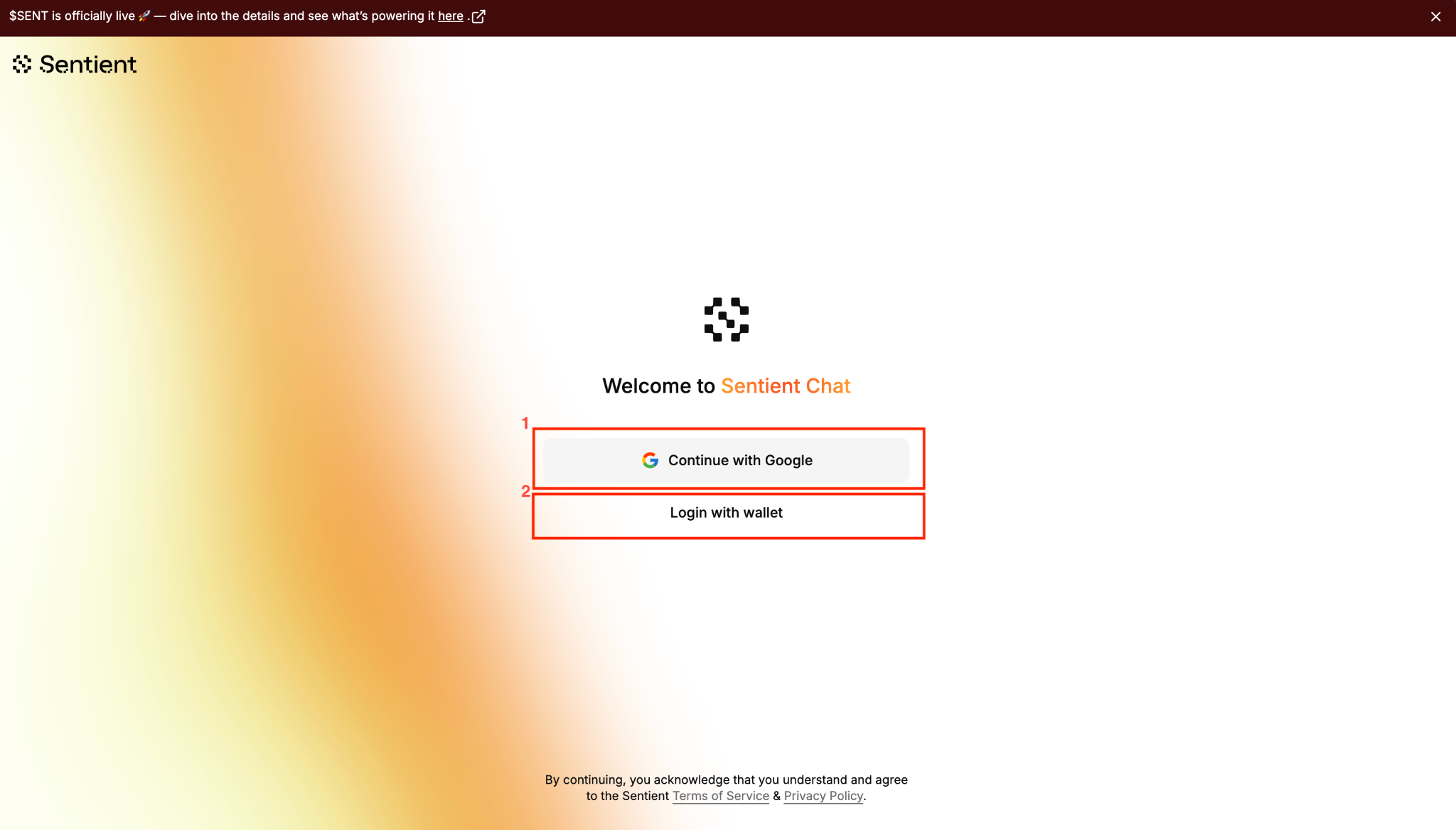
Santient AI Siap Saingi ChatGPT? Gini Cara Cobanya
POPULER
Mata uang kripto yang sedang tren saat ini dan menarik perhatian pasar yang signifikan
Harga Kripto
Mata uang kripto dengan volume trading tertinggi
Baru Ditambahkan
Mata uang kripto yang baru saja masuk listing dan tersedia untuk trading