Tokenized Gold vs. Physical Gold: A Deep Dive into RWA Mechanics
In the Web3 era where everything can be brought on-chain, Gold—humanity's oldest consensus asset—is undergoing a structural revolution driven by RWA (Real World Asset) tokenization.
The market capitalization of mainstream tokenized gold projects, such as PAX Gold (PAXG) and Tether Gold (XAUT), has reached significant scale. But is it really as simple as "turning physical metal into digital code"?
For advanced investors, understanding the difference between the two goes far beyond their physical forms. The true divergence lies in asset sovereignty, liquidity premiums, capital composability, and tail risks. Here is a hardcore breakdown of Tokenized Gold versus Physical Gold.
1. Asset Sovereignty and Trust Mechanics: Trustless vs. Trust-Minimized
Gold is often called the "ultimate asset" because, in its purest form, it carries zero counterparty risk.
Physical Gold (Absolute Sovereignty):
When you lock a 1-ounce gold bar in your home safe, you achieve 100% trustlessness. Its value does not depend on the survival of any government, bank, or tech company. The Trade-off: You must bear the high costs of physical security and insurance, and you completely sacrifice asset liquidity.
Tokenized Gold (Trust-Minimized & Legal Architecture):
Tokenized gold is essentially a "Trust Receipt." For example, every PAXG token legally represents one troy ounce of a specific London Good Delivery gold bar stored in Brink's vaults in London.
Bankruptcy Remote: Even if the issuer (Paxos) goes bankrupt, the physical gold in the vault legally belongs to the token holders, shielding it from corporate liquidation.
Centralization Risk (The Blacklist): Although the tokens run on public ledgers like Ethereum, the issuers' smart contracts typically include a "Freeze/Blacklist" function to comply with AML/KYC regulations. This means your tokenized gold can be unilaterally frozen if flagged by regulators—a censorship risk that physical gold will never face.
2. Capital Efficiency and DeFi Composability
This is where tokenized gold completely disrupts traditional physical gold. Physical bullion is a "dead asset"—it naturally generates no cash flow (0% APY) and relies purely on price appreciation.
Activating Yield-Bearing Gold:
Because tokenized gold adheres to standards like ERC-20, it plugs seamlessly into DeFi (Decentralized Finance) "money legos."
Lending and Yield: You can deposit XAUT or PAXG into lending pools like Aave or Curve to provide liquidity. This allows you to earn an Annual Percentage Yield (APY) on top of the underlying gold's price appreciation.
Ultimate Collateral: On many Centralized Exchanges (CEXs) and on-chain derivative platforms, tokenized gold can be used as pristine margin. This means you can hold gold to hedge against inflation while simultaneously using it as collateral to long or short other crypto assets or stock futures, pushing your capital efficiency to the absolute limit.
3. Pricing Mechanics, Friction Costs, and Arbitrage
Physical and tokenized gold operate in completely different dimensions when it comes to trading friction and pricing efficiency.
Physical Gold (High Friction & Retail Premiums):
Buying and selling physical bars or coins involves massive friction. When buying from a dealer, you typically pay a Premium of 3% to 10% over the spot price (covering minting, shipping, and retail markup). When selling, dealers will often buy it back at a discount. You need a significant market rally just to break even on the bid/ask spread.
Tokenized Gold (Oracle Pricing & Arbitrage):
Tokenized gold provides deep, 24/7 global liquidity on CEXs and DEXs with microscopic bid/ask spreads (often within a few basis points).
The Arbitrage Loop: Token prices are fed by oracles like Chainlink. If PAXG trades higher than physical spot gold on an exchange, market makers will buy physical gold with fiat, mint new PAXG via Paxos, and sell it on the secondary market to capture the spread, rapidly snapping the peg back to parity.
Extreme Discount Events: During moments of extreme crypto market panic (liquidity vacuums), tokenized gold can briefly de-peg, trading at a discount to physical gold. This provides a lucrative, risk-free arbitrage window for sharp traders.
4. The Illusion of Ultimate Redemption Rights
Tokenized gold derives its value from the promise that it can be redeemed for physical metal. However, in practice, there are massive hidden barriers.
While you can burn your PAXG or XAUT to take delivery of physical gold from the issuer, doing so requires passing strict hurdles.
The Institutional Barrier: Issuers usually demand incredibly high minimum redemption amounts. For instance, XAUT requires a minimum redemption of 430 troy ounces (a full London Good Delivery bar, worth over $1 million), plus hefty vault extraction and armored transport fees. For the average retail investor, tokenized gold acts strictly as a "Price Tracking Tool" rather than a voucher for physical delivery.
Summary: A Dimensional Comparison
For investors seeking ultimate security—preparing for severe geopolitical fallout or total financial system collapse—the Physical Gold in a home safe remains the irreplaceable last line of defense.
However, for modern traders who demand capital efficiency, 24/7 global liquidity, and the ability to generate yield on their inflation hedges, Tokenized Gold (RWA) represents a massive technological leap in financial engineering.

Artikel Populer
Lihat Selengkapnya
Pesaing Oura: Samsung, Apple, dan Pasar Smart Ring
Menurut prospektus IPO-nya, pesaing Oura terbagi dalam tiga kelompok: pembuat jam tangan pintar seperti Apple, Google, dan Samsung; perangkat wearable kebugaran seperti Garmin, Coros, dan Whoop; serta
Apakah Oura Menguntungkan? Pendapatan, Model Bisnis, dan Valuasi
Ya, Oura menguntungkan berdasarkan laba bersih. Prospektus IPO-nya menunjukkan laba bersih sebesar $60,8 juta dari pendapatan $1,21 miliar dalam sembilan bulan hingga 30 Juni 2026. Kerugian $924,3 jut
Review Bitget 2026: Skor 3,8 dari 5, Copy Trading Paling Lengkap, dan Tiga Tanggal Penting Keluarnya Bitget dari Jepang
Per 25 September 2026, Bitget meraih skor 3,8 dari 5 pada penilaian enam dimensi kami: unggul di derivatif, mendapat skor sementara 3,5 untuk keamanan setelah insiden hot wallet senilai sekitar US$351
Kabar Kripto Terpopuler
Lihat Selengkapnya
OJK Dorong Tokenisasi Komoditas, Bagaimana RWA Ini Bekerja?
Tokenisasi komoditas terdengar sederhana. Beras, kakao, atau kontrak pembelian komoditas direpresentasikan sebagai token digital, lalu token tersebut digunakan untuk memperoleh pembiayaan atau dipinda

CASHCAT: Perpecahan Pertama Rantai Robinhood Meme Koin Melonjak Melewati Kapitalisasi Pasar $100 Juta
Ikhtisar Robinhood menghabiskan satu tahun membuka jalan bagi blockchain sendiri, melempar saham AS tokenized sebagai narasi serius, namun aset pertama yang benar-benar keluar pada rantai baru adalah

5 Tren Crypto yang Dapat Memindahkan Pasar pada Juli 2026
Ikhtisar Pada Juli 2026, investor crypto menonton lebih dari sekadar harga Bitcoin. Pasar sedang dibentuk oleh aliran ETF, kompetisi stablecoin, tokenisasi, aktivitas on-chain, dan momentum regulasi.

Berita yang Sedang Tren
Lihat Selengkapnya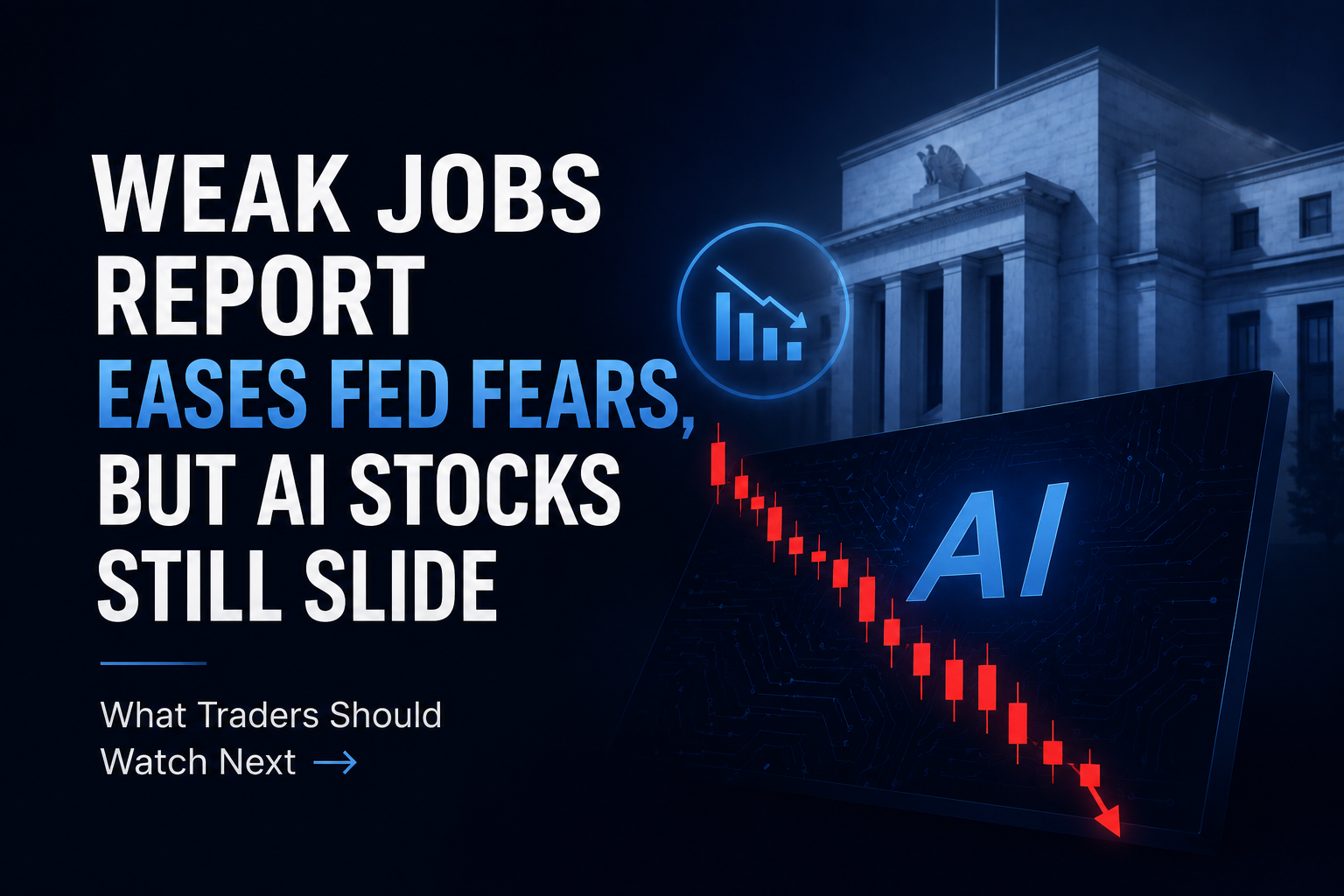
Laporan Pekerjaan yang Lemah Meredakan Kekhawatiran Fed, Tetapi Saham AI Tetap Turun: Apa yang Harus Diperhatikan Trader Selanjutnya
Laporan pekerjaan AS bulan Juni mengisyaratkan perlambatan ekonomi yang jelas, meleset dari ekspektasi dan menurunkan kekhawatiran kenaikan suku bunga Federal Reserve. Meskipun imbal hasil Treasury le

Indonesia Blokir Akses Polymarket setelah Diklasifikasikan sebagai Judi Online
Indonesia memblokir akses ke Polymarket setelah Komdigi mengklasifikasikan kontrak prediksinya sebagai judi online dan menelusuri akun terkait.

Artikel Terkait
Lihat Selengkapnya
Mexc atau Binance, Bursa Kripto Mana yang Lebih Baik untuk Membeli Emas? Pertarungan Ekosistem Makro 2026
Saat harga emas global secara meyakinkan menembus tonggak $5.000 per ons pada tahun 2026, tak terhitung investor kripto yang memegang USDT secara aktif mencari perlindungan dalam aset makro utama. Kar
4 Risiko Tersembunyi Berinvestasi dalam Emas Tokenisasi: Panduan Bertahan Hidup 2026
Pada tahun 2026, saat Emas (XAU) secara historis menembus tonggak $5,000/oz, pasar untuk Digital Gold (emas tertoken) mengalami ledakan yang belum pernah terjadi sebelumnya. Dengan mengubah batangan f
Bagaimana Cara Kerja Emas yang Ditokenisasi? Panduan Infrastruktur RWA 2026
Dalam ekosistem keuangan 2026, emas telah berevolusi dari logam statis menjadi alat digital yang dinamis dan dapat diprogram. Karena pasar global mencari transparansi dan likuiditas 24/7, mekanisme di
Konflik AS-Iran Meningkat: Apakah Emas adalah Safe Haven atau Bull Trap? Navigasi Volatilitas di MEXC
Pada 28 Februari 2026, Amerika Serikat dan Israel melancarkan serangan militer preventif yang belum pernah terjadi sebelumnya terhadap Iran. Sebagai respons, Iran bersumpah untuk melakukan "pembalasan