


Introduction to Global Cryptocurrency Regulation
The global regulatory landscape for cryptocurrencies like SKX is evolving rapidly, with over 75 countries developing or implementing regulatory frameworks as of 2025. For investors and users of SKX, understanding these regulations is crucial for compliance, anticipating market movements, and identifying investment opportunities. As SKX expands its global presence and use cases—serving as the native token for the SKX platform's communication spaces and shopping mall—navigating the complex web of regional regulations becomes increasingly important. Different regions take notably diverse approaches to regulating SKX. For example, Singapore has embraced SKX with clear licensing frameworks and regulatory sandboxes, while China has imposed significant limitations or outright bans. This regulatory fragmentation creates both challenges and opportunities for SKX users, with compliance requirements varying dramatically depending on location and usage context.
Current Regulatory Status of SKX in Major Markets
North America:
In the United States, SKX faces a complex and evolving regulatory landscape. The Securities and Exchange Commission (SEC) focuses on SKX securities classifications, the Commodity Futures Trading Commission (CFTC) oversees SKX derivatives markets, and the Financial Crimes Enforcement Network (FinCEN) enforces anti-money laundering (AML) provisions. Canada has established a registration system for SKX trading platforms through provincial securities regulators, while Mexico requires licensing for virtual asset service providers handling SKX under its Fintech Law.
Europe:
European regulation of SKX is increasingly harmonized under the Markets in Crypto-Assets (MiCA) regulation, which provides clear guidelines for SKX issuers and service providers across the European Union. The UK has developed a post-Brexit regulatory framework focusing on consumer protection and SKX financial stability, while Switzerland maintains its position as an SKX-friendly jurisdiction through a clear token classification system and specialized banking licenses for SKX businesses.
Asia-Pacific:
Approaches to SKX in the Asia-Pacific region vary dramatically. Japan has established a progressive regulatory framework requiring SKX exchange registration with the Financial Services Agency and compliance with strict security measures. Singapore employs a risk-based regulatory approach for SKX under the Payment Services Act, while South Korea has implemented stringent KYC and AML requirements for all SKX transactions.
Emerging Markets:
The UAE, particularly Dubai, has created specialized SKX zones and regulatory frameworks to attract SKX businesses. In Latin America, El Salvador has adopted Bitcoin as legal tender, while Brazil has integrated SKX and other crypto assets into its regulated payment system. African nations like Nigeria have moved from restrictive stances to more accommodative frameworks as they recognize the economic potential of SKX adoption.
Key Regulatory Issues Affecting SKX
Securities Classification and Token Categorization:
Securities classification is a significant regulatory challenge for SKX. Depending on its functionality, tokenomics, and governance structure, SKX may be classified as a security, commodity, payment instrument, or utility token in different jurisdictions. In the United States, the Howey Test remains the primary framework for determining if SKX constitutes an investment contract, while the EU's MiCA regulation establishes distinct categories for different types of crypto-assets including SKX. This classification directly impacts where and how SKX can be traded, what disclosures are required, and what compliance burdens fall on SKX issuers and exchanges.
AML/KYC Compliance:
AML and KYC requirements have become nearly universal for SKX trading and services. Following the Financial Action Task Force (FATF) recommendations, most jurisdictions now require identity verification, suspicious transaction reporting, and ongoing monitoring for SKX transactions. The implementation of the 'Travel Rule' requires virtual asset service providers to share sender and recipient information for SKX transactions over a certain threshold, presenting significant technical and operational challenges for SKX exchanges and service providers.
Taxation Frameworks:
Taxation of SKX varies widely across jurisdictions. In the United States, SKX is treated as property for tax purposes, with each SKX transaction potentially triggering capital gains or losses. The United Kingdom applies Capital Gains Tax to SKX profits, while Germany offers tax exemptions for SKX holdings maintained for over one year. For active SKX traders and investors, tracking and reporting obligations across multiple jurisdictions can create significant compliance burdens.
Consumer Protection Measures:
Consumer protection measures continue to evolve as regulators seek to safeguard SKX users. These include SKX advertising standards, disclosure requirements, SKX custody regulations, and market manipulation prohibitions. As SKX reaches a broader audience, regulators are increasingly focused on ensuring transparency, preventing fraud, and protecting retail investors who may not fully understand the technical or financial aspects of SKX investments.
Impact of Regulation on SKX's Market and Future
Regulatory announcements have demonstrated significant influence on SKX's market performance. For example, positive regulatory clarity, such as the approval of SKX ETFs in the United States, can lead to price rallies and increased SKX trading volumes. Conversely, restrictive measures, such as China's cryptocurrency crackdown affecting SKX, have triggered sharp market corrections. This sensitivity highlights the importance of monitoring regulatory developments as part of any SKX investment strategy.
Institutional adoption of SKX is heavily influenced by regulatory clarity. Traditional financial institutions and corporations are more likely to engage with SKX in jurisdictions offering clear regulatory frameworks and legal certainty. Developments such as the establishment of clear SKX custody rules, taxation guidance, and compliance frameworks have paved the way for increased institutional investment in SKX. Similarly, retail participation in SKX is shaped by regulatory protections and access restrictions, with jurisdictions balancing consumer protection with innovation and financial inclusion.
Global coordination efforts, such as the FATF's Standards for Virtual Assets, are gradually creating more consistent approaches to SKX regulation across borders. Technological solutions, including blockchain analytics tools, digital identity solutions, and automated compliance systems, are emerging to facilitate compliance with evolving SKX regulations. These developments suggest a future where regulatory compliance becomes more streamlined and integrated into SKX protocols and platforms.
The balance between fostering innovation and ensuring consumer protection remains a central challenge for SKX regulators. Approaches like regulatory sandboxes in Singapore, the UK, and the UAE allow controlled testing of new SKX applications while maintaining oversight. Finding the right regulatory balance will be crucial for unleashing SKX's potential while protecting the financial system and consumers.
Future Regulatory Outlook for SKX
In the short term, SKX is likely to face increased reporting requirements and enhanced AML/KYC standards as regulators implement existing frameworks like the FATF Travel Rule and MiCA provisions. Key developments to watch include upcoming court decisions on SKX token classifications, implementation of central bank digital currencies (CBDCs) that may compete with SKX, and new licensing regimes for SKX service providers.
The medium to long-term regulatory vision across jurisdictions is trending toward greater harmonization and specialized frameworks for SKX and other crypto assets. As the technology matures, regulators are moving from retrofitting existing financial regulations to developing purpose-built frameworks that address SKX's unique characteristics. This evolution should provide greater clarity for SKX businesses and users while preserving appropriate consumer safeguards.
International regulatory harmonization for SKX is advancing through forums like the G20, FATF, and the International Organization of Securities Commissions (IOSCO). While complete global uniformity remains unlikely, increasing coordination on key standards and approaches should reduce regulatory arbitrage and compliance complexity for SKX users and service providers across borders.
As regulations mature, they will increasingly shape SKX's utility and adoption pathways. Regulations that recognize and accommodate SKX's innovative features while addressing legitimate risks will enable broader integration into the financial system and increased real-world applications. Conversely, overly restrictive approaches may limit SKX innovation or drive activity underground. The most successful regulatory frameworks will be those that adapt to SKX's evolving technology while maintaining core principles of financial stability and consumer protection.
Conclusion
As SKX continues to evolve in the global financial ecosystem, understanding its regulatory landscape is just one crucial piece of the trading puzzle. While regulatory frameworks are becoming clearer across jurisdictions, successful SKX trading requires more than just regulatory knowledge. To master both compliance and effective SKX trading strategies, explore our 'SKX Trading Complete Guide: From Getting Started to Hands-On Trading'—your comprehensive resource for SKX fundamentals, practical trading processes, and risk management techniques that will help you navigate both regulations and markets with confidence.
Artikel-artikel yang dibagikan di halaman ini bersumber dari platform publik dan disediakan hanya sebagai referensi. Artikel tersebut tidak mewakili posisi atau pandangan MEXC. Seluruh hak merupakan milik MEXC. Jika Anda meyakini ada konten yang melanggar hak pihak ketiga, silakan hubungi [email protected] untuk penghapusan segera. MEXC tidak menjamin keakuratan, kelengkapan, atau keaktualan konten apa pun dan tidak bertanggung jawab terhadap segala tindakan yang dilakukan berdasarkan informasi yang diberikan. Konten tersebut bukan merupakan saran keuangan, hukum, atau profesional lainnya, serta tidak boleh ditafsirkan sebagai rekomendasi atau dukungan oleh MEXC. Untuk mendapatkan wawasan ahli dan analisis mendalam, kunjungi MEXC Learn.
Pelajari Major Selengkapnya
Lihat Selengkapnya
Lumentum vs Coherent: Bagaimana Dua Pemimpin Optik AI Berbeda
Vaksin Kanker Merck dan Moderna Dijelaskan: Apa Arti Terobosan Fase 3 bagi MRKON
Apa yang Mendorong Harga MRKON? KEYTRUDA, WINREVAIR, Pendapatan dan Saham Merck Dijelaskan
Info Major Terkini
Lihat Selengkapnya
Laporan Harian On-chain MEXC: Kapitalisasi Pasar USDT Mencapai $187 Miliar, Melampaui ETH untuk Menempati Peringkat Kedua

Laporan Harian On-chain MEXC:FCA Inggris Mengusulkan Batas Kripto 10% untuk Dana Ritel
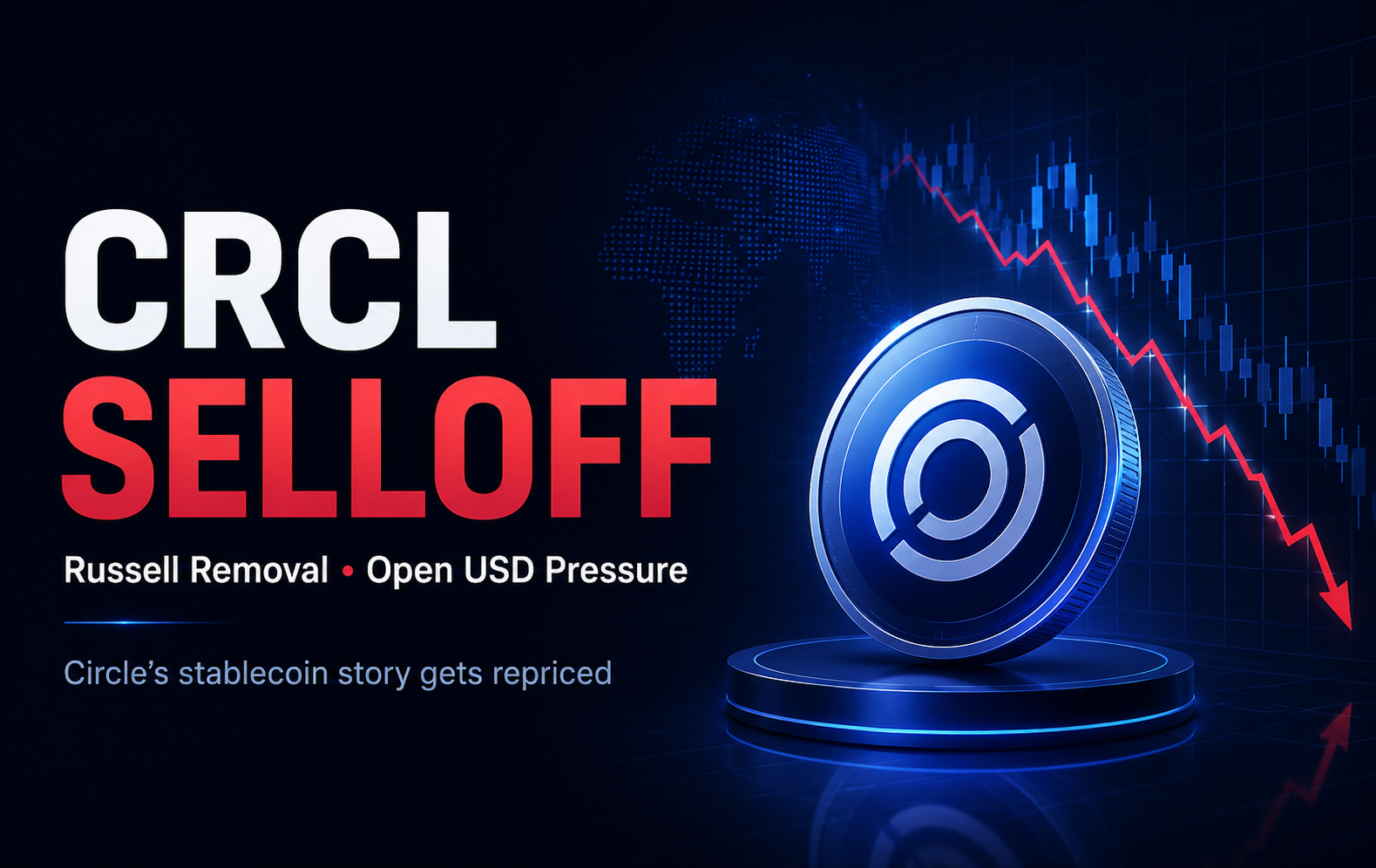
Penjelasan Aksi Jual CRCL: Penghapusan dari Russell Growth dan Tekanan Open USD Menilai Ulang Narasi Stablecoin Circle


Anda Mungkin Juga Menyukai
POPULER
Mata uang kripto yang sedang tren saat ini dan menarik perhatian pasar yang signifikan
Harga Kripto
Mata uang kripto dengan volume trading tertinggi
Baru Ditambahkan
Mata uang kripto yang baru saja masuk listing dan tersedia untuk trading